Cognitive Development Normal World Around Us Worksheets
6 filtered results
-
From - To
Discover our engaging “Cognitive Development Normal World Around Us Worksheets,” designed to enhance young learners' understanding of their environment. These worksheets promote critical thinking and problem-solving skills as children explore concepts related to the world around them. Through fun activities, students will observe, categorize, and make connections, nurturing their cognitive growth. Ideal for early grade classrooms and home learning, our resources are visually appealing and age-appropriate, ensuring a stimulating experience. Foster curiosity and a love for learning with activities that encourage exploration and comprehension of everyday situations. Unlock your child’s potential by making cognitive development enjoyable and meaningful!

Let's Look! Assessment Worksheet
 Assign to My Students
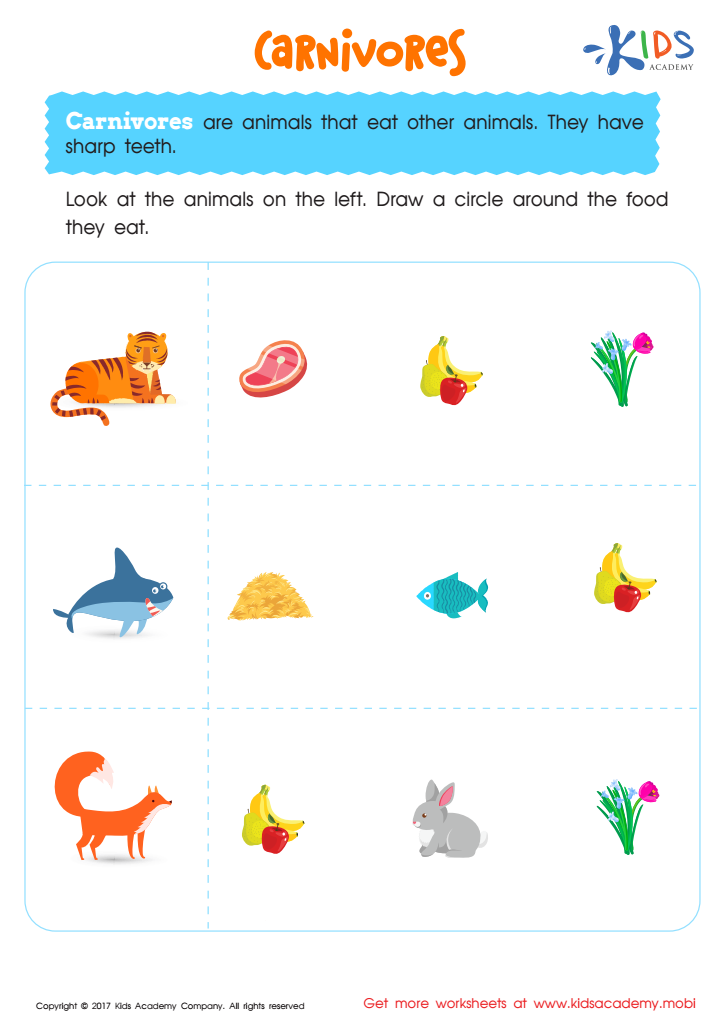
Carnivores Worksheet
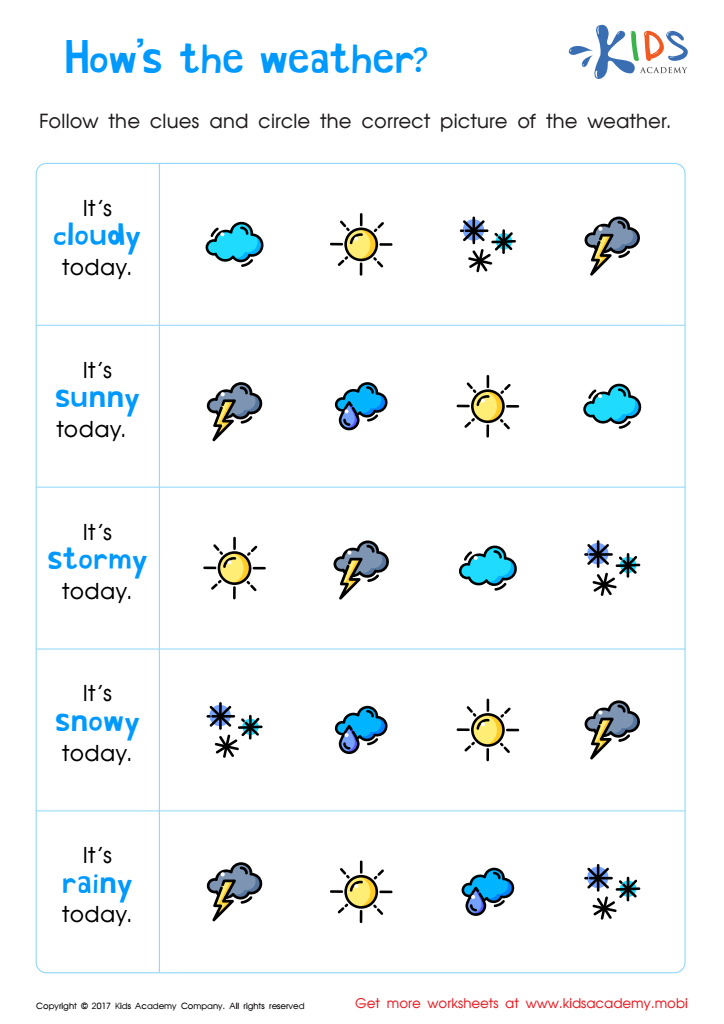
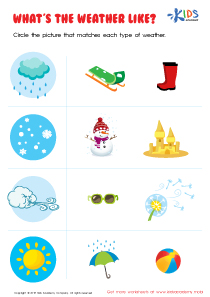
Hows the Weather Worksheet

Traditional Dance Printable

Arctic Animals Worksheet
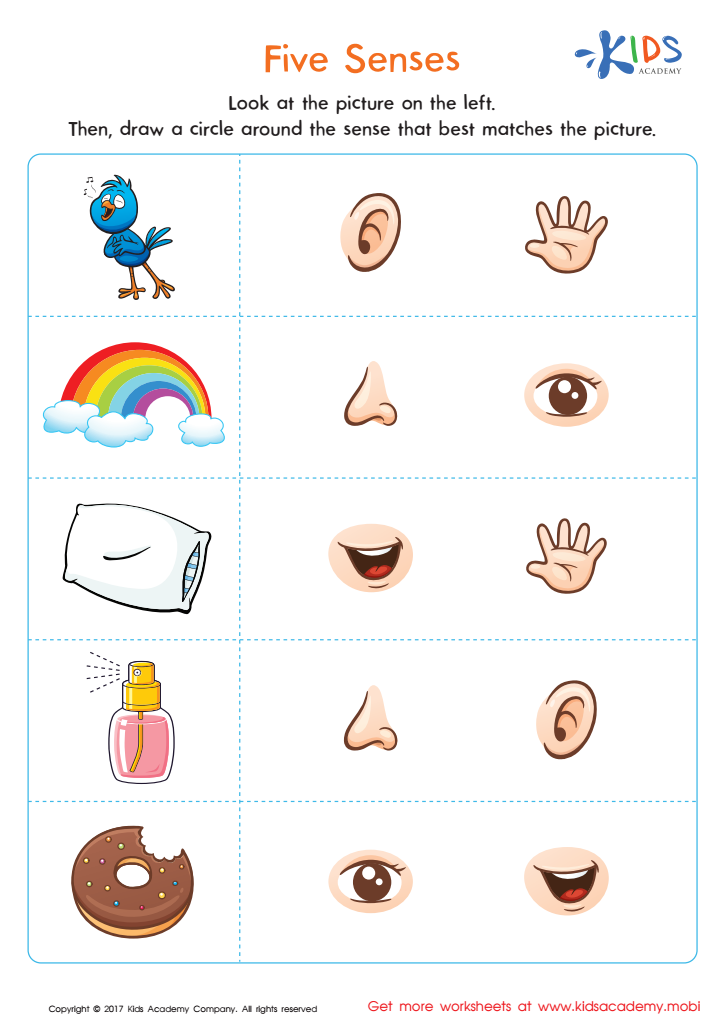
Five Senses Printable



.jpg)

.jpg)


Cognitive development is crucial for children's overall growth and learning, primarily as they interact with the world around them. Parents and teachers should care deeply about this aspect because it shapes a child's ability to think, learn, and problem-solve. A strong foundation in cognitive skills enables children to understand their environment, form relationships, and navigate challenges effectively.
At home and in school, caregivers influence cognitive development through language, play, and exploration. Engaging children in discussions, asking open-ended questions, and providing opportunities for imaginative play cultivates critical thinking. When children make sense of the world, they develop essential skills such as memory, attention, and reasoning—abilities necessary for academic success and daily life.
Additionally, being mindful of cognitive development helps recognize variances in individual learning paces. This awareness allows parents and teachers to provide tailored support when needed, ensuring no child is left behind.
Ultimately, when caregivers actively promote cognitive growth, they foster a generation of curious, capable, and resilient individuals equipped to contribute positively to society. By prioritizing cognitive development, we help children not just learn facts but understand and interact effectively with their ever-changing world.