Reading Non-Fiction Worksheets for Ages 3-6 - Page 3
50 filtered results
-
From - To
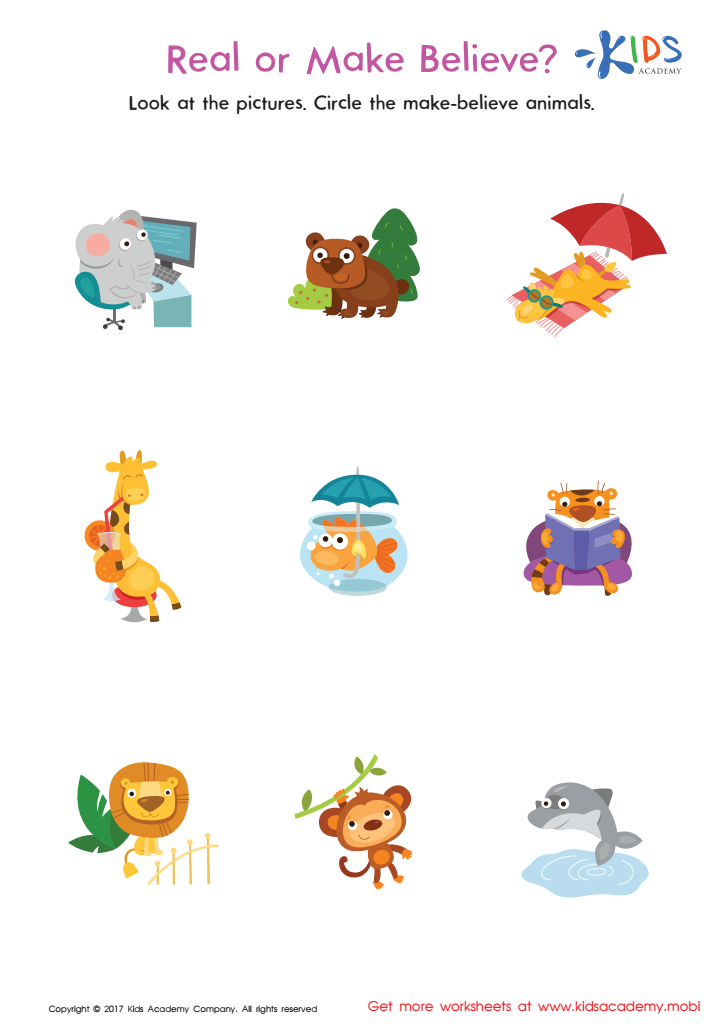
Fact or Make Believe Worksheet
 Assign to My Students
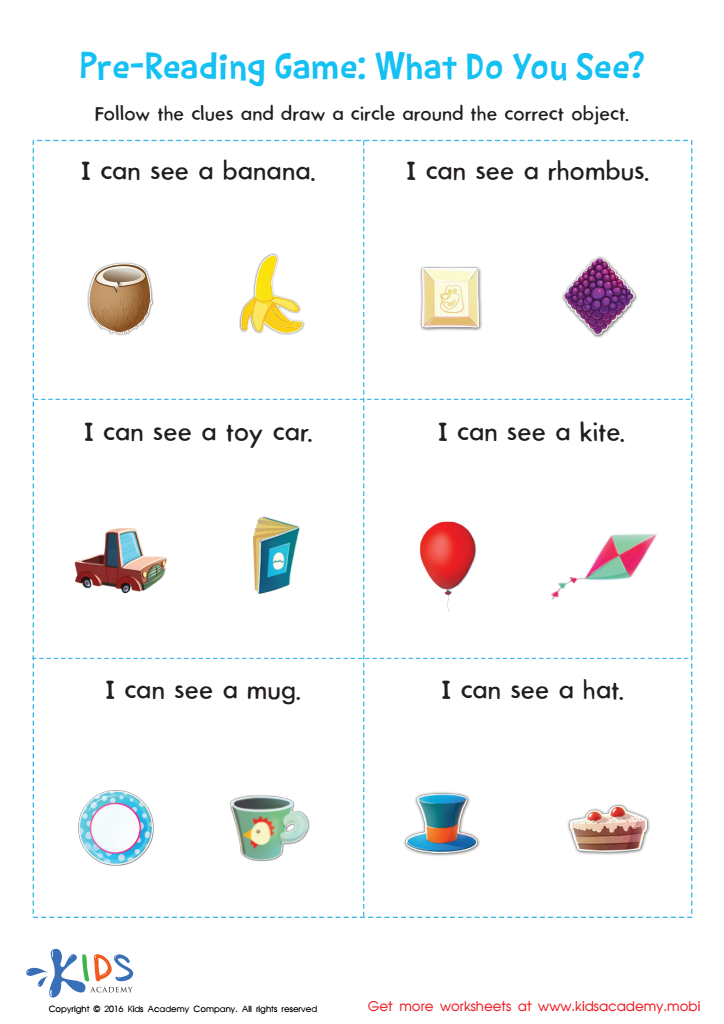
Pre–reading Worksheet: What Do You See?







Reading non-fiction to children aged 3-6 is crucial for several reasons. At this early developmental stage, children are naturally curious about the world around them, and non-fiction texts can satisfy this curiosity by providing factual information on topics such as animals, space, nature, and everyday life. Engaging with non-fiction helps children expand their vocabulary and comprehension skills, as they encounter new words and concepts that may not be present in fictional stories.
Furthermore, non-fiction reading nurtures critical thinking skills; it encourages children to ask questions and seek answers, fostering a sense of inquiry that can enhance learning. When parents or teachers introduce children to non-fiction, they also promote an understanding of real-world contexts, helping children to relate to their environment and develop a sense of awareness.
Additionally, reading non-fiction fosters a love for reading by introducing a diverse range of topics and formats, making reading enjoyable and informative. It equips children with essential background knowledge that will benefit them in subsequent learning experiences, laying a strong foundation for their educational journey. Encouraging non-fiction reading instills in young children the value of knowledge, curiosity, and a lifetime appreciation for learning.








