Categorization skills Worksheets for Ages 3-7 - Page 2
28 filtered results
-
From - To
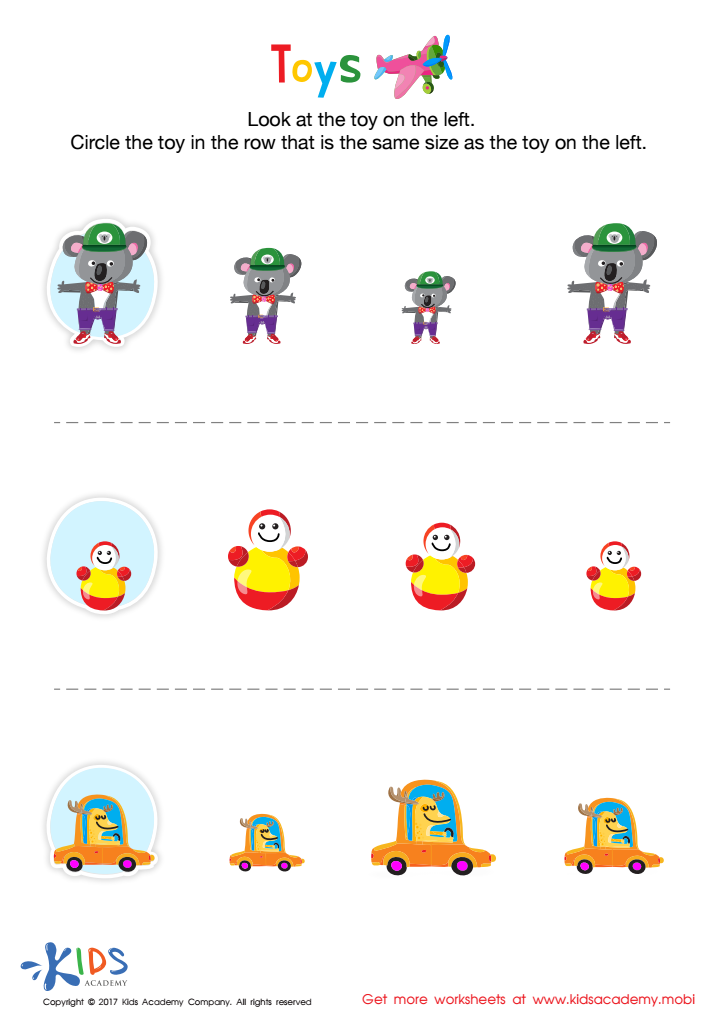
Matching: Classifying Toys by Size Worksheet
 Assign to My Students
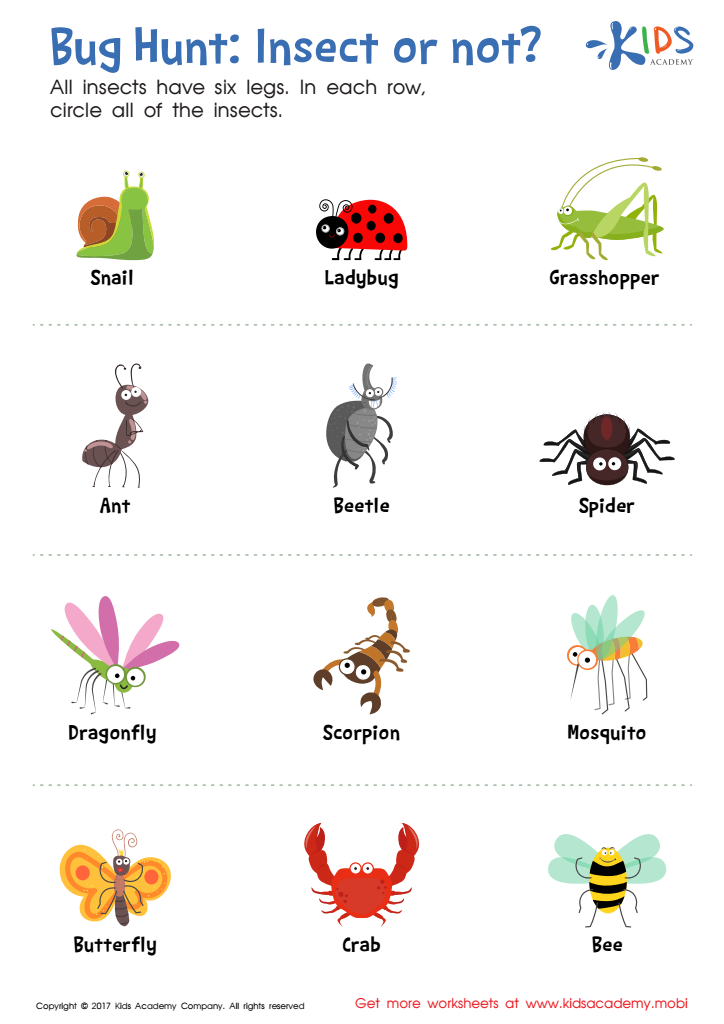
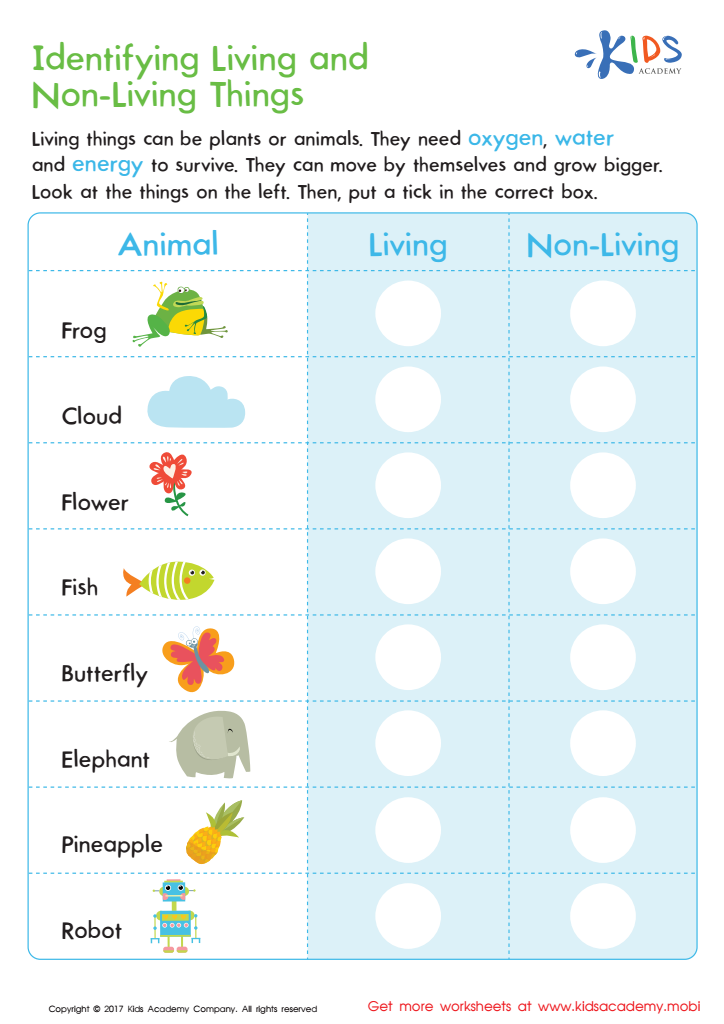
Identifying Living or Non–living Worksheet
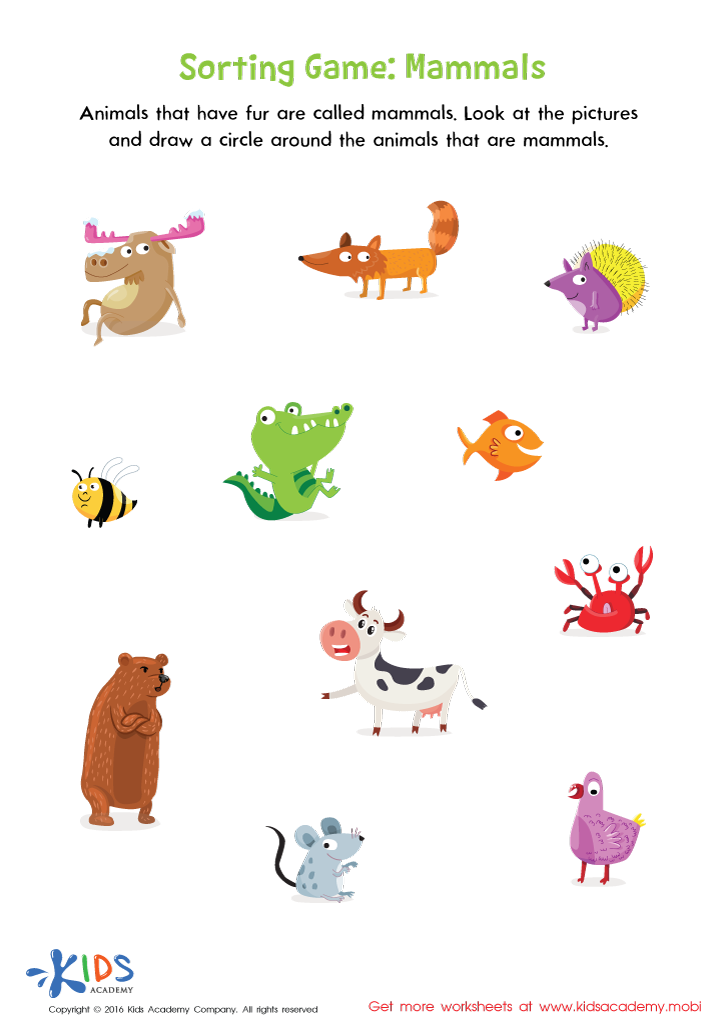
Mammals Sorting Worksheet


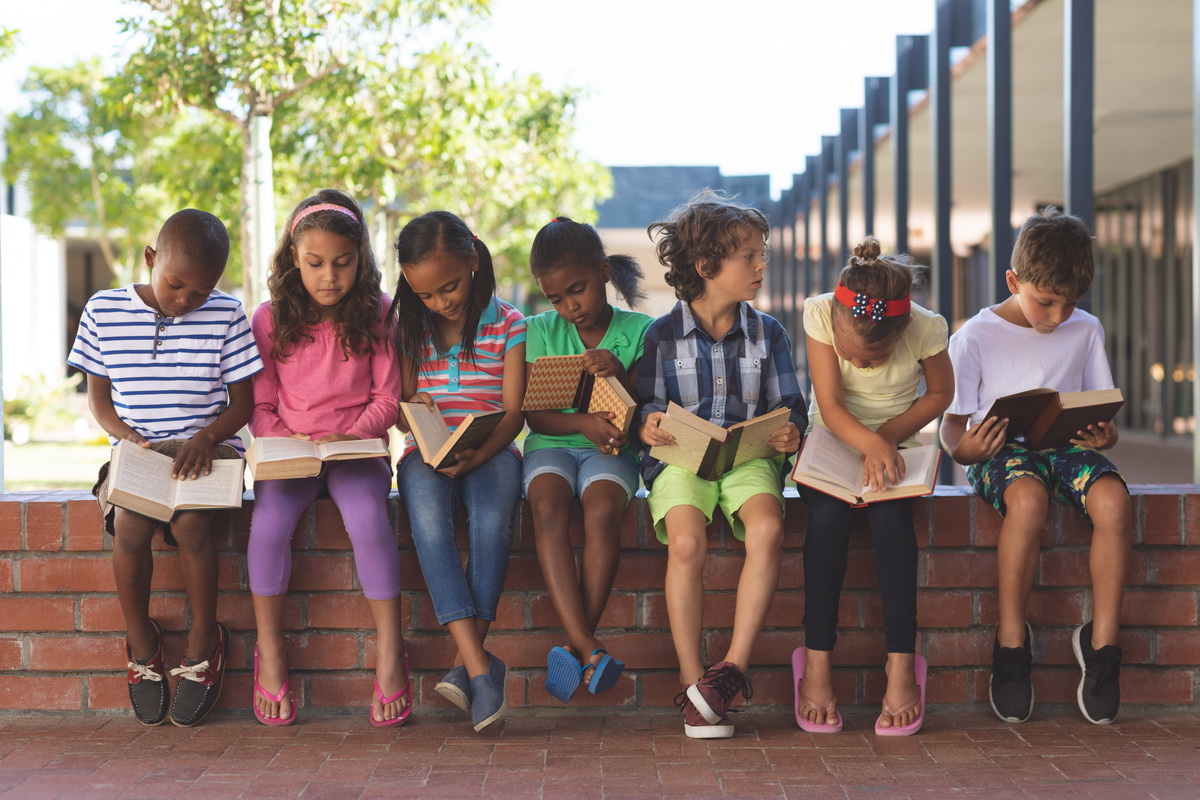



Categorization skills are essential cognitive abilities that enable children ages 3-7 to organize and process information effectively. At this developmental stage, children's brains are rapidly growing and establishing connections, and categorization helps them make sense of the world around them. By grouping objects, ideas, or experiences into categories, children can more easily recall and apply what they've learned. This foundational skill is fundamental for future academic success, particularly in subjects like mathematics, science, and literacy.
For parents and teachers, nurturing categorization skills can enhance children's problem-solving abilities and critical thinking. It improves their capacity to observe similarities and differences, enhances their sorting and classifying abilities, and builds their understanding of hierarchical relationships. For instance, a child who can group animals into categories like "farm animals," "pets," and "wild animals" will better grasp more complex concepts later.
Moreover, categorization enriches language development by expanding vocabulary and comprehension. When children learn to categorize, they also learn new words and concepts, enhancing their ability to articulate thoughts and ideas. It's a joyful way for small children to start performing creative applications with what might seem like natural inclinations to "find the same things."
Therefore, strengthening categorization skills through playing organized games, reading and discussing stories, or engaging in sorting activities helps build crucial cognitive foundations. These early investments immensely benefit kids' long-term intellectual and emotional growth.








