Reading Non-Fiction Worksheets for Ages 3-7 - Page 4
74 filtered results
-
From - To
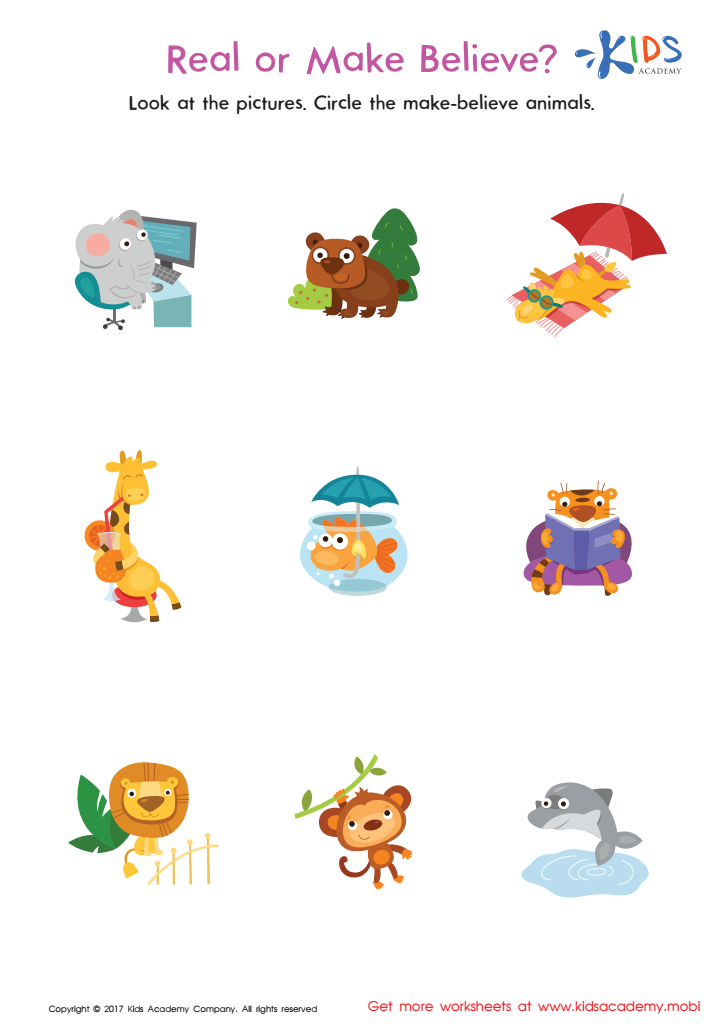
Fact or Make Believe Worksheet
 Assign to My Students
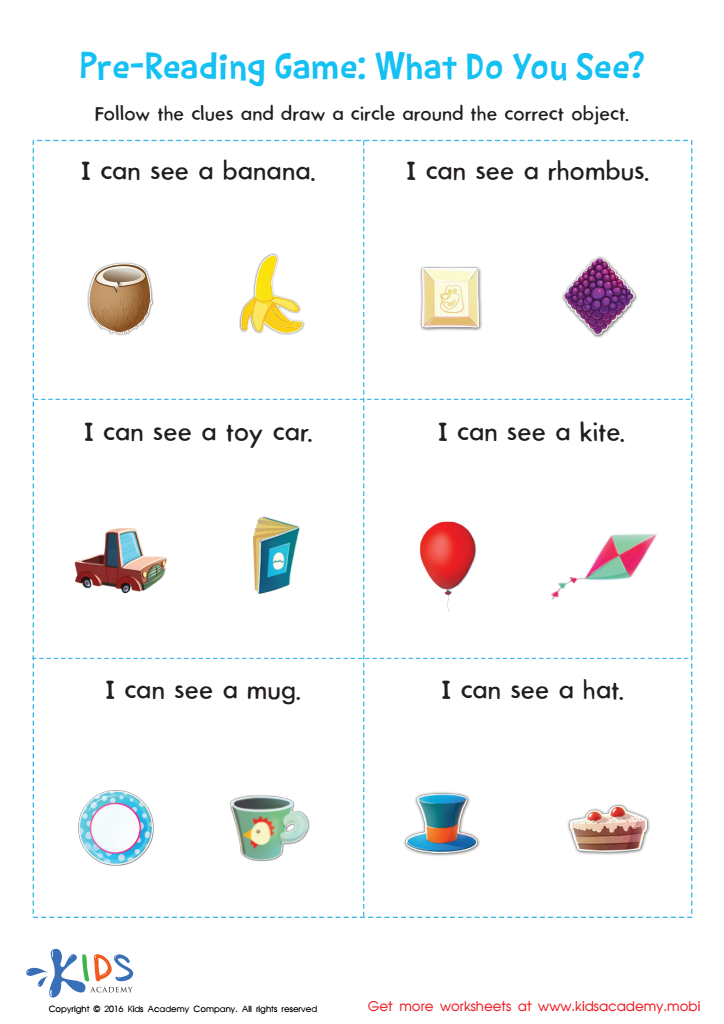
Pre–reading Worksheet: What Do You See?






Reading non-fiction to children aged 3-7 is vital for their cognitive and social development. At this early stage, children are naturally curious about the world around them. Non-fiction books satisfy this curiosity by introducing them to real-life concepts, facts, and ideas. This genre not only broadens their knowledge base but also enhances critical thinking skills as they begin to understand how information is presented and how it connects to their experiences.
Furthermore, non-fiction helps build essential vocabulary and language skills. As children encounter new words related to topics like animals, space, or nature, they develop a richer language repertoire that aids in both verbal and written communication. Non-fiction reading promotes comprehension skills as young readers learn to identify main ideas, supporting details, and facts.
For parents and teachers, incorporating non-fiction reading into a child's routine fosters a love for learning and instills a desire to explore more about the world. It can also spark interest in subjects that can lead to future educational pursuits. In nurturing well-rounded learners, we prepare children not just for academic success, but for informed and engaged citizenship, fostering a lifelong passion for discovery and knowledge.








