Visual perception Math Worksheets for Ages 4-5 - Page 2
34 filtered results
-
From - To
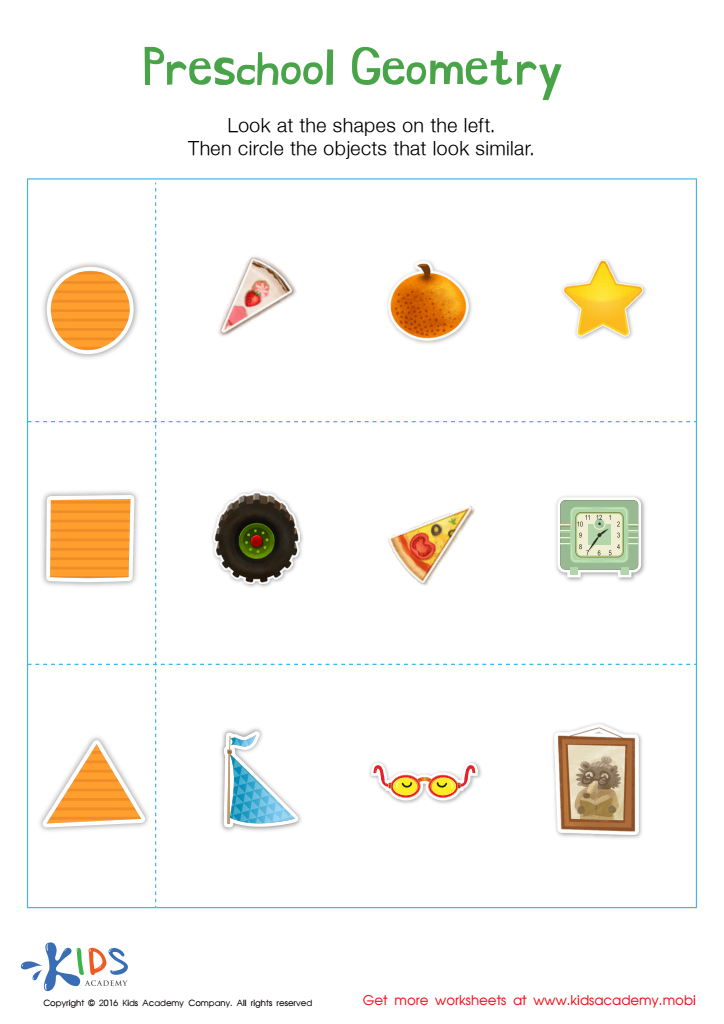
Preschool Geometry Match Up Worksheet
 Assign to My Students
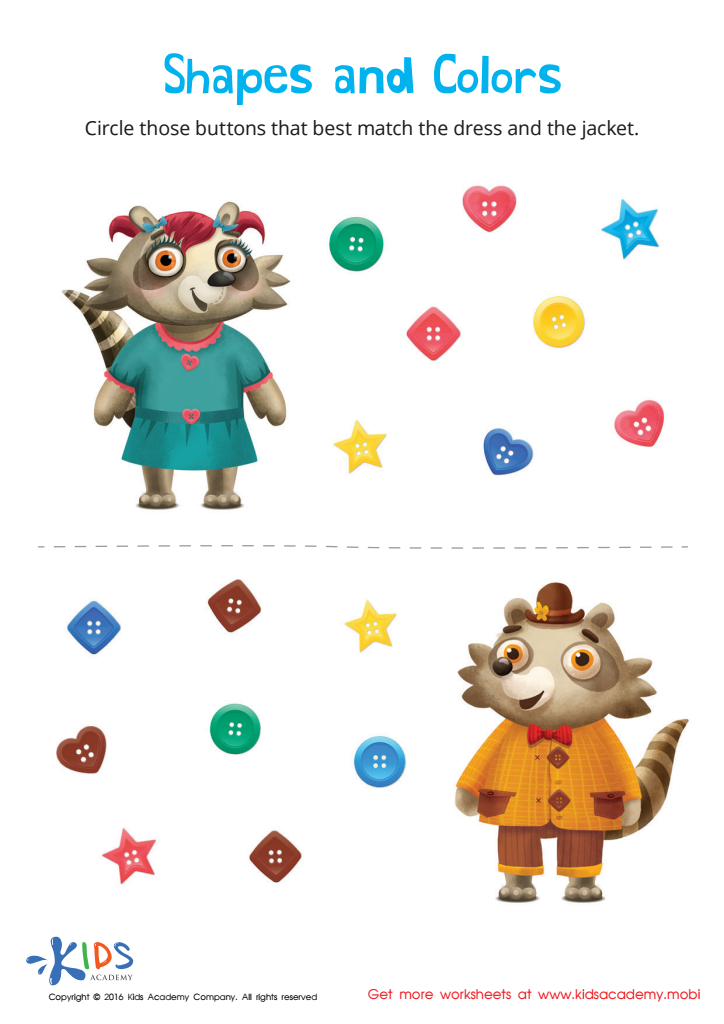
Matching: Shapes and Colors Worksheet
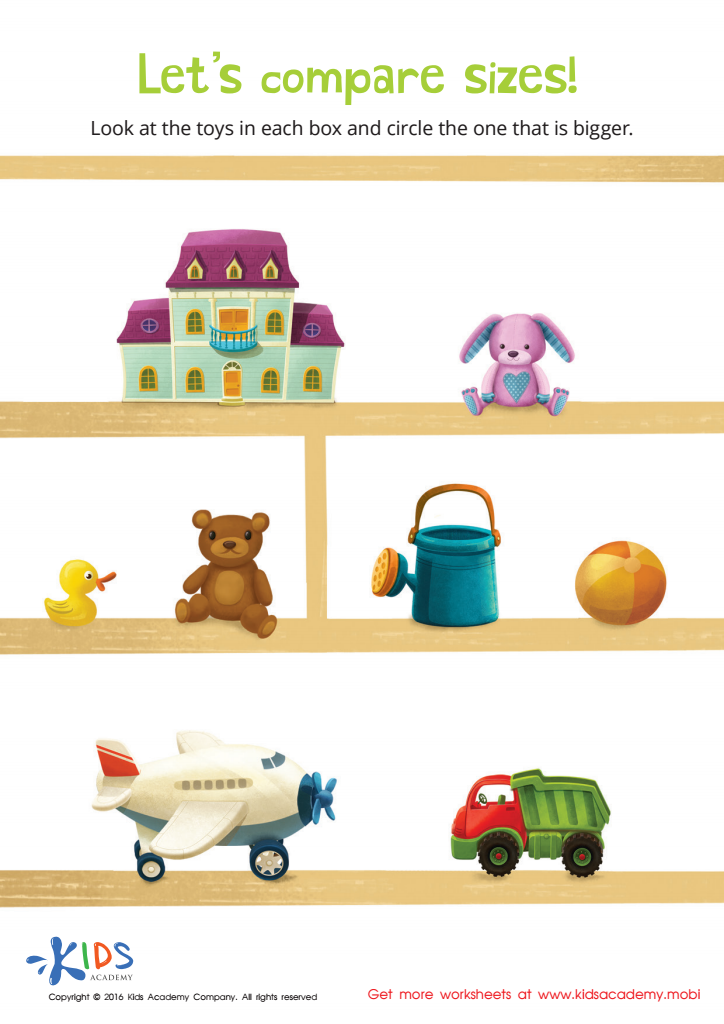
Classifying by Size Sorting Worksheet
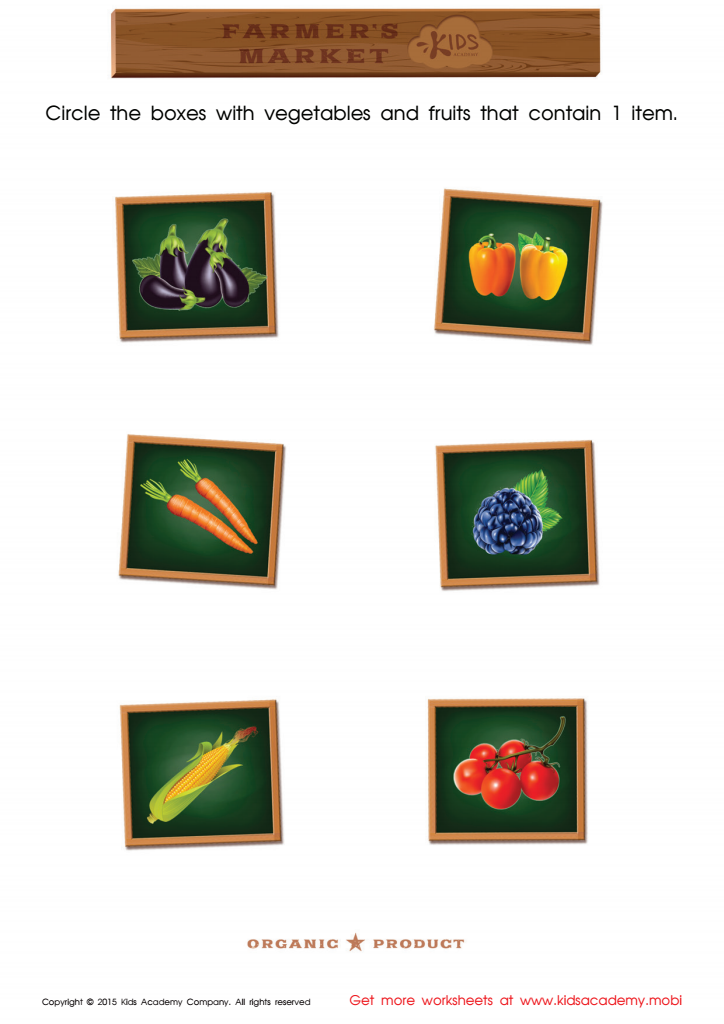
Count and Match Boxes with Vegetables
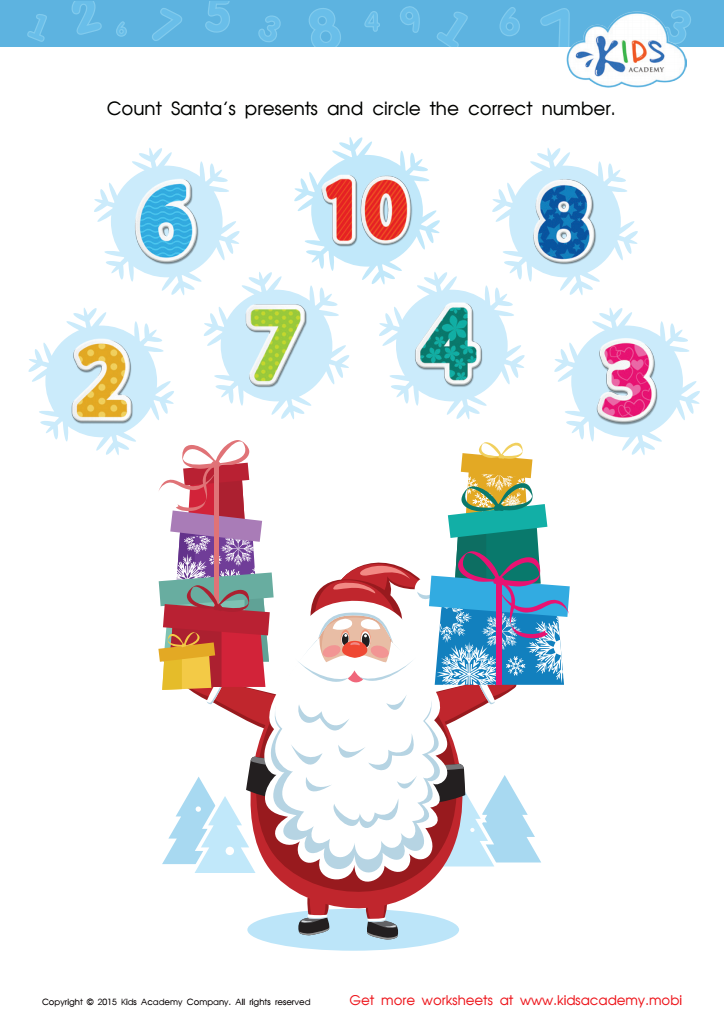
Count Santa's Presents Worksheet
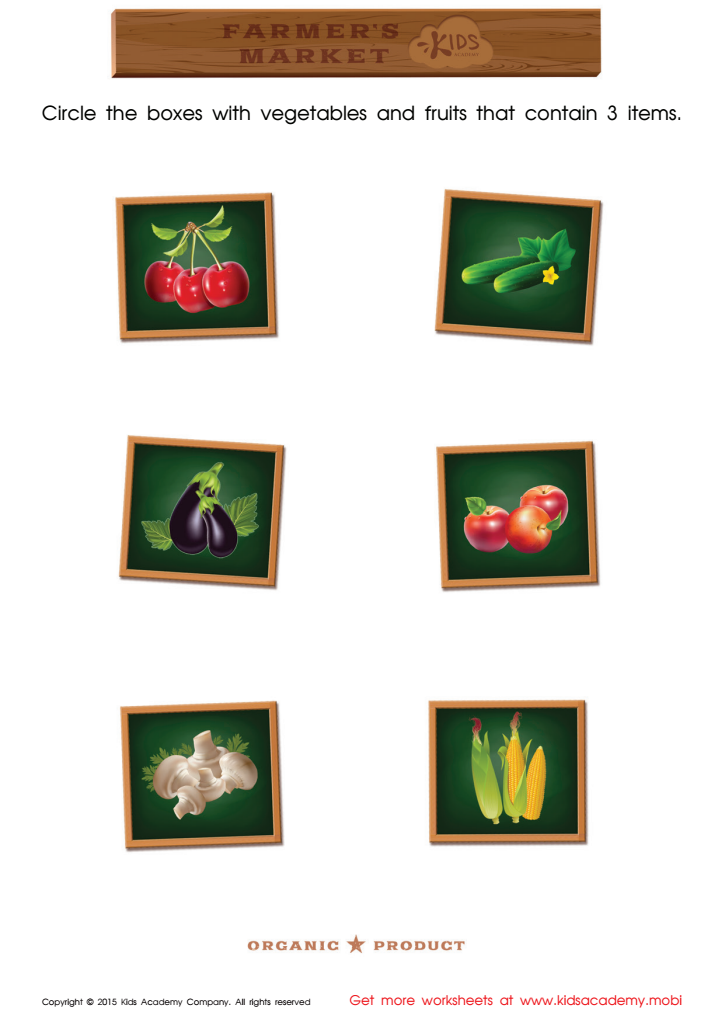
Count and Match Vegetables 1 – 5 Math Worksheet
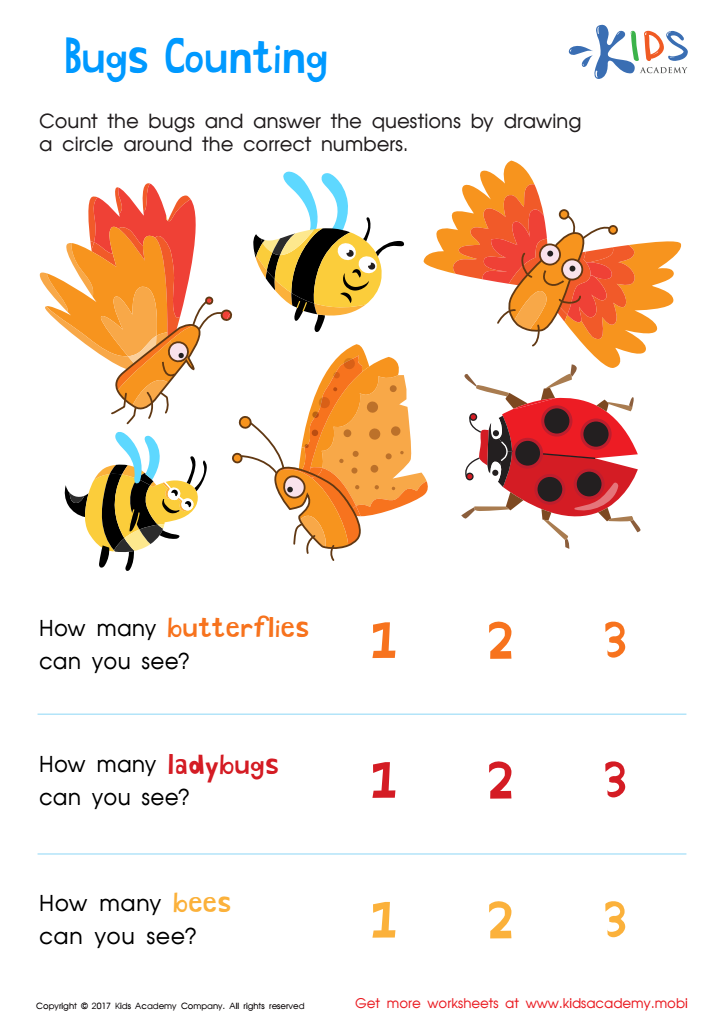
Bugs Counting Worksheet
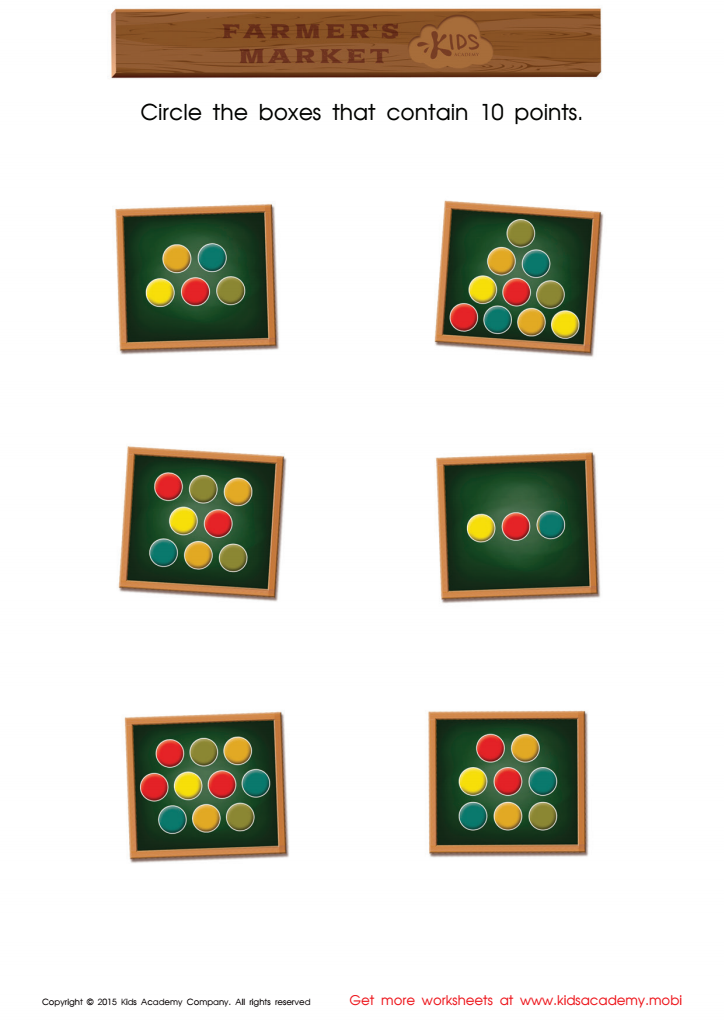
Count and Match Points 10 Math Worksheet
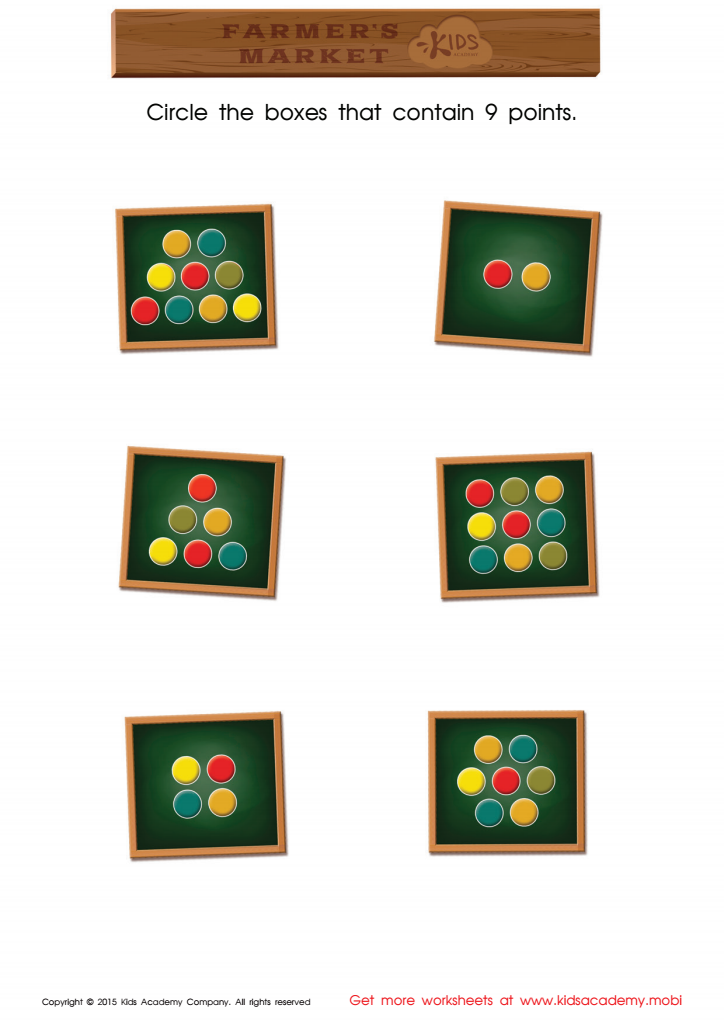
Count and Match Points 9 Math Worksheet
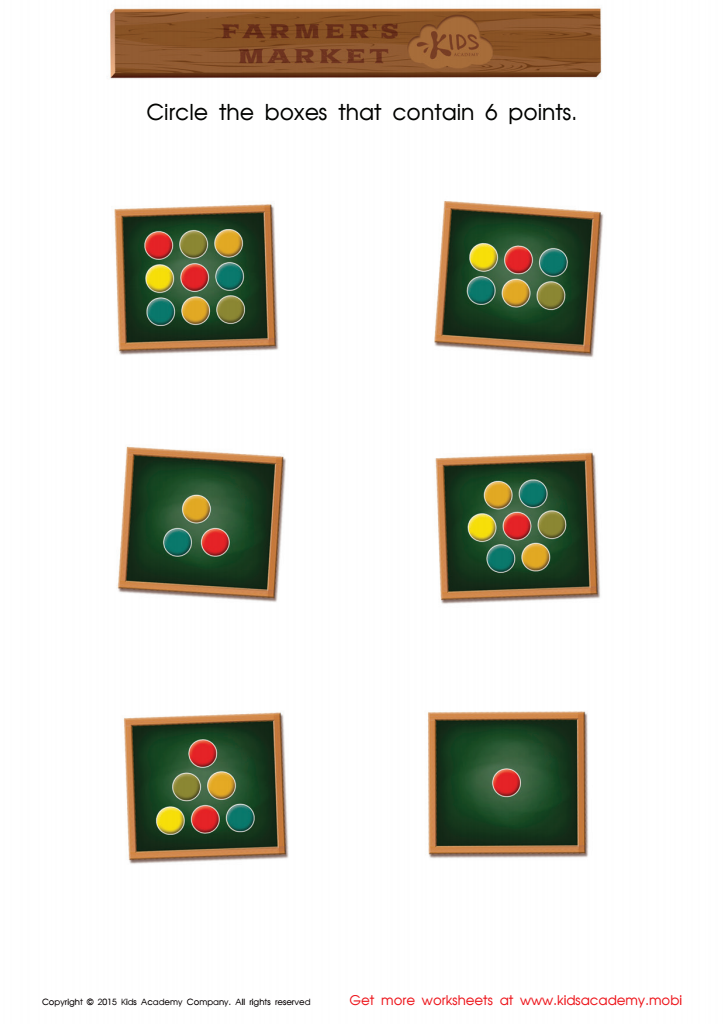
Count and Match Points 6 Math Worksheet






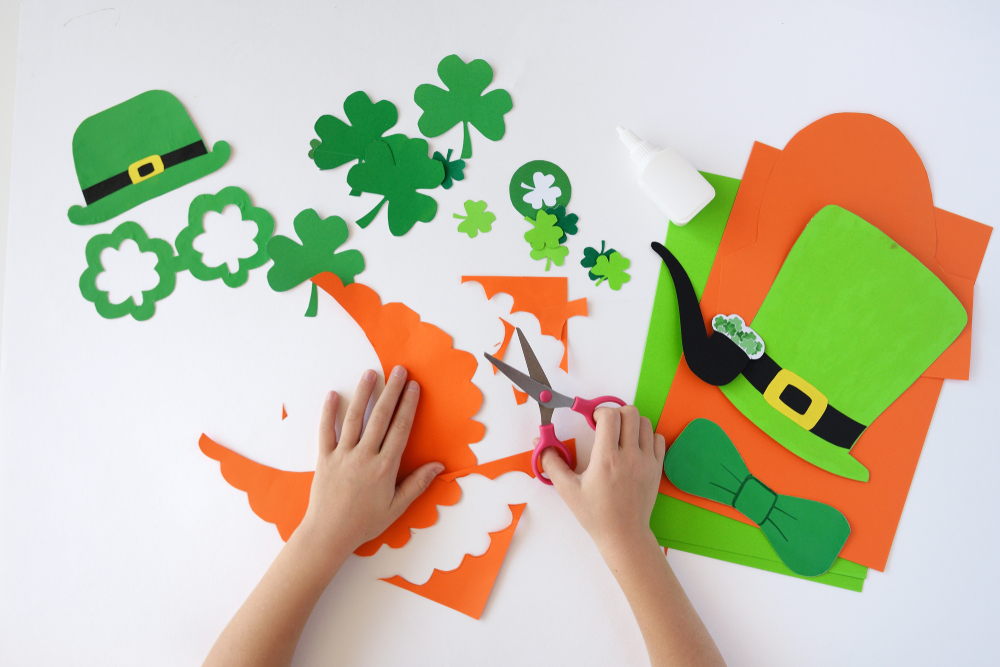
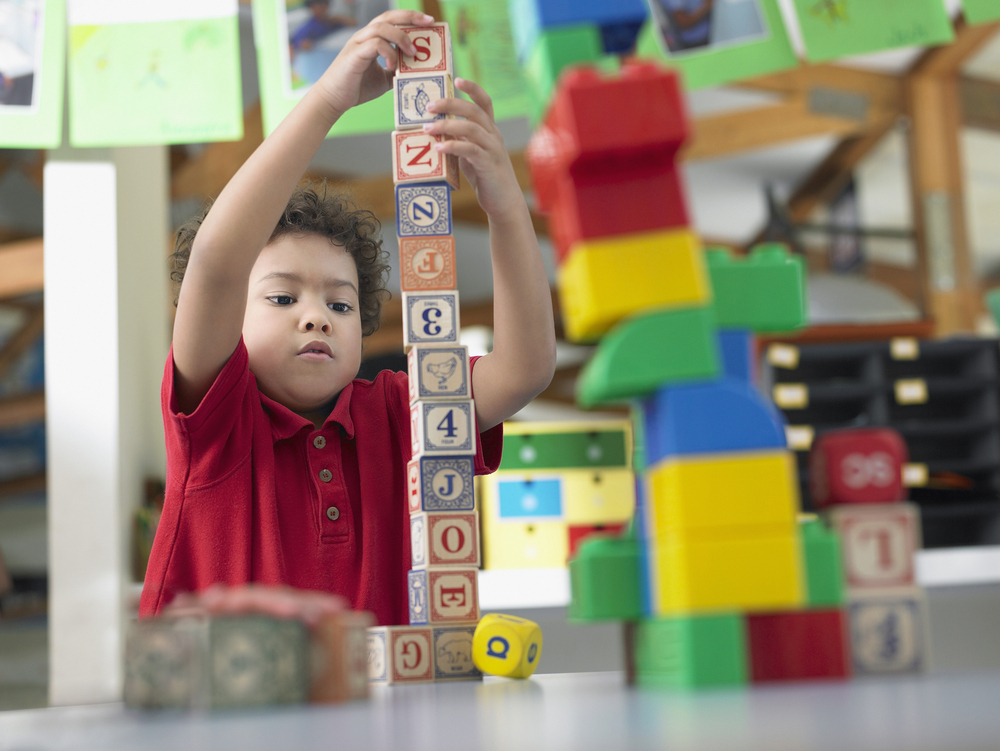
Visual perception skills in young children are foundational for learning, particularly in developing early mathematical understanding. For ages 4-5, these skills help children make sense of what they see, laying the groundwork for recognizing patterns, sorting objects, and visually distinguishing shapes and sizes. These abilities are critical when beginning to learn numbers and basic counting.
For parents and teachers, fostering strong visual perception skills means they are giving children the tools to better navigate and interpret the world around them. When children can visually process information accurately, they can more easily grasp basic math concepts such as quantity, comparison, and spatial relationships. For instance, being able to see and differentiate shapes helps young learners understand geometric concepts. Similarly, identifying visual patterns fosters an understanding of repetition, symmetry, and order, which are key in math.
Engaging children in activities that enhance visual perception, such as puzzles, matching games, and block building, not only strengthens these skills but also promotes critical thinking and problem-solving. As a result, children are better prepared for more complex mathematical tasks later on, turning what could be challenging concepts into manageable and even enjoyable learning experiences. Thus, emphasizing visual perception skills at an early age shows a commitment to developing a child's overall cognitive and academic foundations.








