Vocabulary enhancement Physical Science Worksheets for Ages 4-6
5 filtered results
-
From - To
Unlock your child's potential with our Vocabulary Enhancement Physical Science Worksheets, tailored for ages 4-6. These interactive, colorful worksheets make learning fundamental physical science concepts fun and engaging. Young learners will expand their vocabulary, exploring topics like weight, motion, energy, and more through hands-on activities and easy-to-understand exercises. Our worksheets are designed to promote critical thinking, creativity, and a love for science, while aligning with early educational standards. Perfect for parents and teachers seeking to give their kids a head start in science literacy essential for their formative years. Dive into discovery today!
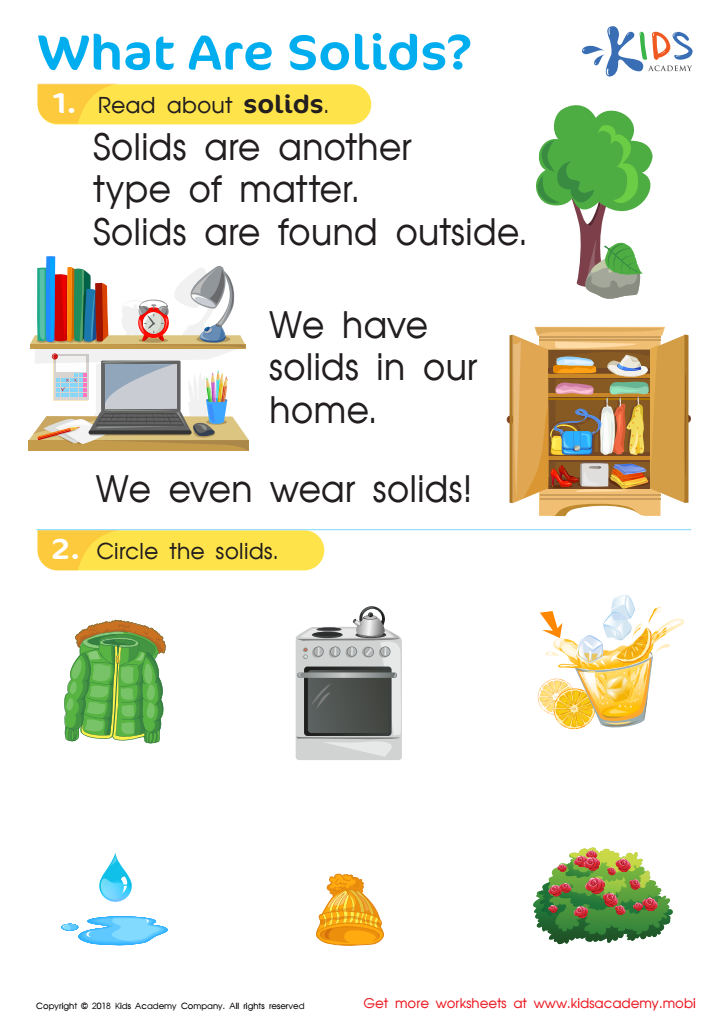
What Are Solids? Worksheet
 Assign to My Students
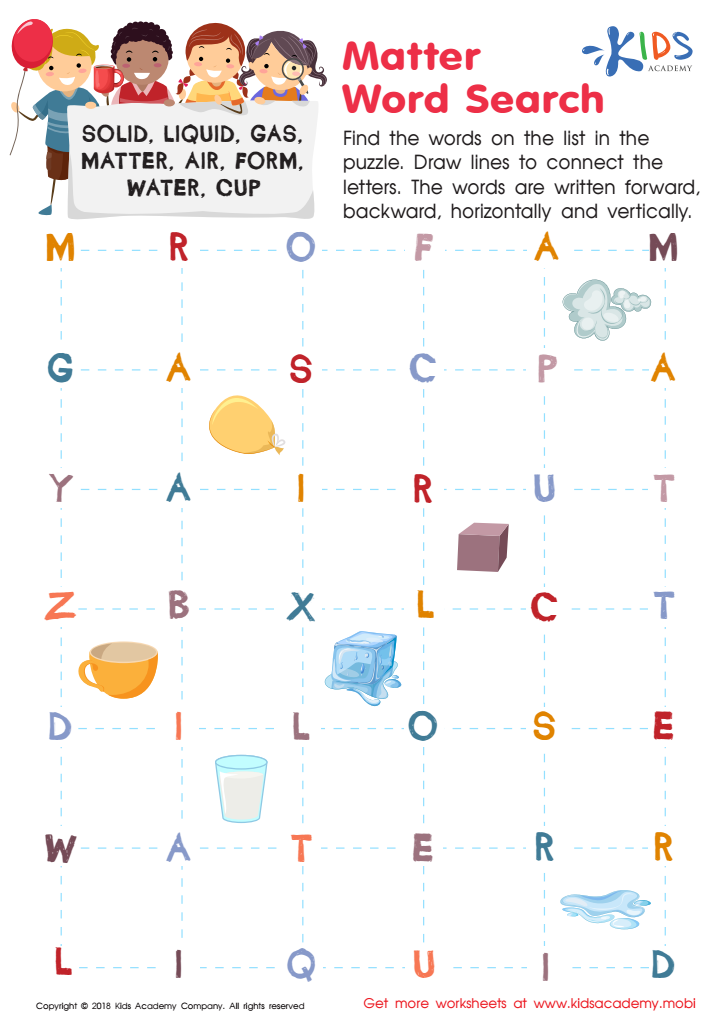
Matter Word Search Worksheet
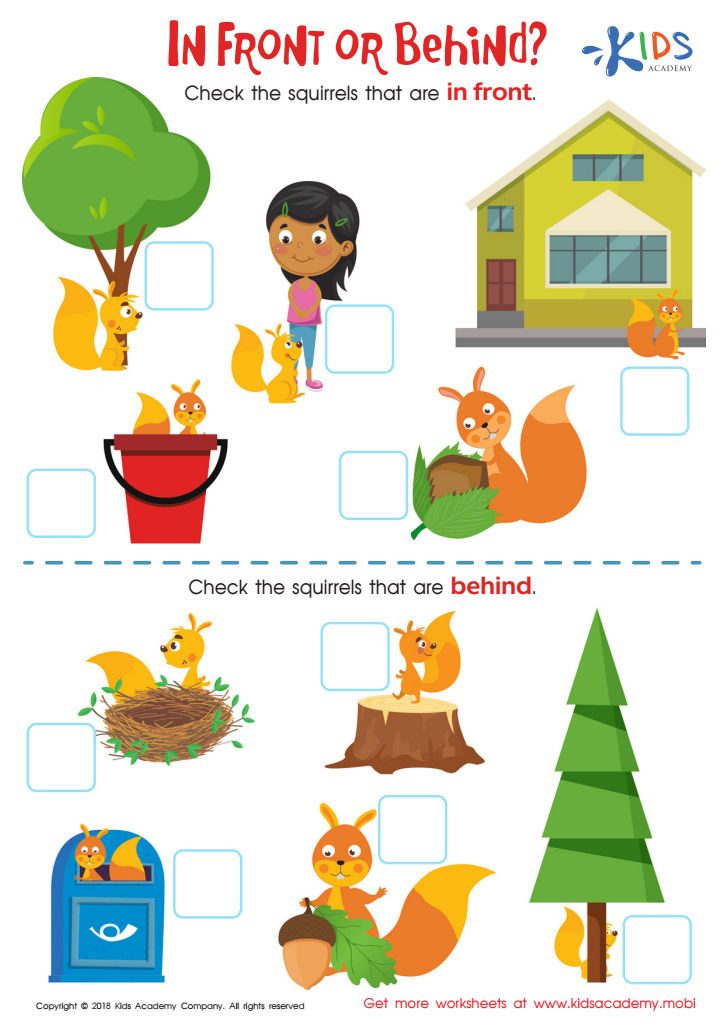
In Front or Behind: Part 2 Worksheet
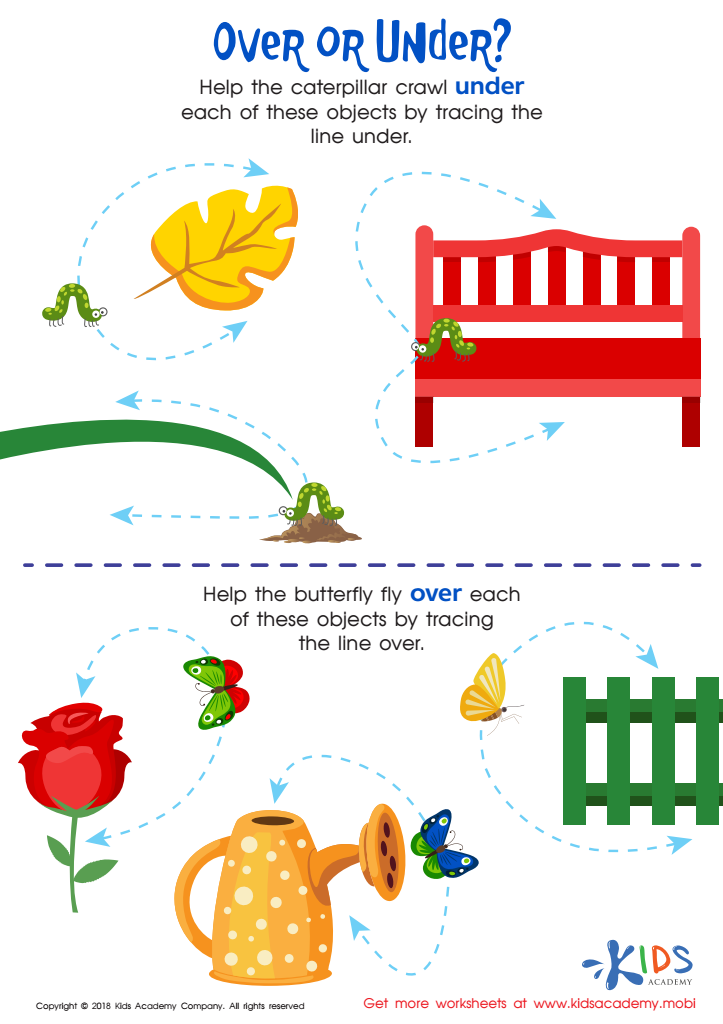
Over or Under? Worksheet
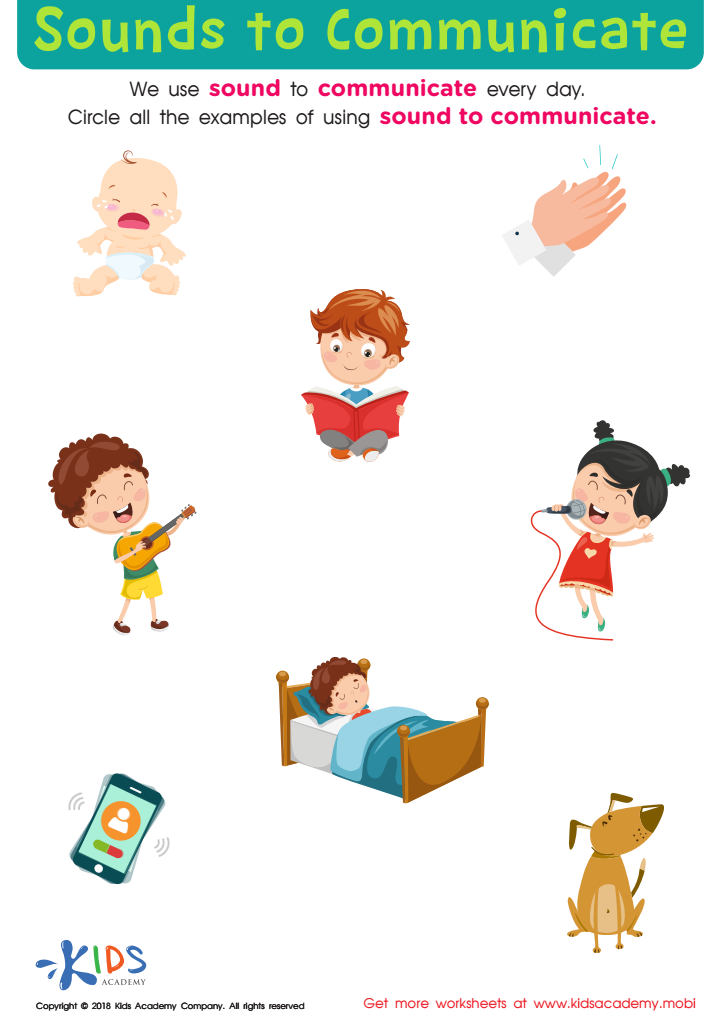
Sounds to Communicate Worksheet








Vocabulary enhancement in physical science for children aged 4-6 is crucial for several key reasons. At this developmental stage, their brains are highly receptive to new information, and building a rich vocabulary equips them with the tools to explore and understand the world around them. Introducing physical science terms allows young learners to describe observations, formulate questions, and engage in discussions, thereby fostering a deeper curiosity about natural phenomena.
Moreover, vocabulary enhancement supports cognitive development. When children learn specific terminology for scientific concepts, they begin to categorize and organize their thoughts more effectively. For example, understanding words like "sink," "float," "solid," and "liquid" helps them make sense of everyday experiences and experiments involving different materials. This creates a foundation for critical thinking and problem-solving skills that are essential for future learning.
Additionally, early exposure to science vocabulary helps close educational gaps. Children from varied backgrounds may have different levels of exposure to scientific language at home. Schools and childcare providers can help level the playing field by providing consistent and rich science vocabulary instruction. Ultimately, nurturing a robust vocabulary in physical science can fuel a lifelong passion for learning and discovery, providing children with the confidence to pursue more complex scientific inquiries as they grow.







