Reading Non-Fiction Worksheets for Ages 4-7 - Page 4
74 filtered results
-
From - To
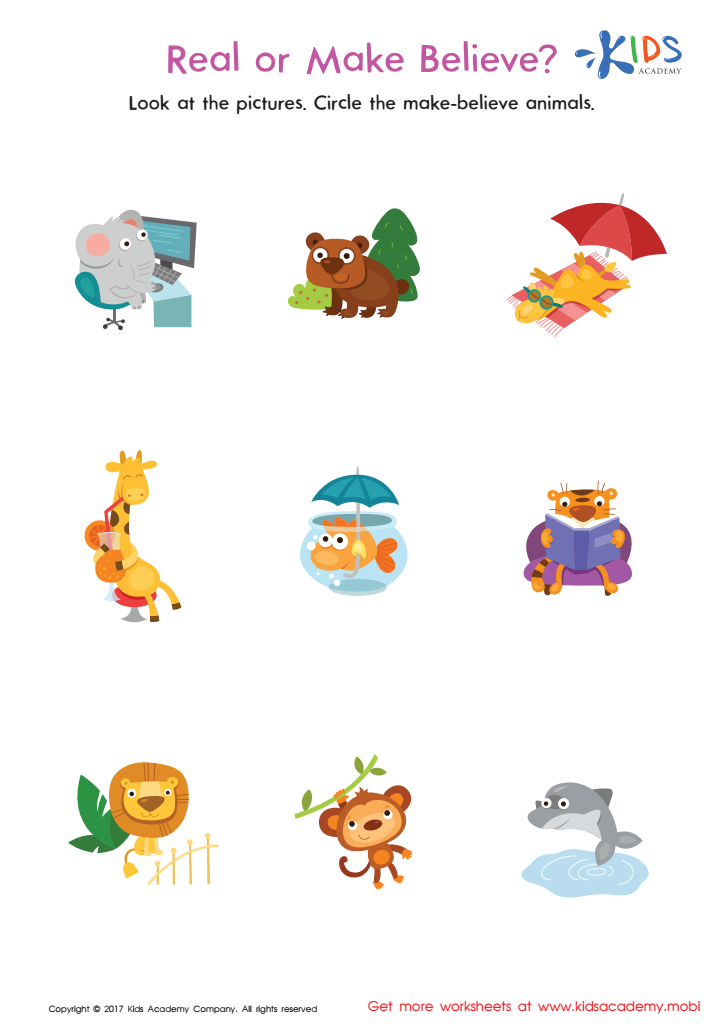
Fact or Make Believe Worksheet
 Assign to My Students
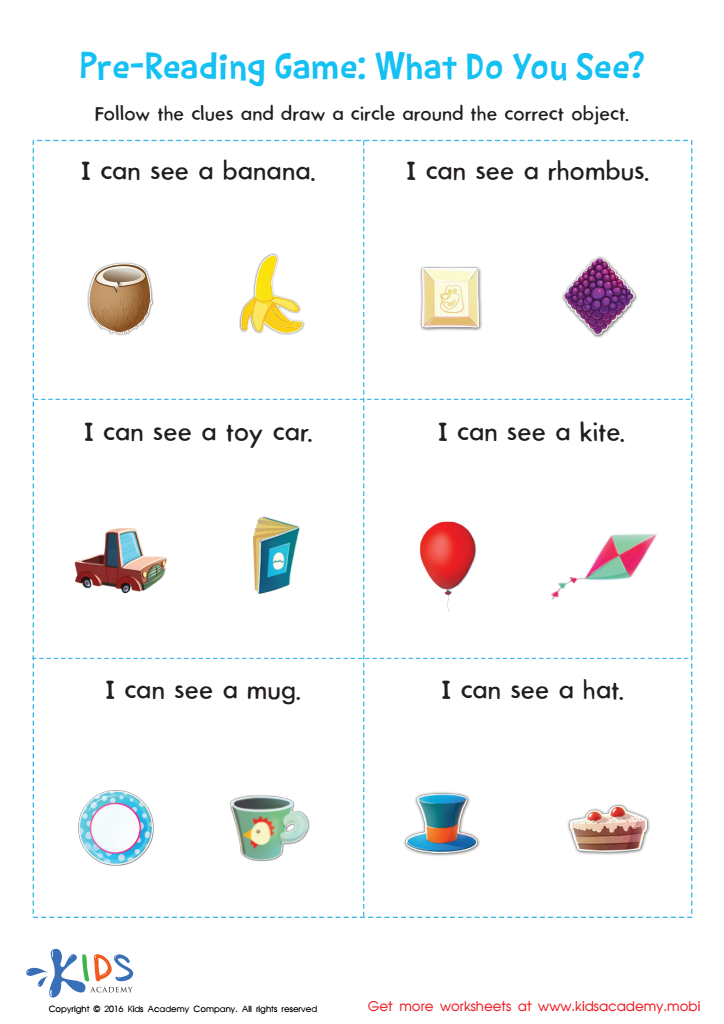
Pre–reading Worksheet: What Do You See?







Reading non-fiction material is crucial for children aged 4-7 because it provides a broad foundation for their educational and personal development. During these formative years, children are naturally curious and eager to learn about the world around them. Non-fiction books introduce them to real-life concepts, places, animals, and phenomena, fostering a sense of exploration and discovery that is pivotal for intellectual growth. This genre helps expand their vocabulary by exposing them to subject-specific terms and complex sentence structures that are often not found in fictional stories.
Moreover, non-fiction reading aids in developing critical thinking and comprehension skills. Children learn to differentiate between fact and fiction, recognize cause-and-effect relationships, and critically analyze information. For instance, reading a book about weather can help them understand changes in their environment and cultivate a scientific mindset. Parents and teachers can reinforce this learning by discussing the content and asking questions, thus promoting better comprehension and retention.
Additionally, an early introduction to non-fiction can spark interests that may evolve into lifelong passions, be it in science, history, or nature. Encouraging non-fiction reading helps children become informed, versatile, and inquisitive individuals. In today's information-rich world, such skills and knowledge are indispensable. Consequently, parents and teachers should prioritize exposing children to a balanced reading diet that includes ample non-fiction material.








