Vowels and Consonants Worksheets for Ages 4-8 - Page 2
29 filtered results
-
From - To
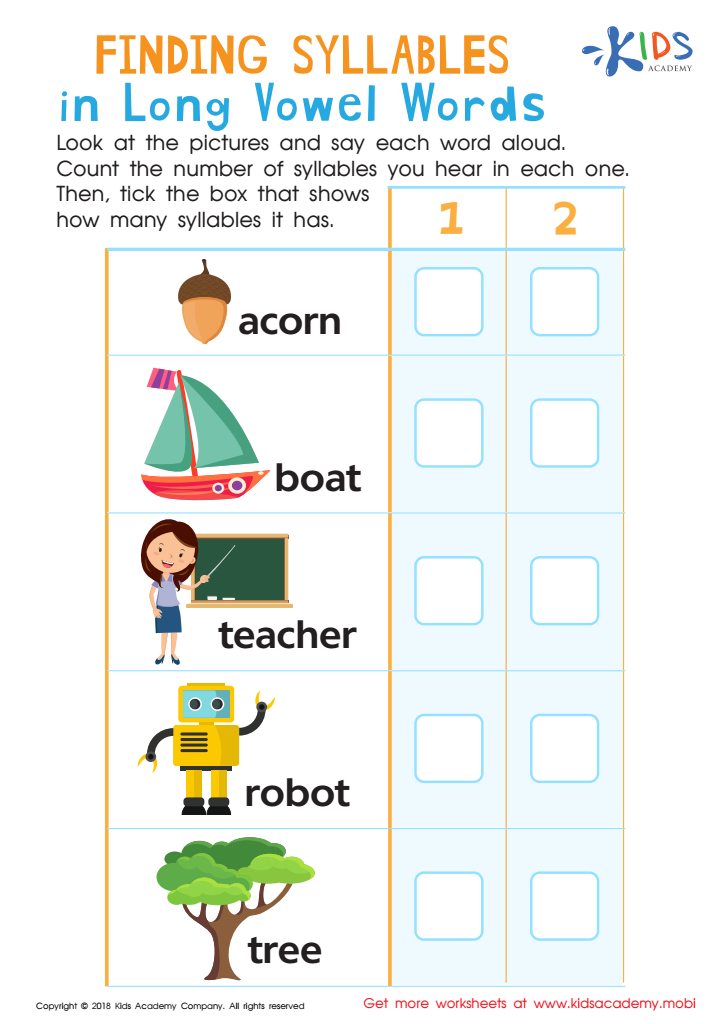
Finding Syllables in Long Vowel Words Worksheet
 Assign to My Students
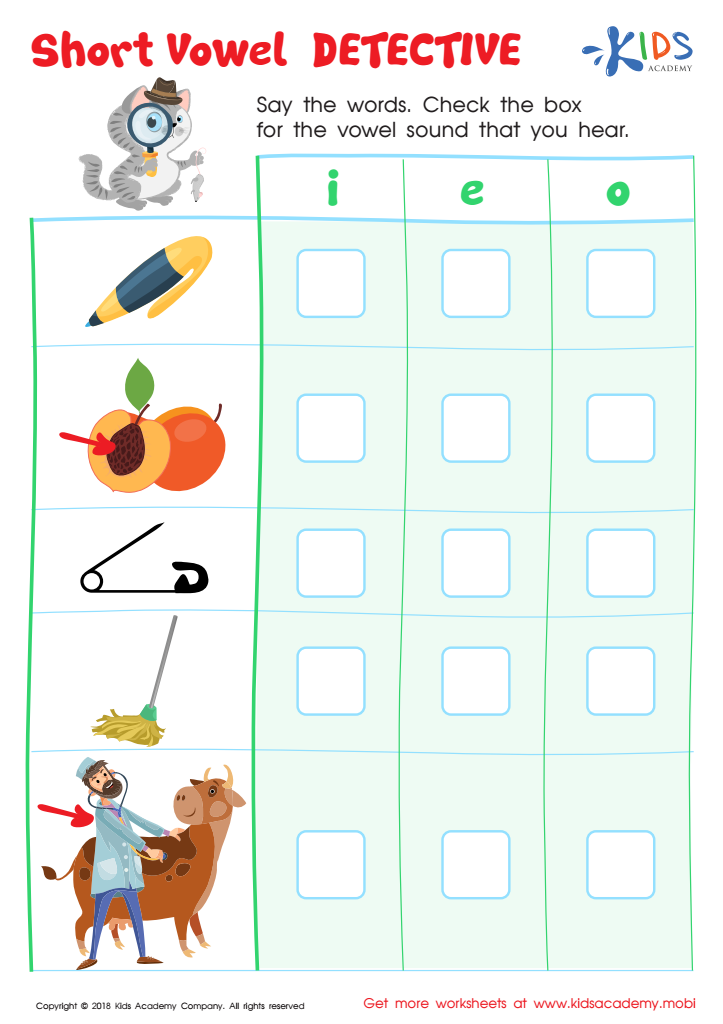
Short Vowel Detective Worksheet
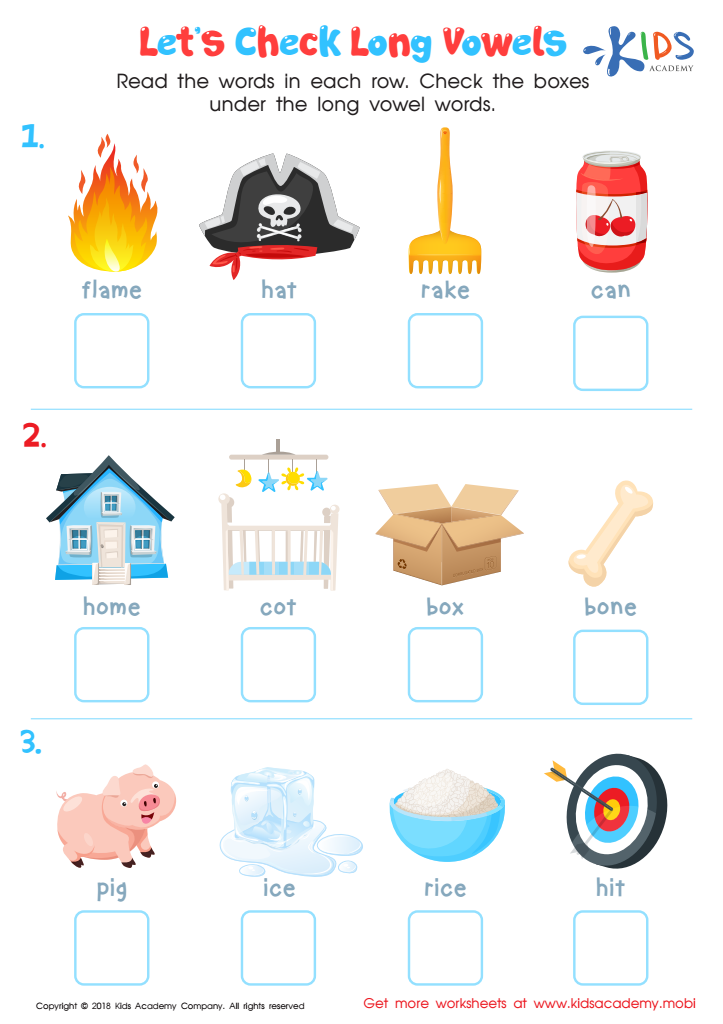
Let's Check Long Vowels: Assessment Worksheet
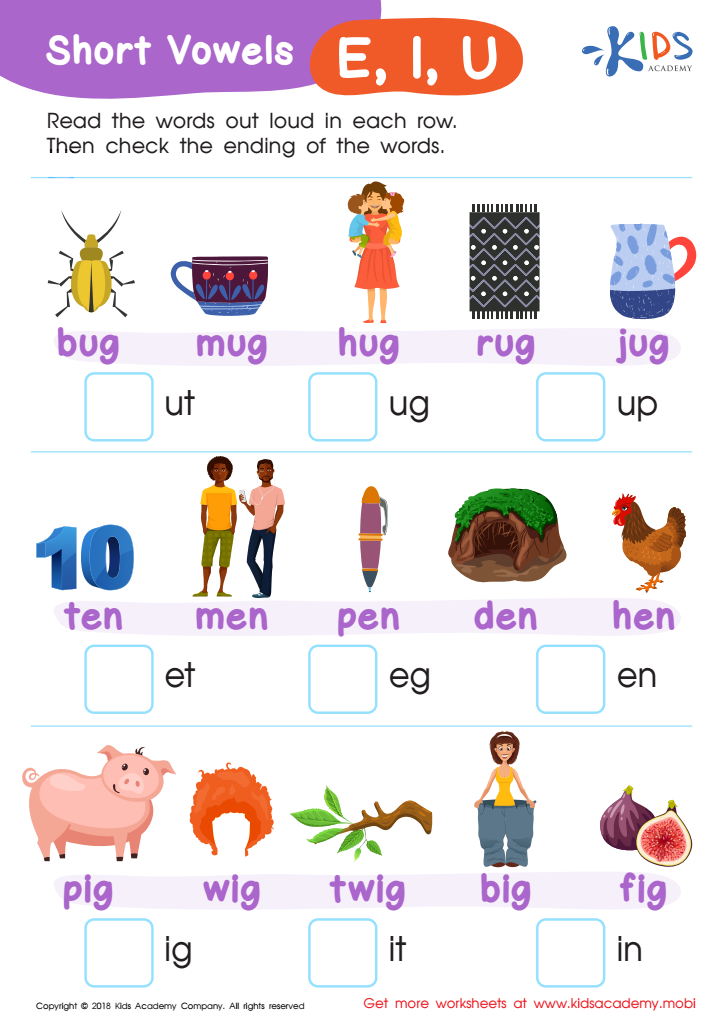
Short Vowels /e/, /i/, and /u/ Worksheet
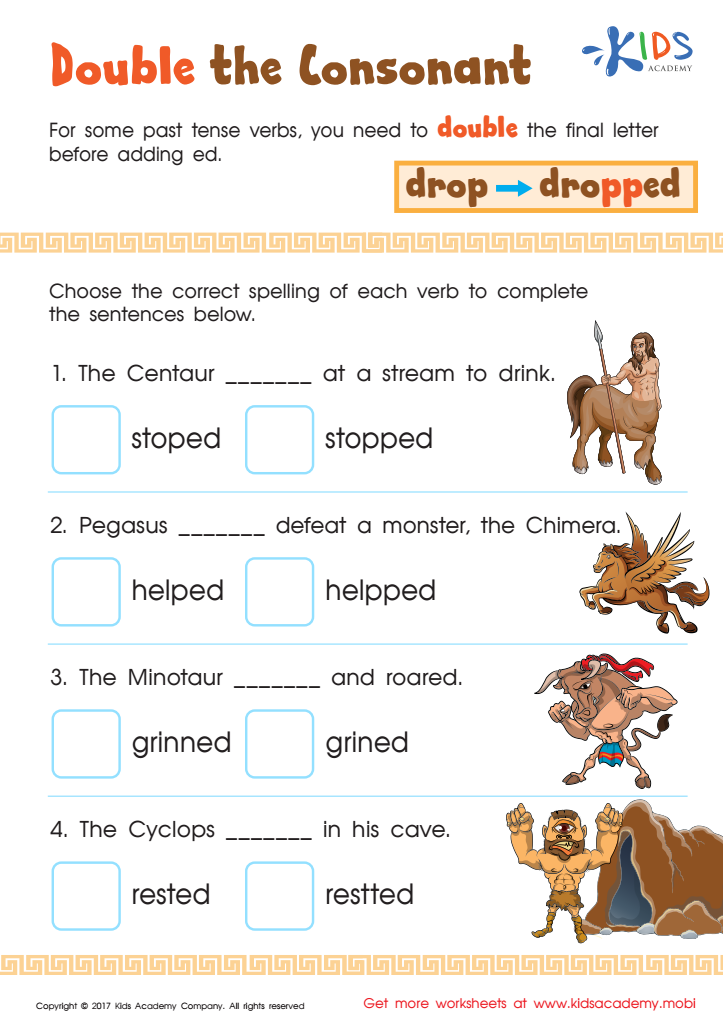
Double Consonant Spelling Worksheet



Understanding vowels and consonants is fundamental to early literacy development for children aged 4-8. Vowels (A, E, I, O, U) and consonants make up the building blocks of language, and recognizing their roles is crucial in helping young children learn to read and write. Parents and teachers should care about these concepts because they lay the groundwork for essential phonetic skills.
When children grasp the differences between vowels and consonants, they can better understand phonics, which enables them to decode words. Phonics instruction facilitates gradual reading development, as it helps in blending sounds to form recognizable words. This acoustic foundation is critical in elevating a child’s literacy skills, thus fostering confidence in their reading abilities.
Moreover, early engagement with vowels and consonants supports vocabulary expansion. It allows for more effective language acquisition through spelling, pronunciation, and comprehension activities.
Lastly, activities centered around vowels and consonants can be fun and interactive, promoting a love for language among young learners. By supporting their understanding of these concepts, parents and teachers can significantly enhance their educational experience and prepare them for a lifelong journey of learning.







