Reading Non-Fiction Worksheets for Ages 4-9 - Page 3
97 filtered results
-
From - To
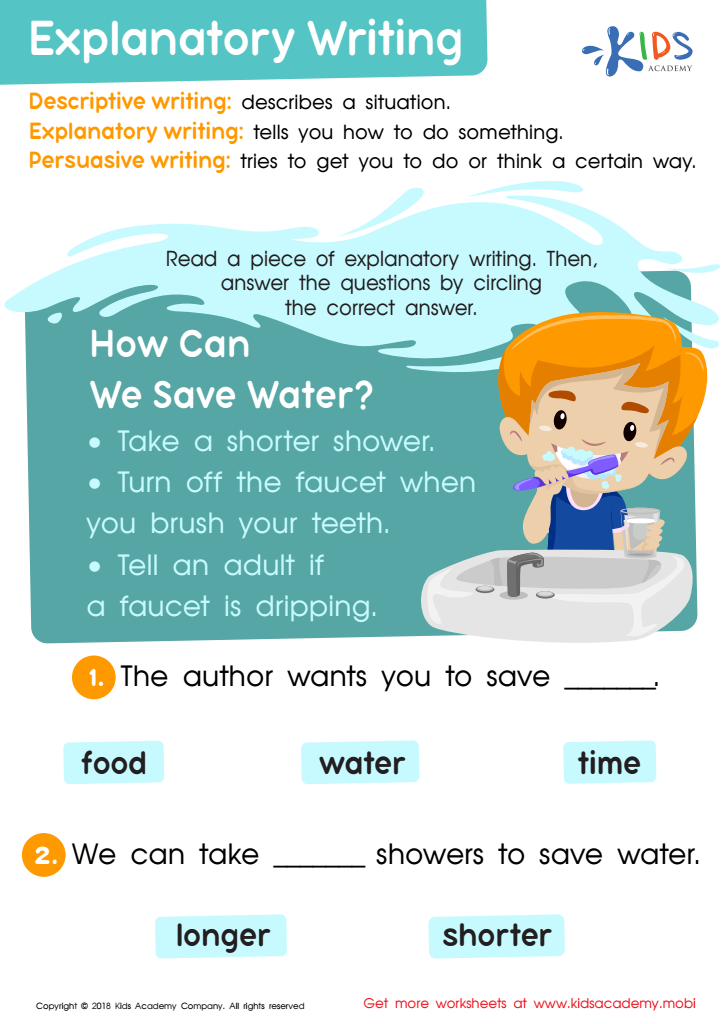
Explanatory Writing Worksheet
 Assign to My Students
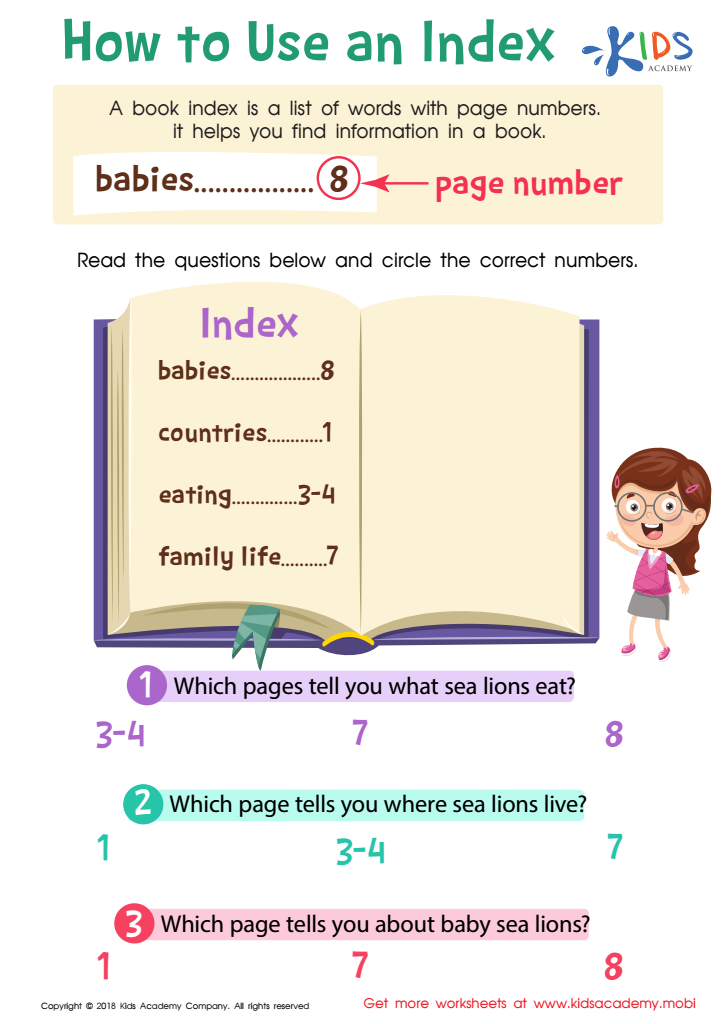
How Use Index Worksheet
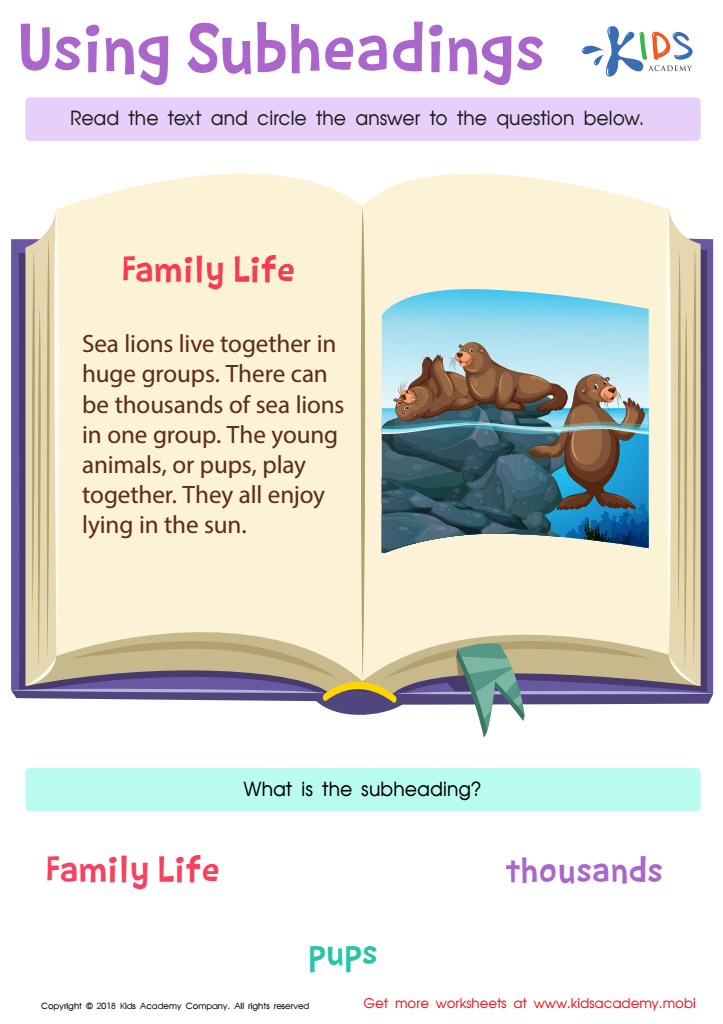
Using Subheadings Worksheet
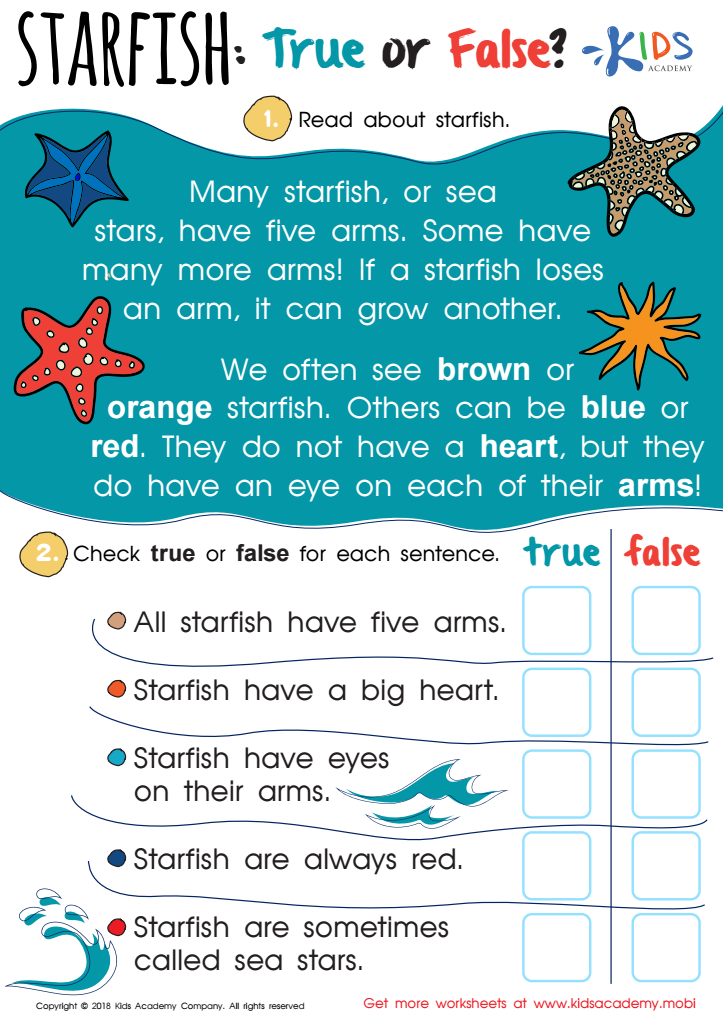
Starfish: True or False Worksheet
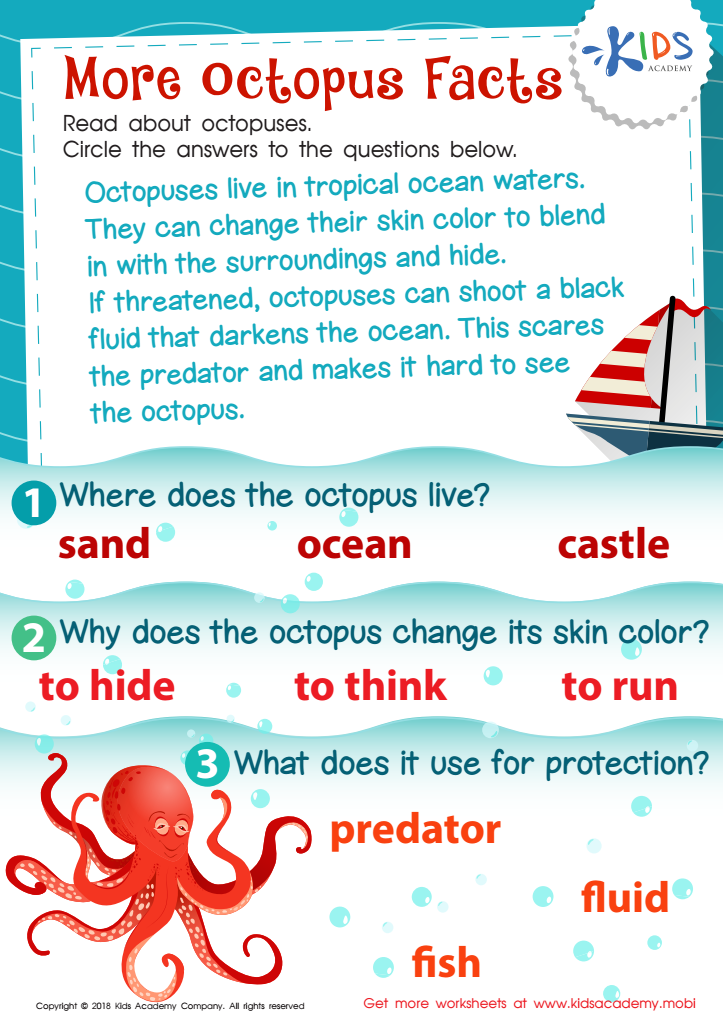
More Octopus Facts Worksheet
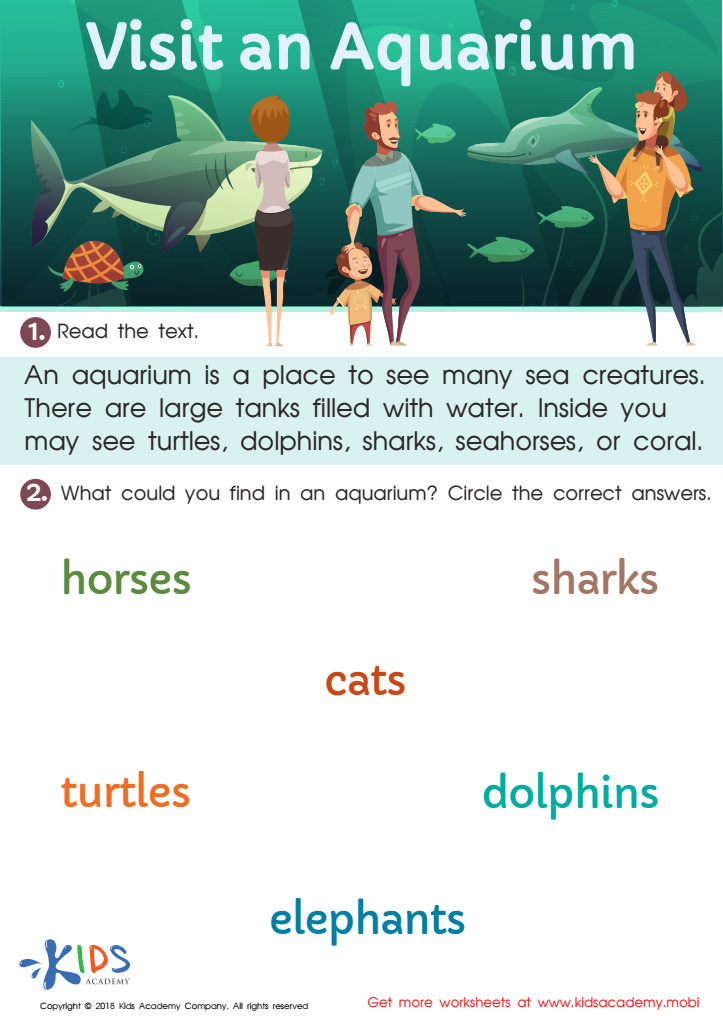
Visit an Aquarium Worksheet
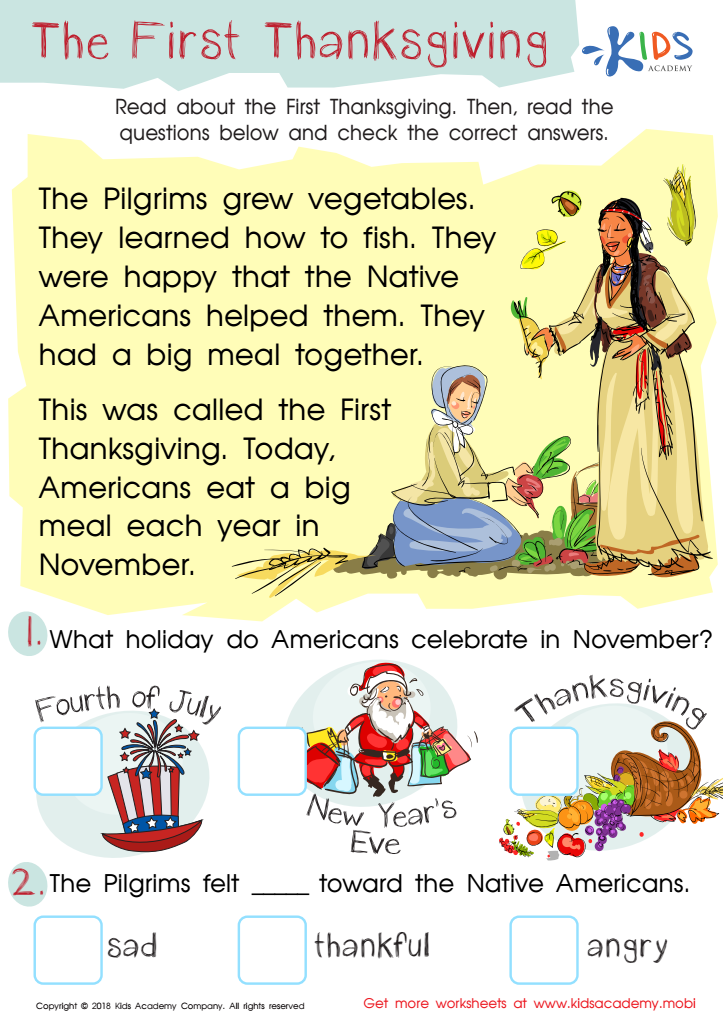
Assessment: First Thanksgiving Worksheet
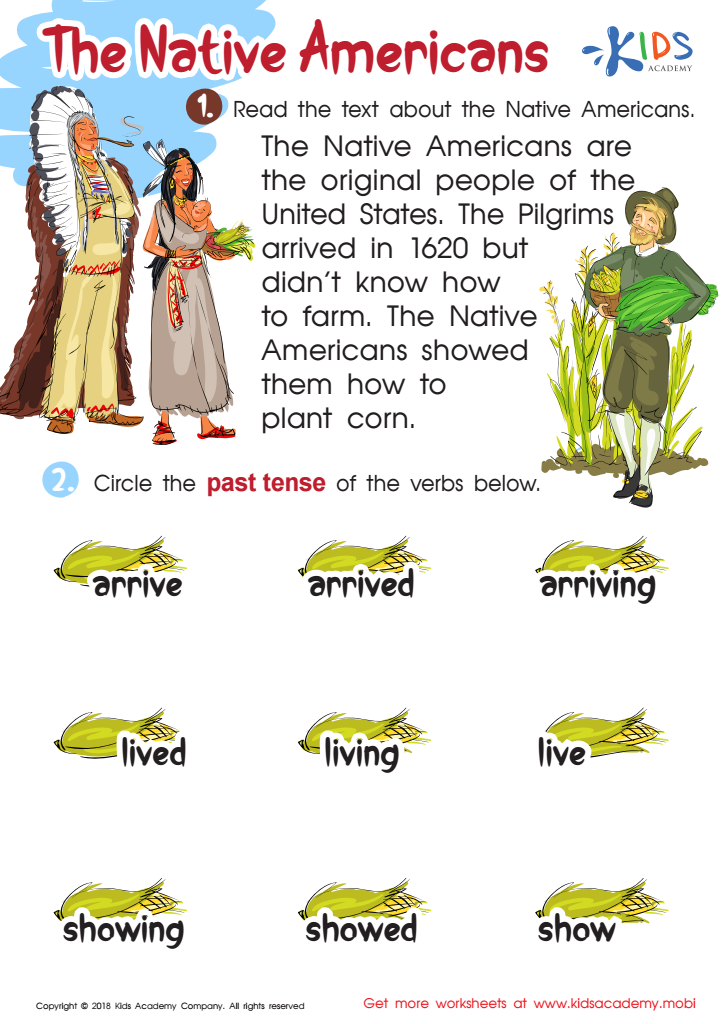
The Native Americans Worksheet
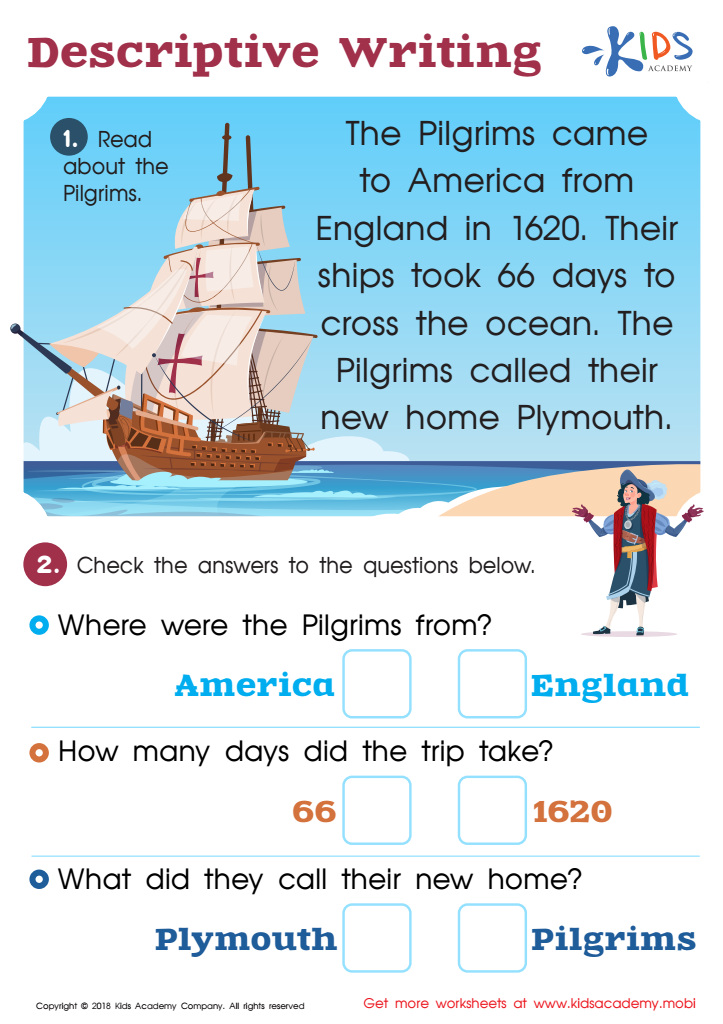
Descriptive Writing Worksheet: Part 1
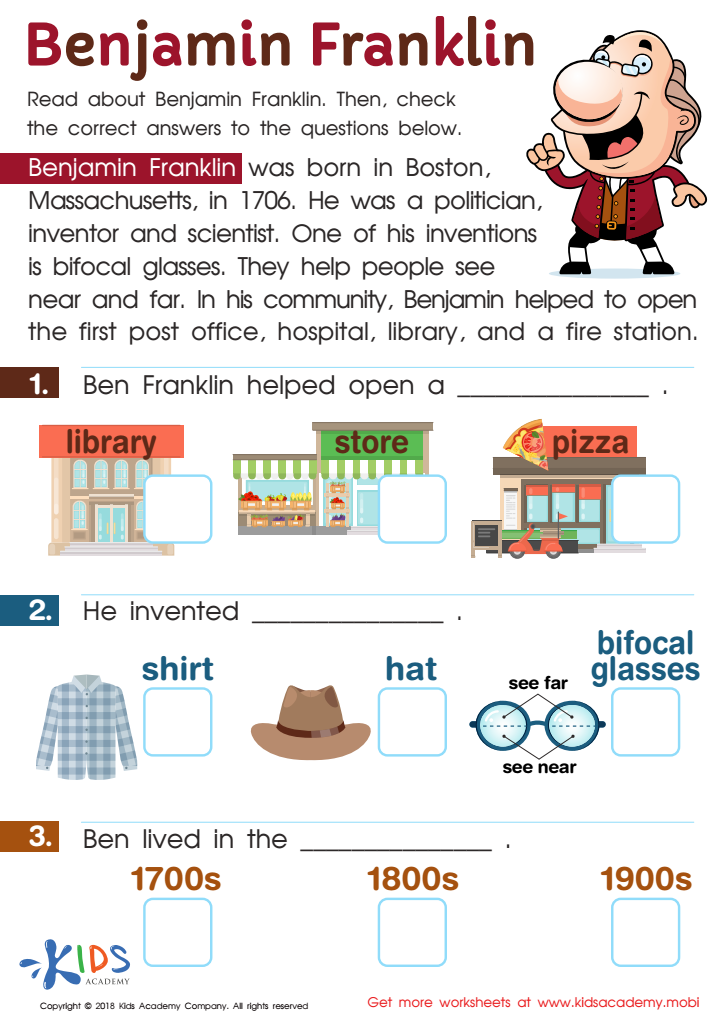
Benjamin Franklin Worksheet
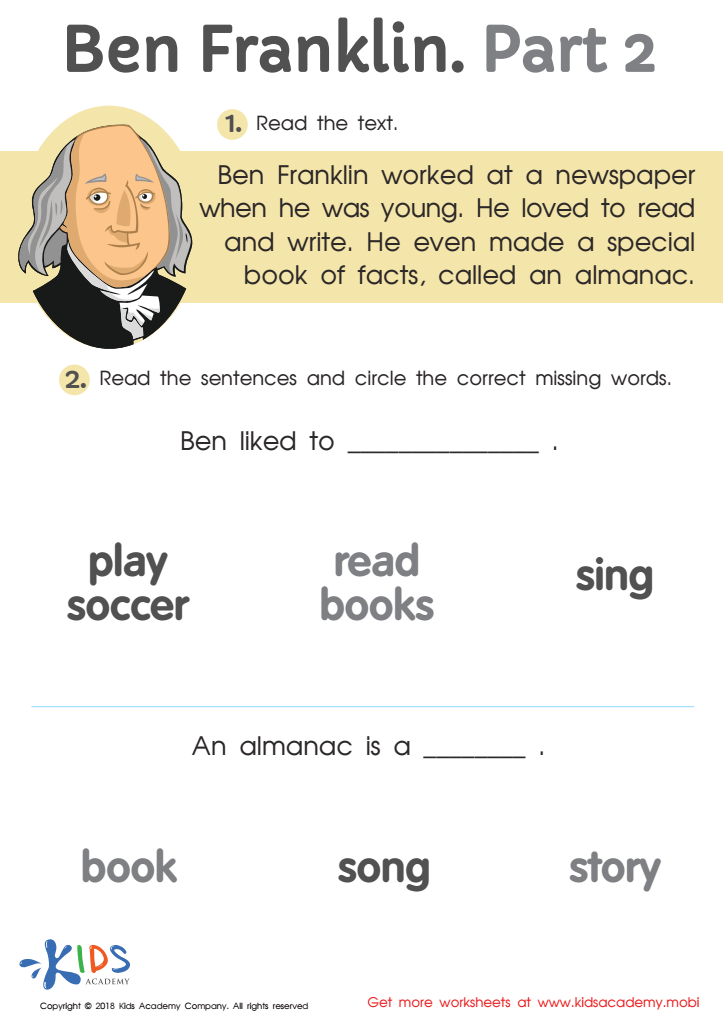
Ben Franklin Part 2 Worksheet
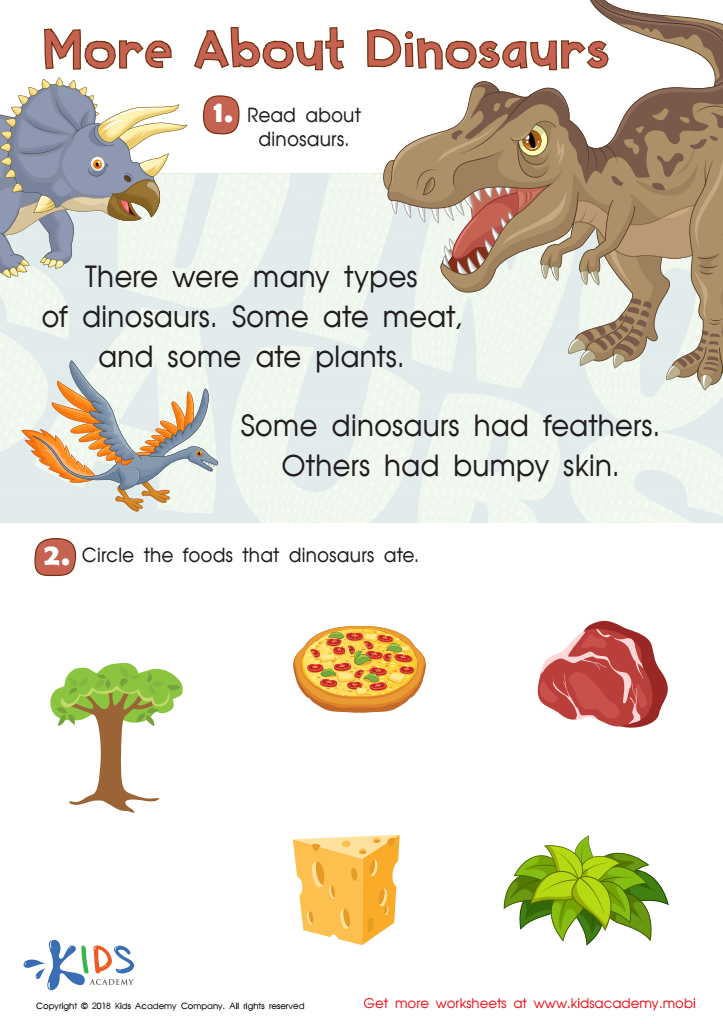
More About Dinosaurs Worksheet
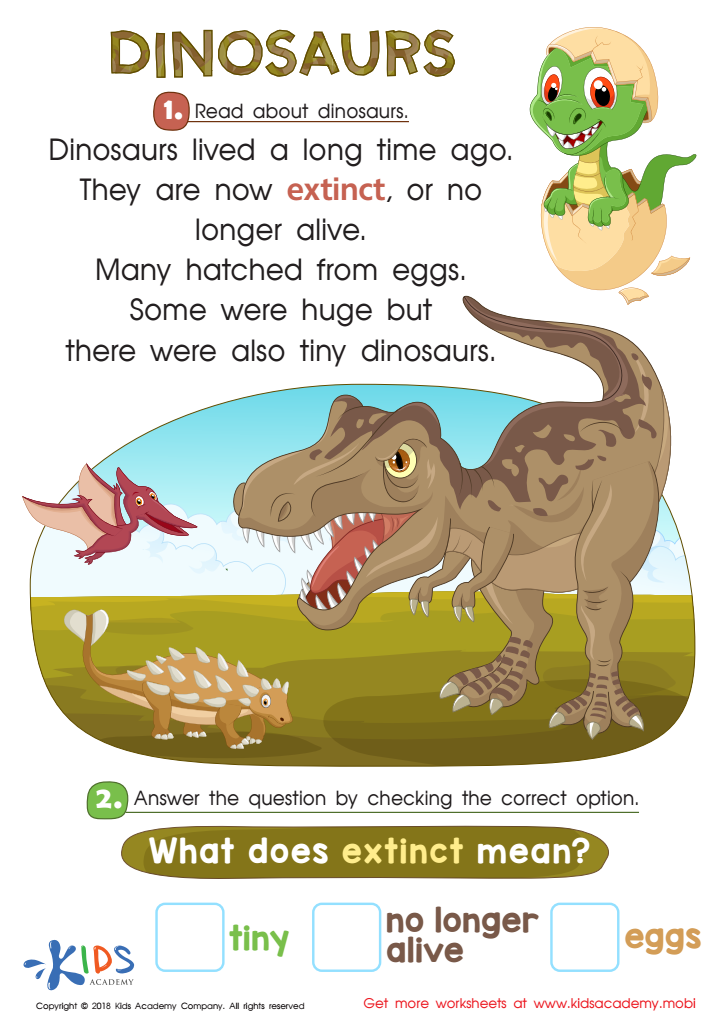
Dinosaurs Worksheet
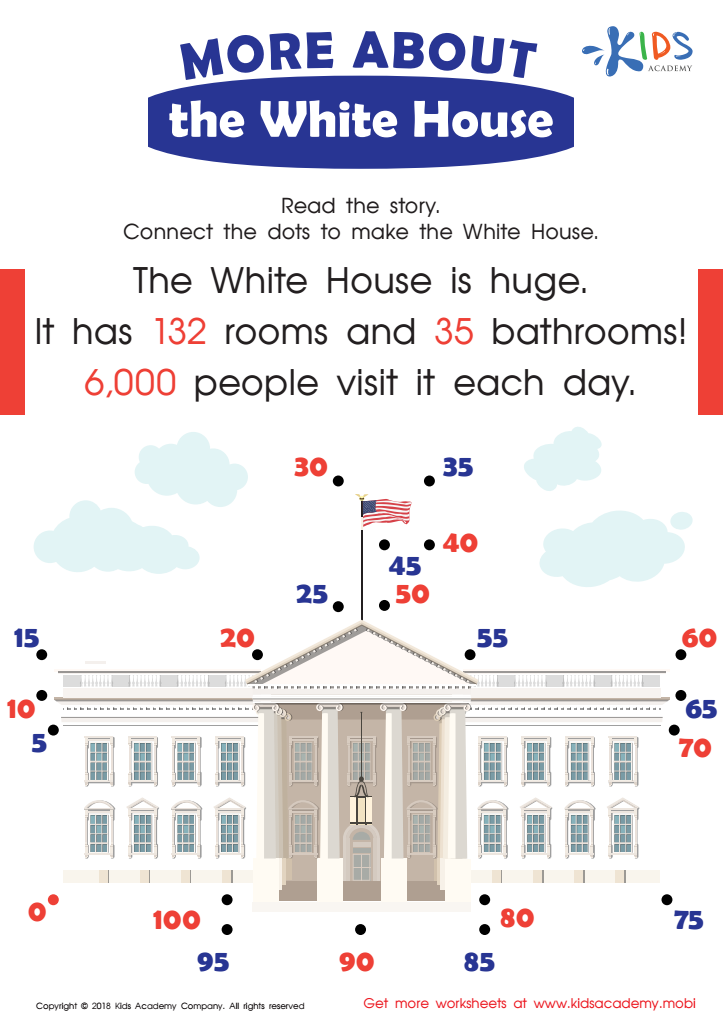
More About the White House Worksheet
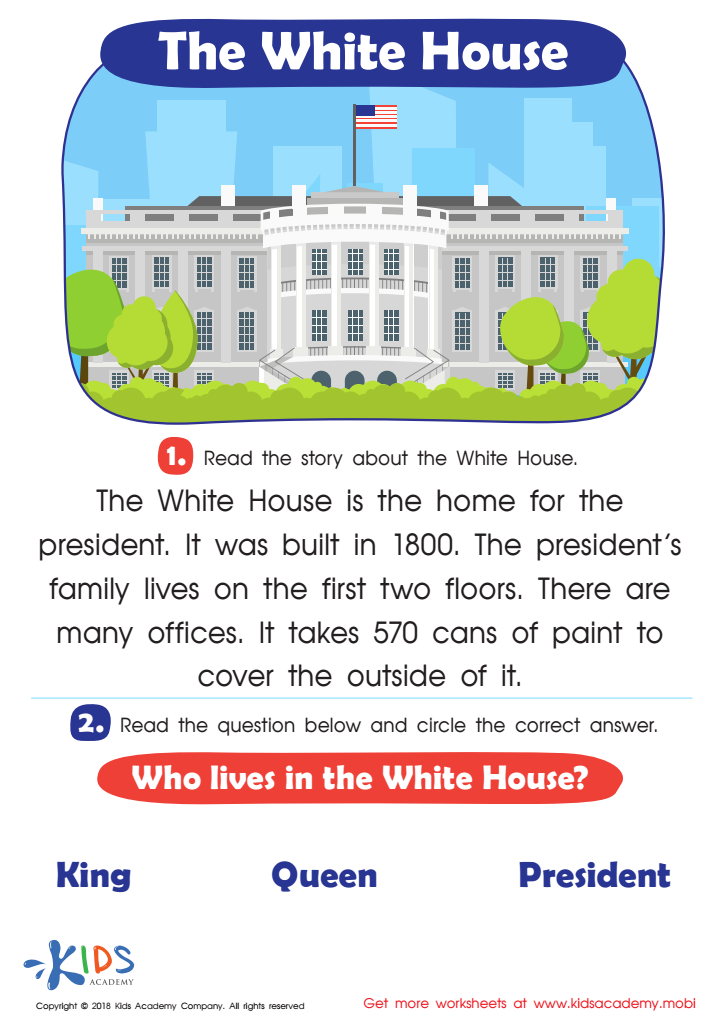
White House Worksheet
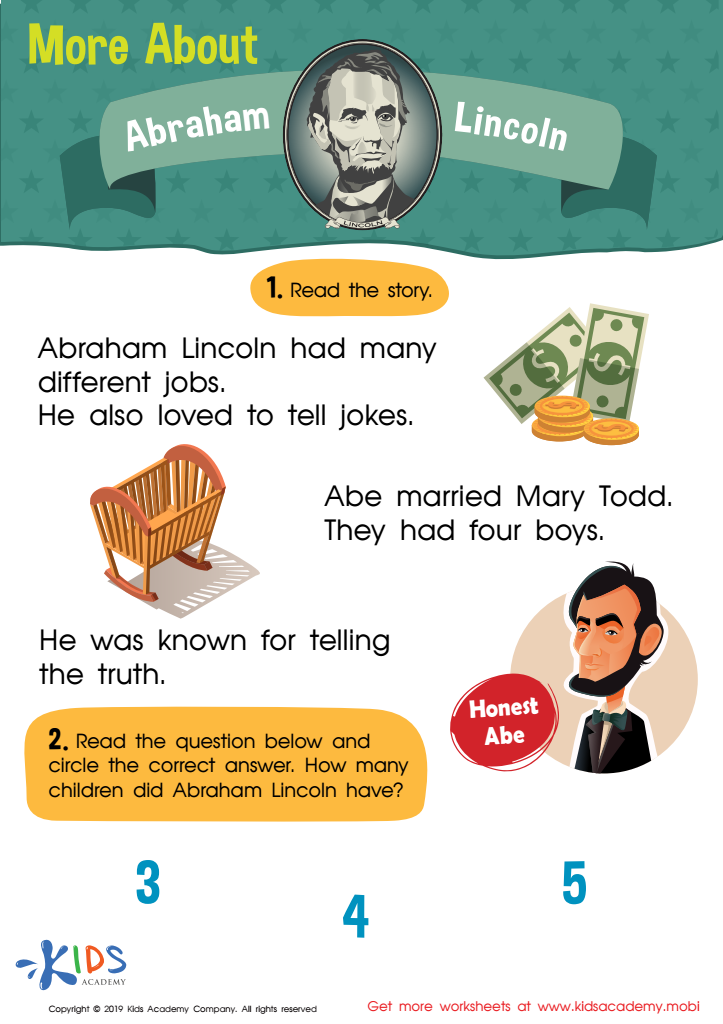
More About Abraham Lincoln Worksheet
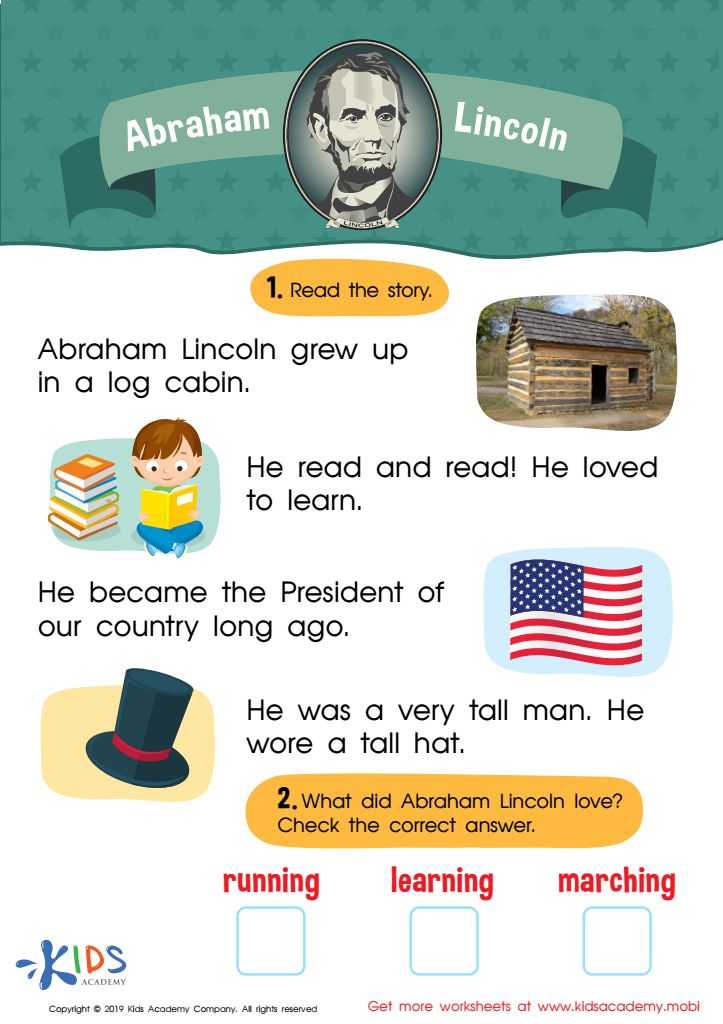
Abraham Lincoln Worksheet
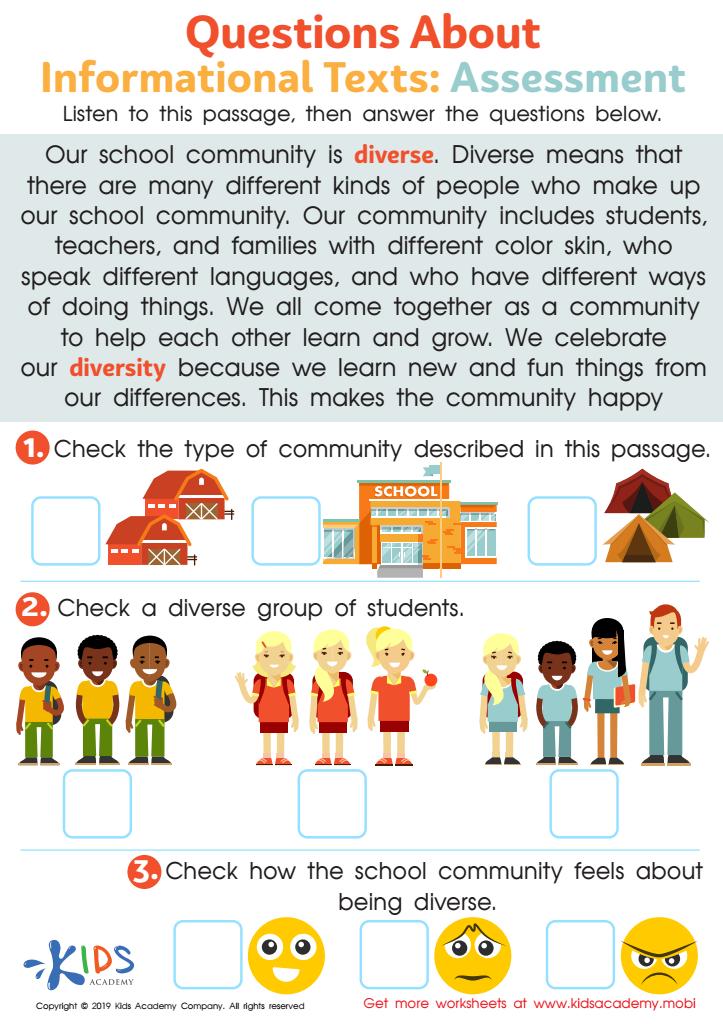
Questions About Informational Texts: Assessment 1 Worksheet
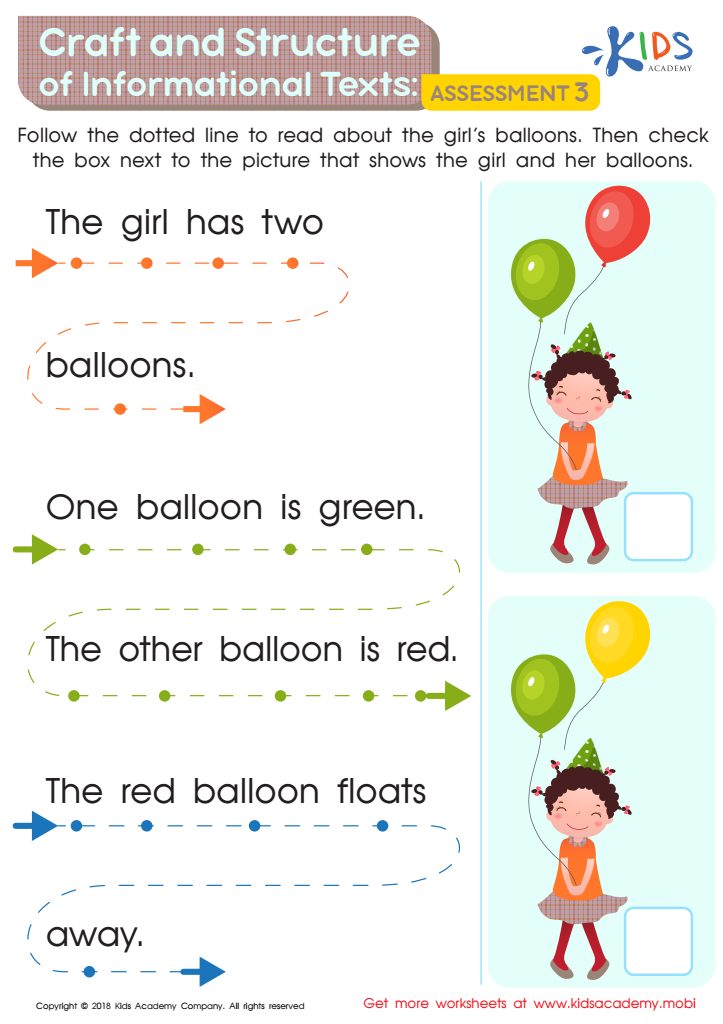
Craft and Structure of Informational Texts: Assessment 3 Worksheet
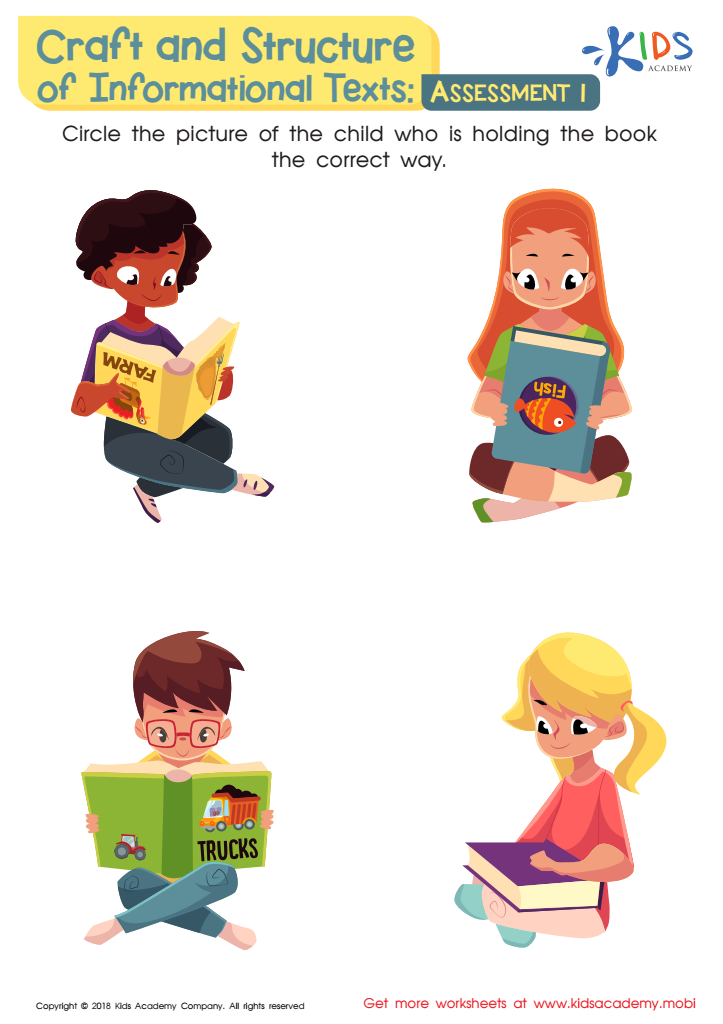
Craft and Structure of Informational Texts: Assessment 1 Worksheet
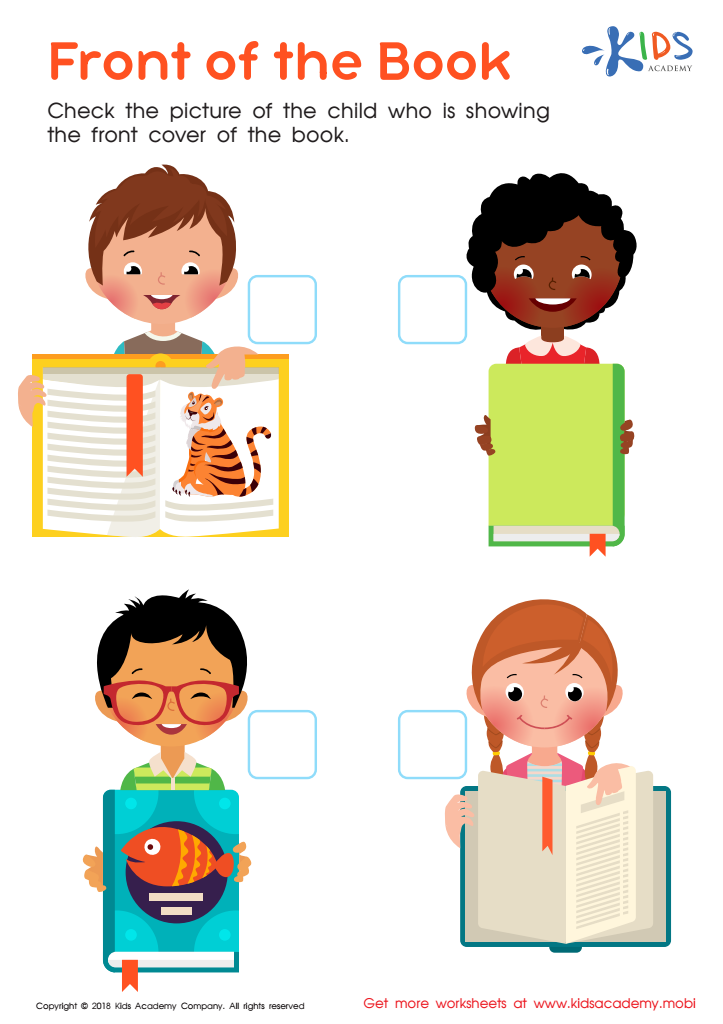
Front of the Book Worksheet
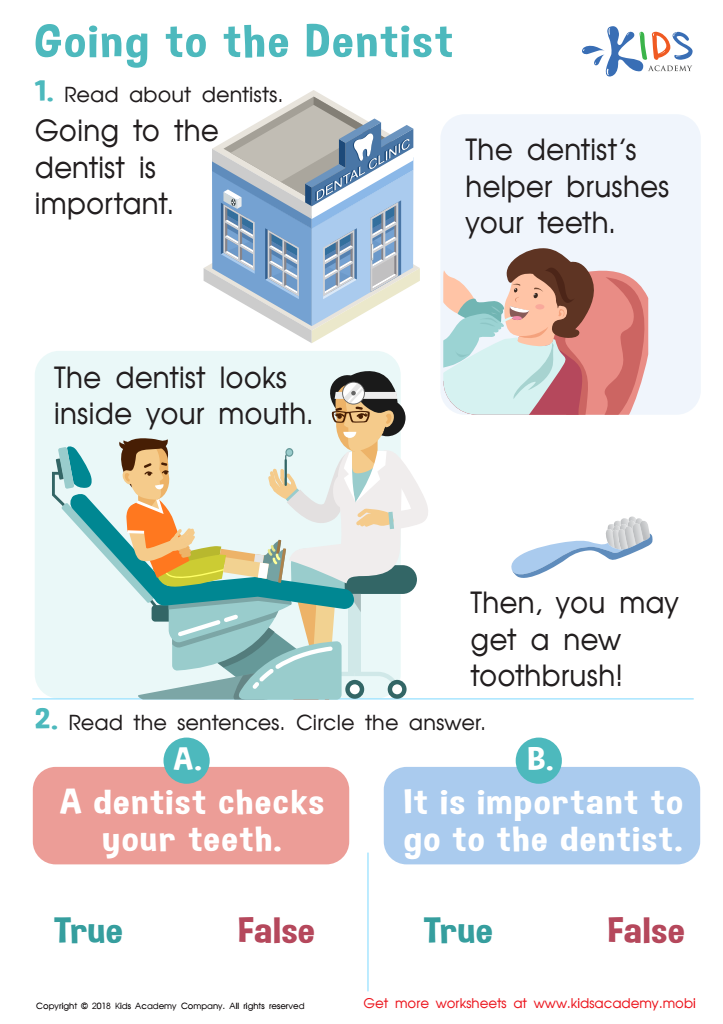
Going to the Dentist Part 2 Worksheet
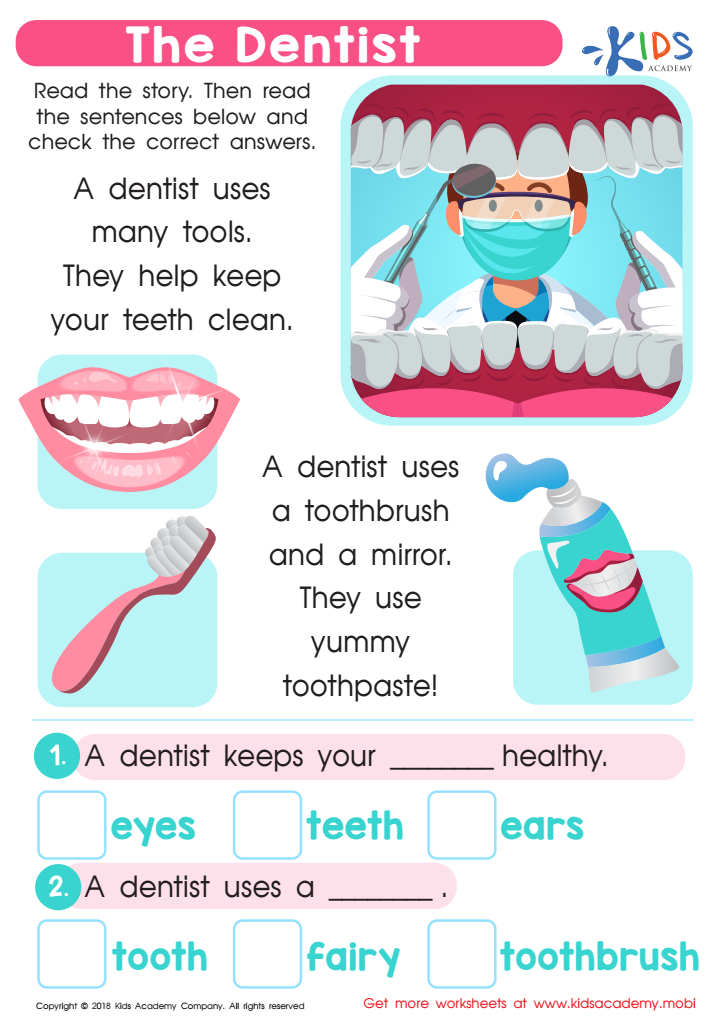
The Dentist Worksheet
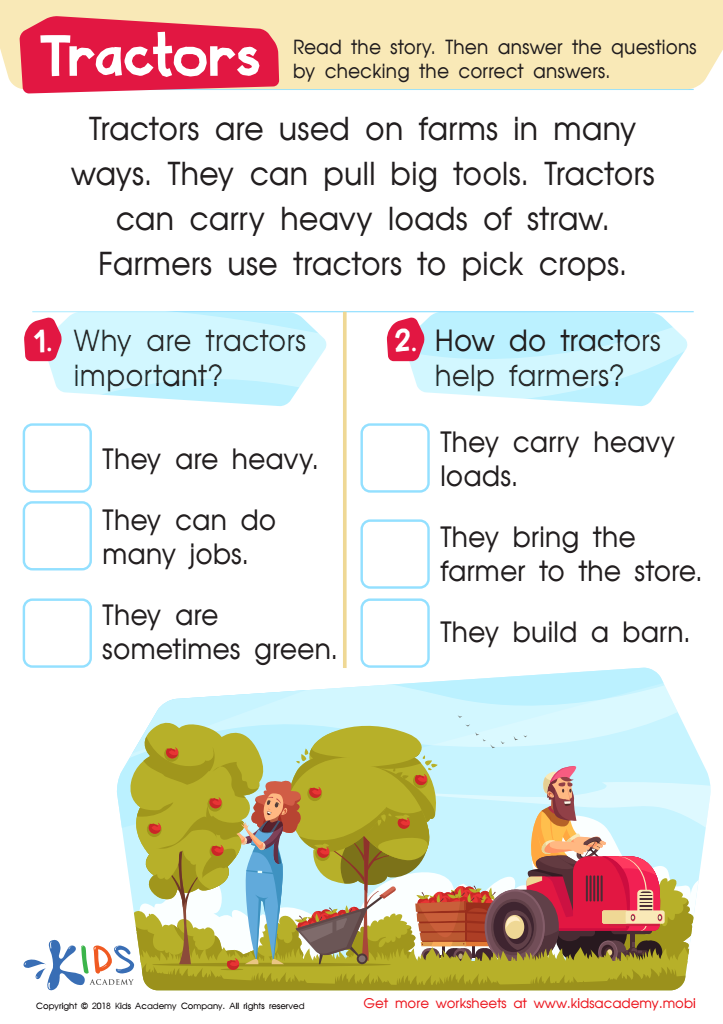
Tractors Worksheet







Reading non-fiction is crucial for children aged 4-9 because it nurtures intellectual curiosity, providing numerous educational benefits that foster holistic development. Firstly, non-fiction exposes children to the real world, equipping them with essential background knowledge about nature, science, history, and diverse cultures. This early exposure helps children comprehend more complex concepts as they grow and encounter structured learning environments.
Additionally, non-fiction texts introduce children to informational text features such as tables of contents, glossaries, and indexes. Understanding these structures is critical for navigating and comprehending academic material in later years. Reading non-fiction also improves vocabulary by introducing subject-specific terminology that everyday conversation or fictional narratives may not cover.
Furthermore, non-fiction encourages critical thinking and inquiry. When children engage with factual content, they learn to differentiate between fact and opinion and develop the skills to evaluate the information presented. This habit primes them for a lifetime of informed decision-making and nurtures an inquisitive mindset.
Lastly, by reading non-fiction, children can find answers to their myriad questions about the world, fostering a love for learning and discovery. Parents and teachers who prioritize non-fiction can, therefore, play a pivotal role in equipping children with the tools they need for academic success and lifelong curiosity.








