Math Worksheets for Ages 5-7 - Page 47
1107 filtered results
-
From - To
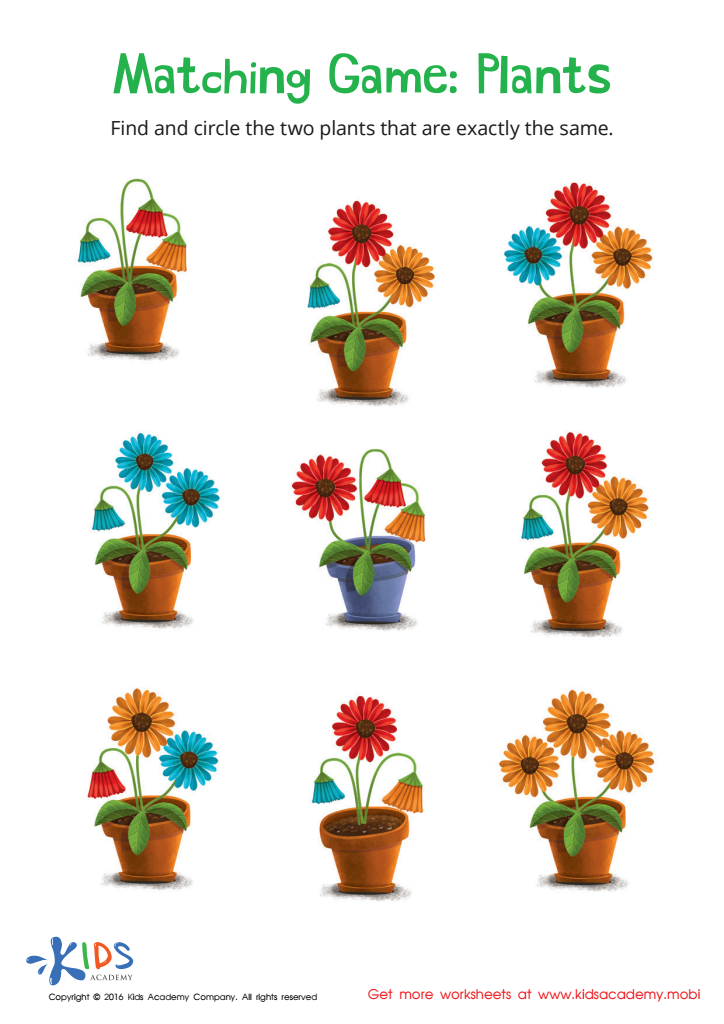
Matching: Plants Worksheet
 Assign to My Students
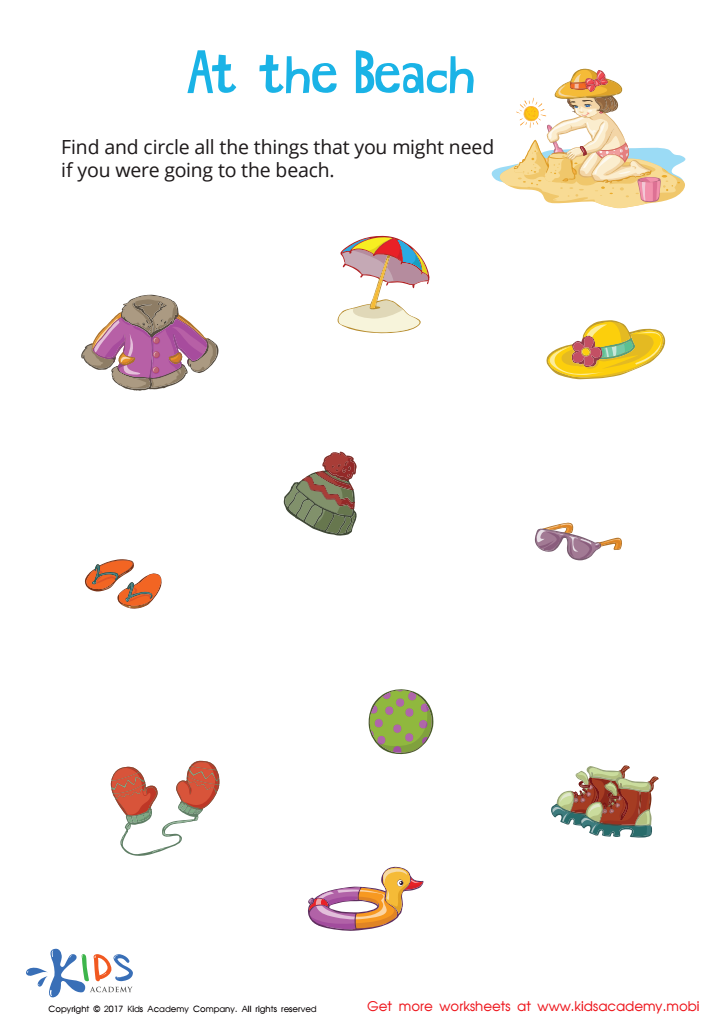
At the Beach Sorting Worksheet
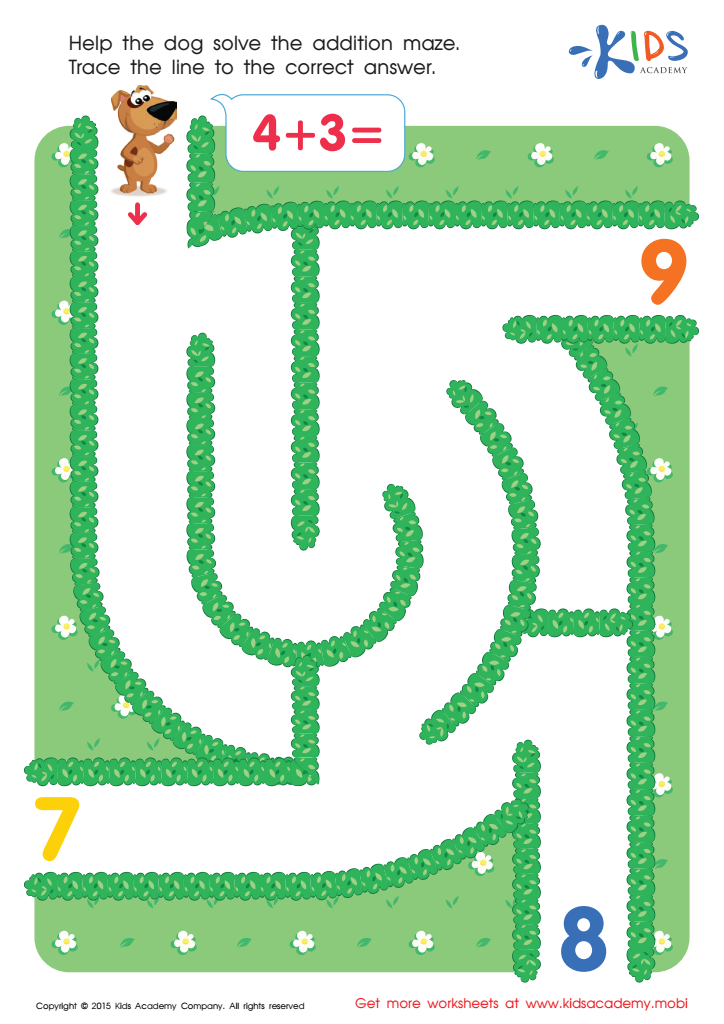
Addition Four And Three Worksheet








Math for ages 5-7 lays a crucial foundation for a child's cognitive development and future learning. At this stage, children develop essential numeracy skills, which not only help in academic progress but also enhance critical thinking, problem-solving, and analytical abilities. Engaging with basic mathematical concepts such as addition, subtraction, and patterns promotes logical reasoning and encourages children to explore relationships between numbers.
Understanding math at an early age fosters confidence in children's abilities, making them more likely to engage with challenging concepts later on. Additionally, math skills are intertwined with daily life activities; recognizing patterns and quantifying objects helps children make sense of their environment.
Teachers and parents play a significant role in creating a positive attitude towards math. Encouraging playful learning experiences can transform math from a perceived chore into an enjoyable activity. By integrating math into everyday scenarios—like cooking, shopping, or playing games—adults can help children see its relevance.
Ultimately, prioritizing math education for young learners cultivates not just mathematical proficiency but also equips them with foundational skills necessary for their overall academic journey and everyday problem-solving. This nurturing approach means they are more prepared and excited for the challenges ahead.








