Reading Non-Fiction Worksheets for Ages 5-7 - Page 4
74 filtered results
-
From - To
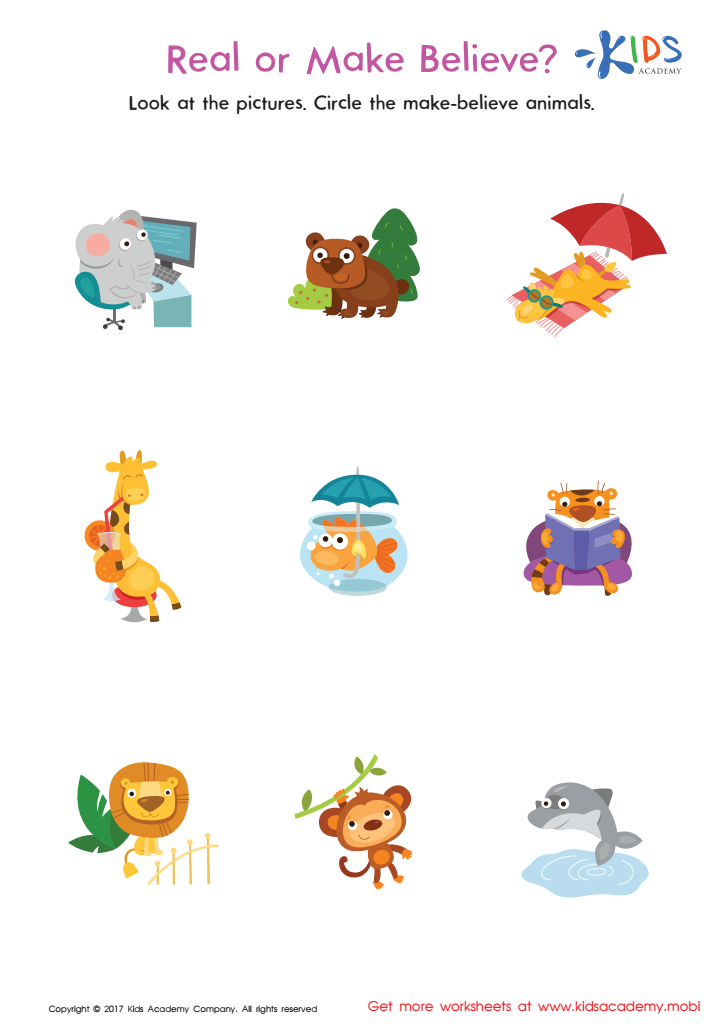
Fact or Make Believe Worksheet
 Assign to My Students
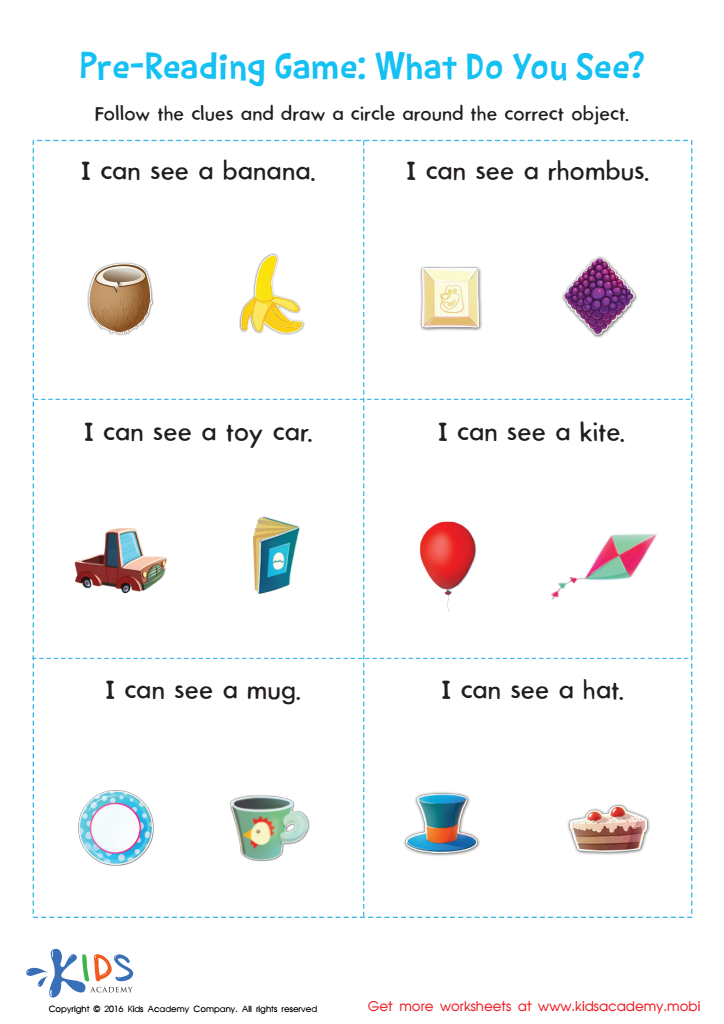
Pre–reading Worksheet: What Do You See?








Reading non-fiction is crucial for children aged 5-7 as it lays the foundation for critical thinking and information literacy. At this age, children are curious about the world around them, making non-fiction texts an excellent way to satisfy that curiosity. Exposure to factual information helps them understand how the world works, encouraging an interest in science, nature, history, and cultures.
Non-fiction reading promotes vocabulary expansion as children encounter new, domain-specific terms. It improves comprehension skills by presenting information in diverse formats, such as diagrams or charts, fostering skills in interpreting and synthesizing data. Moreover, reading non-fiction boosts children’s enthusiasm for learning by connecting the content to real-life experiences and practical applications, making it more relatable and engaging.
For parents and teachers, introducing non-fiction helps build a balanced literacy program that includes various genres and perspectives. It fosters a love of reading beyond stories, showing children that books can be powerful sources of knowledge. Ultimately, integrating non-fiction into early education prepares young learners not just for academic success but for thoughtful, informed citizenship as they grow. Encouraging children to explore non-fiction early on cultivates lifelong learners eager to seek knowledge and understand the complexities of the world.








