Sound recognition Phonics Worksheets for 6-Year-Olds
10 filtered results
-
From - To
Enhance your 6-year-old’s phonics skills with our fun and engaging Sound Recognition Phonics Worksheets! Tailored specifically for young learners, these printable worksheets make mastering sound recognition enjoyable. Each activity fosters crucial auditory skills and solidifies letter-sound associations through playful exercises that keep children captivated. Ideal for reinforcing classroom learning or providing extra practice at home, our worksheets are designed by educational experts to promote language development and early reading success. Help your child gain confidence in their phonics abilities while having fun with our high-quality, downloadable resources from Kids Academy! Start your child’s phonics journey today.
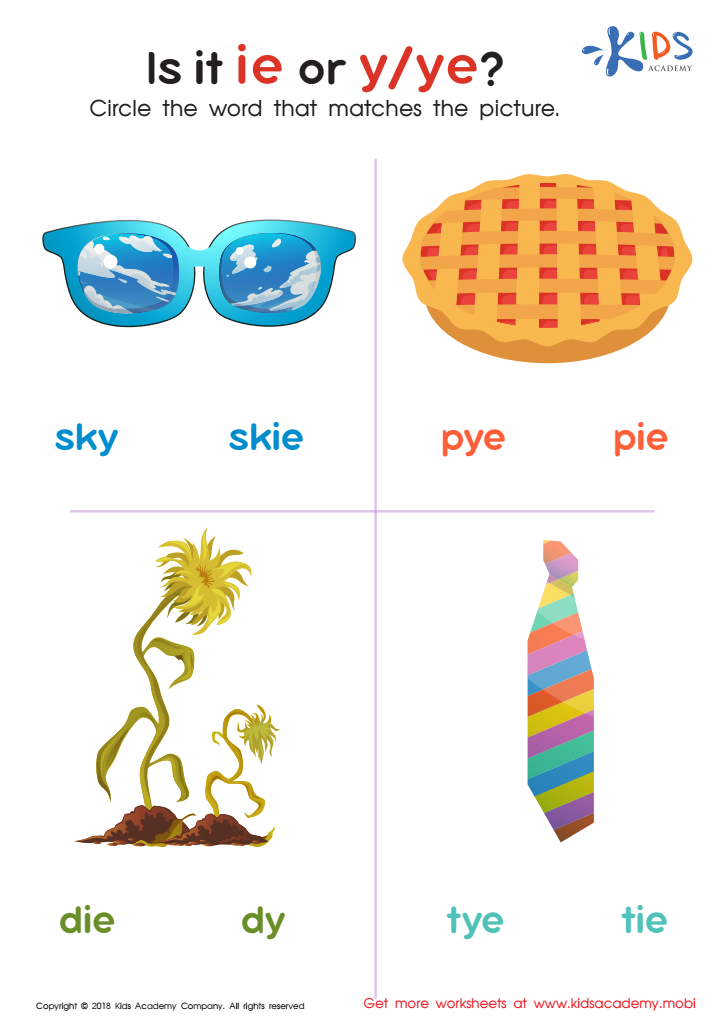
Is It IE or Y/Ye? Worksheet
 Assign to My Students
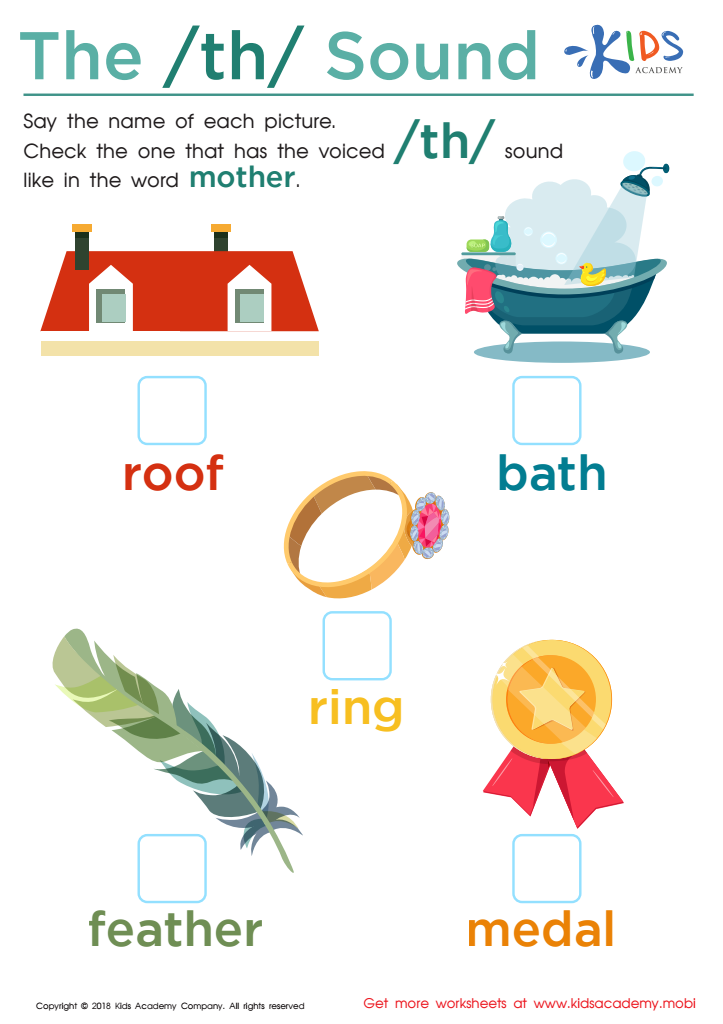
The /th/ Sound Worksheet
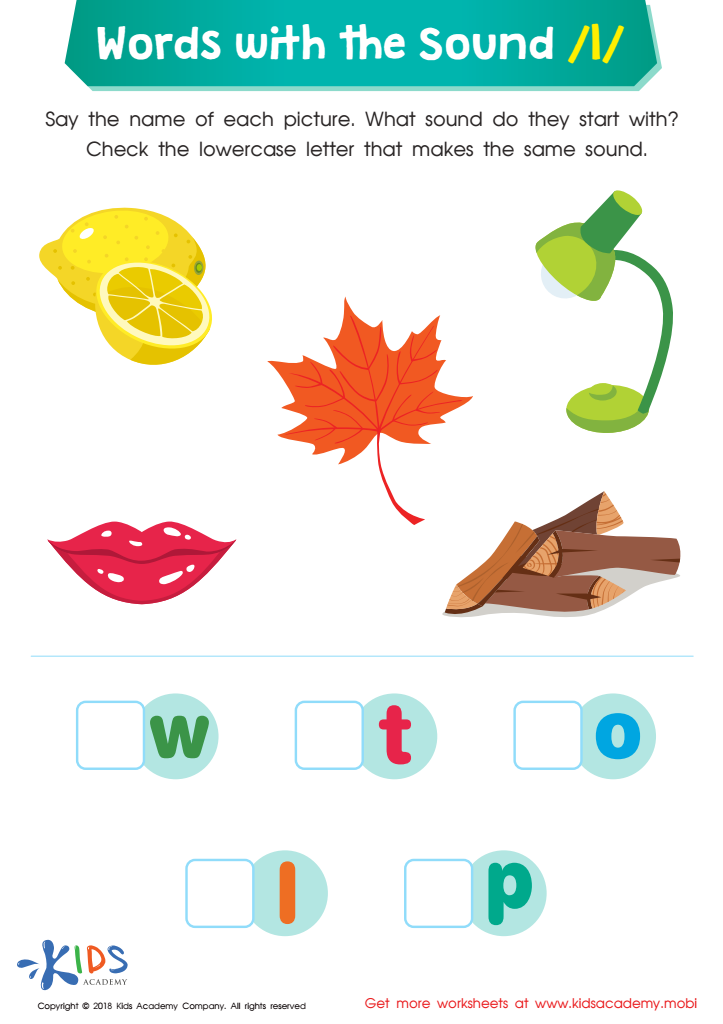
Words with Sound L Reading Worksheet
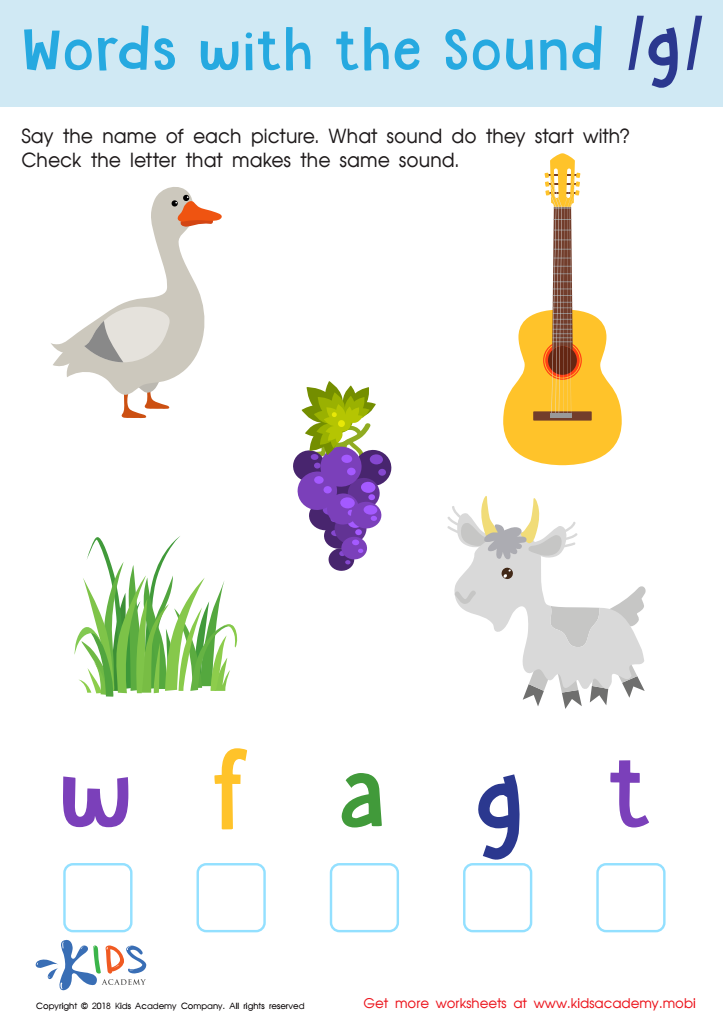
Words with sound g Reading Worksheet
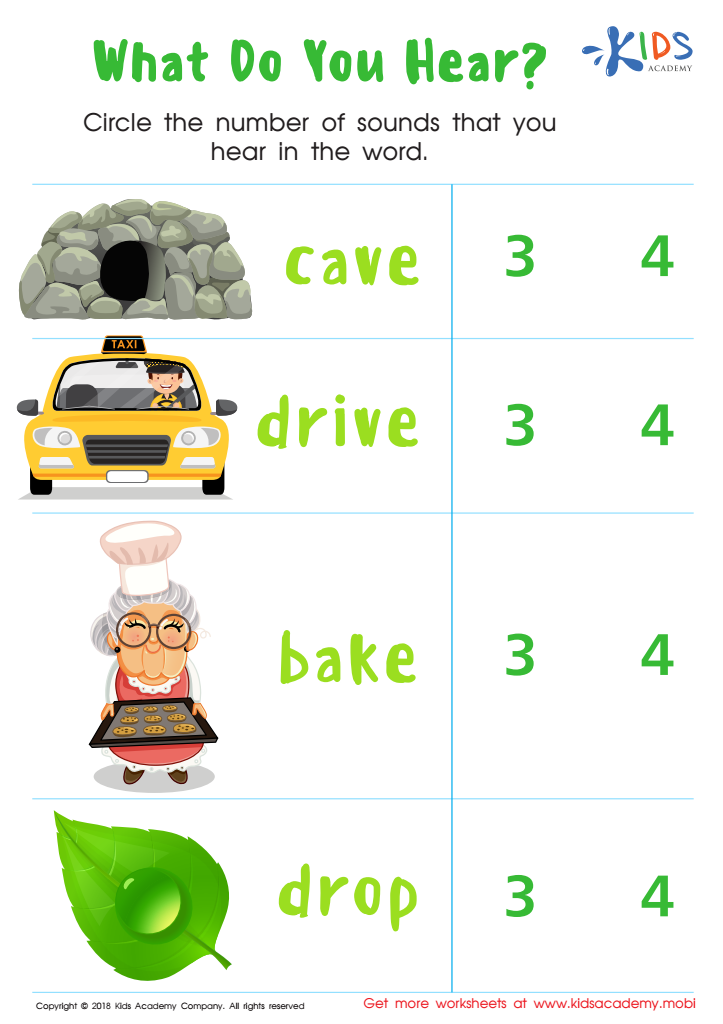
What Do You Hear? Worksheet
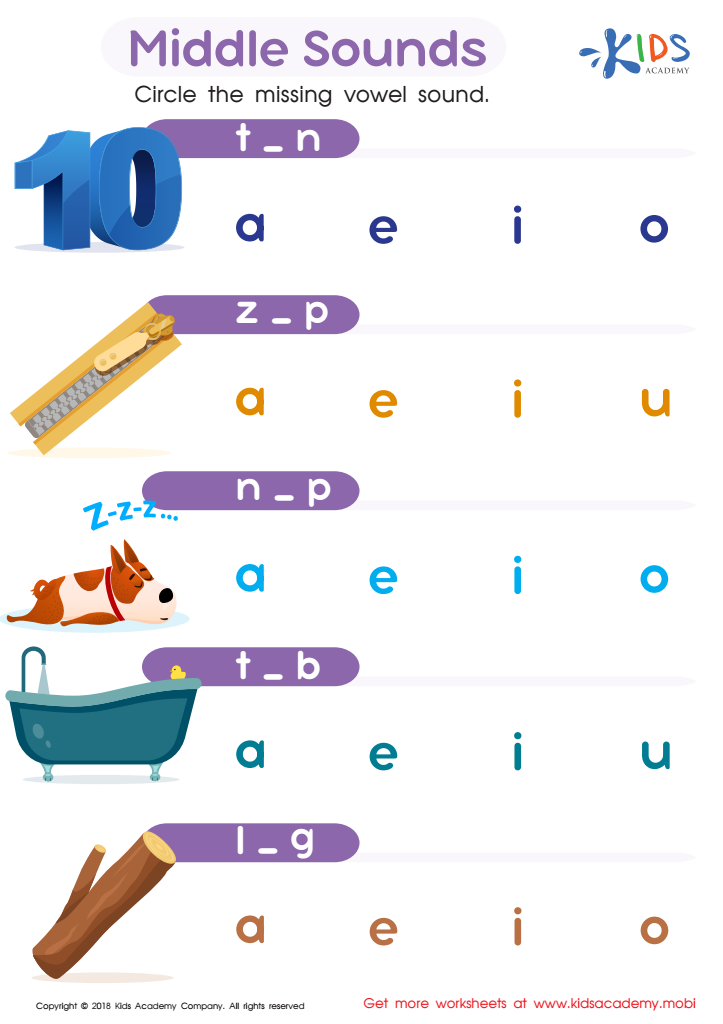
Middle Sounds Worksheet
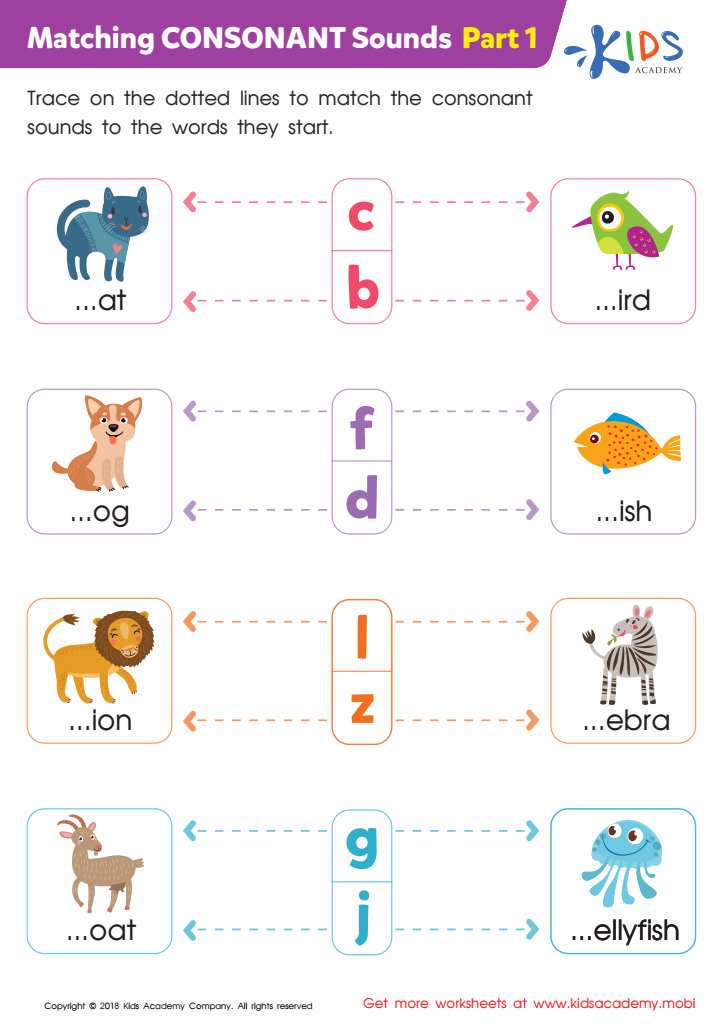
Matching Consonant Sounds: Part 1 Worksheet
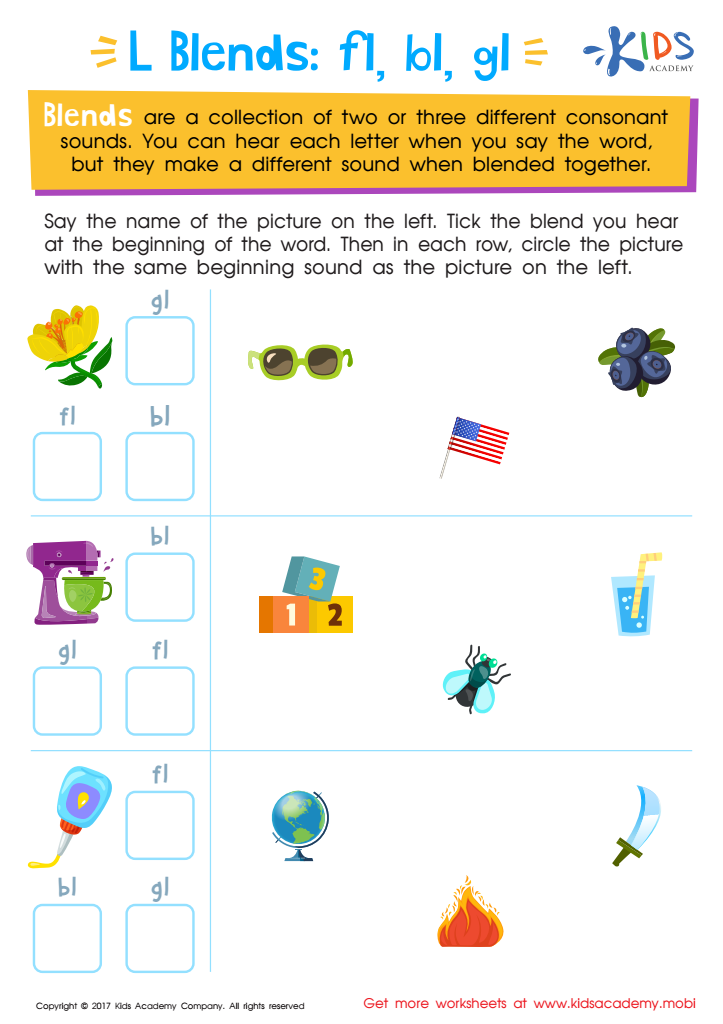
Blending Consonants: "Fl", "Bl" and "Gl" Printable
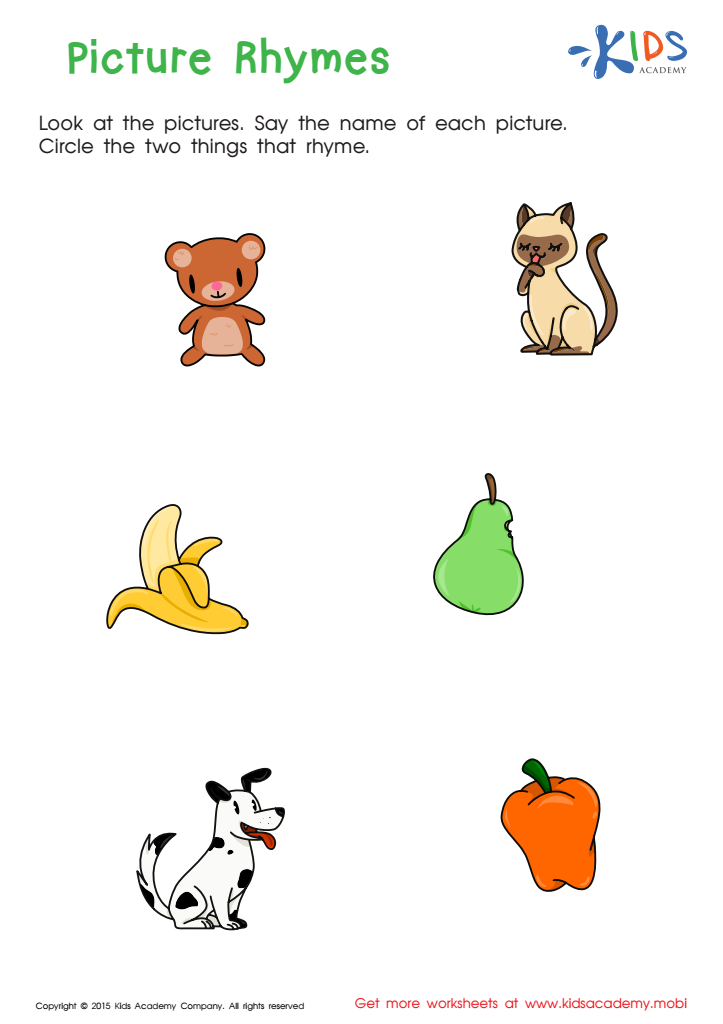
First Words: Picture Rhymes Worksheet
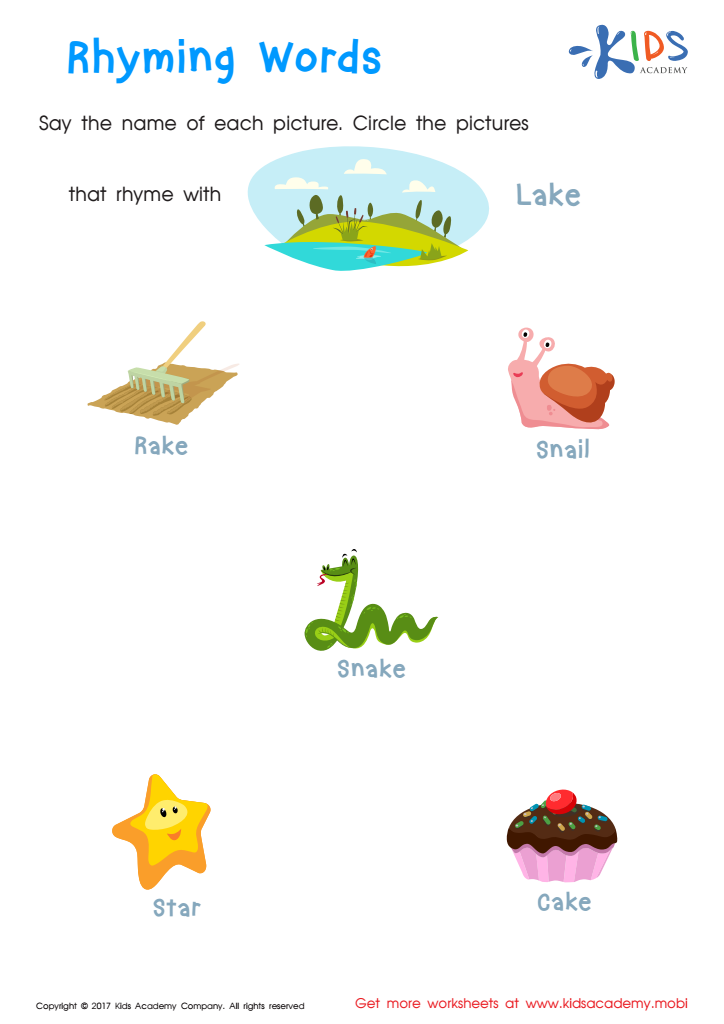
Rhyming Words Rhyming Worksheet








Sound recognition phonics is essential for 6-year-old children because it lays the foundation for proficient reading and writing skills. Phonics involves understanding the relationship between sounds and their corresponding letters or groups of letters and is a critical aspect of early literacy development. When children grasp these sound-letter associations, they can begin to decode new words, leading to improved reading fluency and confidence.
Parents and teachers should care about sound recognition phonics because it directly impacts a child's academic success and love for learning. Early mastery of phonics enables children to tackle more complex texts independently, fostering a sense of accomplishment and reinforcing a positive attitude towards reading. Furthermore, phonics is linked to better spelling and writing capabilities, as children learn to segment and blend sounds to form words accurately.
When young children struggle with phonics, they may find reading laborious and frustrating, which can lead to disengagement from academics and hinder their overall educational progress. Therefore, parents and teachers must ensure their children receive effective phonics instruction. This can be achieved through engaging activities, games, and consistent practice at home and in the classroom. By prioritizing sound recognition phonics, parents and teachers support a child's cognitive and linguistic development, paving the way for lifelong literacy skills.







