Logical Reasoning Community Worksheets for 6-Year-Olds
3 filtered results
-
From - To
Unlock your child's potential with our Logical Reasoning Community Worksheets for 6-Year-Olds! Specifically designed to enhance critical thinking and problem-solving skills, these engaging worksheets navigate young minds through real-world community scenarios. Fun and educational, each activity challenges youngsters to reason logically, fostering decision-making and smarter thinking habits. Perfect for education both in the classroom and at home, these worksheets provide an excellent foundation for future academic success. Equip your young learners with the tools they need to excel by incorporating these worksheets into their daily routine. Discover smarter, more confident thinking today!
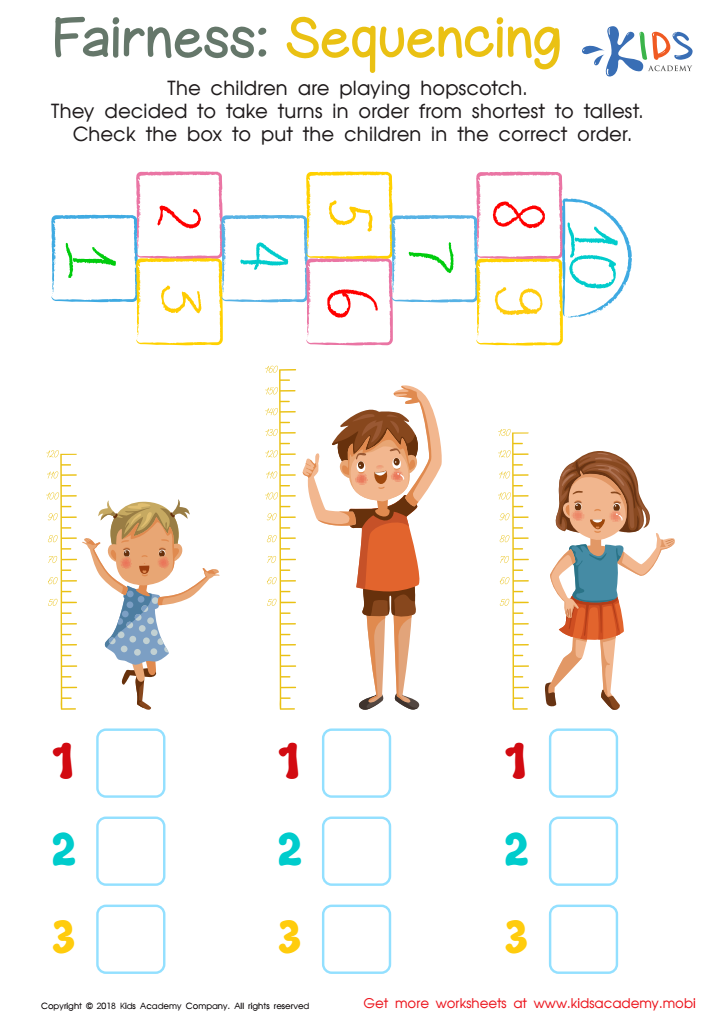
Fairness: Sequencing Worksheet
 Assign to My Students
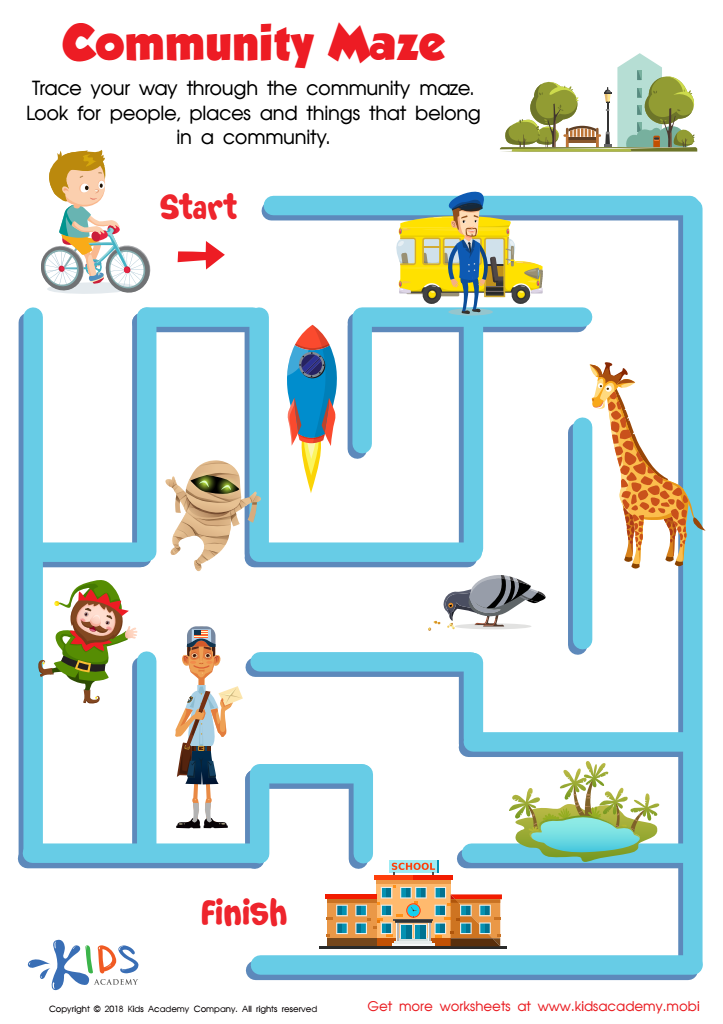
Community Maze Worksheet
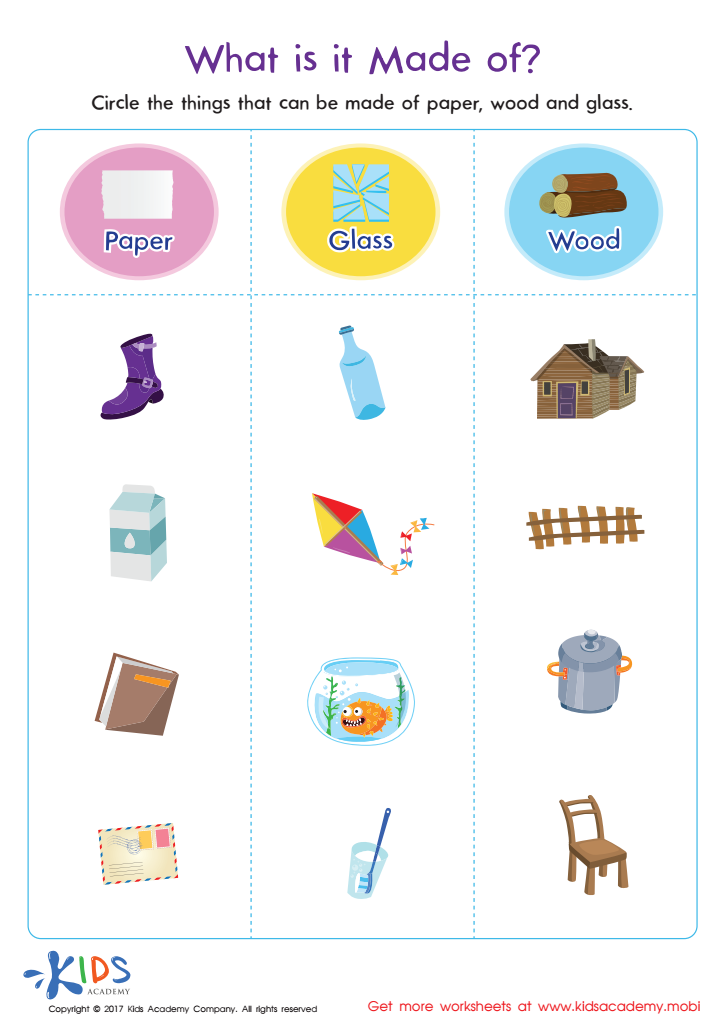







Parents and teachers should recognize the importance of engaging 6-year-olds in logical reasoning activities to nurture their cognitive development. Logical reasoning forms the bedrock of critical thinking, enabling children to process information, identify patterns, and solve problems independently. Engaging in a logical reasoning community helps cultivate these essential skills early.
At the age of six, children's brains are highly malleable, making it the ideal time to introduce activities that stimulate logical thought processes. These activities can include simple puzzles, sequencing games, or basic storytelling that requires understanding cause and effect. Participating in a logical reasoning community provides children with a safe, structured environment where they can practice and hone these skills in a consistent, engaging manner.
Furthermore, early exposure to logical reasoning aids in academic success. It enhances abilities in subjects like mathematics and science, where understanding order and relationships is crucial. Beyond academics, it promotes social skills by encouraging children to listen, analyze situations, and articulate their thoughts clearly.
Moreover, fostering logical reasoning helps in emotional regulation. By breaking down situations logically, children can better understand their emotions and responses, leading to improved patience and problem-solving during conflicts. Therefore, both parents and teachers should enthusiastically support logical reasoning activities as it sets the foundation for well-rounded, competent, and analytical thinkers equipped for future challenges.








