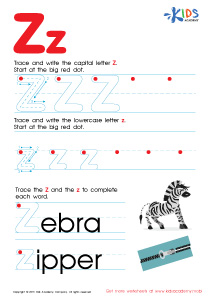
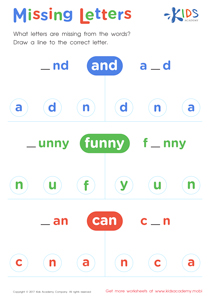
Extra Challenge Phonics Worksheets for Ages 3-7 - Page 2
26 filtered results
-
From - To
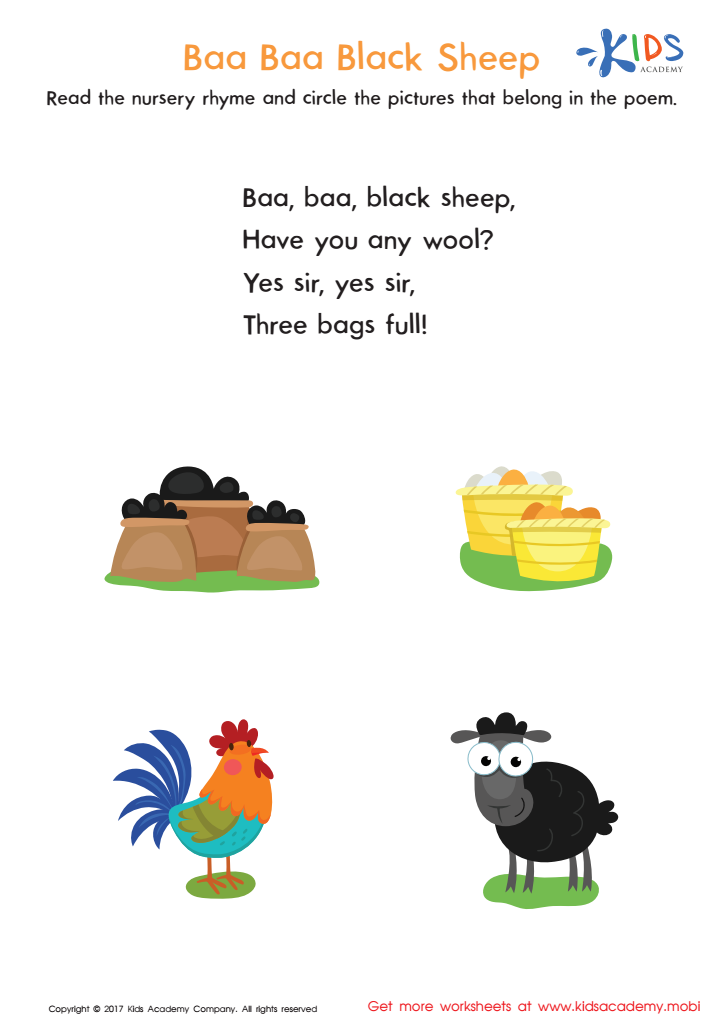
Baa Baa Black Sheep Printable
 Assign to My Students
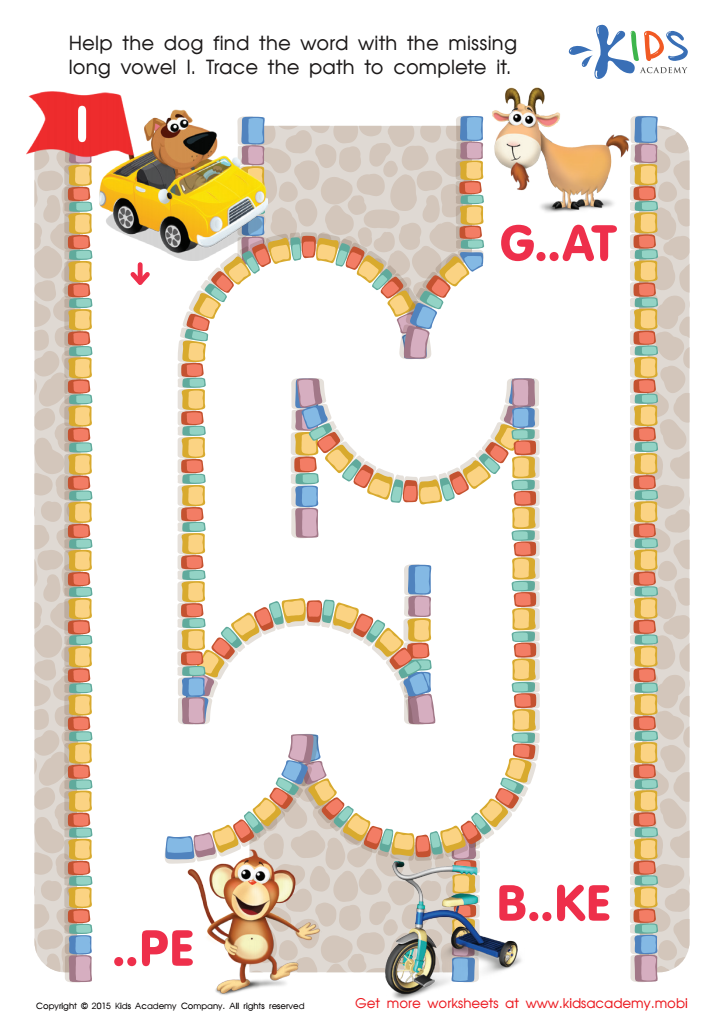
Long Vowel Sound I Worksheet








Extra Challenge Phonics for ages 3-7 is essential for several compelling reasons. During these formative years, children’s brains are highly adaptable and primed for learning new skills, such as reading. Phonics instruction in particular focuses on the relationship between sounds and their corresponding letters, which forms the foundation for strong reading skills. Early exposure to phonics improves a child’s ability to decode words, enhancing both their reading fluency and comprehension.
Parental or teacher involvement amplifies the benefits. When adults engage actively with children learning phonics, it not only solidifies educational concepts but also fosters a love of reading from an early age. For parents, this means quality bonding time as they participate in fun, educational activities that promote their child’s cognitive development.
Moreover, initiating phonics challenges at a young age equips kids with essential skills for academic success. Research indicates that strong early reading skills correlate with better performance across various subjects down the line. Phonics also aids in speech development and enriches vocabulary, facilitating more effective communication.
Thus, Extra Challenge Phonics isn't just about learning to read. It’s about laying a comprehensive educational foundation that will benefit children throughout their schooling and beyond. Balancing engaging activities with foundational literacy skills, this approach propels young learners toward academic achievement and lifelong learning.