Extra Challenge Building Vocabulary Worksheets for Ages 3-8 - Page 2
31 filtered results
-
From - To
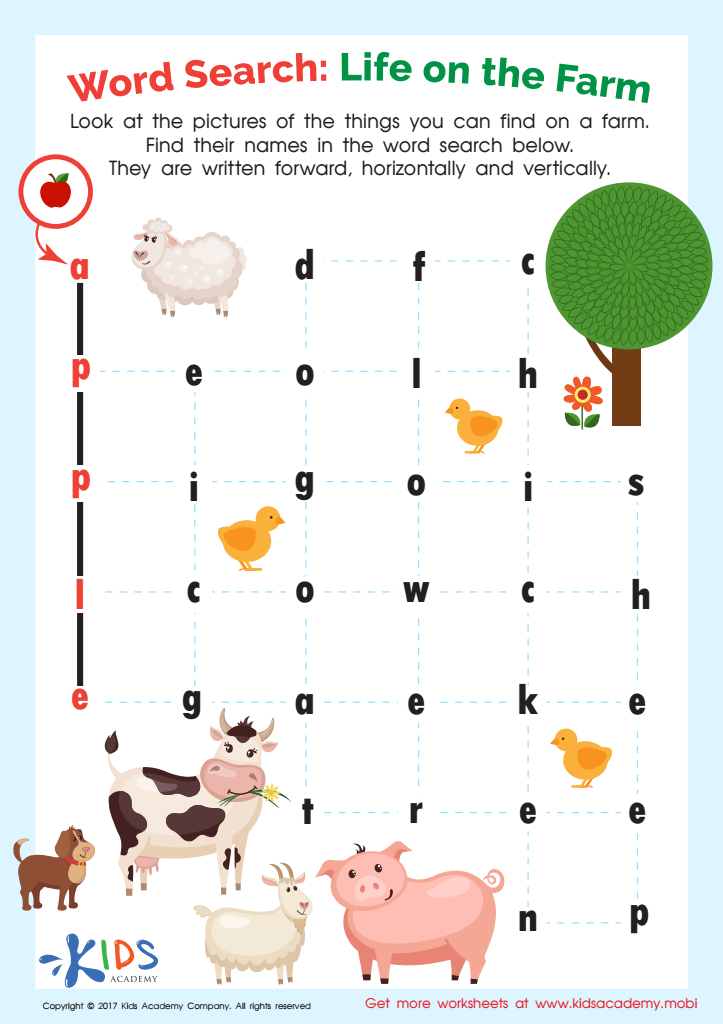
Word Search Puzzles Worksheet
 Assign to My Students











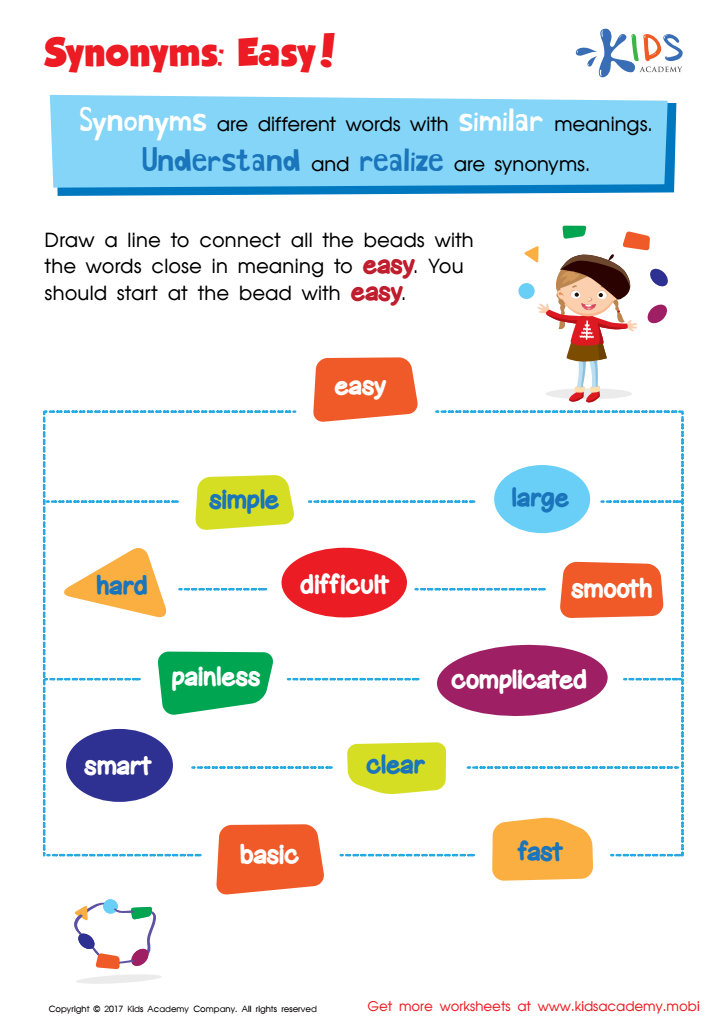
Free Synonym Worksheet
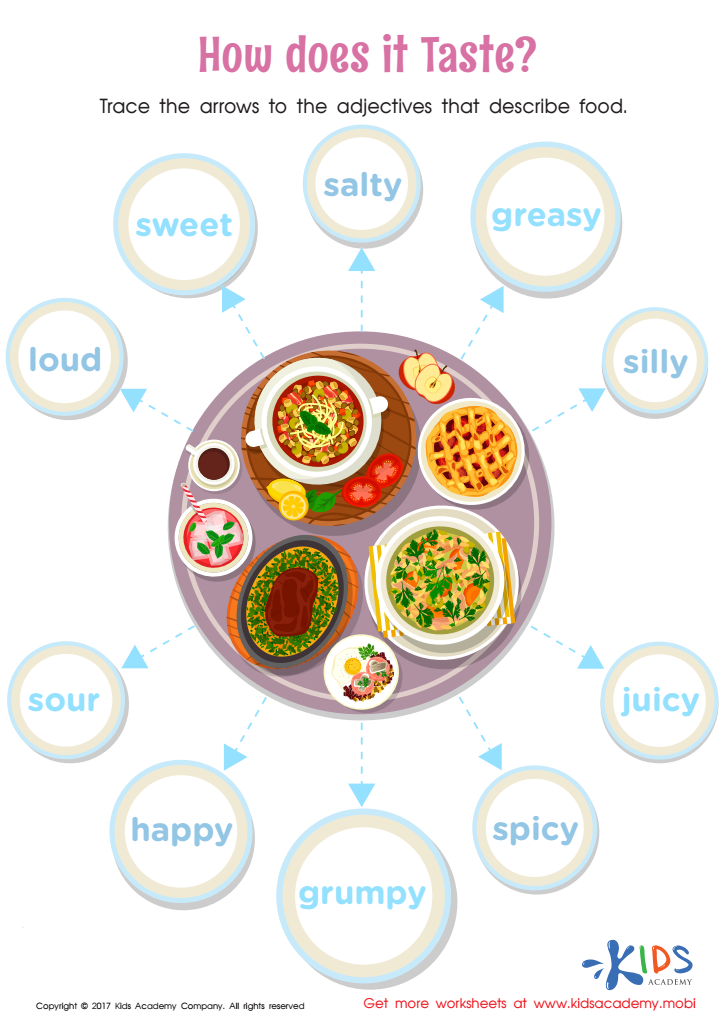
Food Adjectives Worksheet
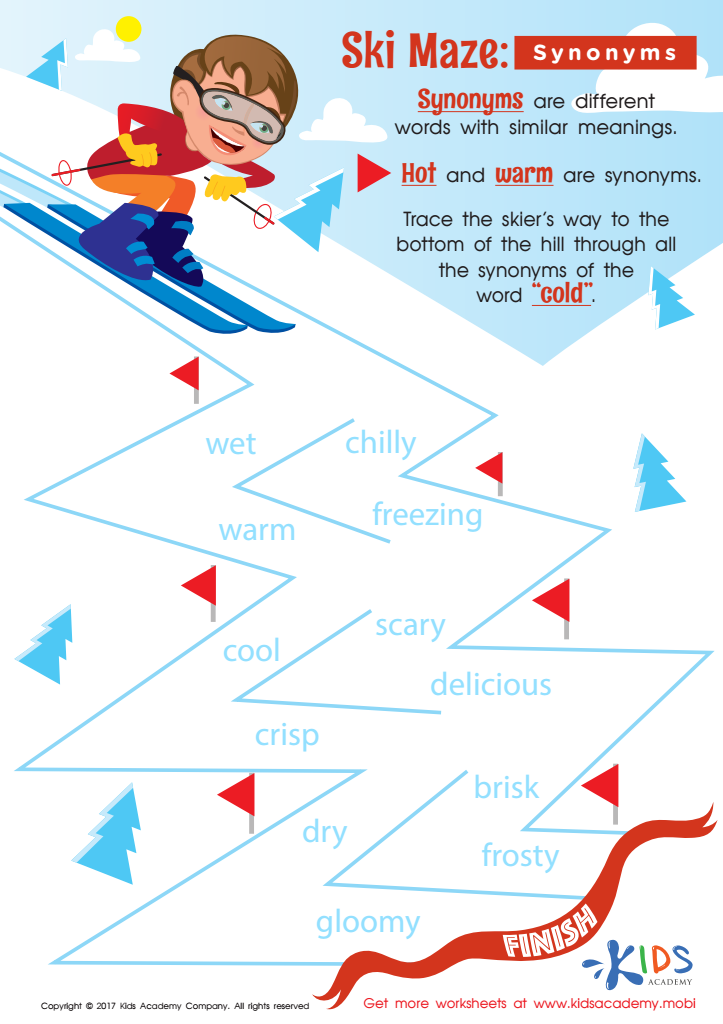
Free Printable Synonym Worksheet
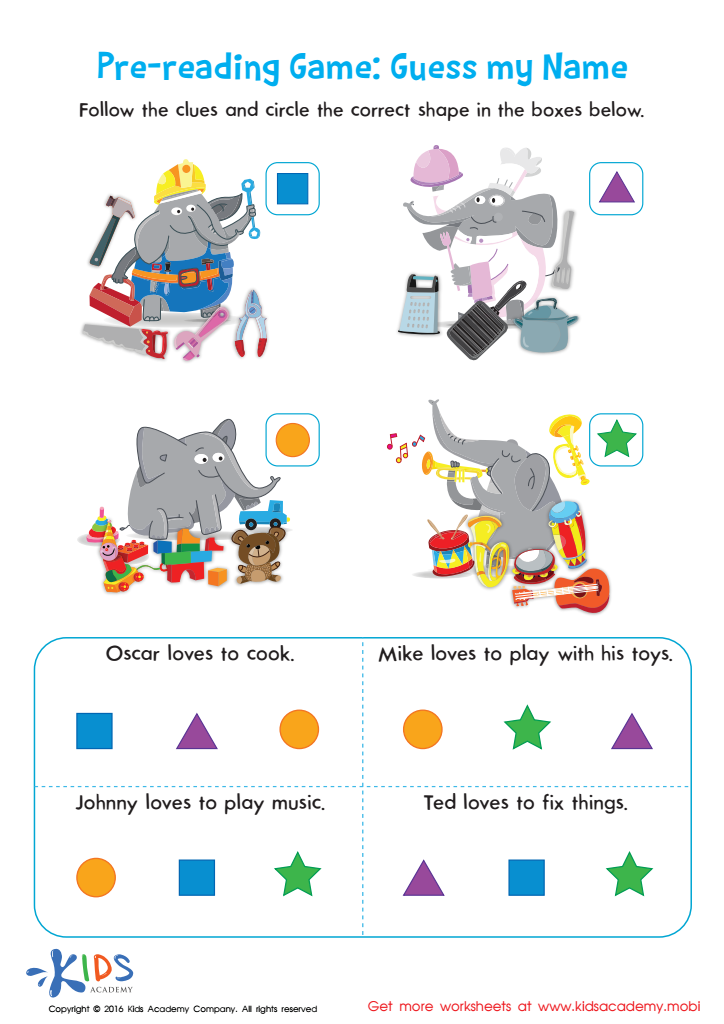
Pre Reading Worksheet Guess My Name
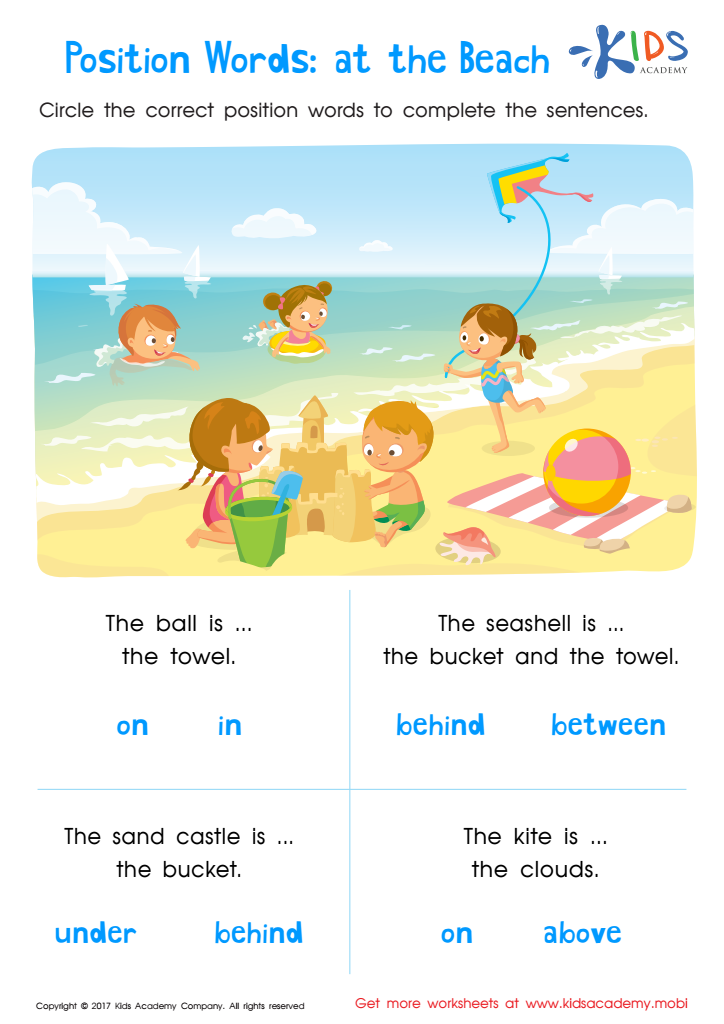
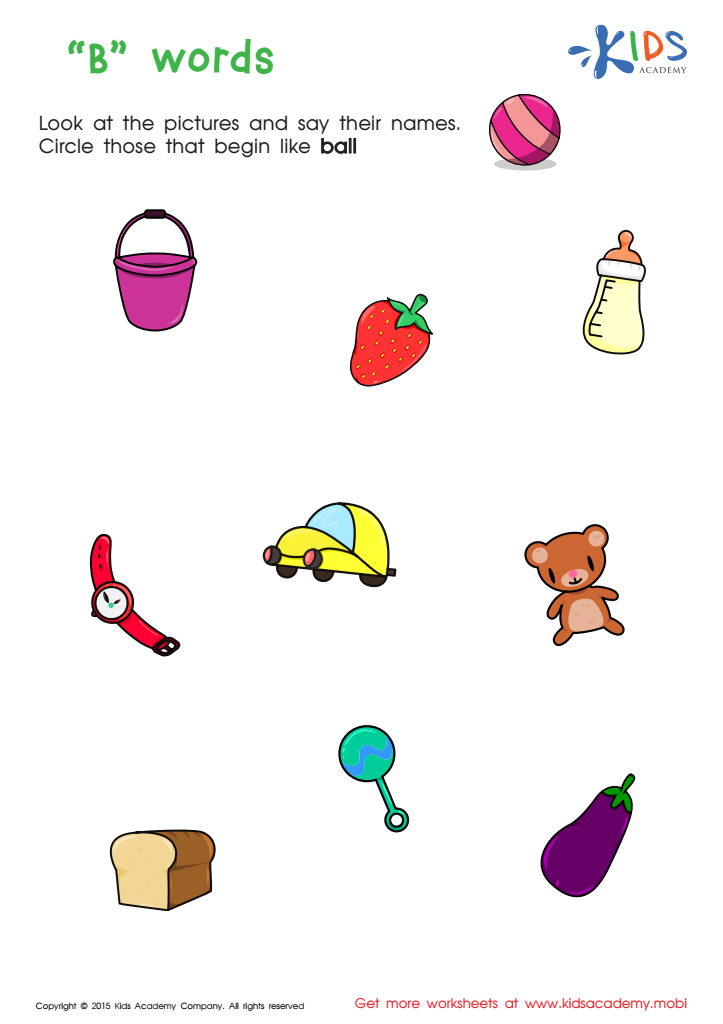
First Words Worksheet







Building vocabulary in children aged 3-8 is crucial for their overall development and academic success. During these formative years, children are like sponges, absorbing language in their environment. A rich vocabulary provides a foundation for effective communication, impacting their ability to express thoughts, feelings, and ideas.
Parents and teachers play pivotal roles in this learning curve. Engaging activities, such as reading together, playing word games, and encouraging conversations, can expose children to new words in context. This not only strengthens comprehension but also enhances critical thinking skills and boosts self-confidence.
Moreover, a strong vocabulary is linked to better performance in school. Children with rich language skills are more likely to excel in reading comprehension, writing, and overall literacy. They can understand and analyze more complex texts, setting them up for a lifetime of learning.
Additionally, developing vocabulary at an early age nurtures social skills. Children learn to articulate their needs and ideas, facilitating better interactions with peers and adults. Therefore, investing time and resources in vocabulary enrichment not only prepares children academically but also equips them with essential life skills. Teachers and parents should prioritize these activities, fostering a love for language and learning that lasts a lifetime.