Extra Challenge Long Vowels Worksheets for Ages 6-8
4 filtered results
-
From - To
Unlock the power of literacy with our "Extra Challenge Long Vowels Worksheets" designed specifically for children aged 6-8. These worksheets are perfect for enhancing phonics skills, featuring engaging activities that help young learners master long vowel sounds in a fun and interactive way. From identifying vowel patterns to stimulating writing exercises, these resources foster both creativity and comprehension. Ideal for classroom use or at-home practice, these worksheets support early reading development and build confidence in young minds. Empower your child with essential language skills through our thoughtfully crafted long vowel challenges today! Suitable for diverse learning levels and tailored for effective learning.
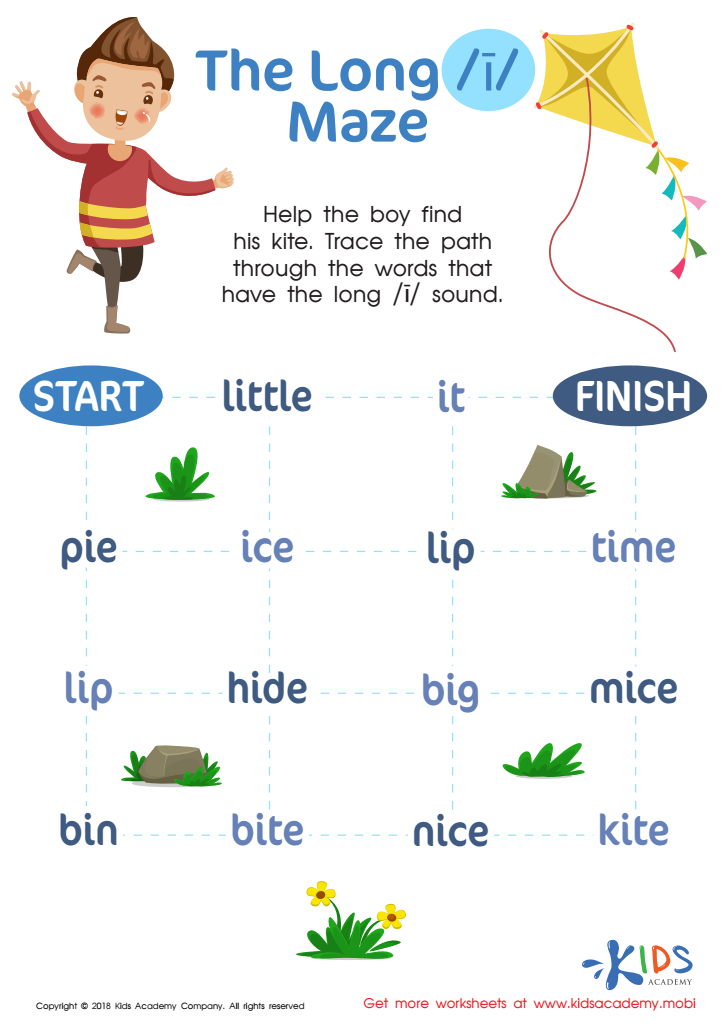
The Long I Maze Reading Worksheet
 Assign to My Students
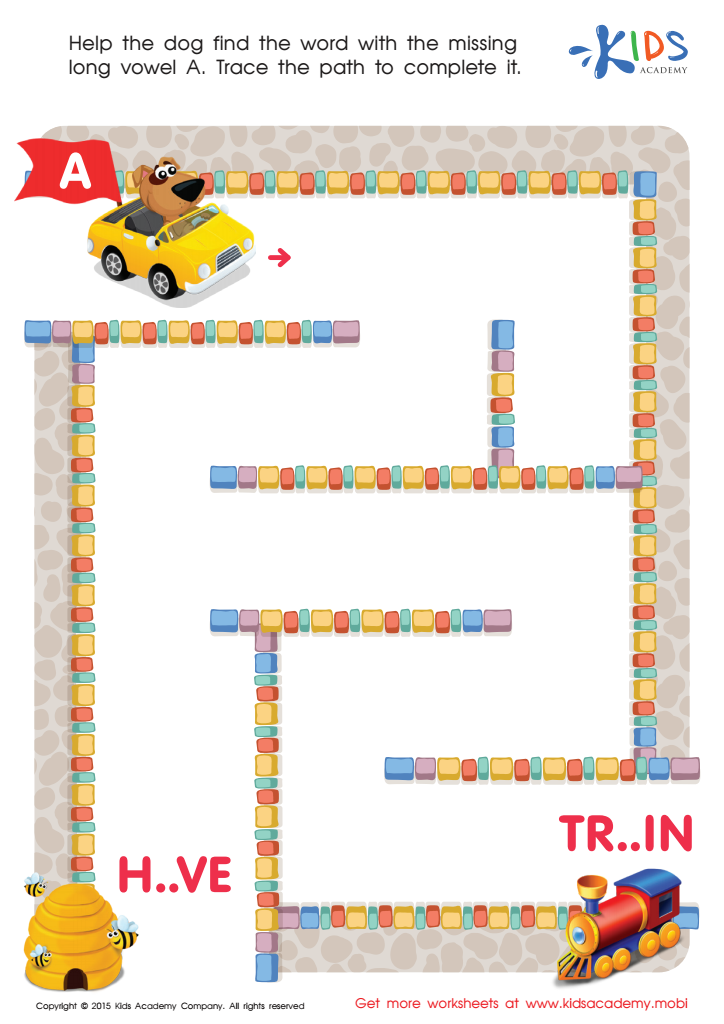
Long Vowel Sound A Worksheet
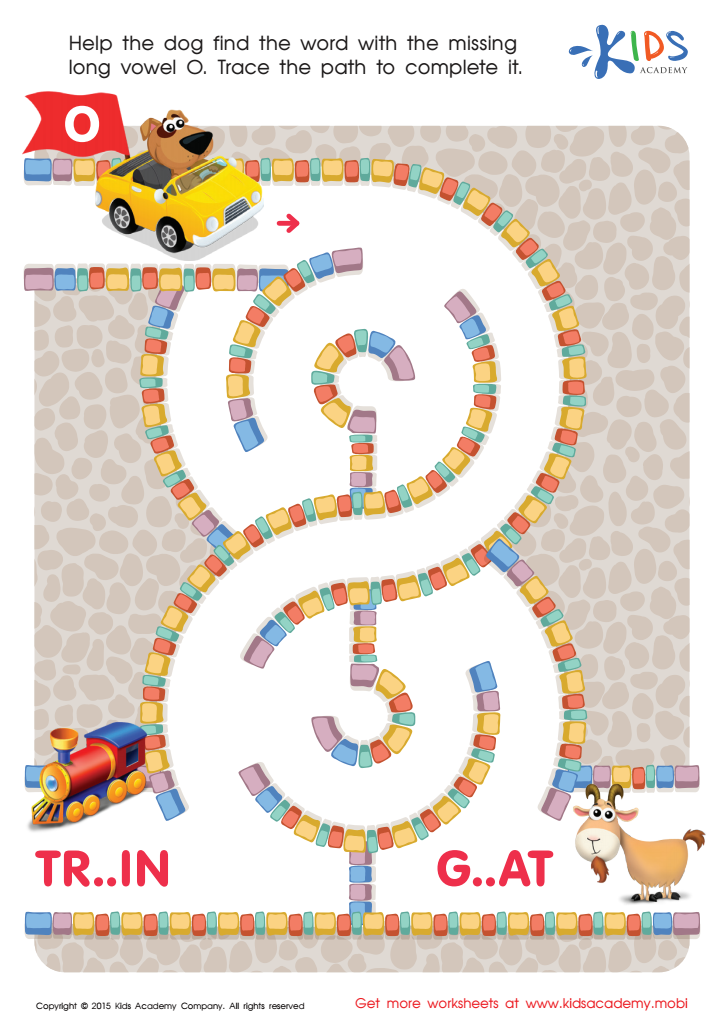
Long Vowel Sound O Worksheet
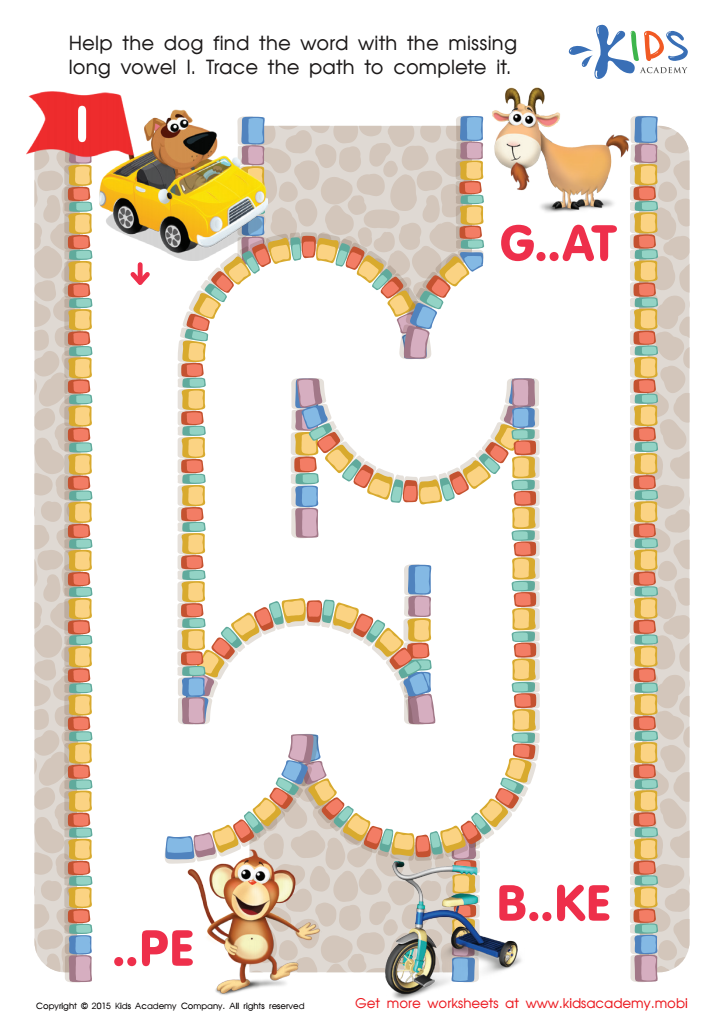
Long Vowel Sound I Worksheet



Extra Challenge Long Vowels is crucial for the literacy development of children aged 6-8, as it lays the foundation for their reading and writing skills. This age group typically starts to transition from learning to read to reading to learn, making a solid understanding of long vowels essential. Long vowels, which sound like their name (e.g., "a" in "cake"), are common in many words, influencing spelling patterns and overall literacy competence.
Parents and teachers should prioritize Extra Challenge Long Vowels to enhance vocabulary, improve fluency, and foster a love for reading. Engaging students with varied activities related to long vowels can provide deeper learning experiences and make the process enjoyable. It also cultivates critical thinking as children begin to recognize and apply vowel patterns in different contexts.
Moreover, a strong grasp of long vowels significantly impacts children's confidence in both their oral and written communication skills. This boosts their performance in standardized tests and real-life writing tasks. By encouraging mastery of long vowels, we prepare children for success in later years while nurturing their enthusiasm for literacy. Ultimately, understanding long vowels helps children unlock the world of reading and academic achievement, making it a priority for educators and families alike.