Extra Challenge Governance and Civics Worksheets for Ages 7-9
5 filtered results
-
From - To
Introducing "Extra Challenge Governance and Civics Worksheets for Ages 7-9," designed to engage young minds in the fundamentals of governance and civics. These expertly crafted worksheets offer interactive exercises and thought-provoking questions that bring social studies to life. Perfect for enhancing classroom learning or for supplemental at-home practice, our worksheets aim to build foundational knowledge in an enjoyable and educational way. Topics range from the basics of government structures to the importance of community roles and responsibilities. Help your child develop a deeper understanding of the world around them with these fun, challenging, and informative worksheets.
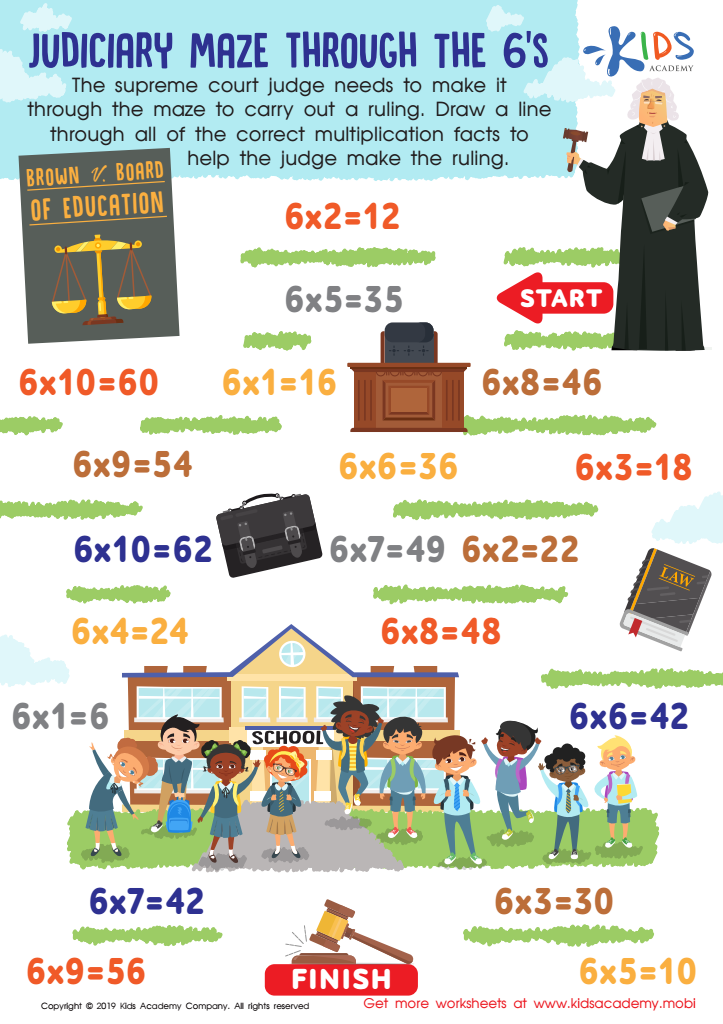
Judiciary Maze Through The 6’s Worksheet
 Assign to My Students
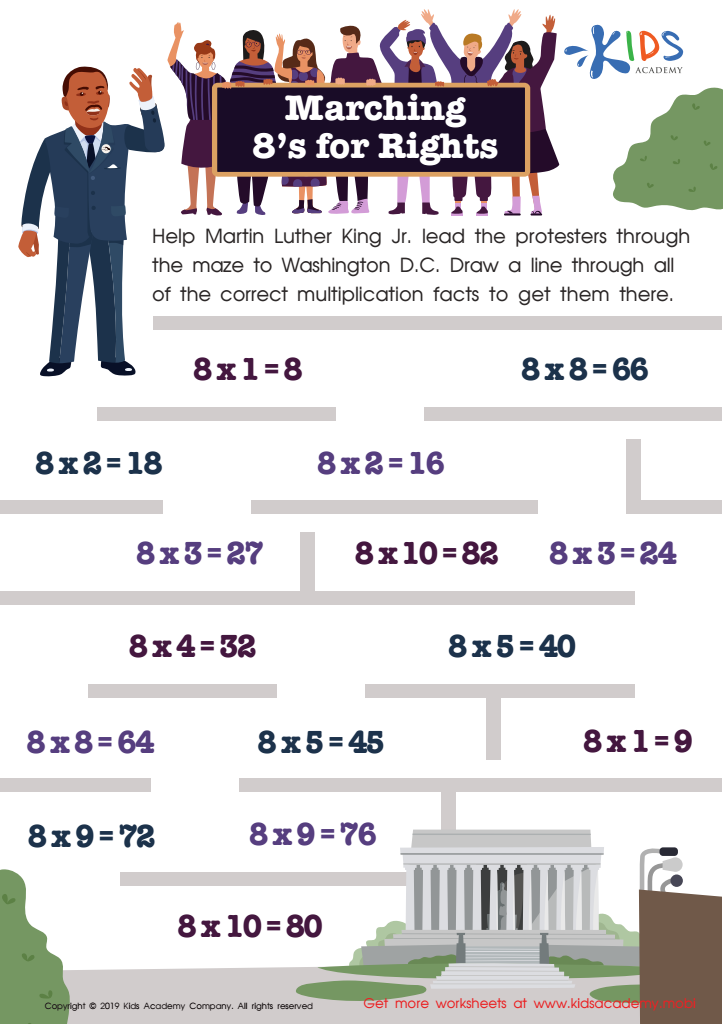
Marching 8’s for Rights Worksheet

French Word Tracing: Bonjour Worksheet
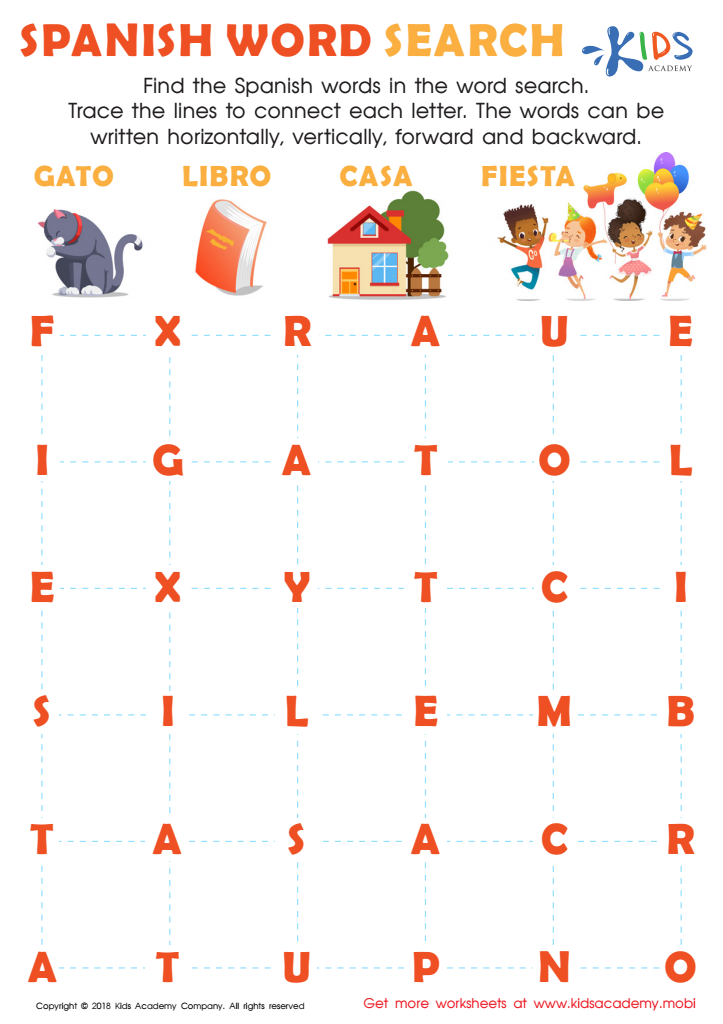
Spanish Word Search Worksheet
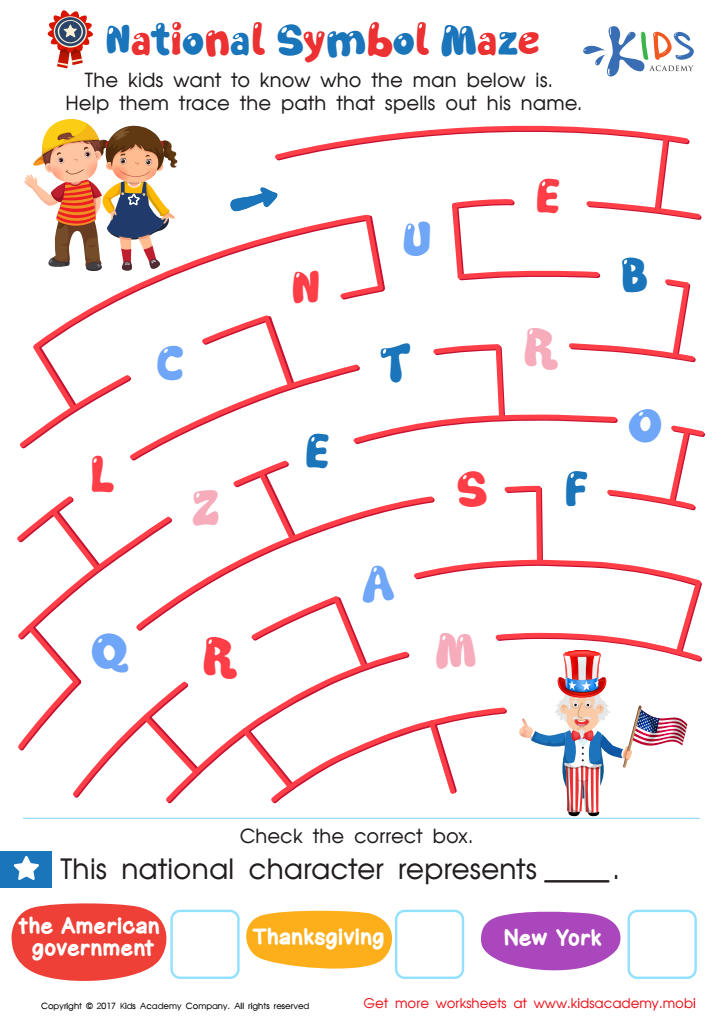
National Symbol Maze Worksheet


It's essential for parents and teachers to engage young children in Extra Challenge Governance and Civics for several reasons. Firstly, fostering an early understanding of governance and civics builds the foundation for informed and responsible citizenship. Children who are exposed to these topics are more likely to develop an interest in their community, understand how government functions, and recognize the importance of laws and civic responsibilities.
Moreover, these subjects cultivate critical thinking skills. By learning about democracy, the roles of leaders, and how decisions impact society, children begin to analyze and question the world around them, which is vital for problem-solving and decision-making in all areas of life.
Another critical aspect is character development. Understanding civics and governance teaches values such as fairness, justice, and empathy, encouraging children to respect diversity and develop a sense of community. These lessons contribute to building cooperative, ethical, and conscientious future leaders.
Lastly, introducing these concepts at a young age promotes engagement and participation. When children grasp the importance of voting, volunteering, and community involvement early on, they are more likely to be active, engaged citizens as adults. In sum, laying the groundwork for governance and civic education helps shape knowledgeable, critical-thinking, and community-minded individuals.