Filters

6 filtered results

Clear all filters
Favorites
With answer key
Interactive

6 filtered results

Difficulty Level

Grade


Explore our engaging "Normal Our Body and Health Worksheets" specifically designed for children ages 3-6. These worksheets provide a fun, interactive way for young learners to discover the wonders of the human body and the importance of maintaining good health. With colorful illustrations and simple activities, kids will identify body parts, understand basic health concepts, and promote healthy habits. Perfect for home or classroom use, these resources encourage curiosity and foster a foundational understanding of biology. Enhance your child's early learning journey with enjoyable and educational worksheets that support their growth and development while making learning fun!

Check out this FREE Trial Lesson on Our Body and Health for age 3-6!

Inherited Traits

Favorites
With answer key
Interactive
  • 3-6
  • Interactive
  • Our Body and Health
  • Normal
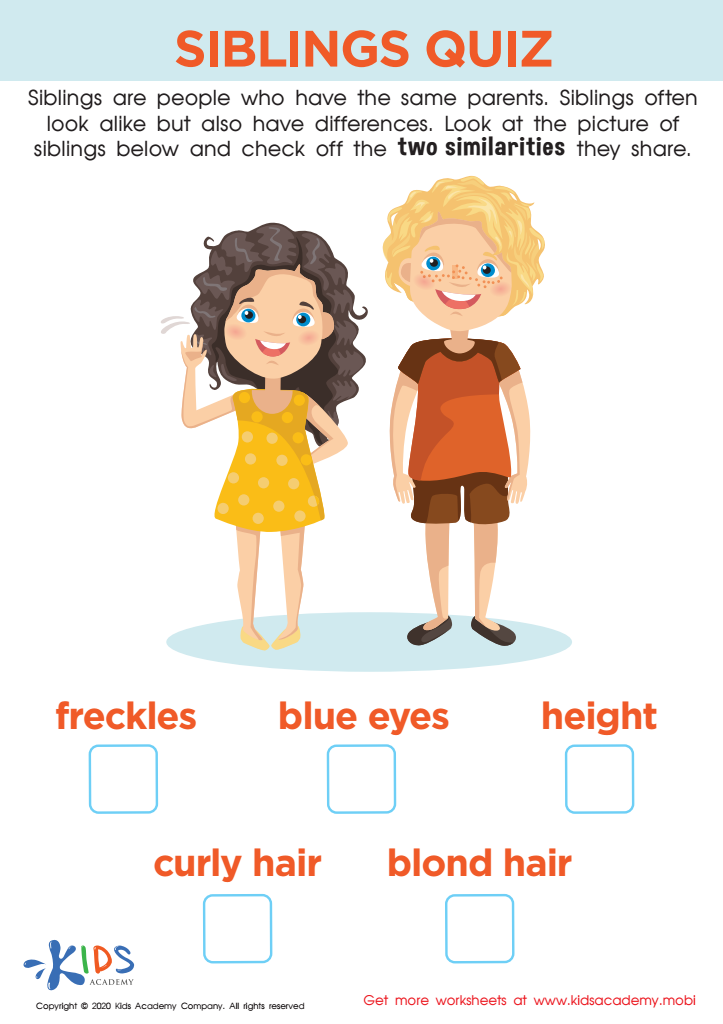
Siblings Quiz Worksheet

Siblings Quiz Worksheet

Your children may know a sibling is a sister or brother, but not realize what it means to be one. Siblings share the same parents, which means they share many genes. They are alike in many ways, but also have their own unique traits. Help your future scientist understand this early biology concept with this fun worksheet. They'll be tasked with finding similarities between two siblings on the page.
Siblings Quiz Worksheet
Worksheet
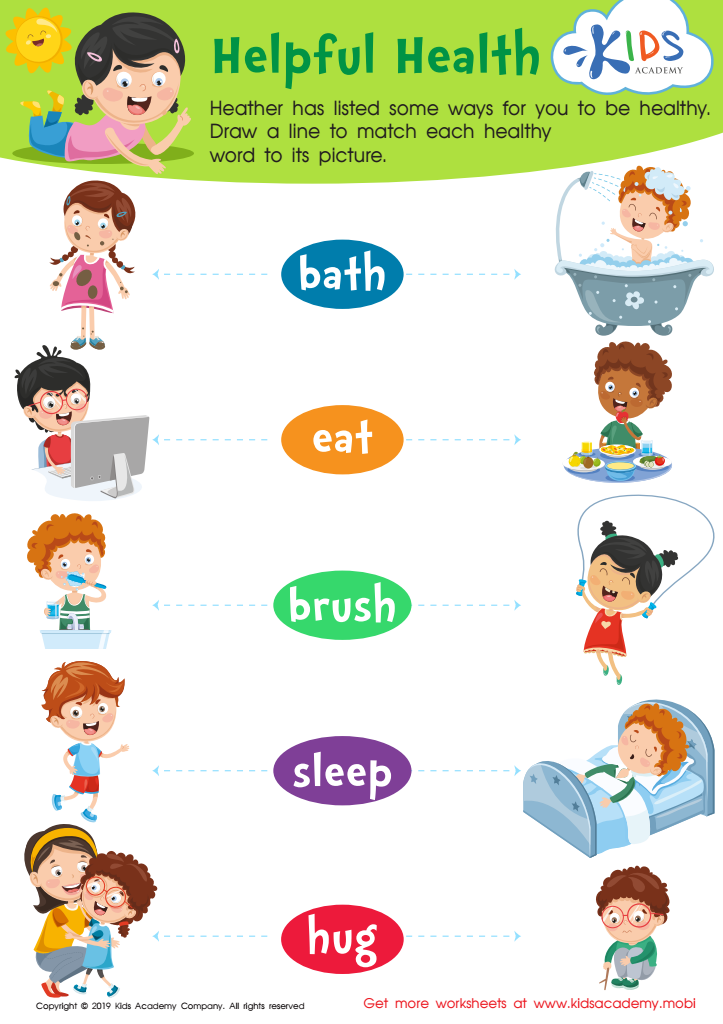
Helpful Health Worksheet

Helpful Health Worksheet

Kids can learn healthy habits with this free worksheet! With their pal Heather, they'll trace lines to connect health words with pictures like brushing teeth, hugging, and getting enough sleep. It's a great way to help young ones understand healthy activities.
Helpful Health Worksheet
Worksheet
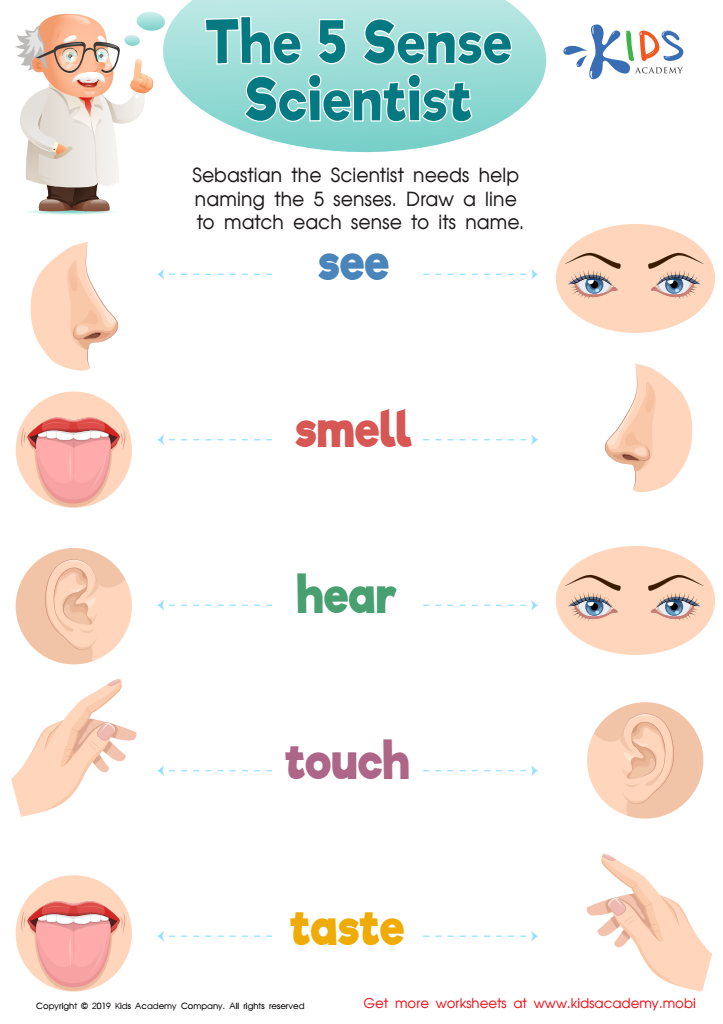
The 5 Sense Scientist Worksheet

The 5 Sense Scientist Worksheet

Our young children will have fun learning about their five senses with this free Sense Scientist worksheet. Helping Sebastian the Scientist, they'll name the five senses and use traceable lines to connect each picture with its correct sense. Colorful words and pictures will create a memorable picture representation.
The 5 Sense Scientist Worksheet
Worksheet
Sensory Words Worksheet

Sensory Words Worksheet

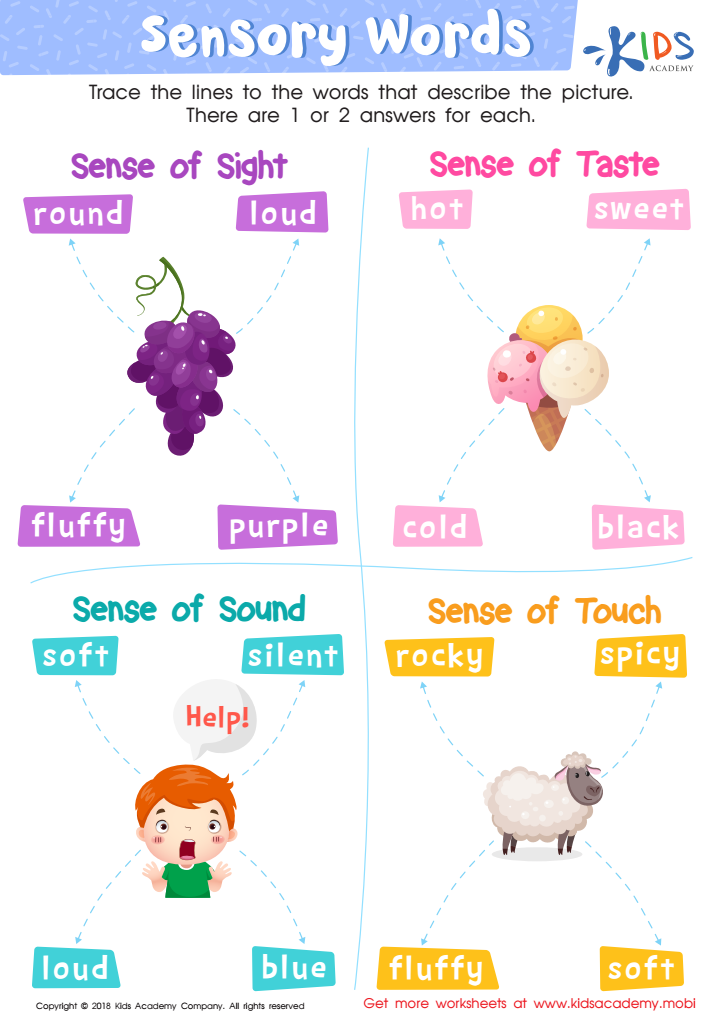
This worksheet helps students explore sensory words by looking at pictures and selecting one or two words to describe how it looks, feels, tastes, smells or sounds. Adding sensory words to texts makes them more interesting and helps students comprehend stories and articles better.
Sensory Words Worksheet
Worksheet
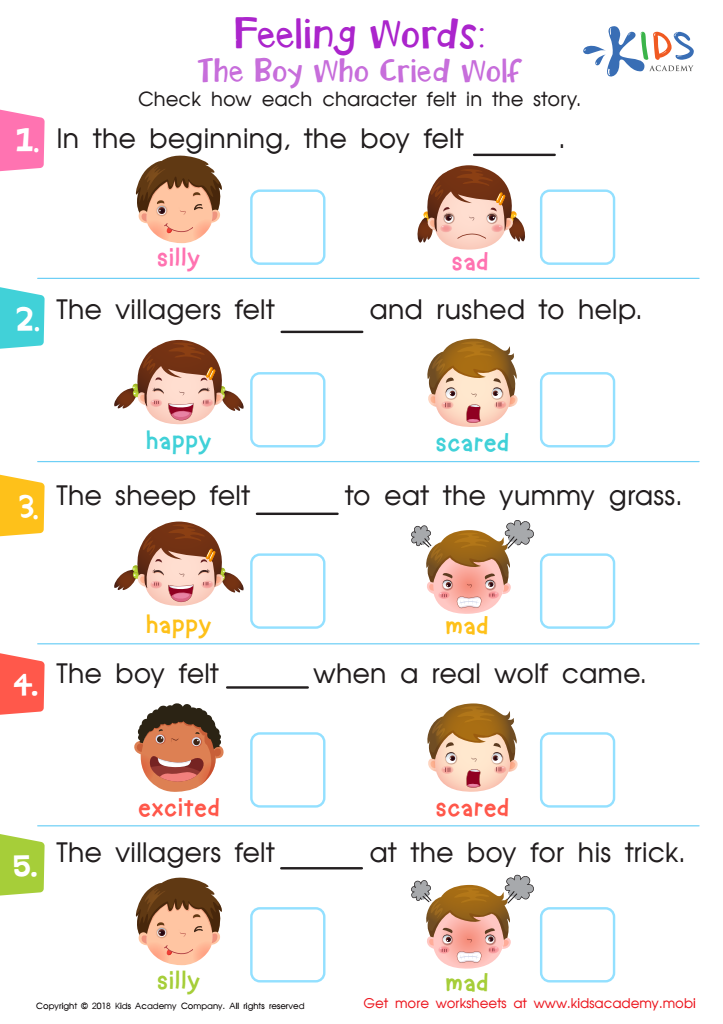
Feeling Words: The Boy Who Cried Wolf Worksheet

Feeling Words: The Boy Who Cried Wolf Worksheet

This worksheet helps students infer characters' traits and feelings by reading The Boy Who Cried Wolf. They choose the correct emotion for each character to improve their story comprehension. A great resource for the reading classroom, it teaches an essential comprehension skill.
Feeling Words: The Boy Who Cried Wolf Worksheet
Worksheet
Basic Anatomy Worksheet

Basic Anatomy Skills Printable

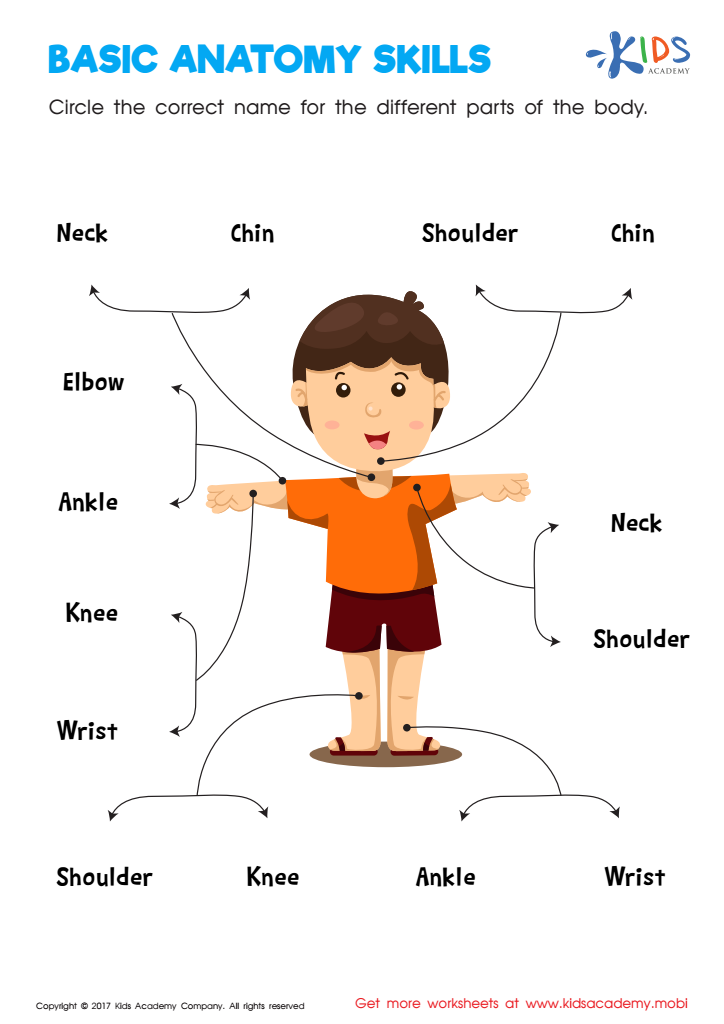
Introduce your child to basic anatomy with this worksheet! It will help him learn essential body part names, differentiate between them, recognize and label them. This will give him the tools to better communicate his feelings and become self-aware.
Basic Anatomy Skills Printable
Worksheet


Understanding "Our Body and Health" for children ages 3-6 is crucial for several reasons. At this early age, children are naturally curious about their bodies and the world around them. By addressing concepts related to health and body awareness, parents and teachers can cultivate a solid foundation for lifelong healthy habits. Educating young children about hygiene, nutrition, and physical activity forms the basis for making informed choices as they grow.

Moreover, discussions about body awareness foster self-esteem and body positivity, helping children develop a healthy relationship with themselves. Teaching them to recognize their emotions and the importance of sharing feelings enhances their social skills and emotional intelligence.

Additionally, equipping children with knowledge about their bodies empowers them to communicate about their health. They learn to recognize signs of discomfort or illness and understand when to seek help, fostering independence and responsibility for their health.

Finally, by promoting healthy practices early on, parents and educators are ultimately contributing to reduced risks of childhood obesity, chronic diseases, and mental health issues in later years. Investing time into teaching "Our Body and Health" not only enriches children's lives but also sets them on a path toward a healthy, active lifestyle.