Normal Comparing Numbers Worksheets for Ages 3-7 - Page 2
25 filtered results
-
From - To
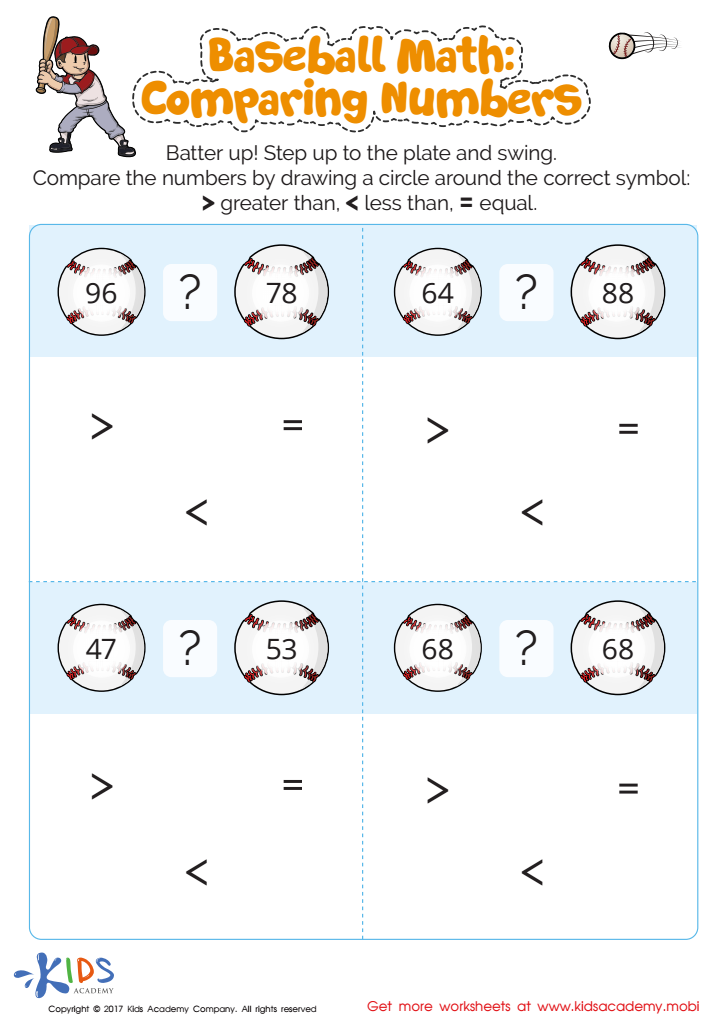
Compare Numbers Printable
 Assign to My Students
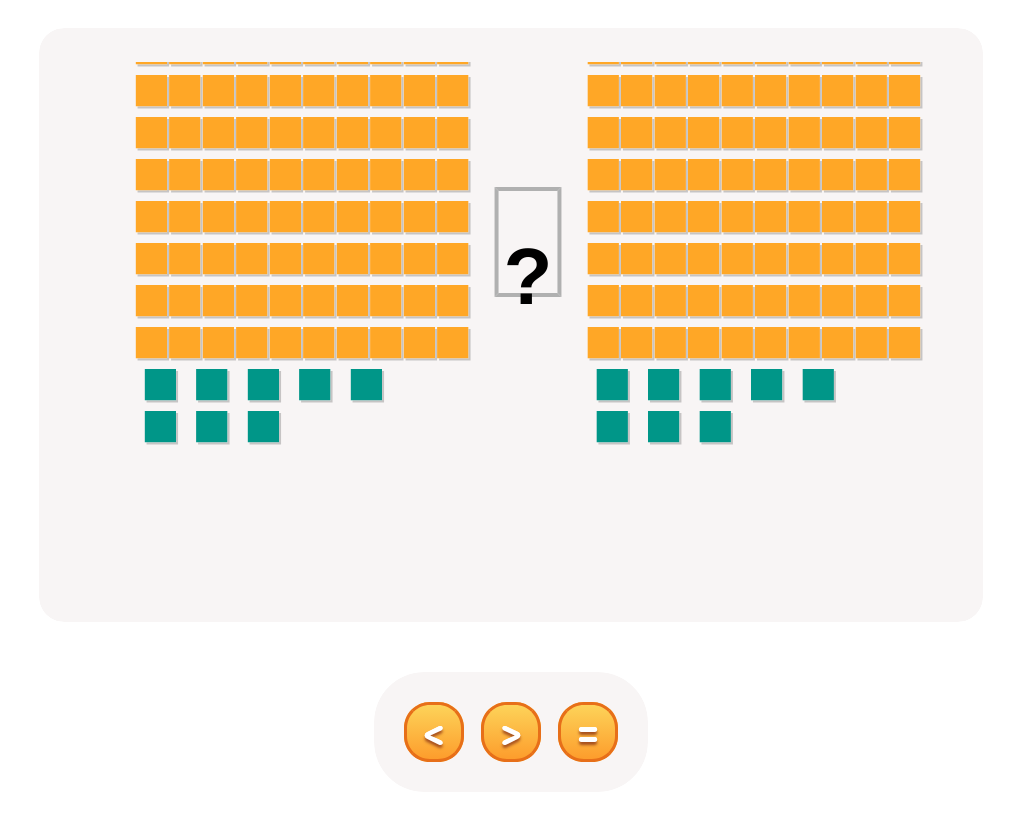

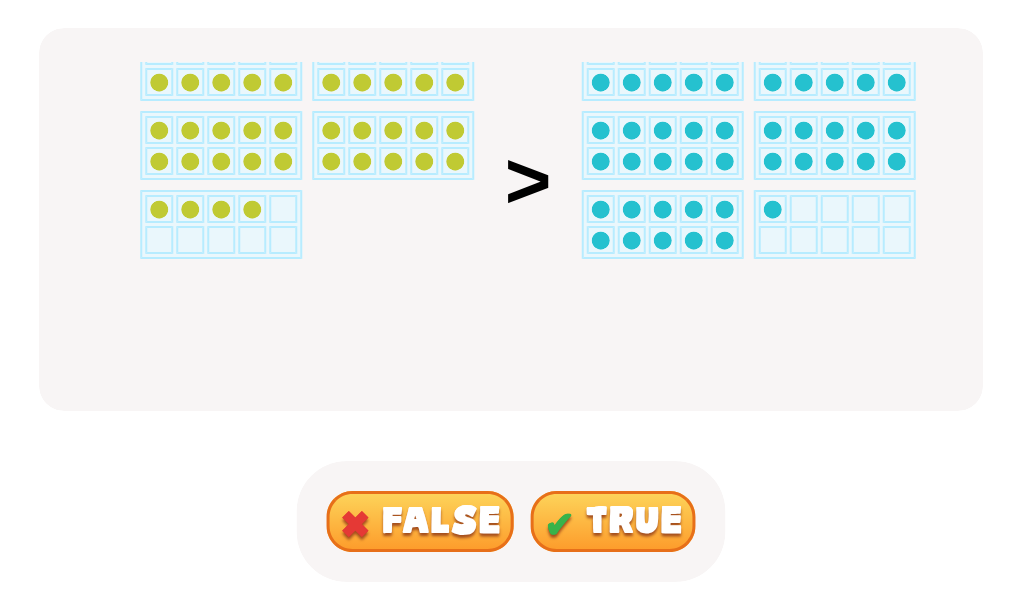
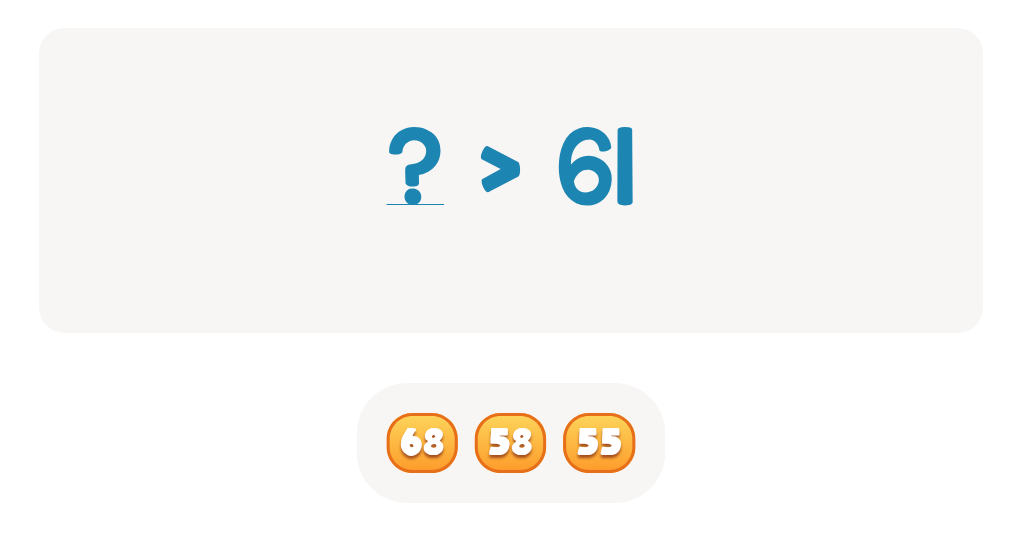
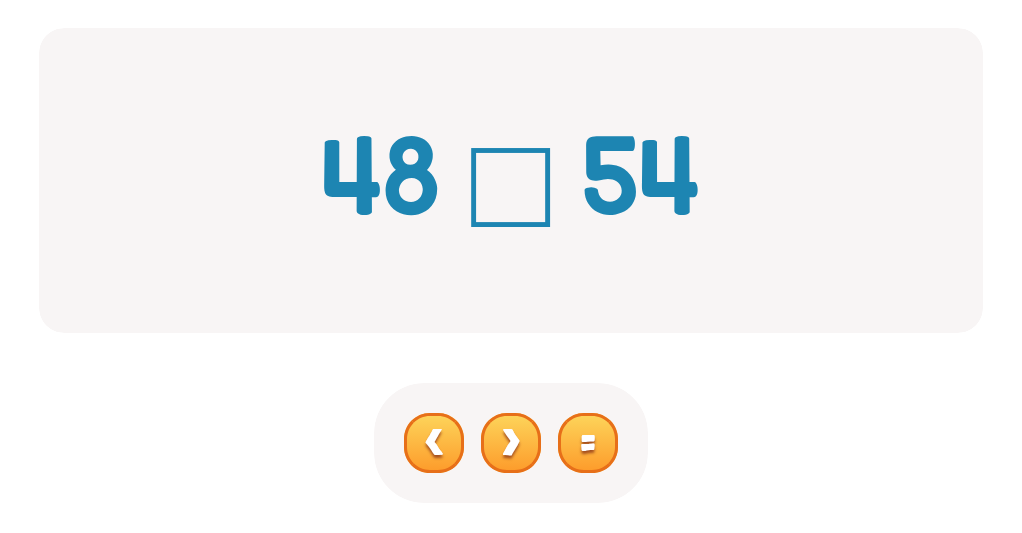
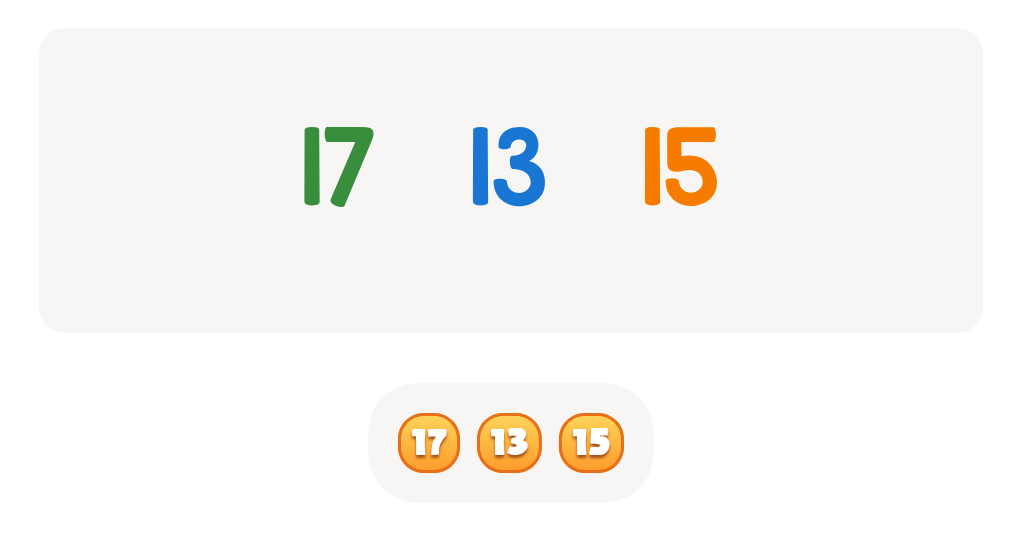
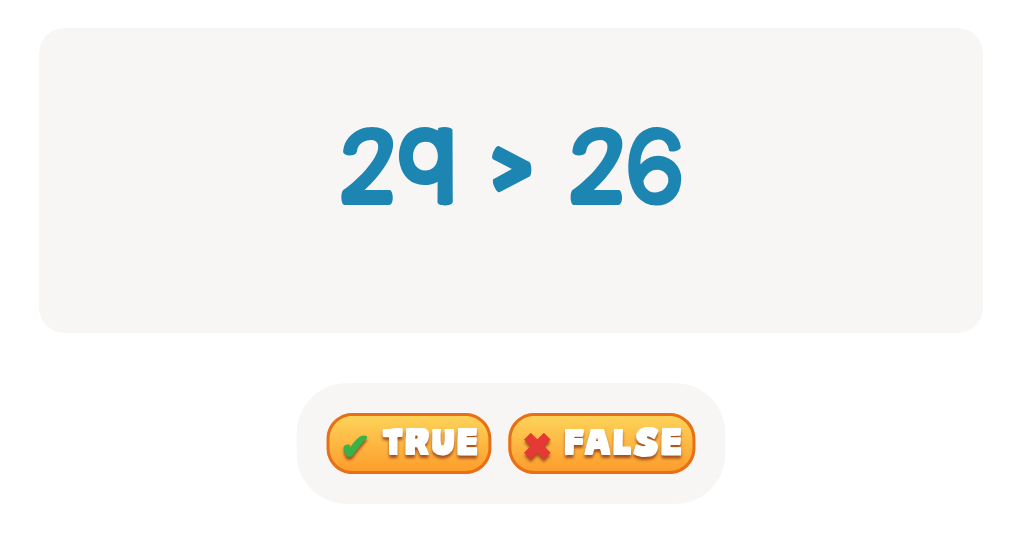
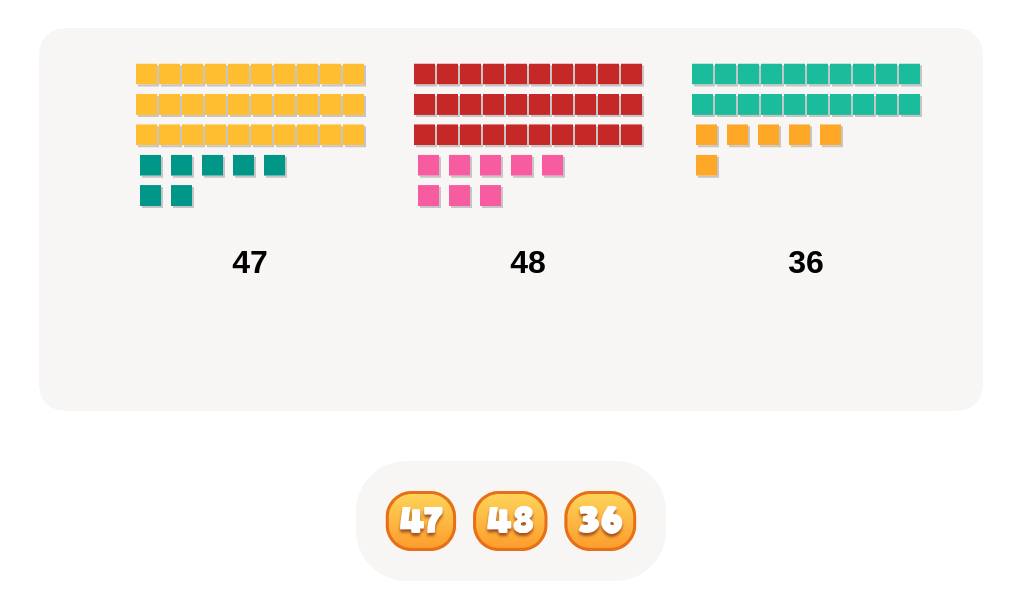
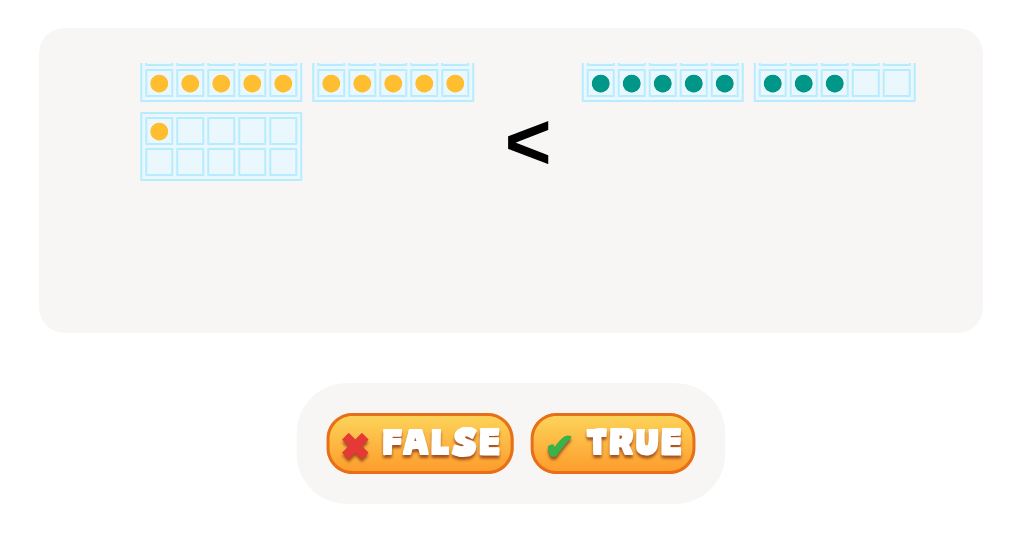
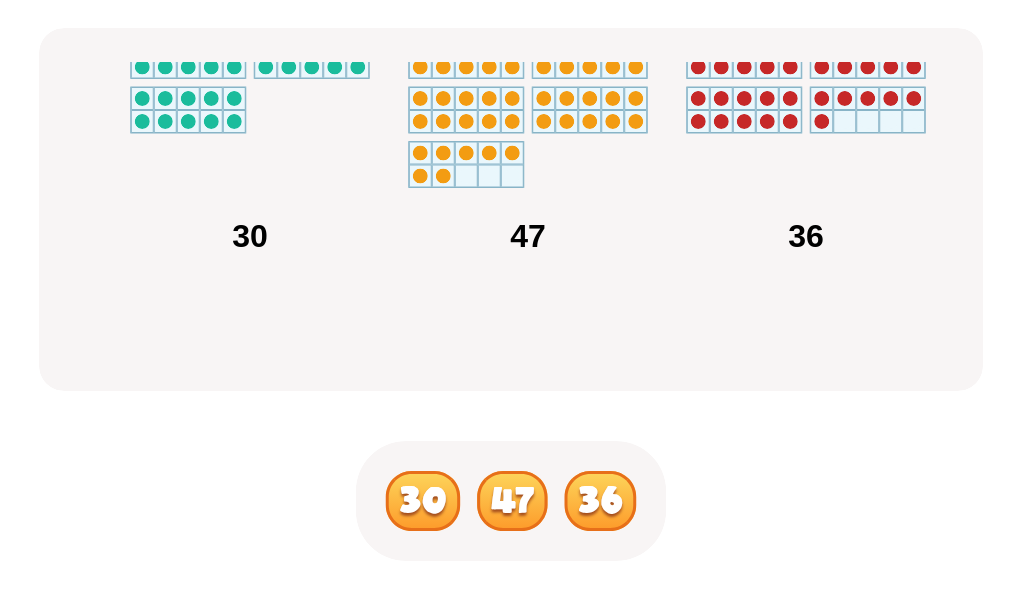








Normal comparing numbers is a foundational skill for children aged 3-7, significantly impacting their overall mathematical development. At this early age, children are beginning to construct a basic understanding of quantity, which lays the groundwork for future arithmetic skills. By engaging in activities that encourage comparing numbers, parents and teachers help children refine their ability to recognize greater and lesser values, fostering critical thinking and problem-solving skills.
Encouraging children to compare numbers enhances their language development as they learn specific vocabulary associated with size, quantity, and numeracy (e.g., "more," "less," "equal to"). These foundational concepts later translate into understanding addition and subtraction, and contribute to more complex operations in later years.
Moreover, this skill supports the development of cognitive abilities such as logical reasoning and pattern recognition. Children learn to classify and sort items, which is essential for many early science concepts.
Ultimately, parental and teacher involvement in this phase of development gives children the confidence and competence necessary to engage with mathematics throughout their education, making it crucial to recognize the long-term value of teaching normal comparing numbers in this vital early learning stage.