Normal Our Planet and Environment Worksheets for Ages 3-7 - Page 3
50 filtered results
-
From - To
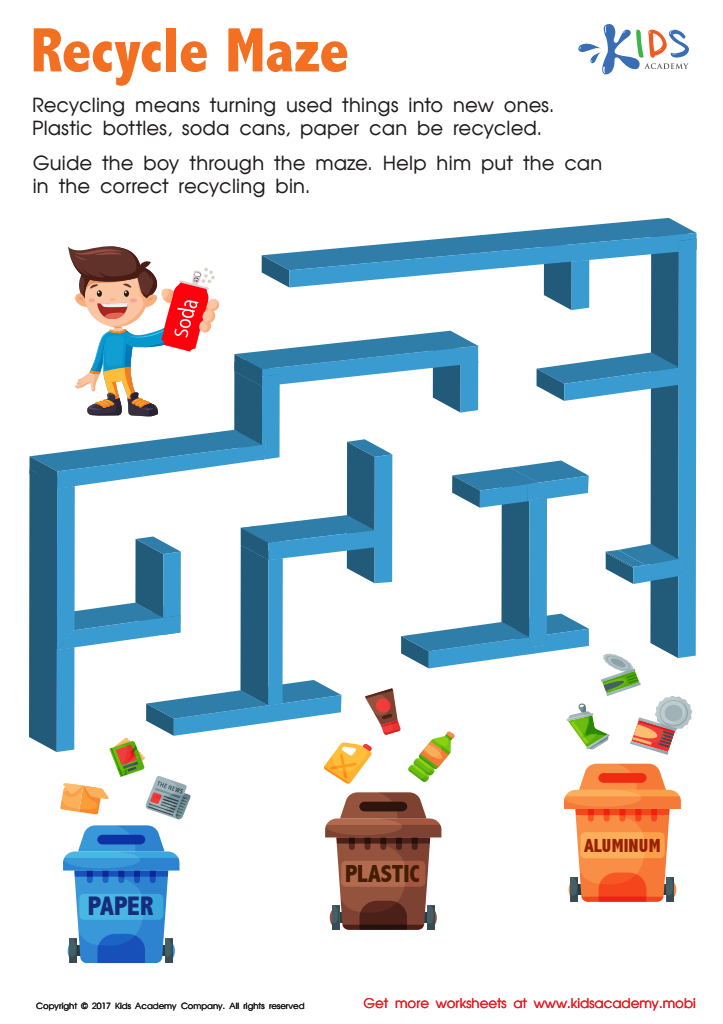
Recycle Maze Worksheet
 Assign to My Students
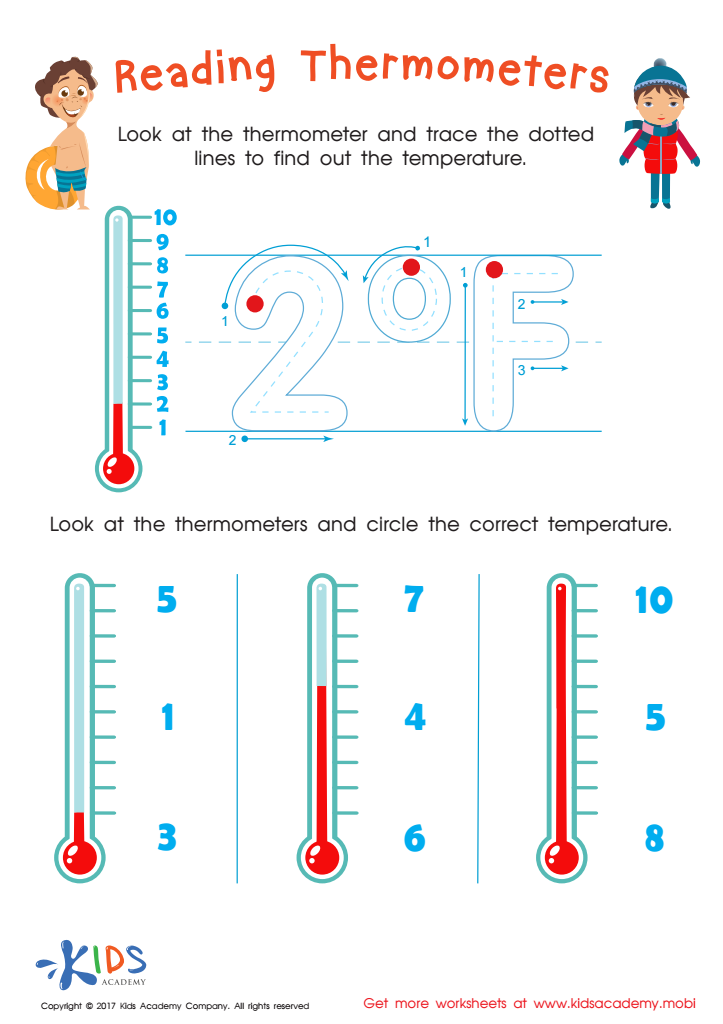
Reading Thermometers Printable




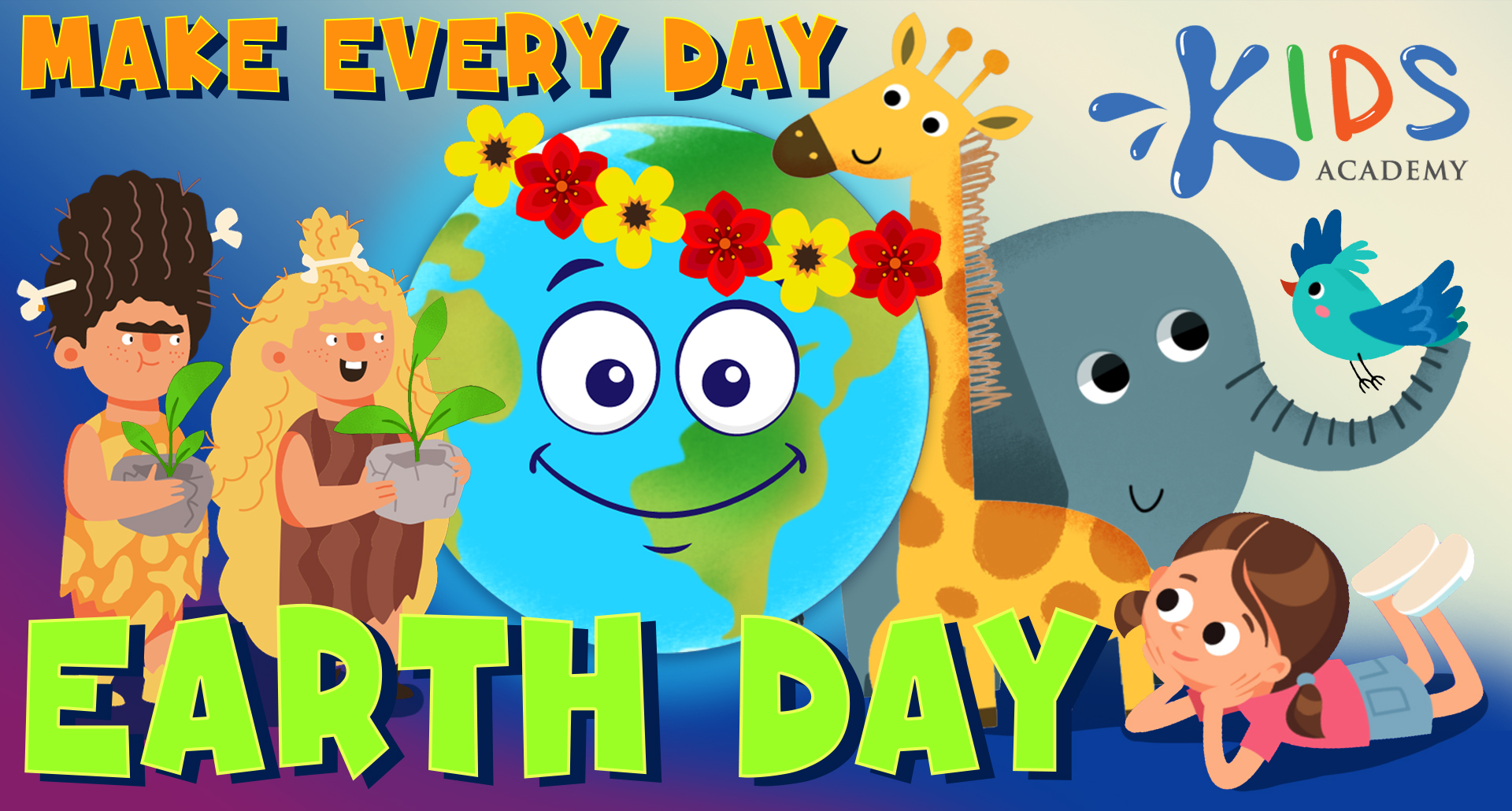
Caring for our planet and environment holds immense importance for parents and teachers of children aged 3-7, as these formative years are crucial in shaping their habits, attitudes, and outlook on life. Teaching young children about the environment helps cultivate respect and appreciation for nature early on. Kids who learn about their planet develop empathy, a sense of responsibility, and an understanding of the impact their actions can have on the world around them.
Moreover, fostering environmental awareness from a young age can instill beneficial habits, such as recycling, conserving water, and reducing waste, which can become second nature as they grow. These early lessons can lay the groundwork for more sustainable living practices that these children will carry into adulthood, potentially leading to a more environmentally-conscious generation.
Besides developing ecological habits, spending time outdoors and learning about nature stimulates curiosity, creativity, and physical well-being. Young children benefit from sensory experiences, exploration, and play in natural settings, which are fundamental to their cognitive and emotional development.
By embedding the importance of environmental stewardship in curricula and at home, parents and teachers create environmentally literate citizens who value and work toward a sustainable future, ensuring that our planet remains healthy and vibrant for generations to come.







