Normal Space Worksheets for Ages 3-7 - Page 2
29 filtered results
-
From - To
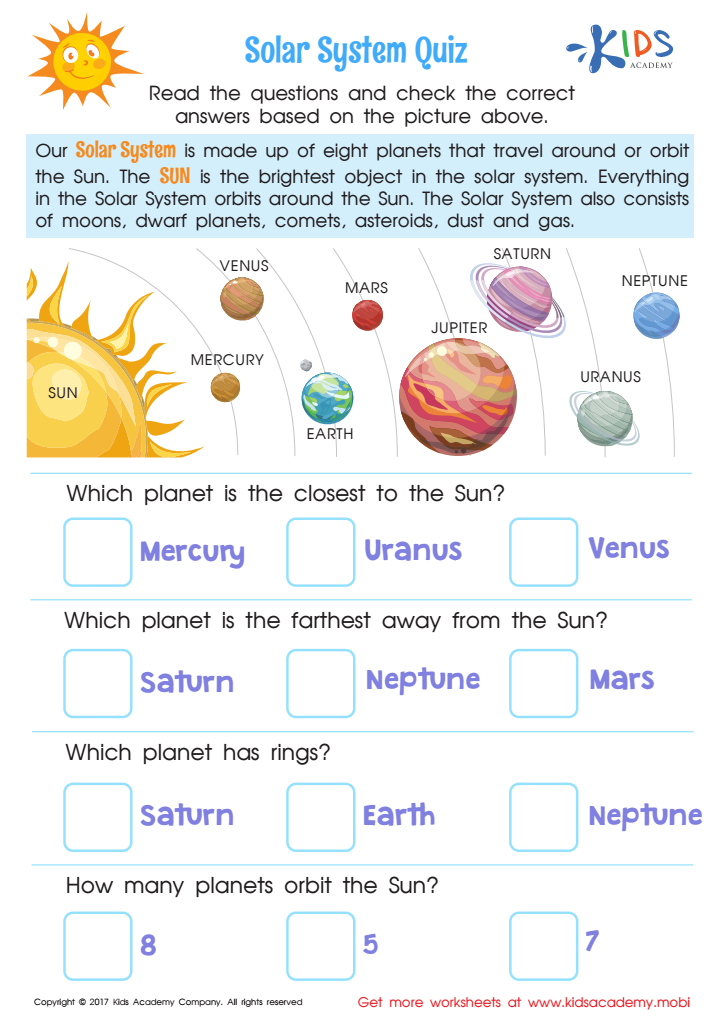
Solar System Quiz Printable
 Assign to My Students
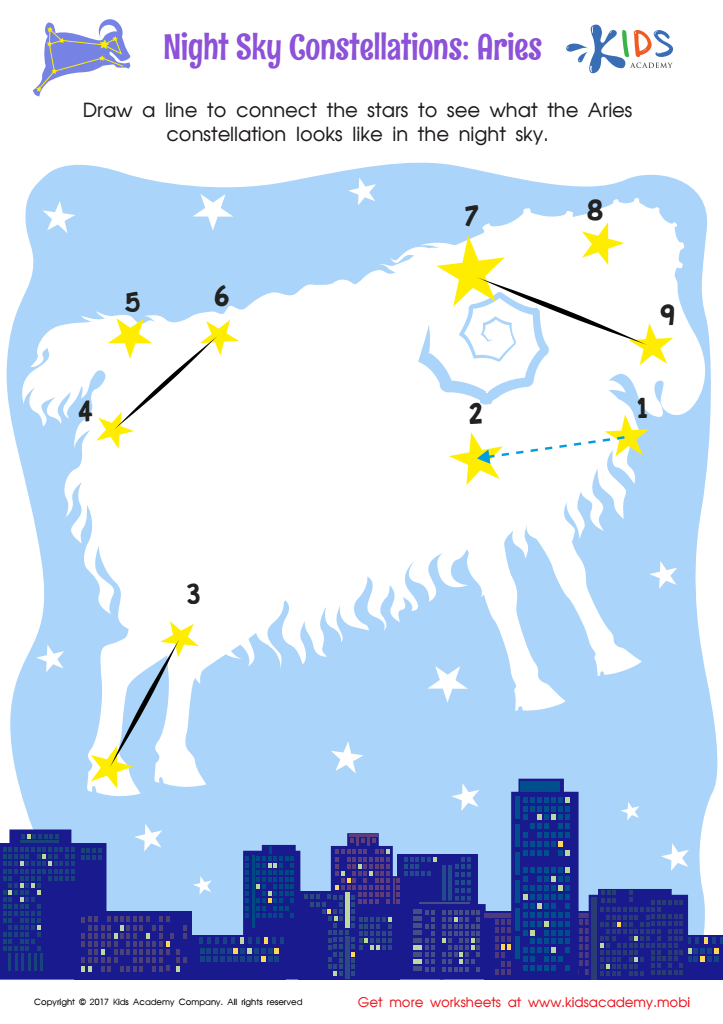
Night Sky Constellations: Aries Worksheet
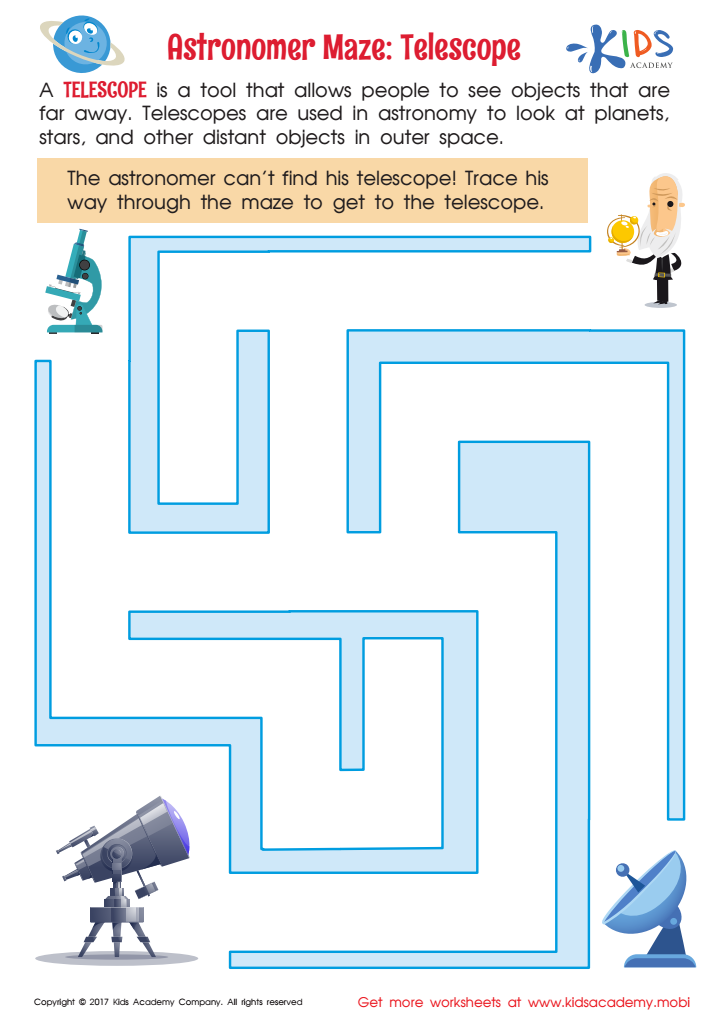
Astronomer Maze: Telescope Worksheet
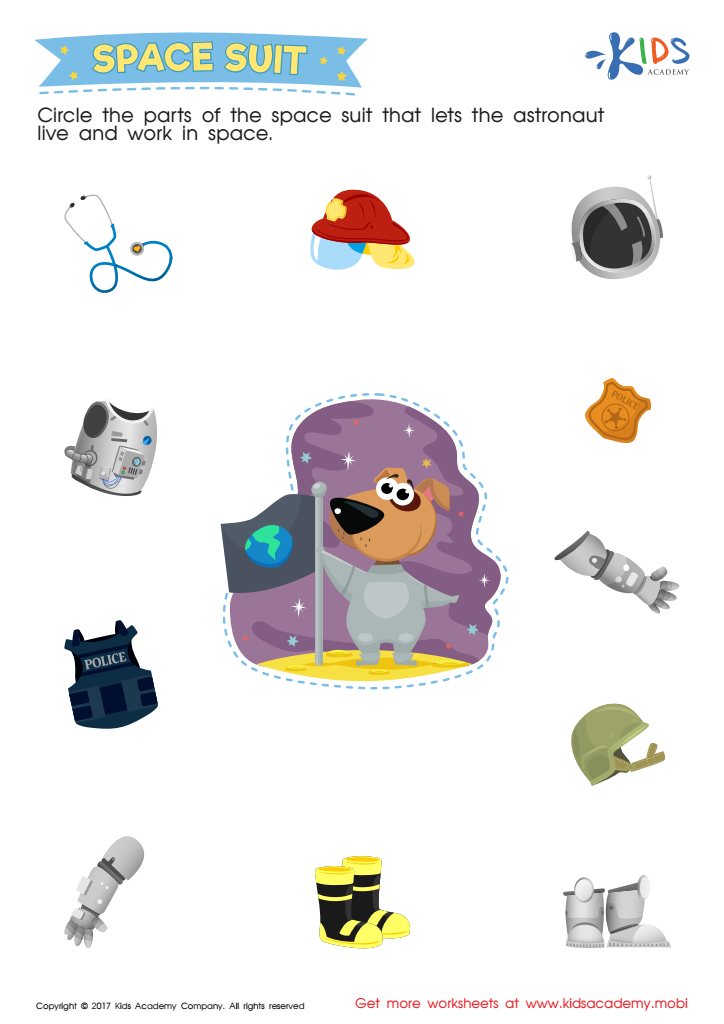
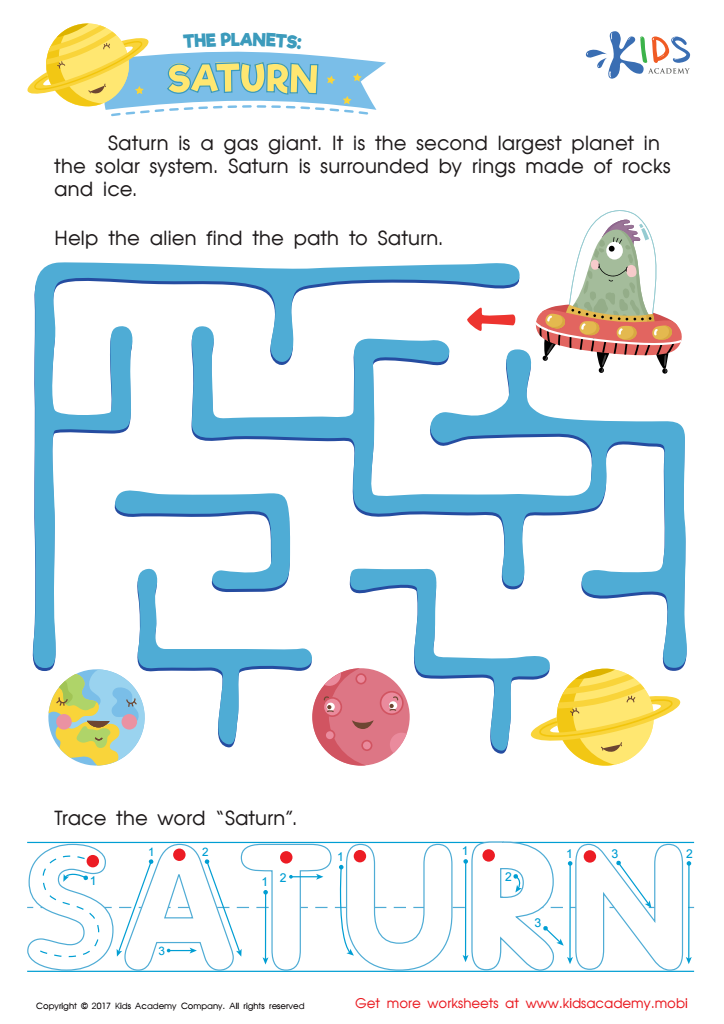
The Planets: Saturn Printable







Normal Space is a vital concept for children aged 3-7, as it centers around creating an inclusive, safe, and nurturing environment for their developmental growth. During these formative years, children are highly impressionable, and the atmosphere they engage in significantly influences their emotional, social, and cognitive skills.
For parents and teachers, understanding Normal Space is crucial because it helps in fostering positive relationships among children, encouraging creativity, and promoting emotional well-being. A supportive environment reduces anxiety, enabling children to feel more secure and willing to explore and learn. When they are provided with personal space that respects their comfort and boundaries, it affirms their individuality and builds their confidence.
Moreover, Normal Space includes considerations of physical space and learning materials that are age-appropriate and engaging. This ensures that activities are not just developmentally suitable, but also interesting and challenging, catering to various learning styles.
Overall, by prioritizing Normal Space, parents and teachers lay down the foundation for successful emotional regulation, social interactions, and academic achievements, ultimately equipping young children with essential skills they will carry throughout their lives. It is an investment in their future, paving the way for healthy development and lifelong learning.







