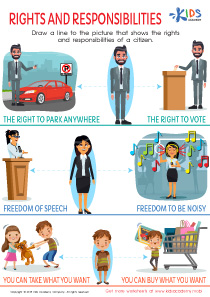
Normal Governance and Civics Worksheets for Ages 3-7 - Page 2
28 filtered results
-
From - To
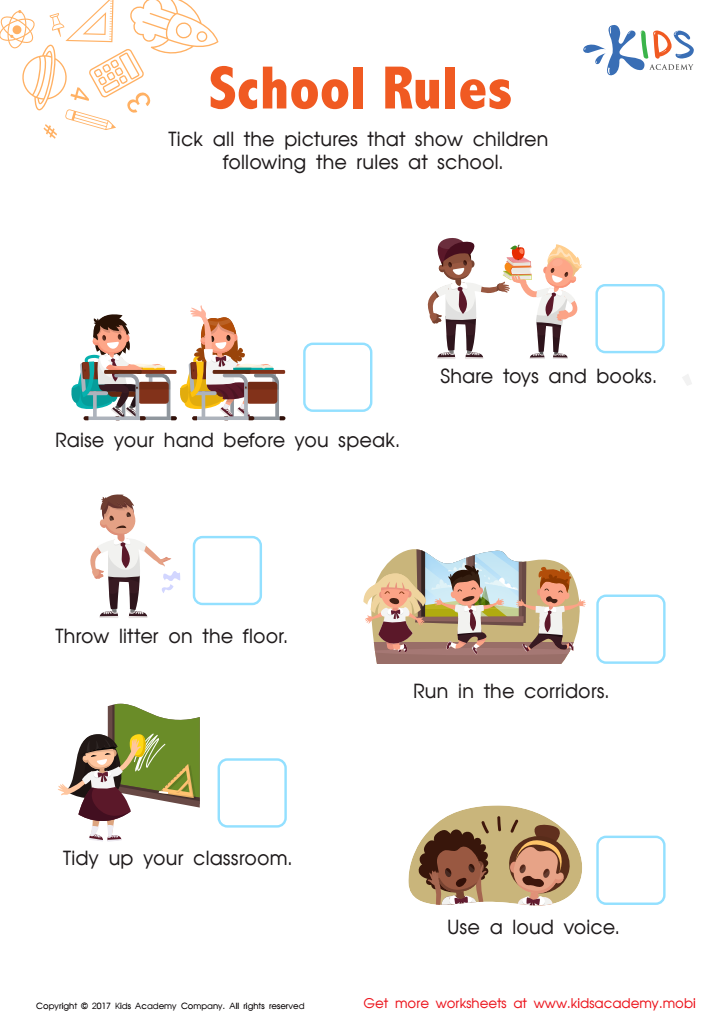
School Rules Worksheet
 Assign to My Students
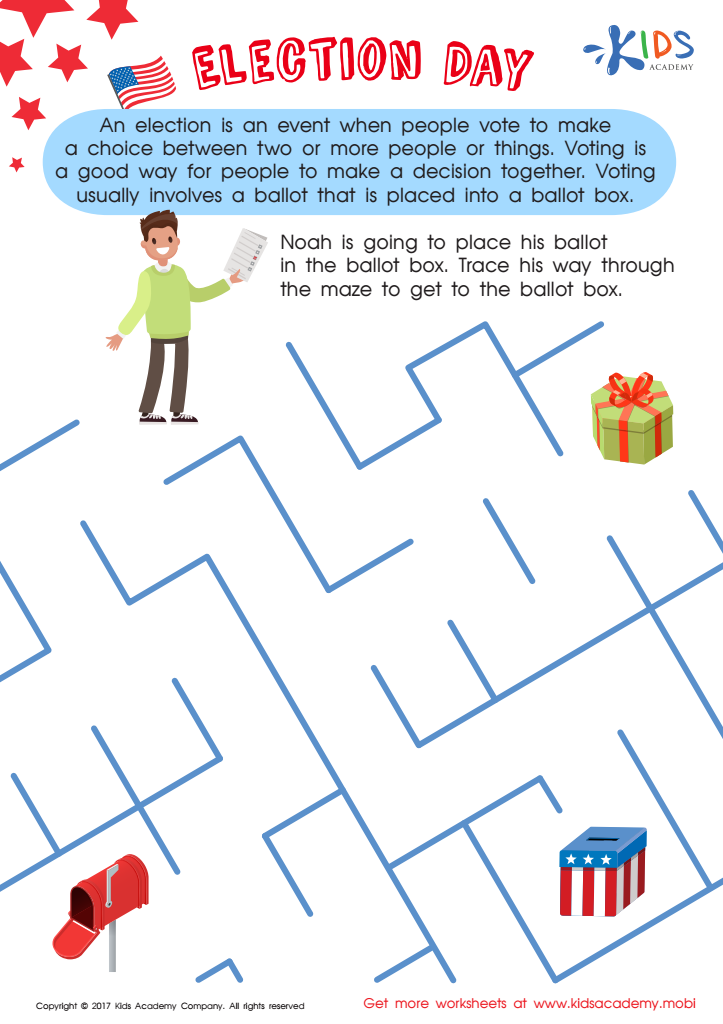
Election Day Worksheet
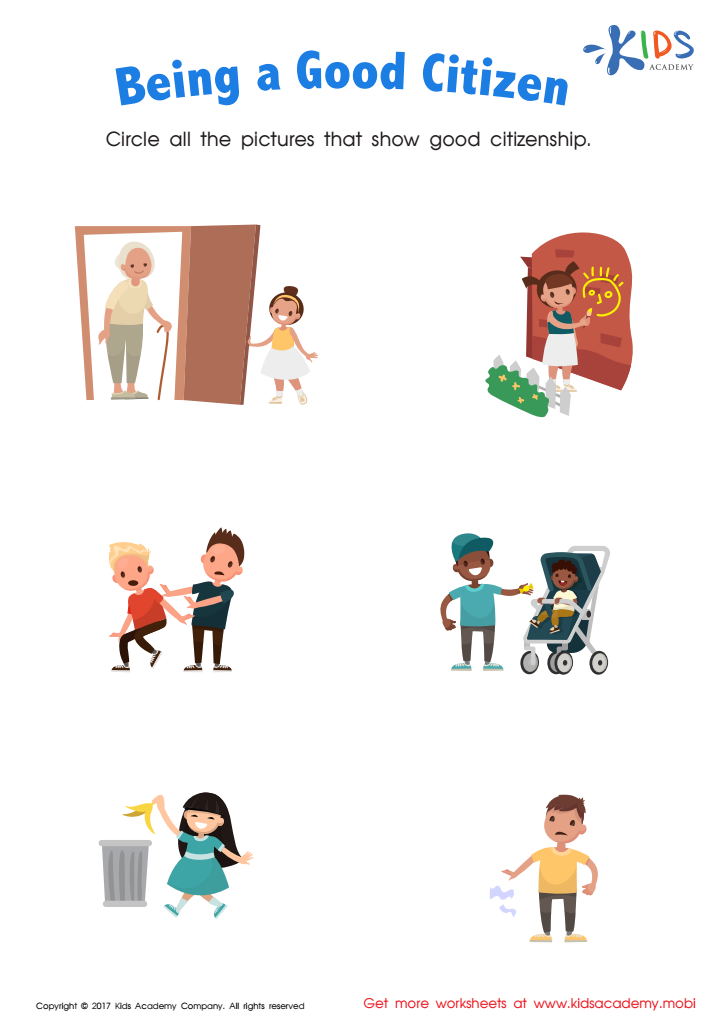
Being a Good Citizen Printable
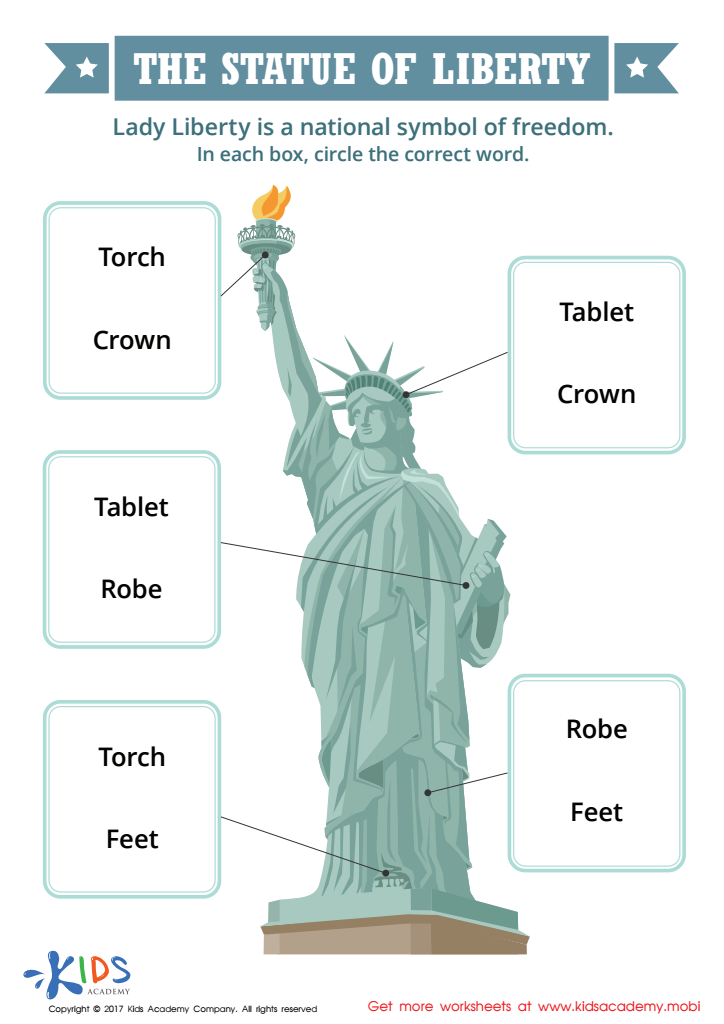
The Statue of Liberty Printable


Understanding normal governance and civics is crucial for children aged 3-7 for several reasons. First, early exposure to these concepts helps cultivate a sense of community and belonging. At this age, children are learning about social interactions and relationships; introducing them to ideas of fairness, sharing, and cooperation lays the groundwork for positive citizenship.
Teaching civics fosters critical thinking skills by encouraging young learners to ask questions about rules and why they exist. When parents and teachers engage children in discussions about their rights, responsibilities, and the significance of participation, they instill a sense of agency and empowerment from a young age.
Additionally, this foundational knowledge promotes empathy and respect for diversity. In a classroom or home setting, children learn to appreciate different perspectives, preparing them to navigate the complexities of a multicultural society.
Finally, understanding governance concepts, even in simple terms, helps children grasp the importance of following rules, which enhances their self-regulation and behavior. Encouraging curiosity about the world around them strengthens their cognitive and social development, building well-informed, responsible future citizens. Thus, prioritizing civics education in early childhood is essential for nurturing informed and engaged members of society.