Normal Tracing Lines and Curves Worksheets for 3-Year-Olds
5 filtered results
-
From - To
Introducing our engaging and educational "Normal Tracing Lines and Curves for 3-Year-Olds" worksheets, expertly designed to nurture your toddler's early writing skills. Tailored specifically for young learners, this collection helps to develop fine motor control and understanding of basic geometric shapes through fun and interactive tracing activities. Each sheet is filled with a variety of lines and curvy paths, perfect for little hands to navigate. Watch as your 3-year-old gains confidence in holding a pencil while they explore and master the art of tracing. Ideal for home or classroom use, these worksheets are the perfect stepping stone in your child’s learning journey.
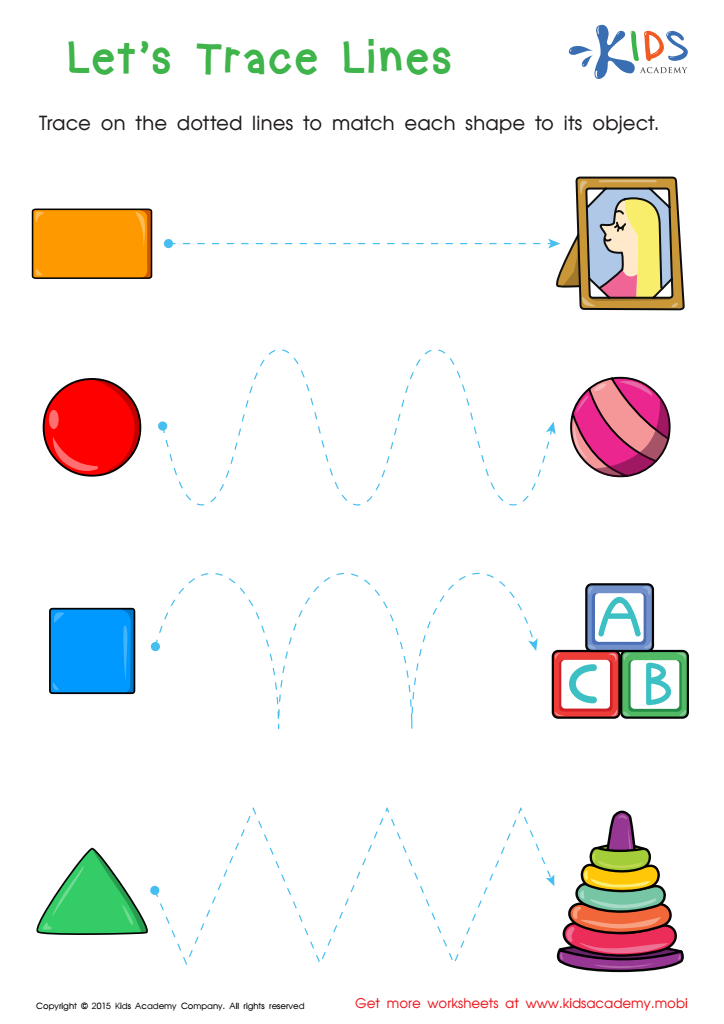
First Words: Let's Trace Lines Worksheet
 Assign to My Students
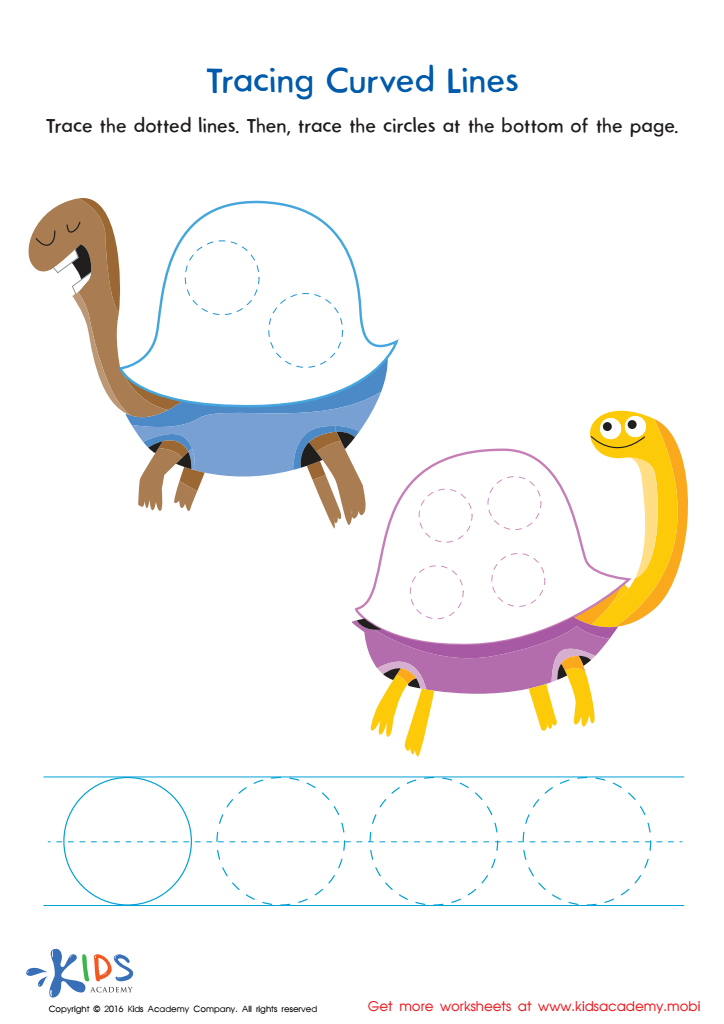
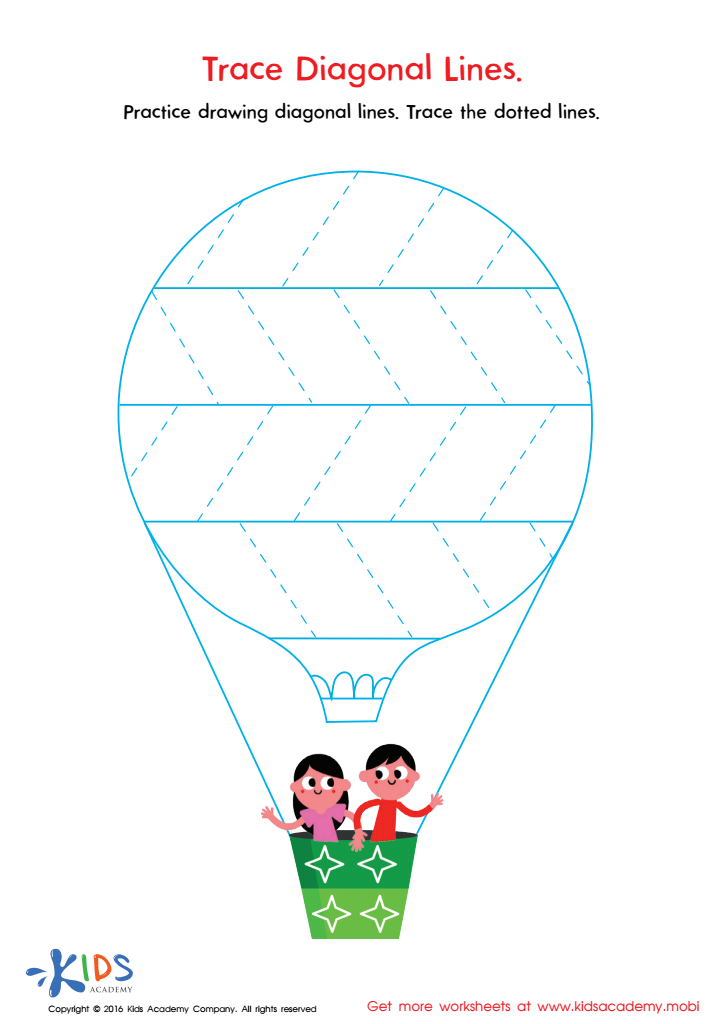
Trace Diagonal Lines Worksheet
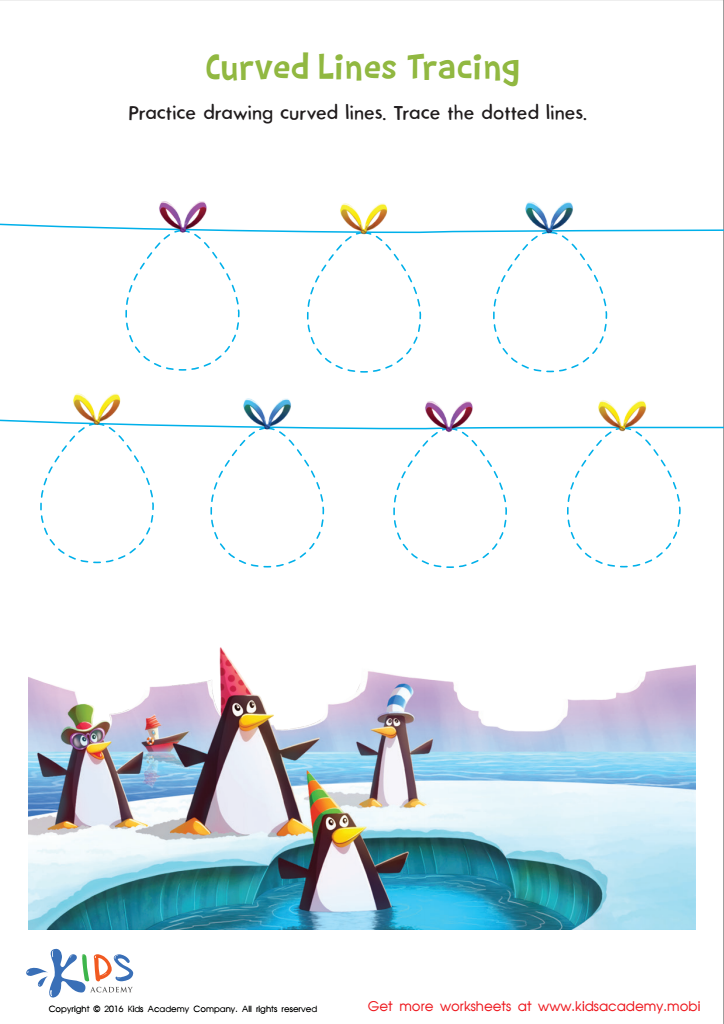
Curved Lines Tracing Worksheet
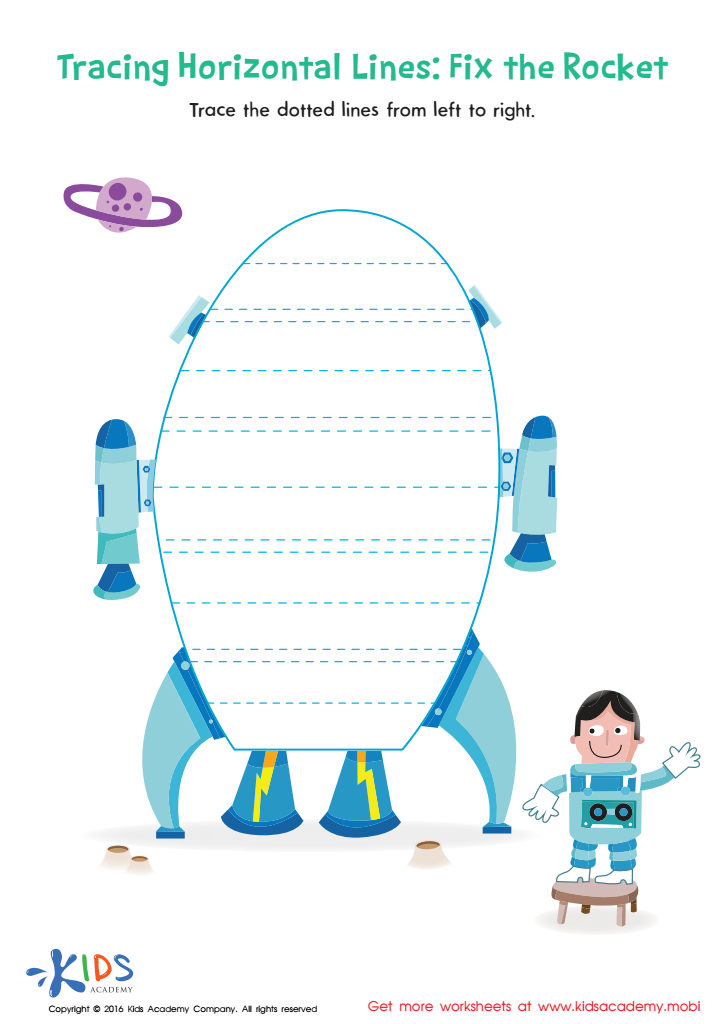
Tracing Horizontal Lines Worksheet




Normal Tracing Lines and Curves worksheets for 3-Year-Olds serve as foundational tools in early childhood education, offering a multitude of benefits for young learners. These worksheets are meticulously designed to match the developmental needs and skill levels of 3-year-olds, ensuring that children engage in activities that are both challenging and achievable. By tracing lines and curves, children enhance their fine motor skills, which are crucial for tasks requiring hand-eye coordination, such as writing, drawing, and cutting with scissors.
Moreover, these worksheets introduce 3-year-olds to the basics of pen control and movement. As they trace various lines and curves, children learn to guide their pencils with precision, a skill that forms the bedrock of legible handwriting. These activities also foster concentration and patience, as children must focus their attention on following the paths accurately. This can lead to improved academic performance in the future, as the ability to concentrate and control movements are essential in many learning environments.
Additionally, Normal Tracing Lines and Curves worksheets for 3-Year-Olds encourage the development of visual-spatial skills. Understanding how shapes form and connect is vital for reading and math readiness, making these worksheets not only a tool for improving motor skills but also for laying the groundwork for future academic success. Through engaging and purposeful practice, children can embark on their educational journey with confidence and a strong foundation.







