Normal Middle Vowel Worksheets for Ages 5-9
4 filtered results
-
From - To
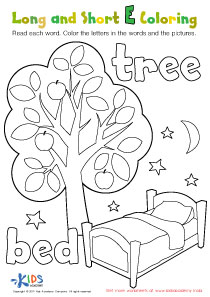
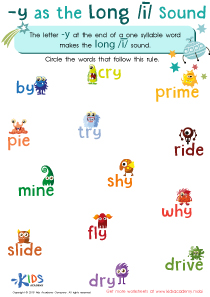
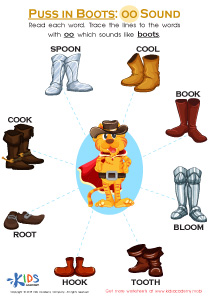
Discover our engaging "Normal Middle Vowel Worksheets" designed for children aged 5-9! These worksheets are tailored to enhance phonics skills and reinforce the understanding of middle vowels in words. Each activity encourages young learners to identify, practice, and apply middle vowels through fun exercises, including fill-in-the-blanks, match the words, and creative writing prompts. Perfect for reinforcing classroom learning or aiding homeschooling efforts, our user-friendly worksheets make vowel learning enjoyable and effective. Help your child gain confidence in their reading and writing abilities while having fun with our vibrant and interactive resources! Start exploring today to make vowel mastery a breeze!
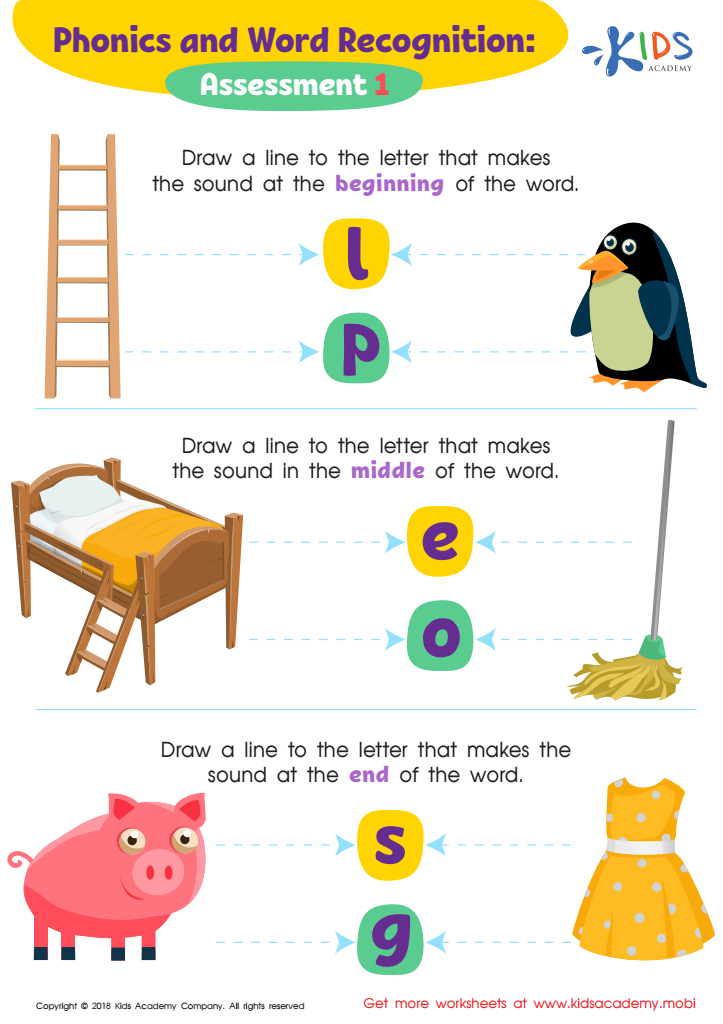
Phonics and Word Recognition: Assessment 1 ELA Worksheet
 Assign to My Students
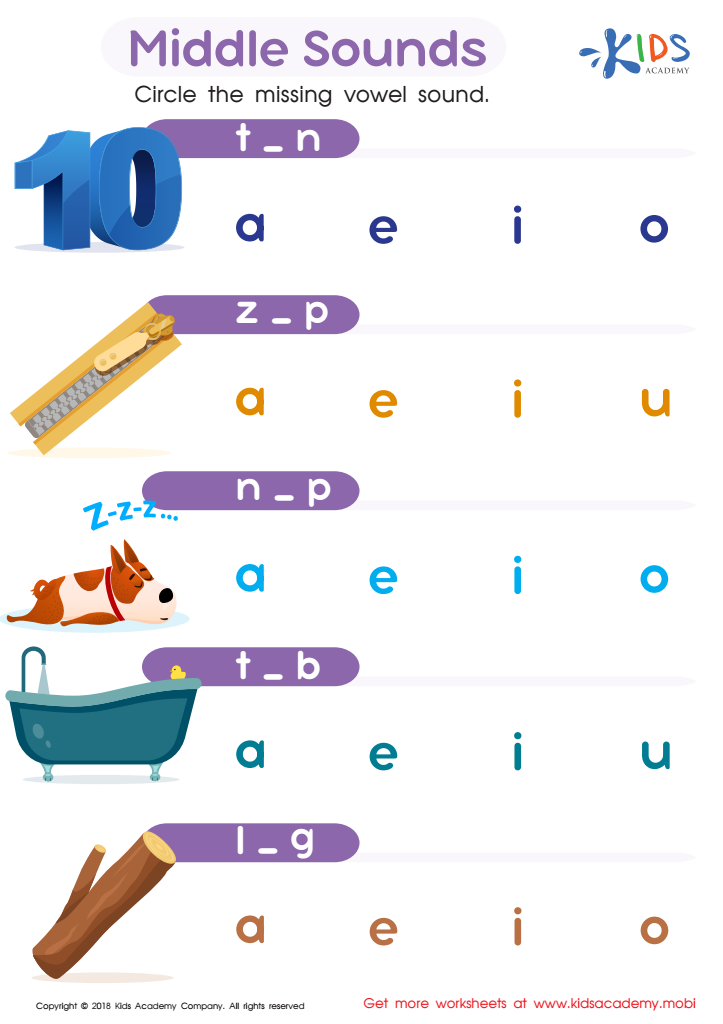
Middle Sounds Worksheet
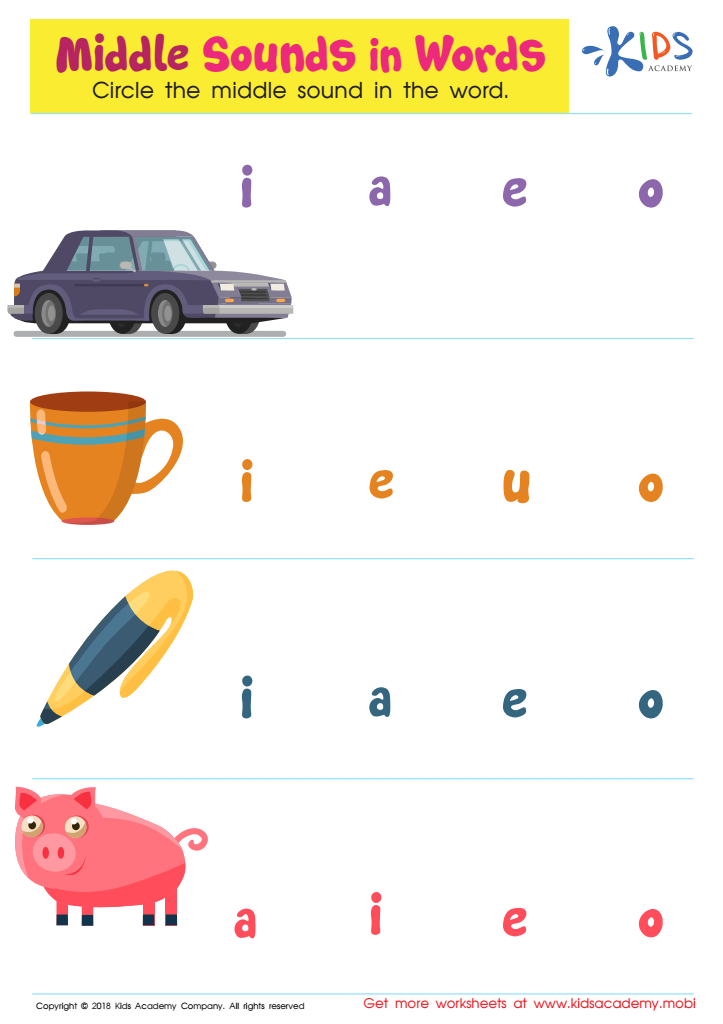
Middle Sounds in Words Worksheet
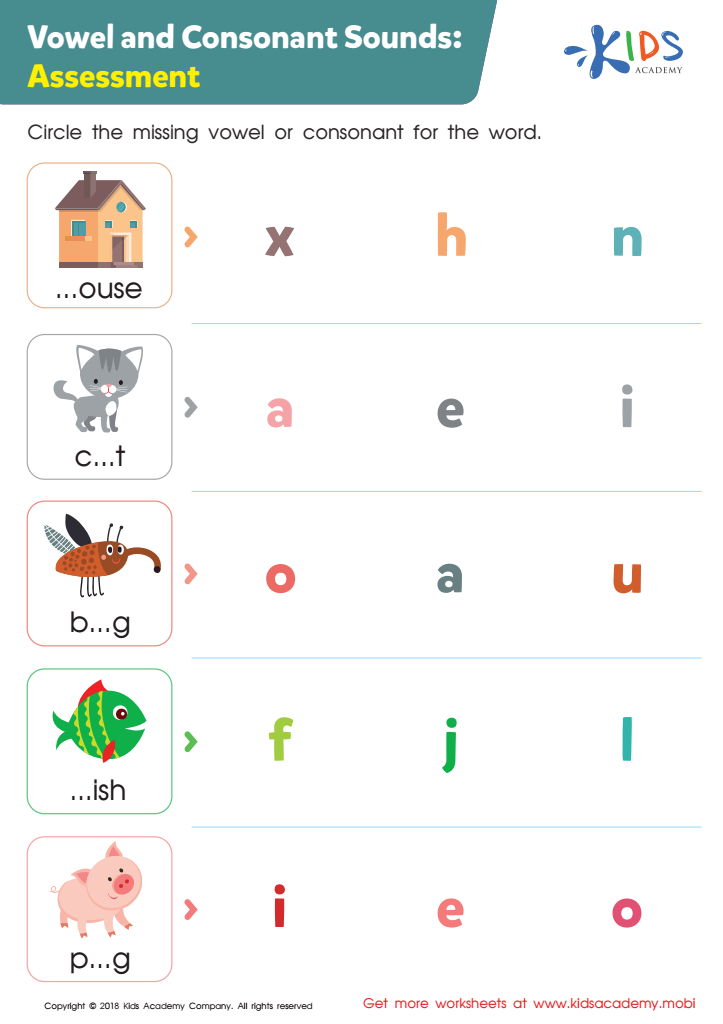
Vowel and Consonant Sounds: Assessment Worksheet



Parents and teachers should prioritize the understanding of normal middle vowels for children aged 5-9 because mastering these phonetic elements plays a crucial role in developing foundational reading and writing skills. Normal middle vowels represent clear and distinct sounds within words, which are essential for phonemic awareness—the ability to recognize and manipulate sounds in spoken language.
At this age, children are typically beginning to read independently. Strengthening their skills in identifying middle vowels can enhance their ability to decode unfamiliar words, contributing to improved reading fluency and comprehension. This understanding also promotes confidence in younger learners as they approach reading tasks.
Furthermore, as children transition to writing, the knowledge of normal middle vowels helps them spell words accurately, bridging the gap between spoken and written language. With these skills, children can express themselves more clearly and develop a love for language.
In addition, fostering these abilities nurtures cognitive development, critical thinking, and problem-solving skills, which are crucial for academic success beyond early literacy. Involving parents and teachers in this process ensures that consistent reinforcement occurs at home and in the classroom, encouraging a supportive learning environment.