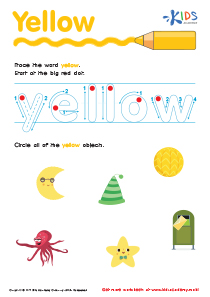
Hand-eye Coordination Normal English for Beginners Worksheets for Ages 6-9
7 filtered results
-
From - To
Our Hand-eye Coordination Normal English for Beginners Worksheets for Ages 6-9 provide engaging exercises to enhance fine motor skills and language learning simultaneously. These carefully designed worksheets are perfect for young learners, making the process of mastering English both fun and educational. Through a variety of activities such as tracing, matching, and drawing, children develop their hand-eye coordination while building a solid foundation in basic English vocabulary and grammar. Ideal for teachers and parents alike, these resources offer a structured path to language proficiency while supporting essential developmental milestones for young kids.
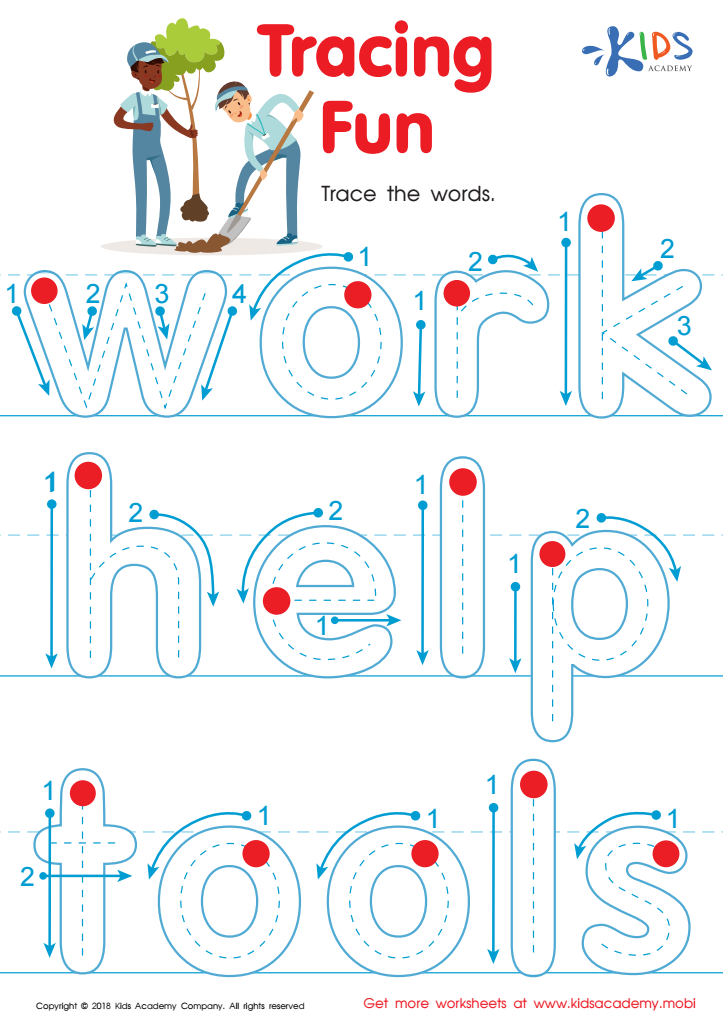
Tracing Fun Worksheet
 Assign to My Students

Letter H Tracing Page
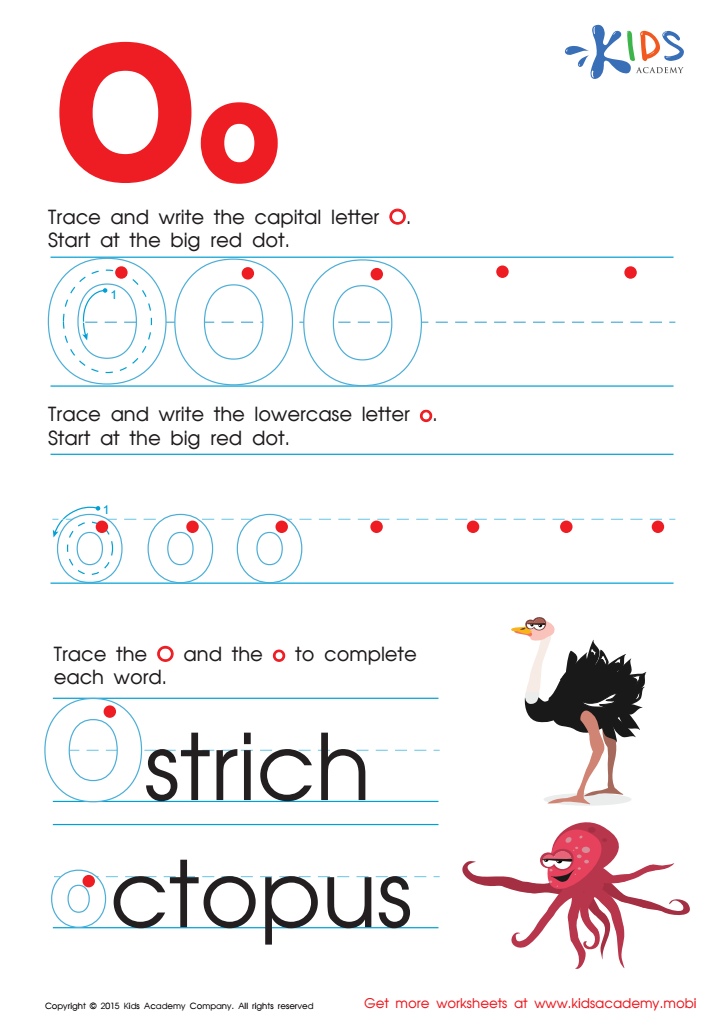
Letter O Tracing Page

Letter D Tracing Page
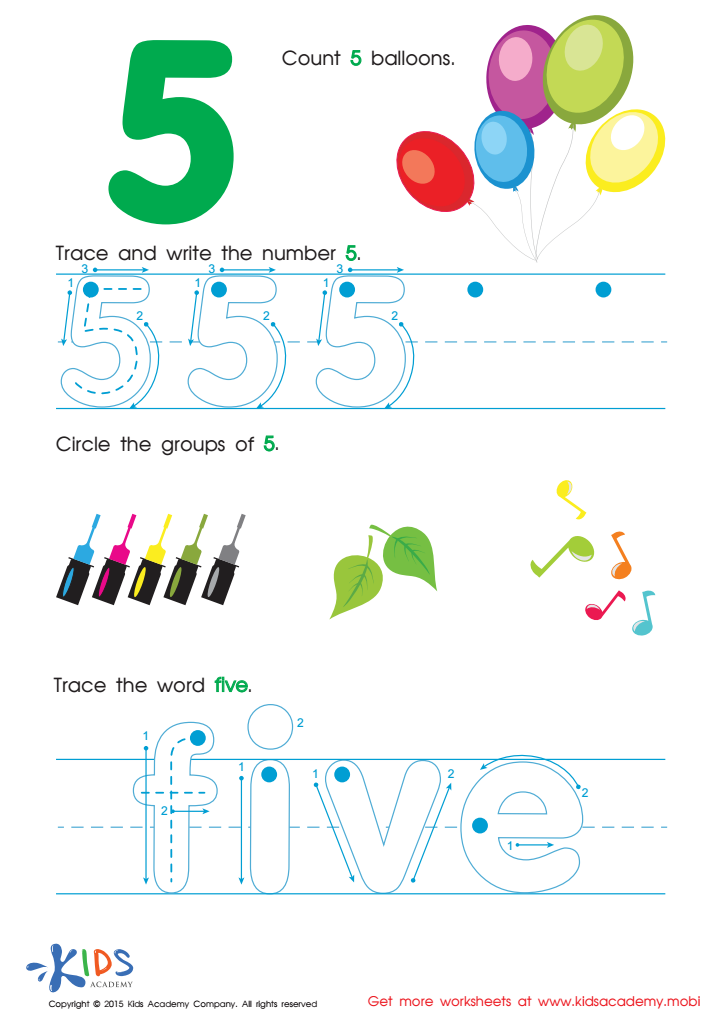
Practice Writing Number 5 Worksheet
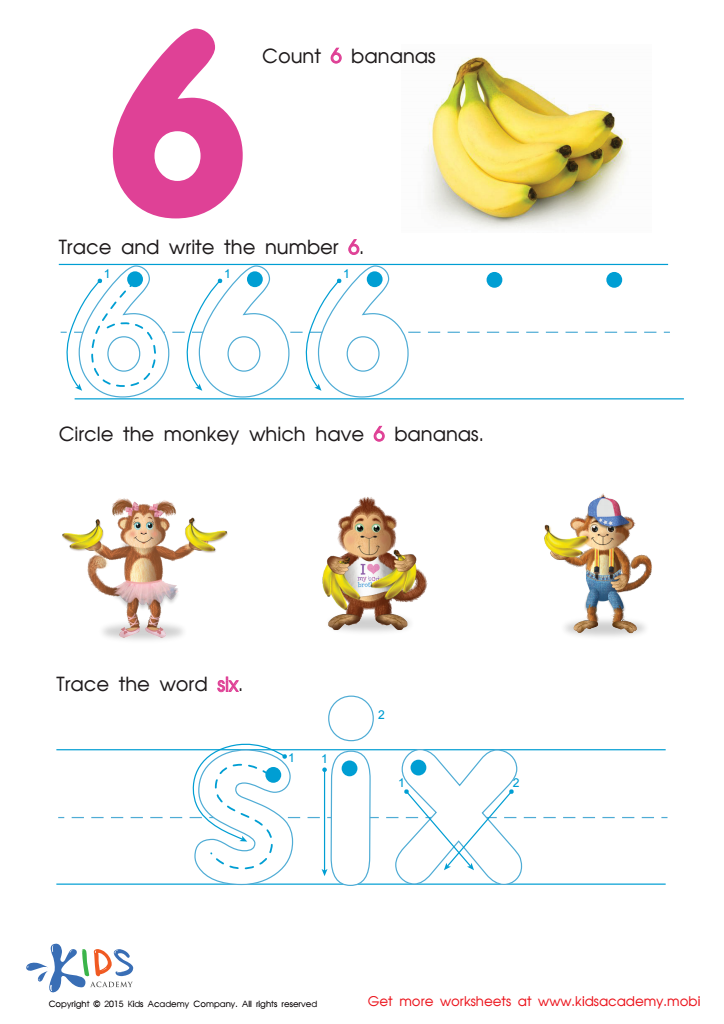
Tracing And Writing Number 6 Worksheet

Letter P Tracing Page




Hand-eye coordination is essential for children aged 6-9 because it helps them perform everyday tasks successfully. At this age, kids are continually developing skills they need for school and play, and hand-eye coordination is a cornerstone of these abilities. Imagine trying to tie your shoes, catch a ball, or write neatly without matching what your eyes see with what your hands do. Children with good hand-eye coordination find these activities easier and more fun, boosting their confidence and independence.
For parents and teachers, focusing on hand-eye coordination can make a big difference in a child's academic and physical development. Good hand-eye coordination contributes to better handwriting, effective use of classroom tools like scissors and glue, and more success in physical education activities. Beyond academics and physical skills, it also improves cognitive abilities like focus and attention. Kids are better able to complete puzzles, follow sequential steps, and understand spatial relationships.
Moreover, kids who develop these skills early often enjoy more social interaction and active play. This not only improves their physical health but also teaches them teamwork and cooperation. Therefore, prioritizing hand-eye coordination through simple activities like drawing, building blocks, or ball games can lead to meaningful long-term benefits for your child.