Online Community Worksheets for Grade 3
14 filtered results
Difficulty Level
Grade
Age
-
From - To
Subject
Activity
Standards
Unlock a world of learning with our engaging Online Community Worksheets for Grade 3! Specifically designed to cater to young minds, these interactive worksheets bring the concept of community to life, right at your fingertips. Perfect for parents and educators seeking to strengthen their students' understanding of social studies, these worksheets cover key aspects of community life, from roles and responsibilities to local government and services. Each activity is crafted to not only educate but also to inspire curiosity and foster a sense of belonging. Dive into our collection and watch your third graders blossom into informed, community-minded individuals!
Favorites
With answer key
Interactive
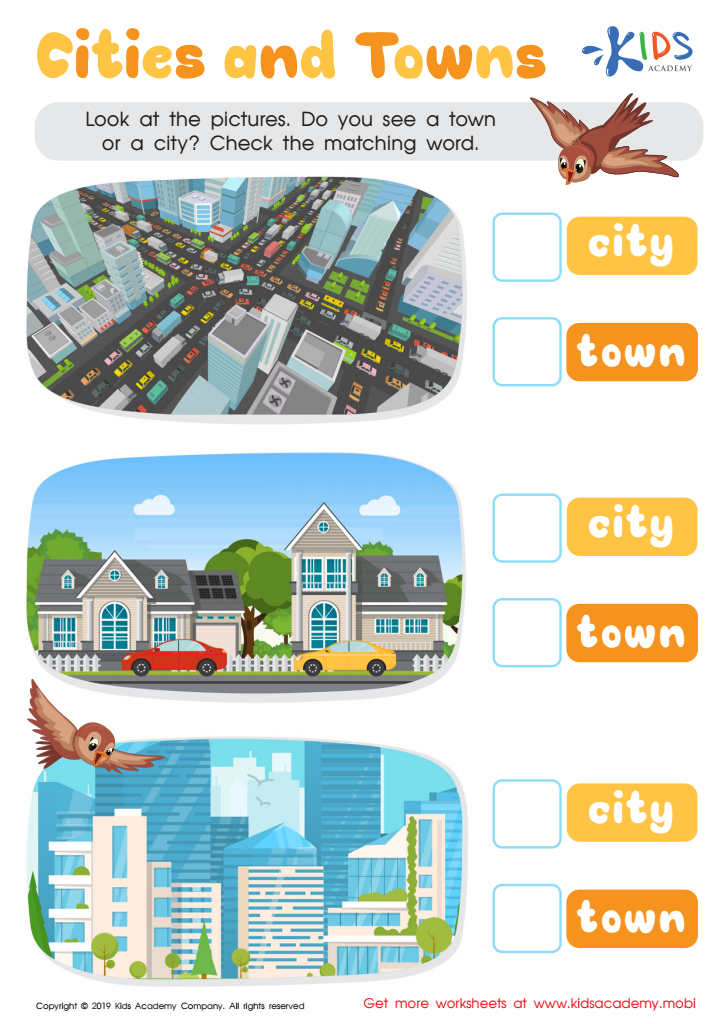
Cities and Towns Worksheet
Cities are buzzy and busy while towns tend to be peaceful. Ask your child if they can tell which one is which from a picture. This could be a great way to test their understanding of the differences between towns and cities. There are many businesses in cities, tall buildings and lots to do. Meanwhile towns are usually quieter.
 Assign to My Students
Cities and Towns Worksheet
Worksheet
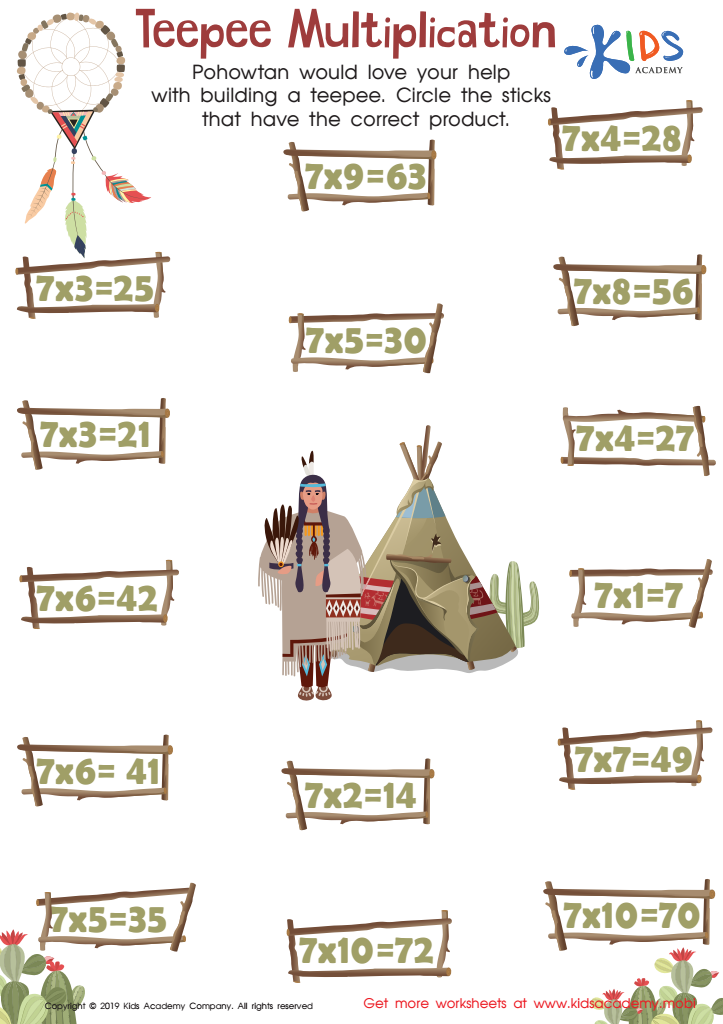
Teepee Multiplication Worksheet
Help the Native American man build his teepee by checking multiplication facts! Learners are given purpose and excitement with this fun math worksheet. Check each set of sticks, find, and circle the ones with the correct product to complete.
Teepee Multiplication Worksheet
Worksheet
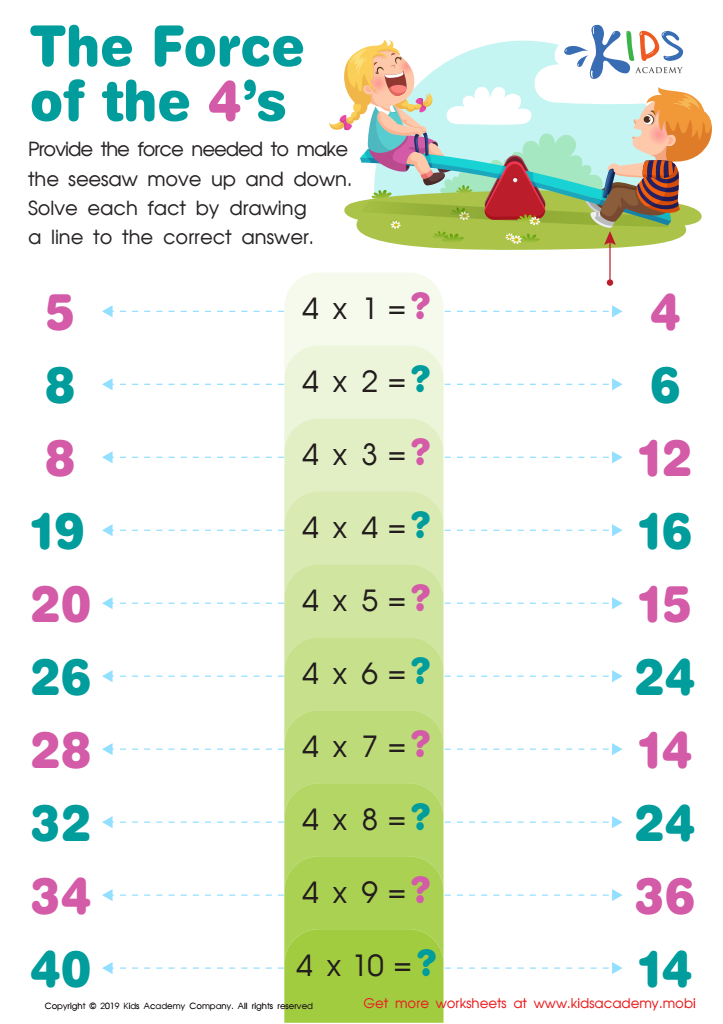
The Force of the 4's Worksheet
Ride a seesaw with your child and explore the physics behind it! Explain how it needs two people and how force makes it go up and down. Use the memories of the pleasurable experience to teach your kid a lesson in force. Show them how to solve the worksheet by drawing a line to the correct answer. This way, they'll learn the force needed for the seesaw to move.
The Force of the 4's Worksheet
Worksheet
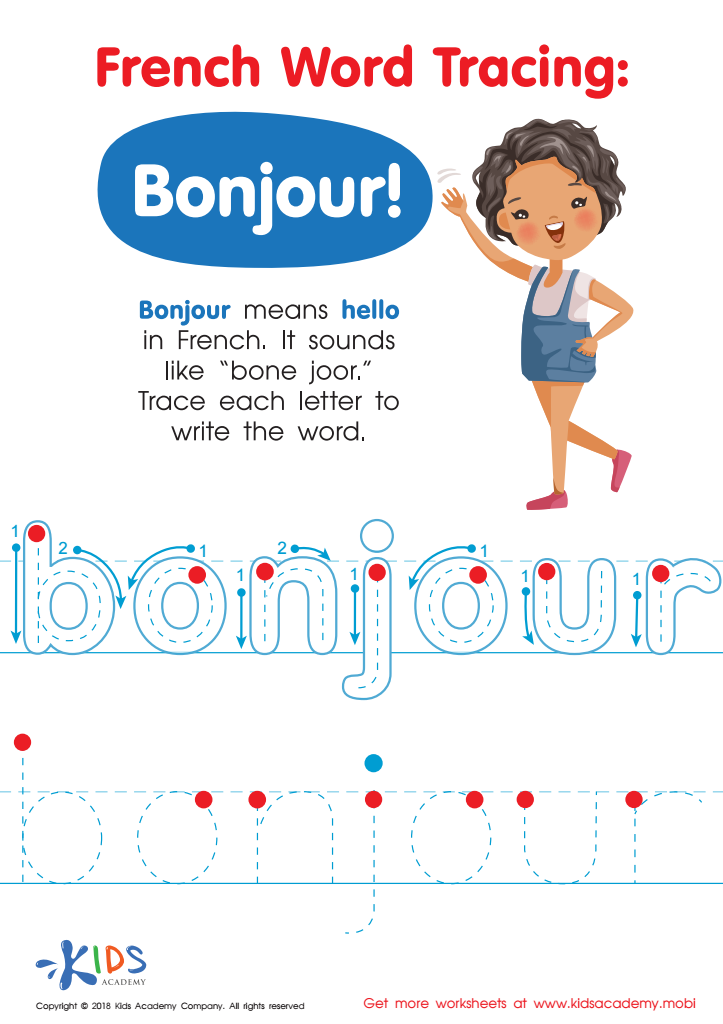
French Word Tracing: Bonjour Worksheet
Students can learn about culture and practice writing and saying "Bonjour" using the traceable lines. Guide dots support top-to-bottom patterning and left-to-right reading/writing. It's an ideal introduction to different greetings and connecting as global citizens.
French Word Tracing: Bonjour Worksheet
Worksheet
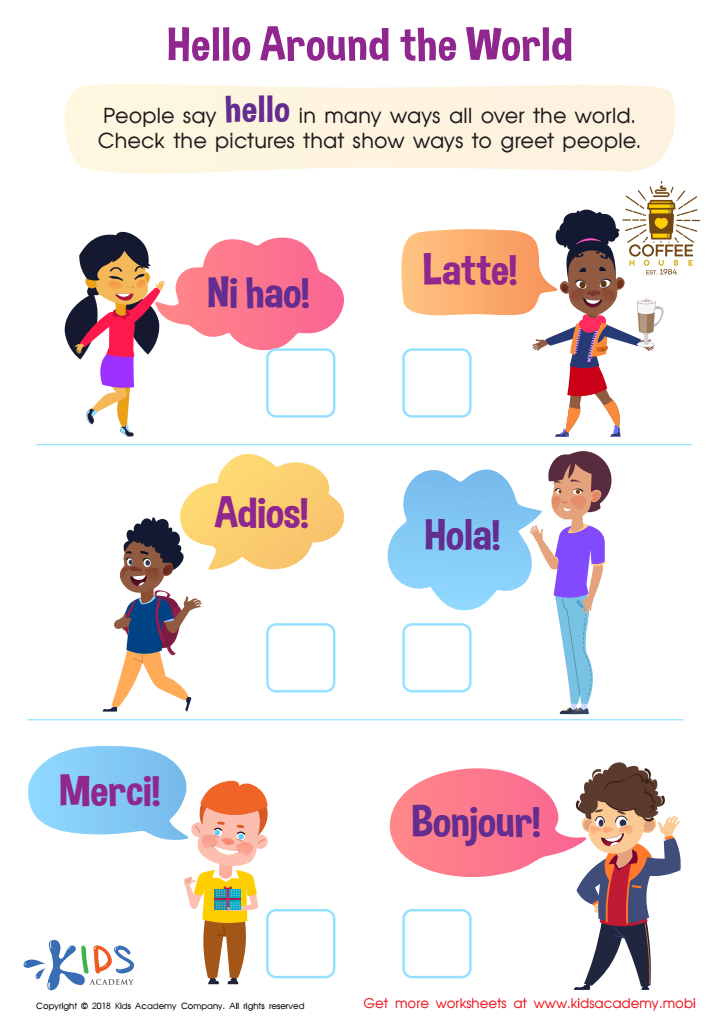
Hello Around the World Worksheet
This fun and cheery worksheet helps kids explore different cultures and how people greet each other around the world. With colorful pictures and clues, they'll check off greetings from different countries and learn more about the world.
Hello Around the World Worksheet
Worksheet
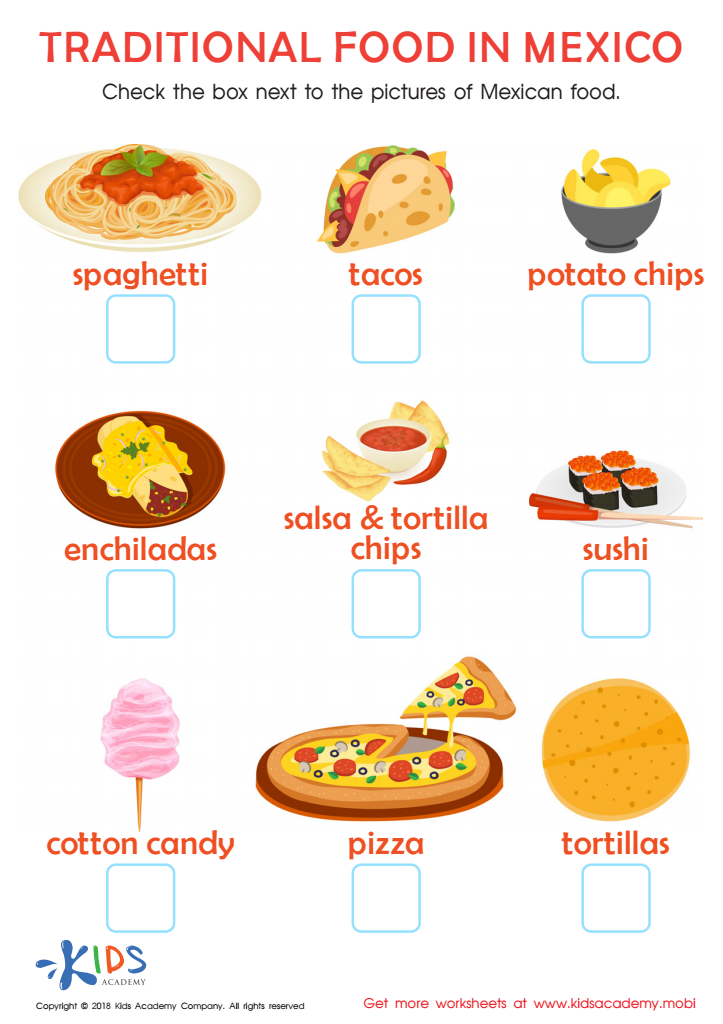
Traditional Food in Mexico Worksheet
This colorful worksheet offers a great opportunity to learn about traditional Mexican foods, build vocabulary and practice visual discrimination. As many of the words are not phonetic, this practice can help improve fluency, vocabulary and comprehension when encountered in reading. Culturally diverse, it's great for readers looking to expand their knowledge.
Traditional Food in Mexico Worksheet
Worksheet
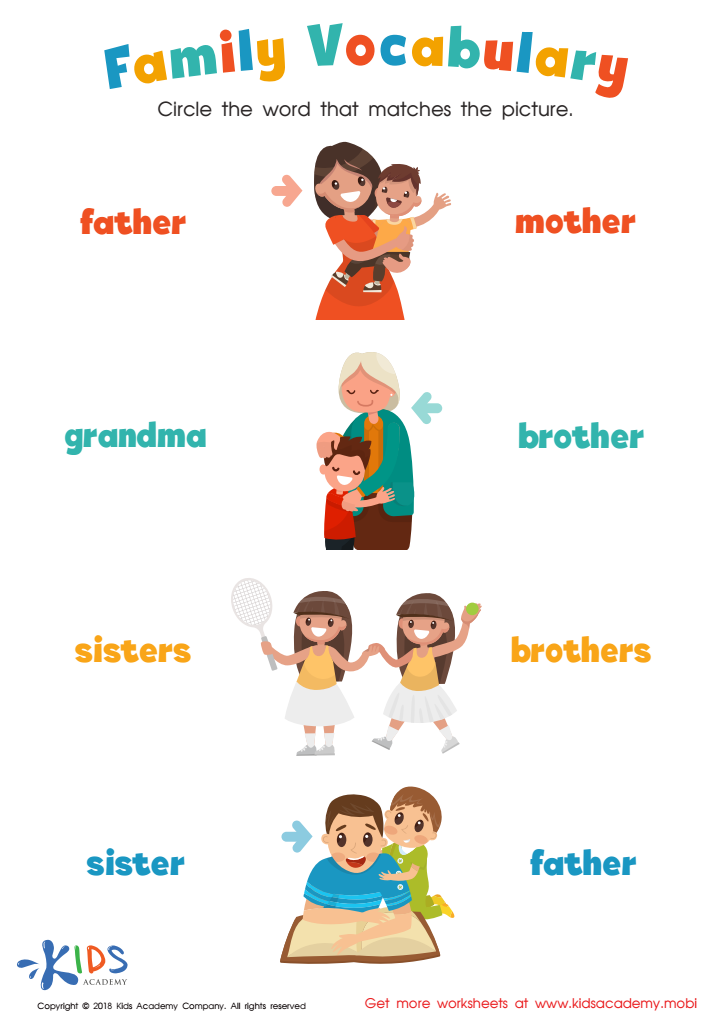
Family Vocabulary Worksheet
Students learn about families in social studies. This worksheet helps them identify family members by looking at a picture and circling the corresponding word. To extend their learning, ask them to talk about their own family members.
Family Vocabulary Worksheet
Worksheet
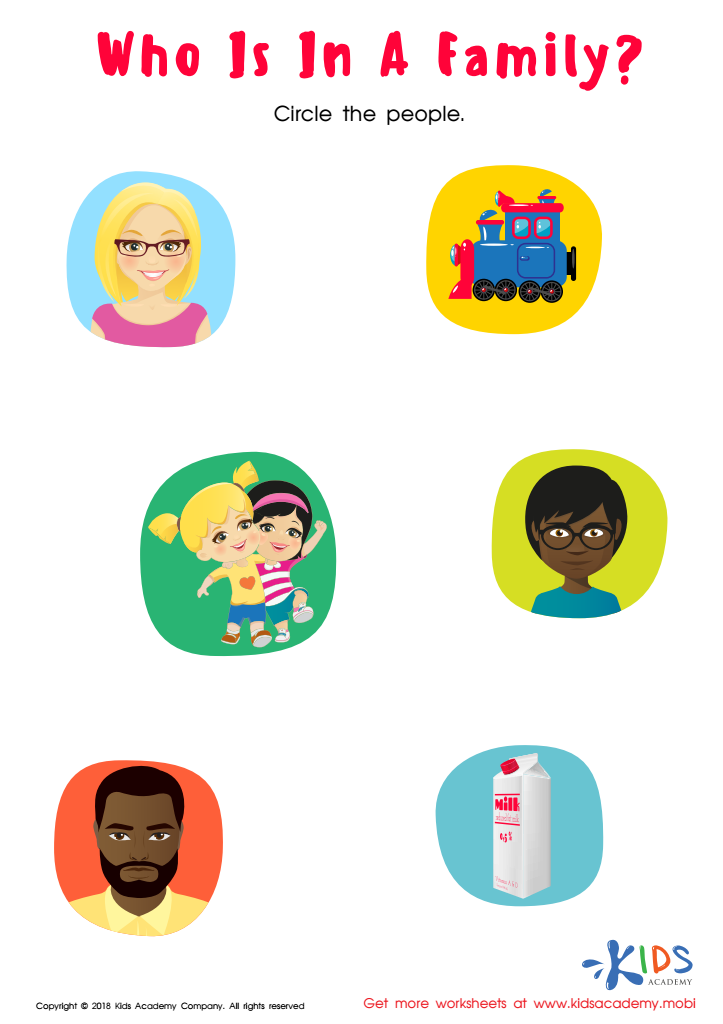
Who Is in a Family? Worksheet
Kids enjoy discussing families. This easy, colorful worksheet helps them determine if a person or thing is in a family. Children look at each picture, name it, and circle it if it represents someone in a family. It introduces or reinforces family words, making it ideal for toddlers.
Who Is in a Family? Worksheet
Worksheet
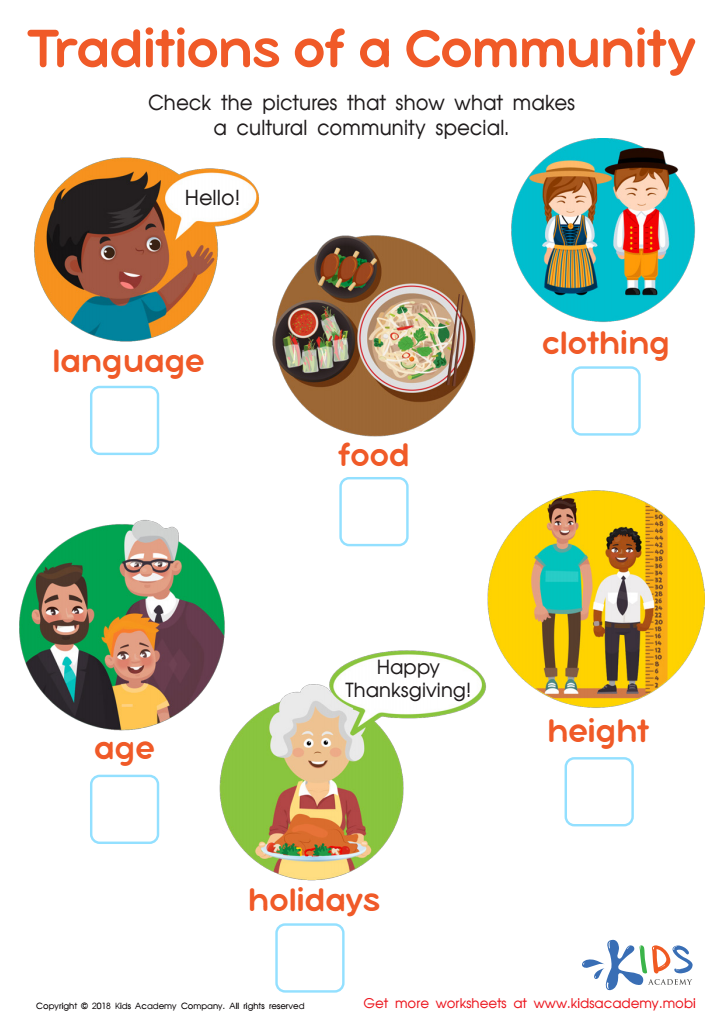
Traditions of a Community Worksheet
Does your child understand the differences between communities? Show them this printable PDF and ask them to identify the traditions that make each unique. Check the images, then discuss what happens in each community.
Traditions of a Community Worksheet
Worksheet
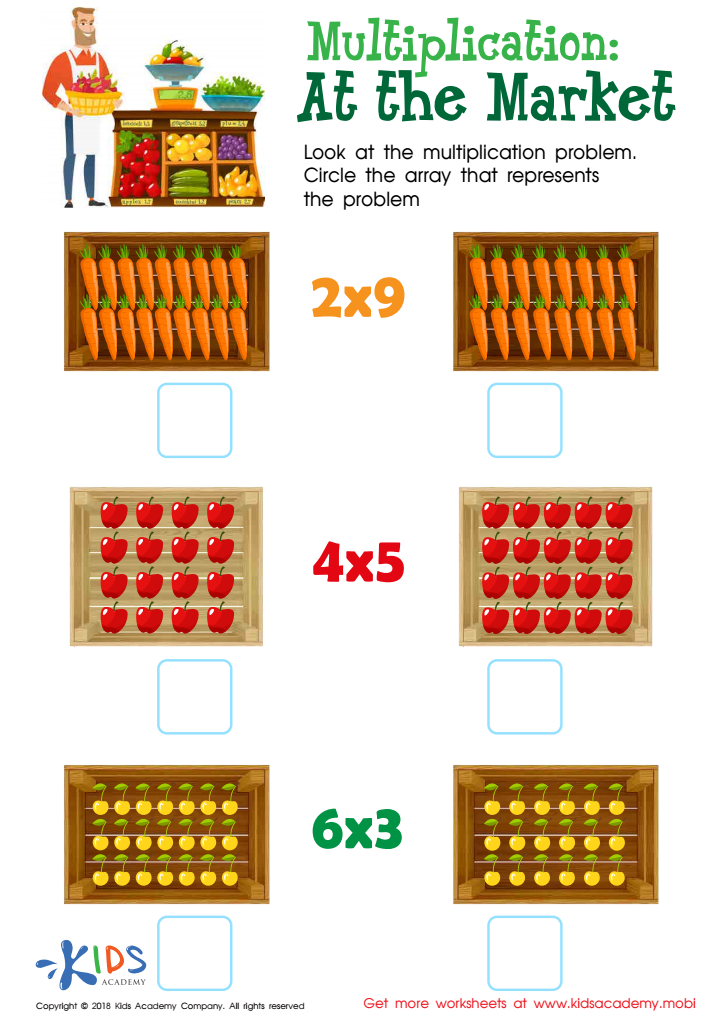
At the Market Worksheet
Head to At the Market! This attractive worksheet features arrays of delicious fruits and veggies that'll have 3rd graders working on their multiplication. Solve the problems, choose the correct answer, and learn while having fun!
At the Market Worksheet
Worksheet
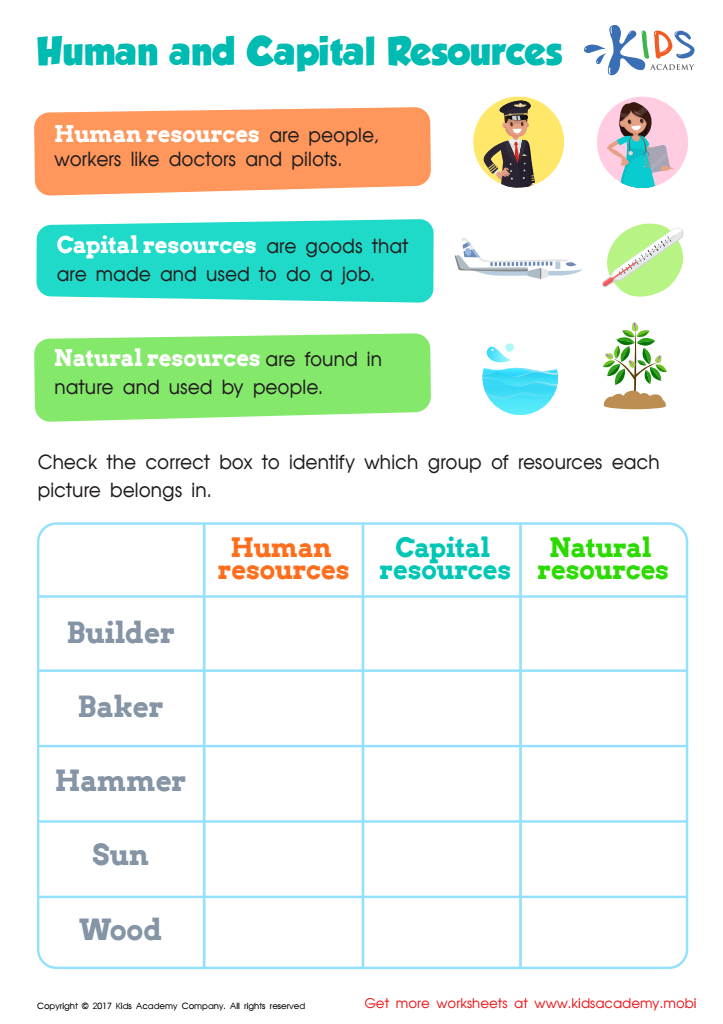
Human and Capital Resources Worksheet
It helps identify and differentiate human, natural and capital resources, so your kid can understand how each affects their world.
Human and Capital Resources Worksheet
Worksheet
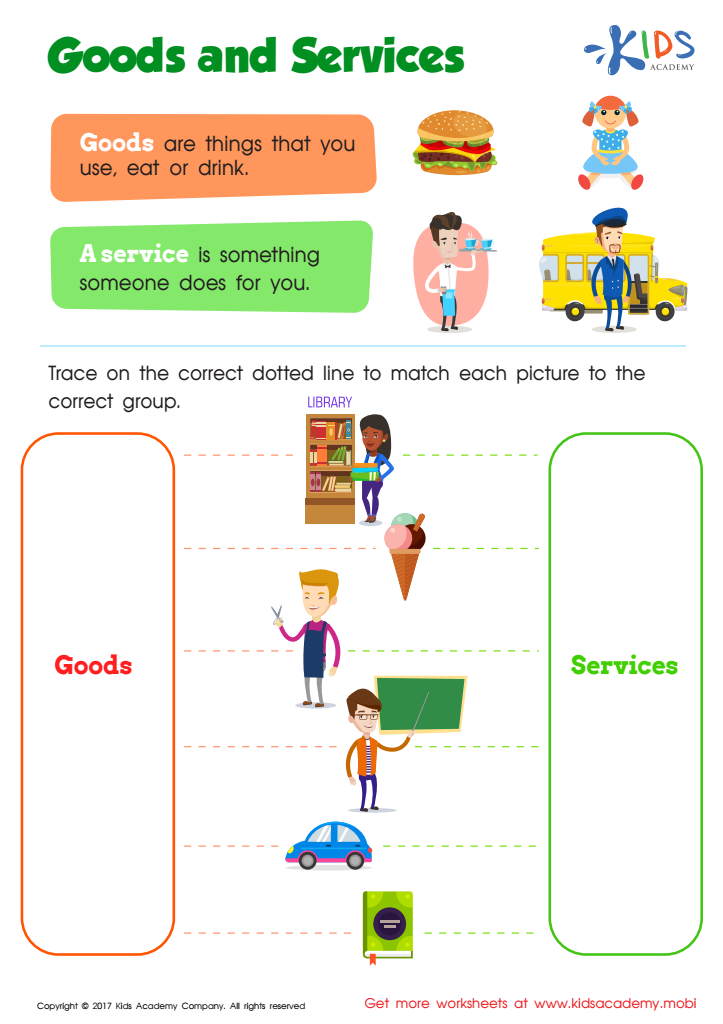
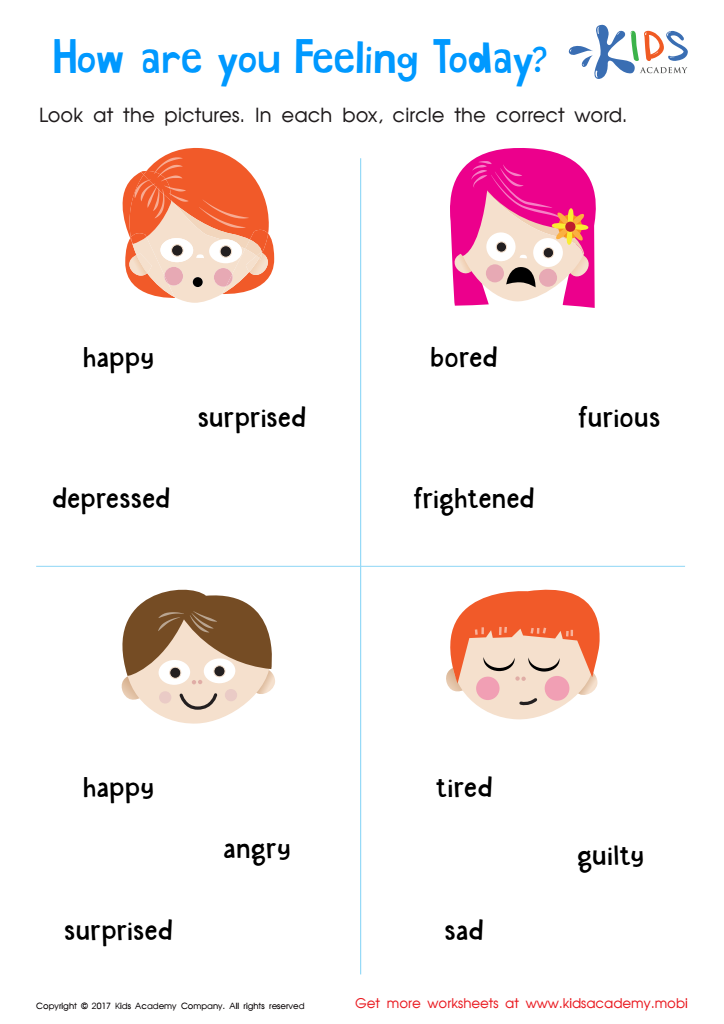
Understanding Feelings Worksheet
It helps them learn to empathize with others and regulate their own emotions. Try it today!
Develop your child's understanding of empathy and emotional regulation with this worksheet! It is a great way to help them acquire important life skills beyond academic knowledge. Print it and start using it to take their social and emotional skills to the next level. Try it now!
Understanding Feelings Worksheet
Worksheet
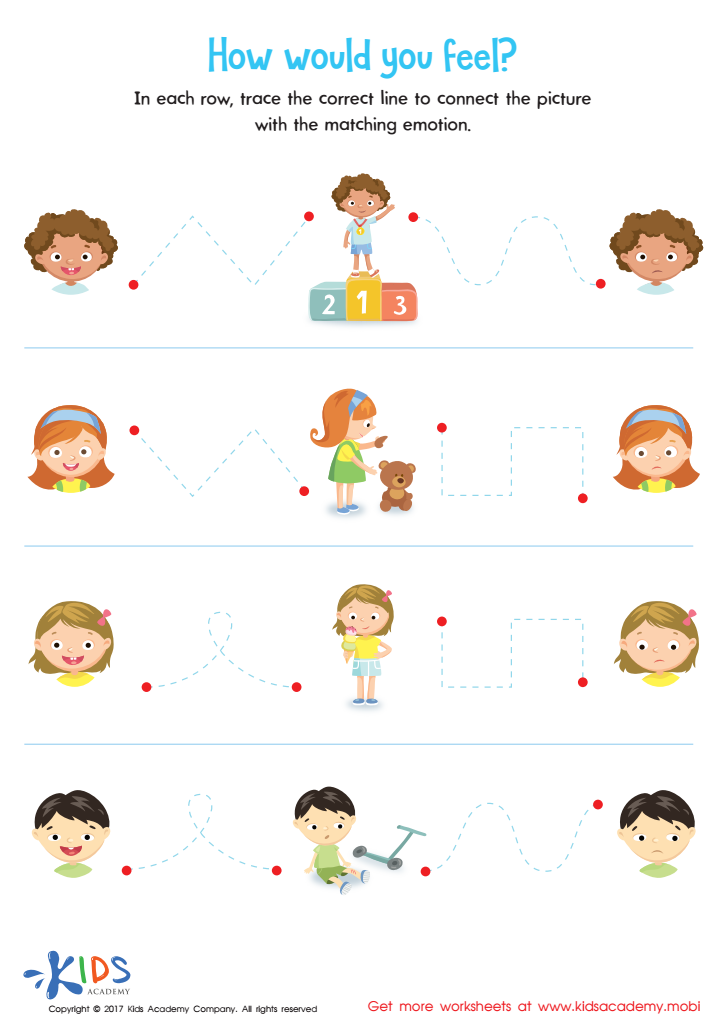
Feelings and Emotions Worksheet
Kids must learn how to deal with situations and handle their own emotions. This worksheet helps them practice empathy and resilience, making them more self-aware and confident. It also helps them to relate their life experiences to common disappointments and develop coping mechanisms.
Feelings and Emotions Worksheet
Worksheet
Join Kids Academy for Free
Who is primarily going to use this learning content?