Alphabet Recognition Preschool Alphabet Worksheets - Page 2
40 filtered results
-
From - To
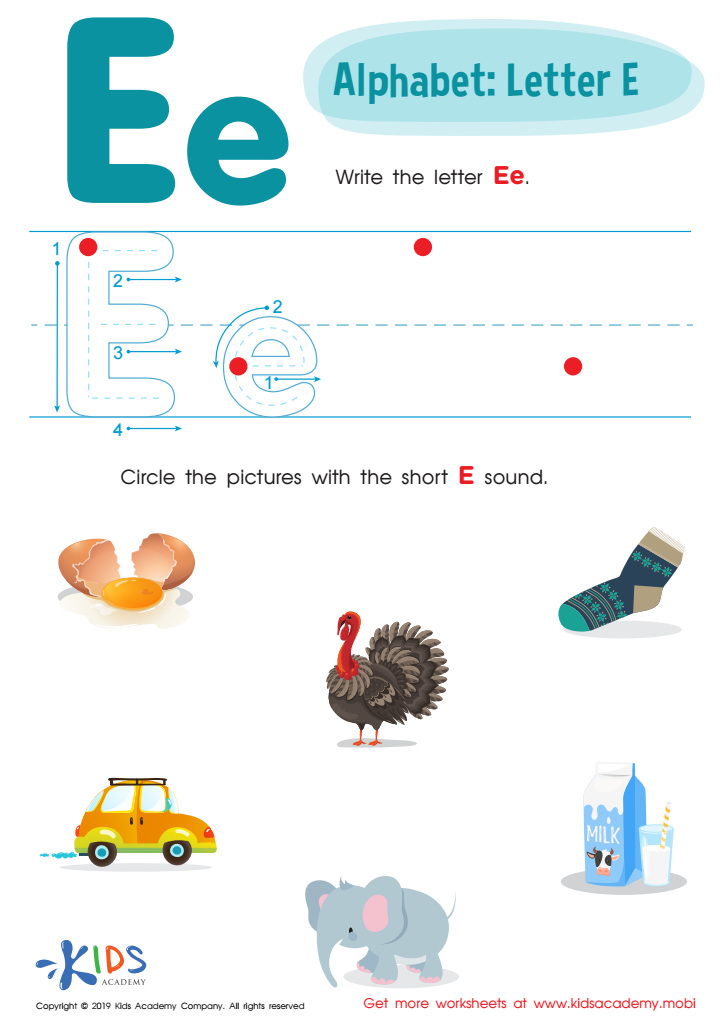
Letter E Tracing Worksheet
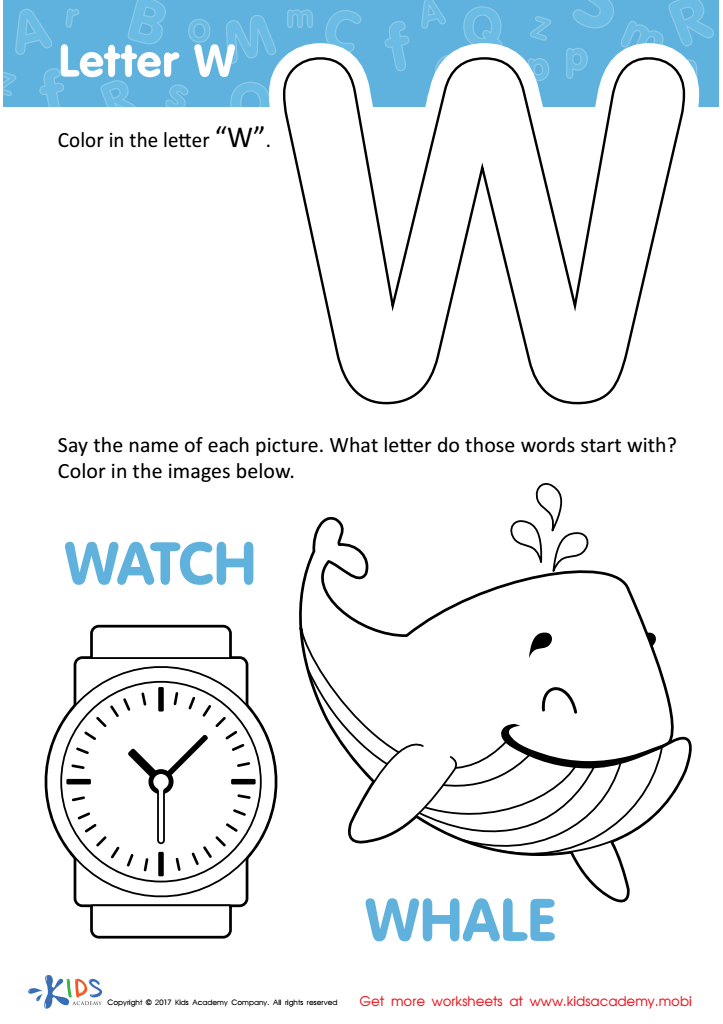
Letter W Coloring Sheet
 Assign to My Students
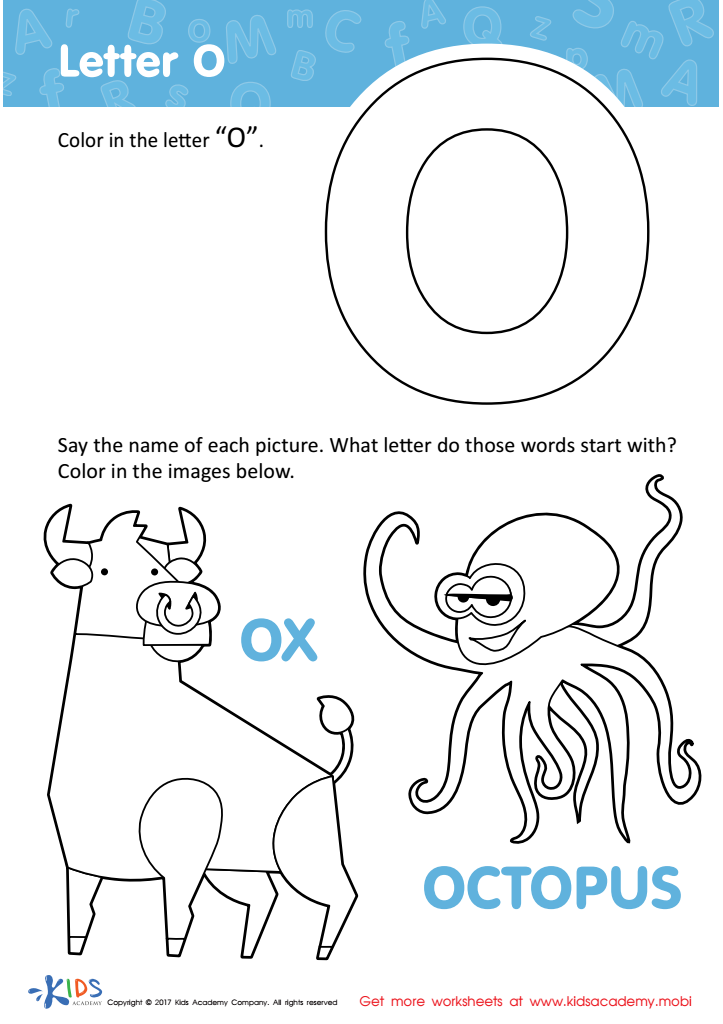
Letter O Coloring Sheet
Assign to My Students
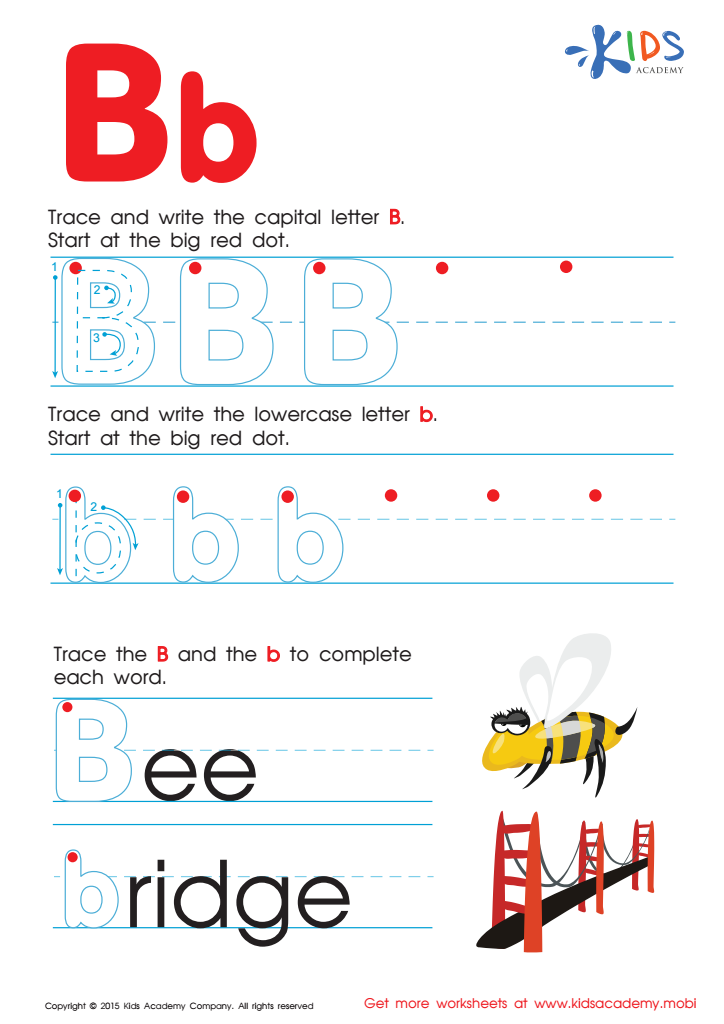
Letter B Tracing Page
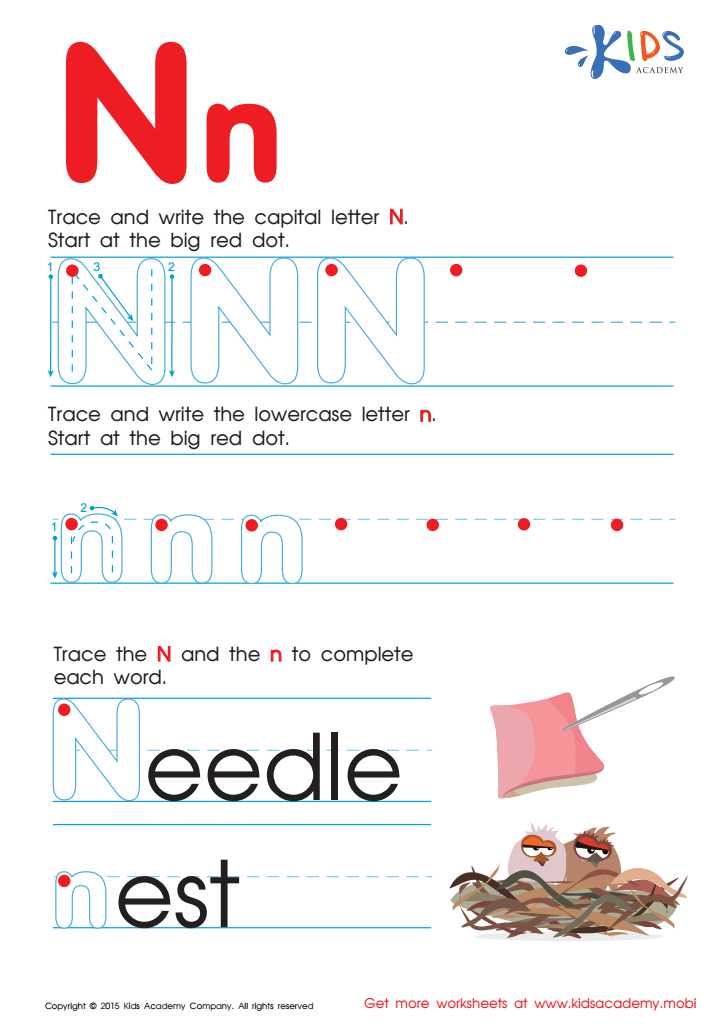
Letter N Tracing Page
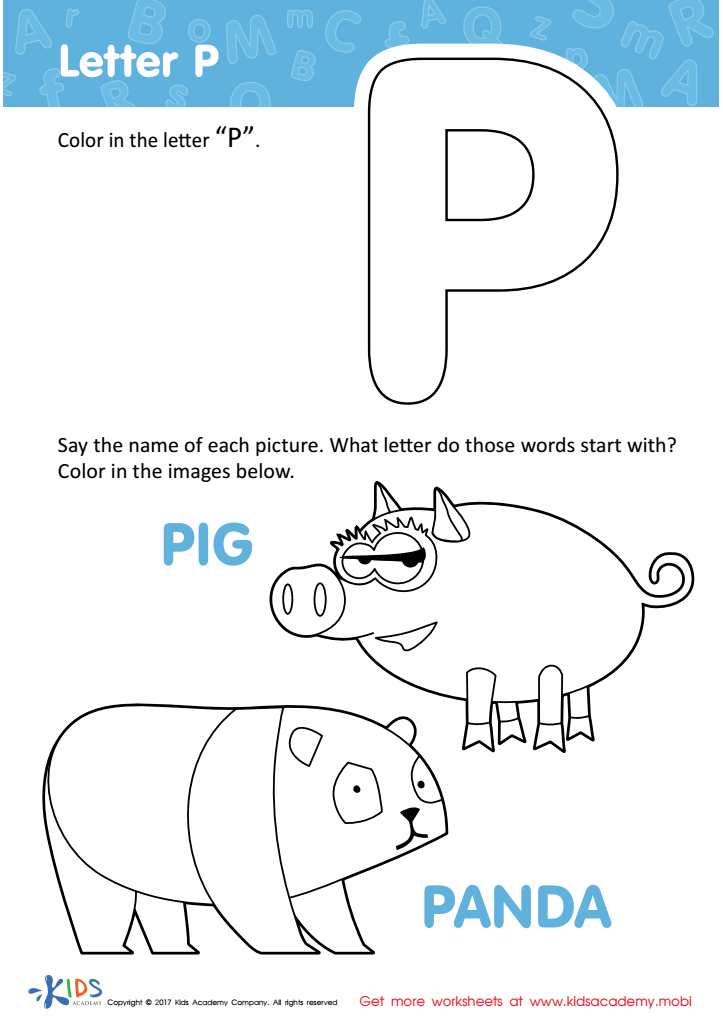
Letter P Coloring Sheet
Assign to My Students
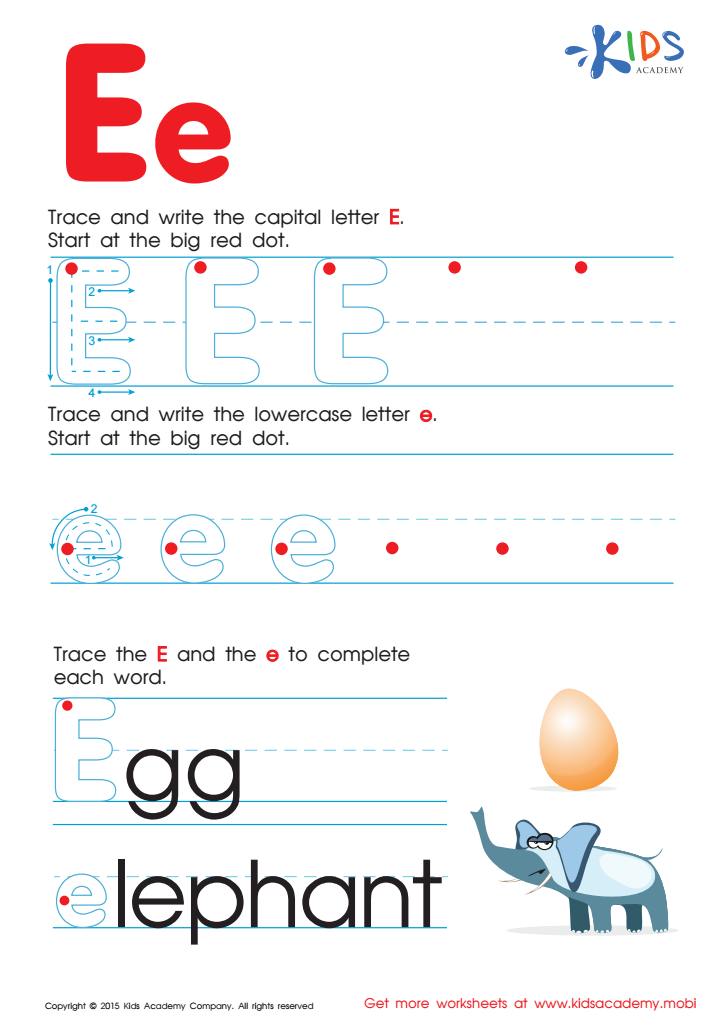
Letter E Tracing Page
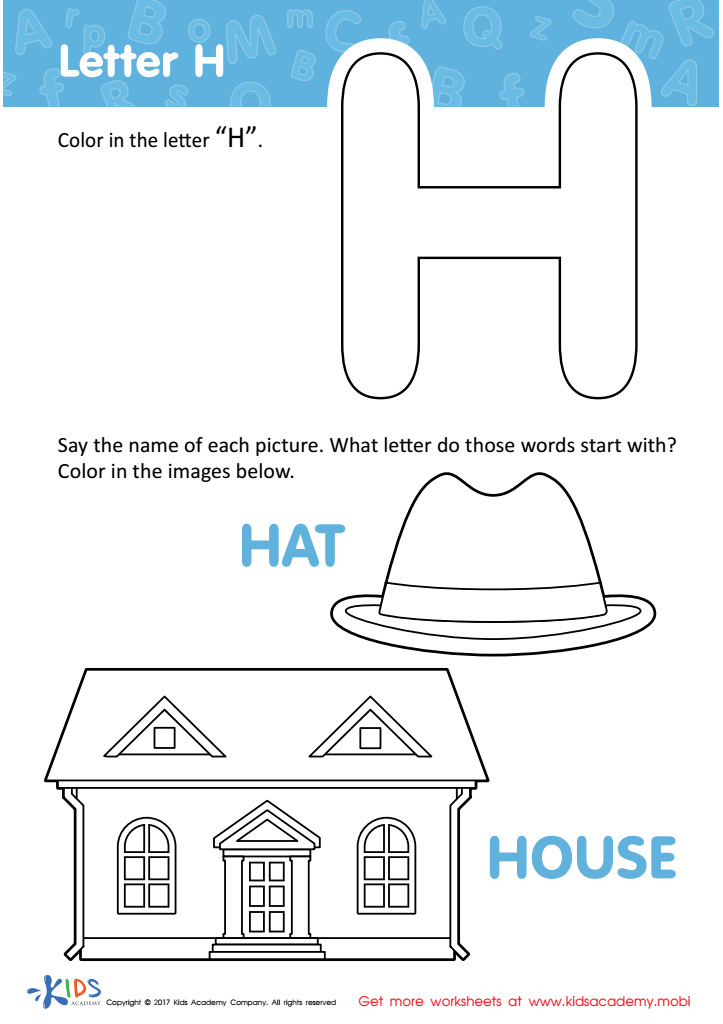
Letter H Coloring Sheet
Assign to My Students
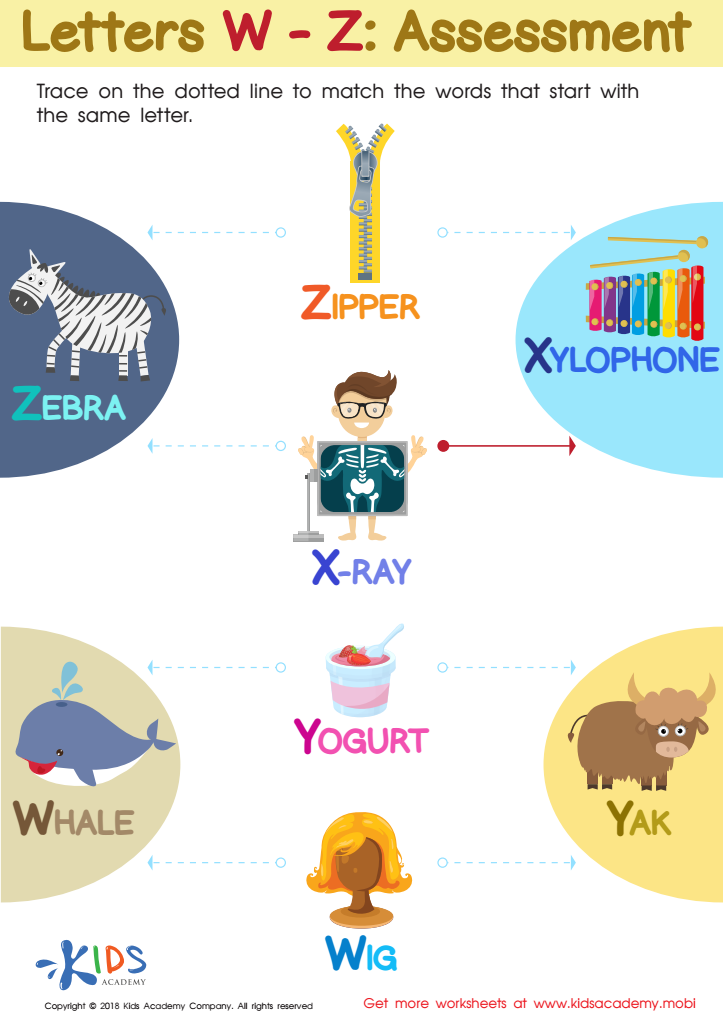
Letters W–Z Tracing Worksheet
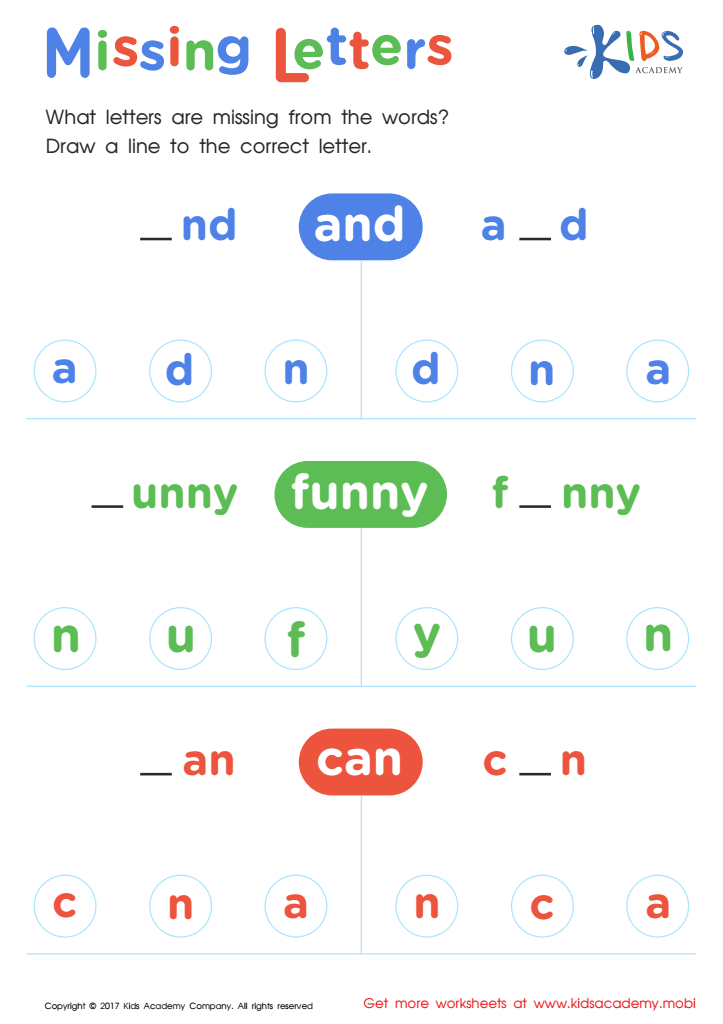
Missing Letters Worksheet
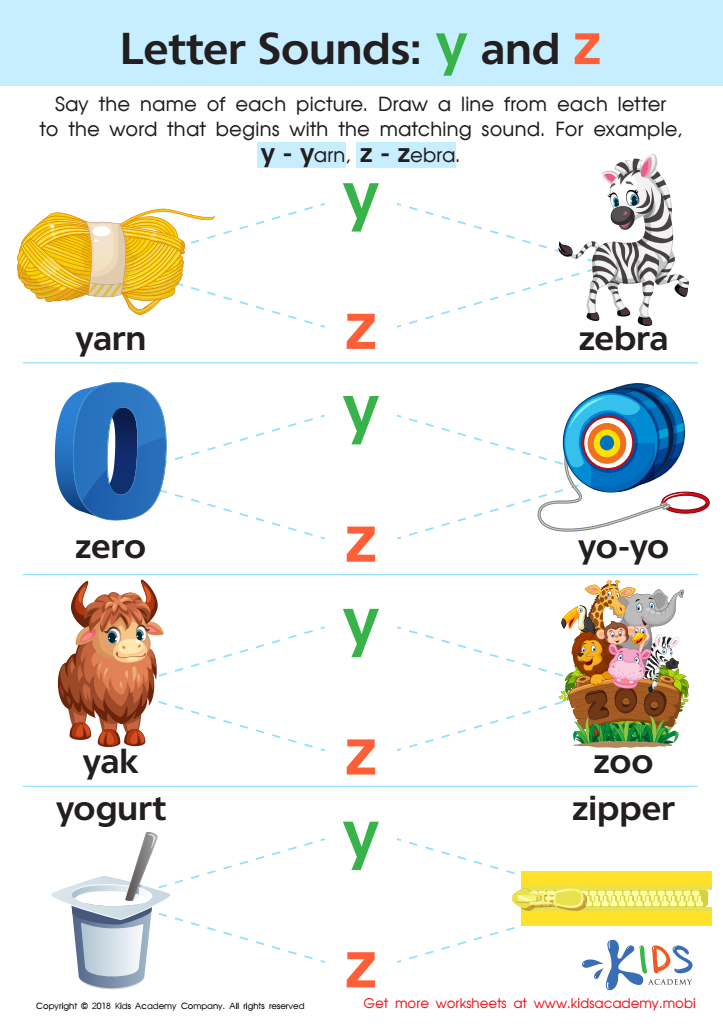
Letter Y and Z Sounds Worksheet
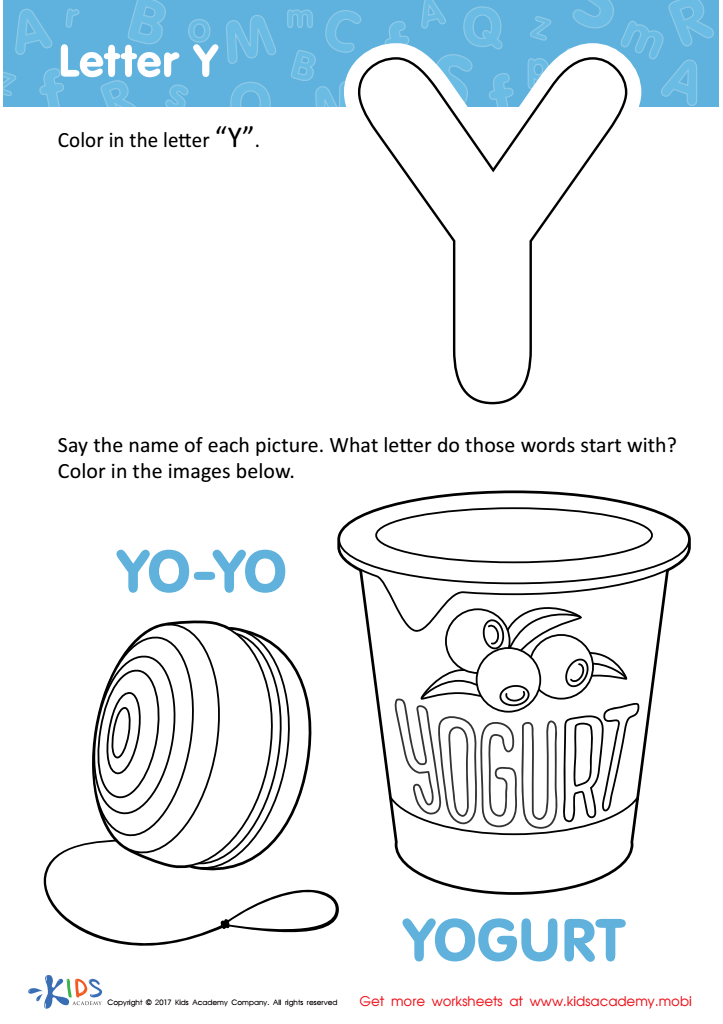
Letter Y Coloring Sheet
Assign to My Students
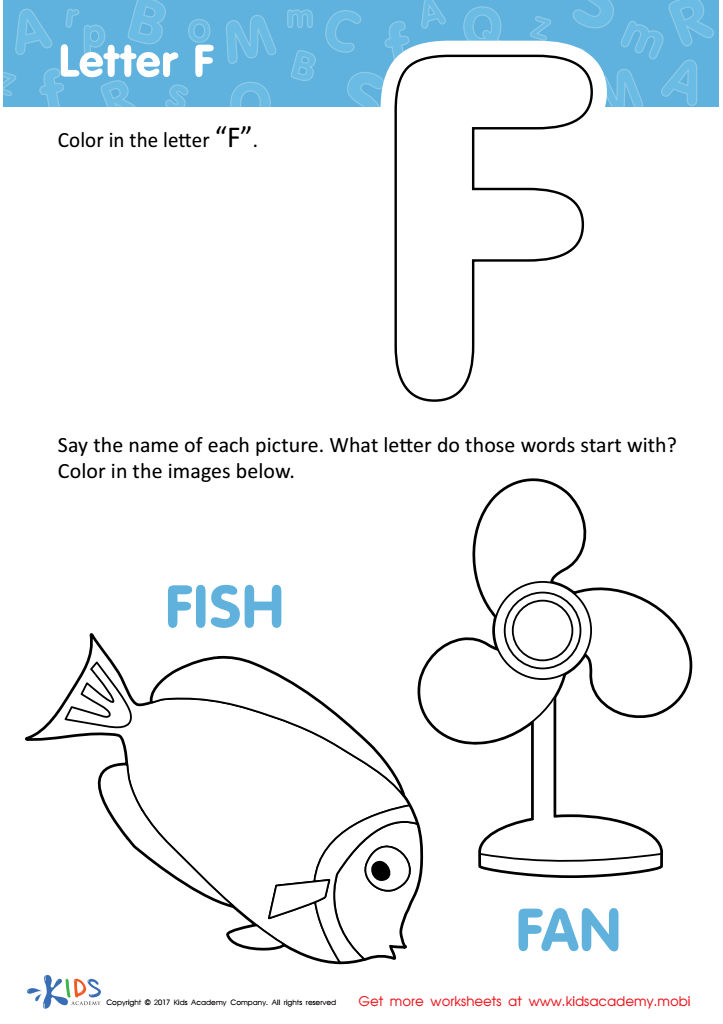
Letter F Coloring Sheet
Assign to My Students
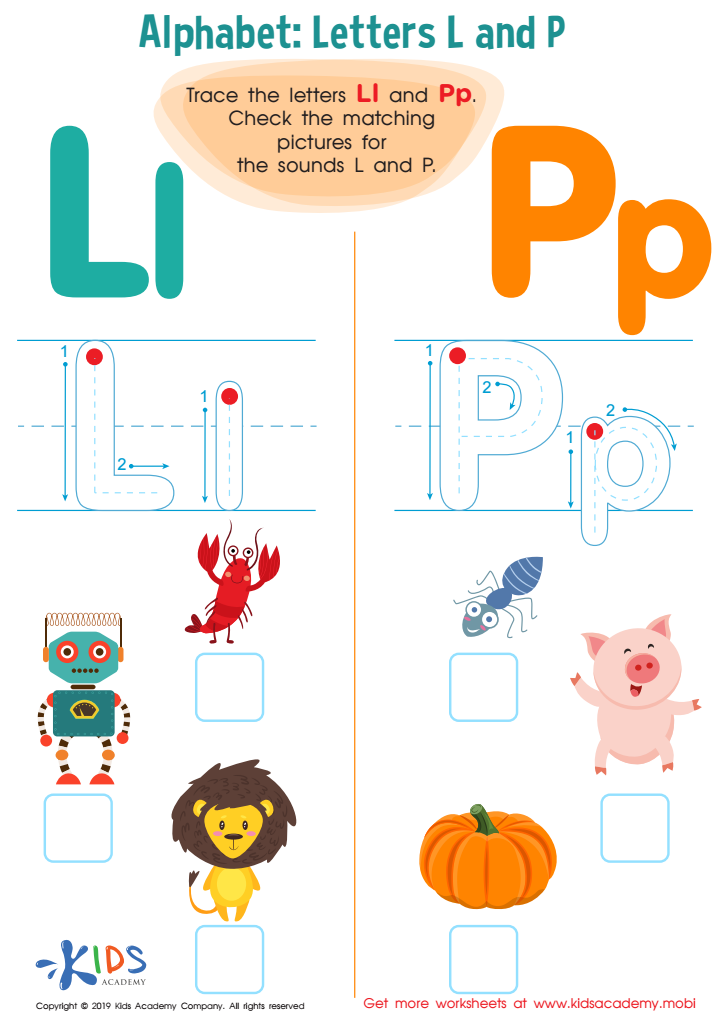
Letter L and P Tracing Worksheet
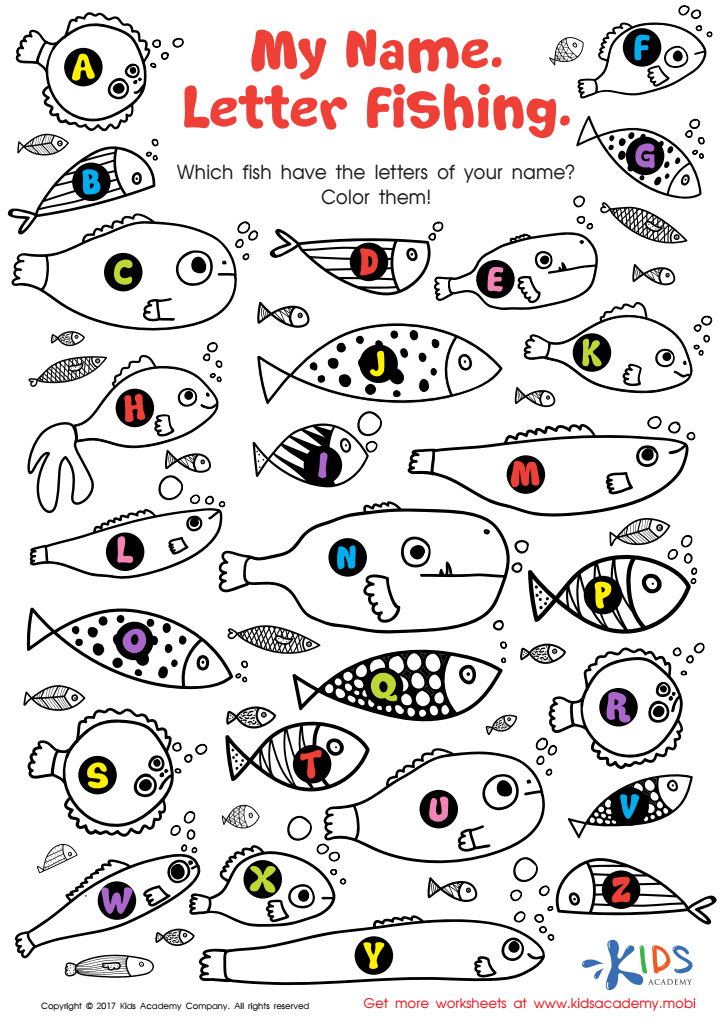
My Name: Letter Fishing Worksheet
Assign to My Students
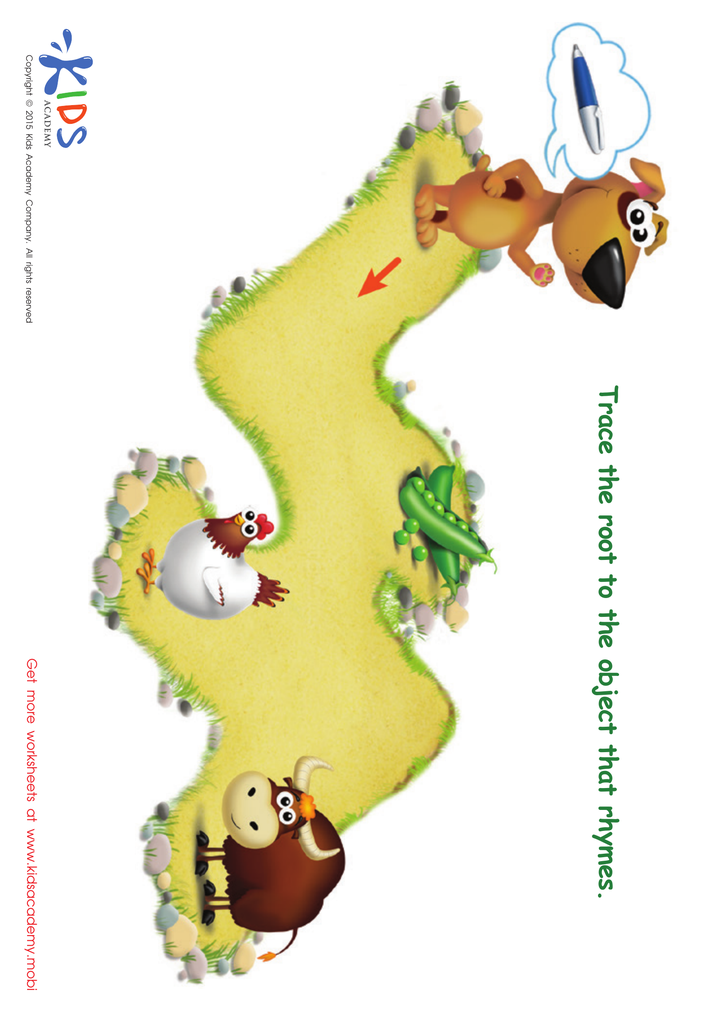
Pen Rhyming Words Worksheet




.jpg)



Alphabet recognition is crucial in early childhood education, acting as a foundation for literacy and language development. For parents and teachers, focusing on this important skill in preschool is essential for several reasons.
Firstly, alphabet recognition is a pre-reading skill. Children who are comfortable identifying letters can more easily transition to phonics, where they learn the sounds each letter makes. This foundational knowledge makes decoding words and ultimately reading sentences more manageable.
Secondly, recognizing letters enhances a child's confidence in their learning abilities. When kids can point out familiar letters in books, signs, or labels, it reinforces their learning and shows them that they are surrounded by learning opportunities.
Developing alphabet recognition also supports fine motor skills. Activities such as tracing letters, or playing with alphabet blocks, engage young learners in a tactile experience that benefits their hand-eye coordination and pencil grip, skills which are important for writing.
Moreover, early alphabet recognition can identify children who might need additional support. Teachers and parents can intervene early, providing extra help through engaging activities, games, and personalized attention.
Ensuring children recognize and understand the alphabet makes for a smoother path toward reading and writing, fostering lifelong academic success and a love for learning.