Fine motor skills development Preschool Alphabet Worksheets
5 filtered results
-
From - To
Unlock your child's potential with our Preschool Alphabet Worksheets designed to enhance fine motor skills development! Ideal for young learners, these engaging and educational worksheets help children practice their alphabet while refining essential hand-eye coordination and dexterity. Each activity features fun, interactive elements like tracing, coloring, and matching, all aimed at boosting grip strength and control. Perfect for preschool classrooms or at-home learning, our expertly crafted materials ensure your child builds a strong foundation for future writing tasks. Foster confidence and skill in your little one today with our printable worksheets focused on fun and functional fine motor development!
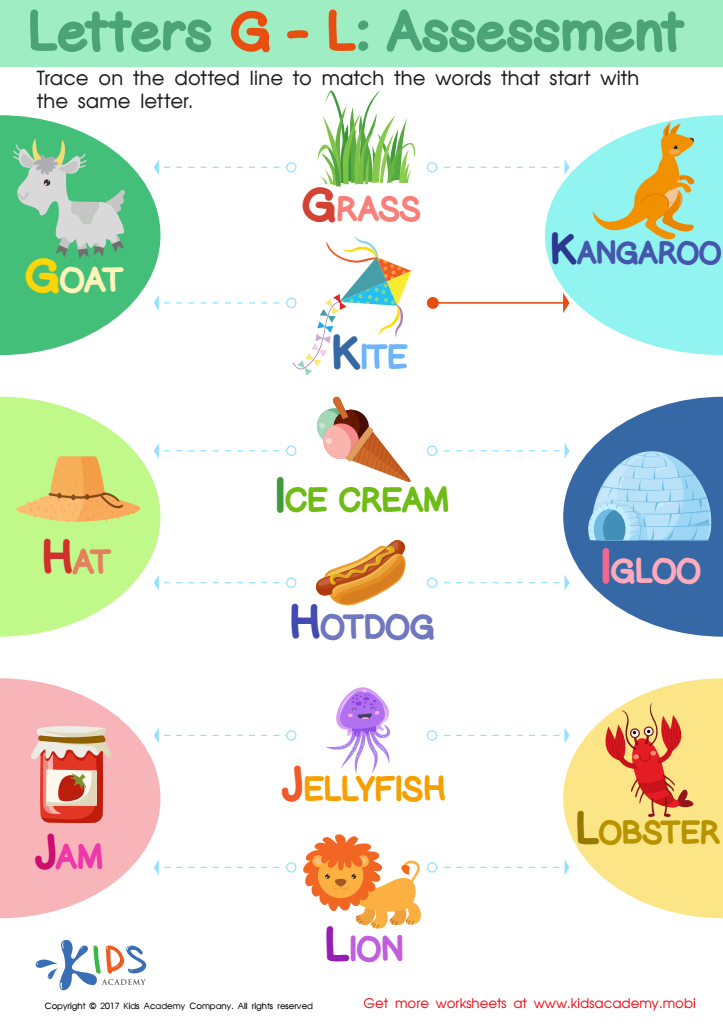
Letters G-L Worksheet
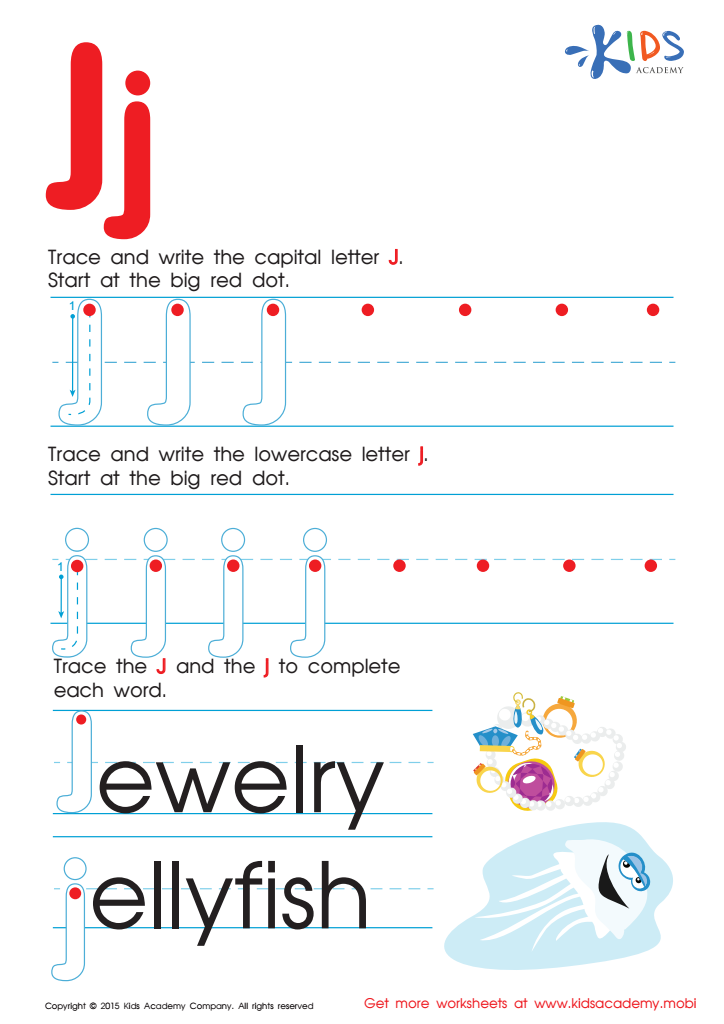
Letter J Tracing Page
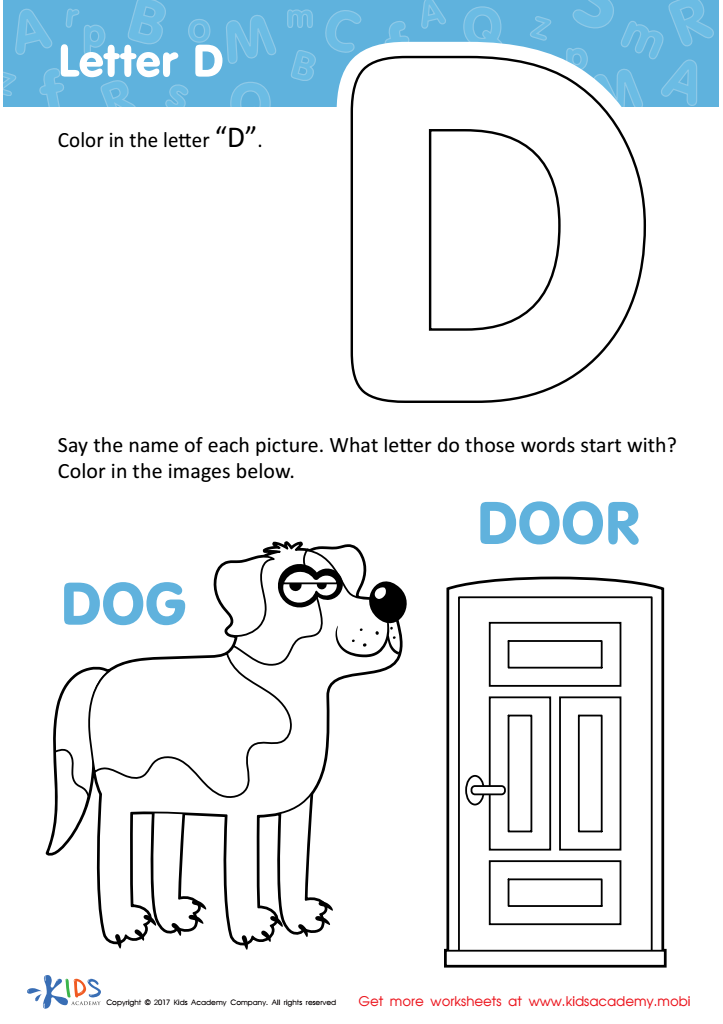
Letter D Coloring Sheet
 Assign to My Students
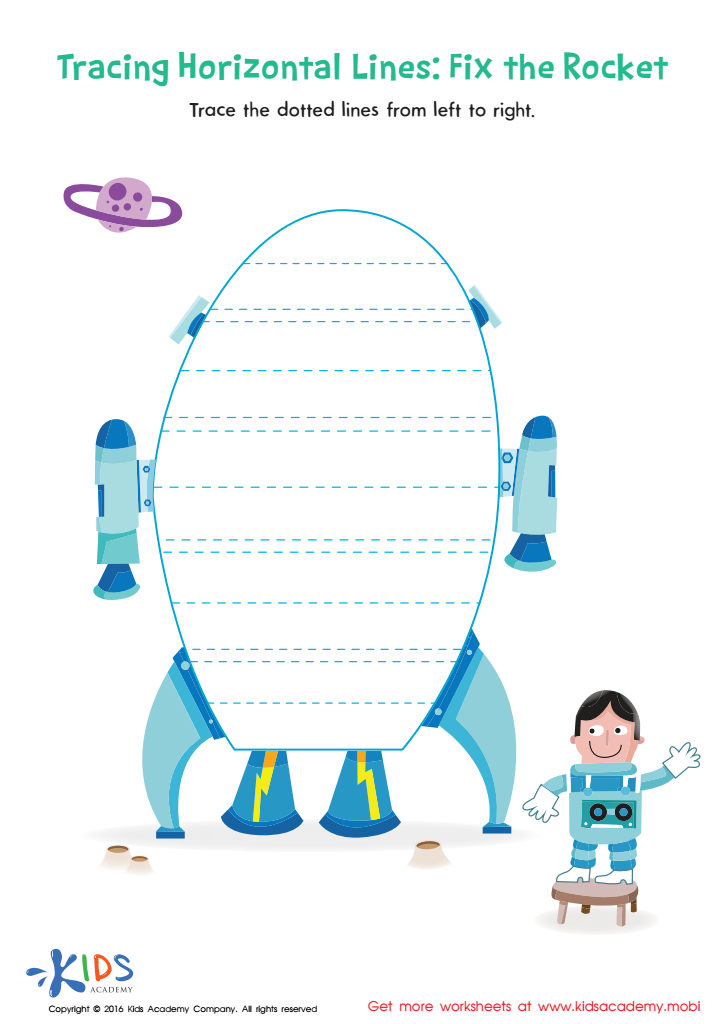
Tracing Horizontal Lines Worksheet
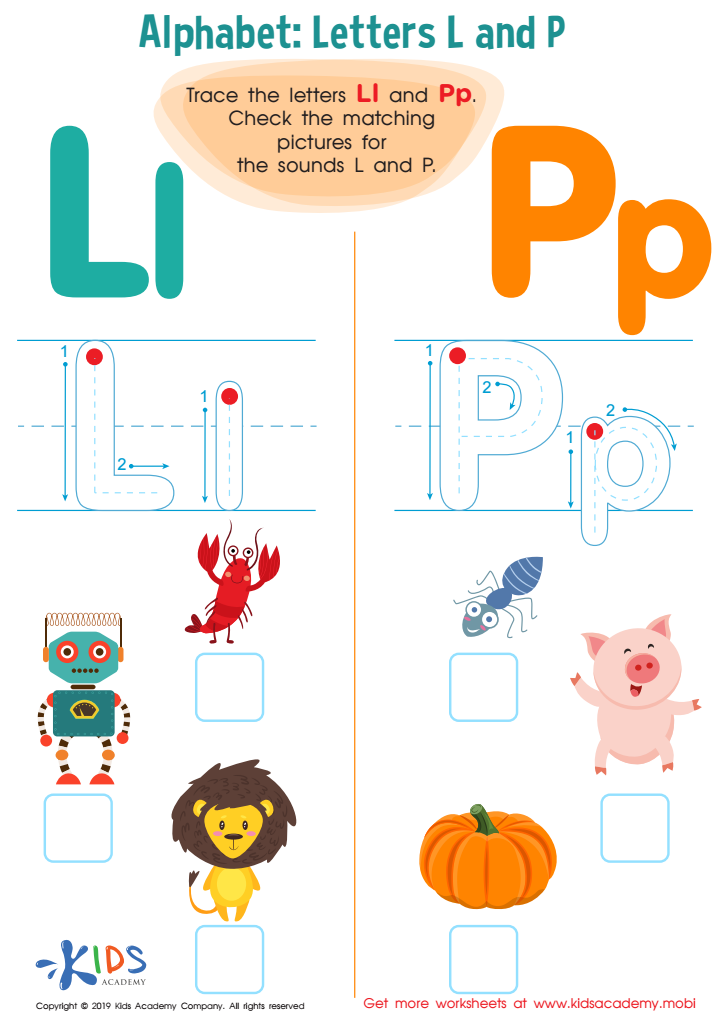
Letter L and P Tracing Worksheet








Fine motor skills development in preschool children is crucial for their overall growth and future academic success, and this is where the practice of learning the alphabet becomes significant. Fine motor skills involve the coordination of small muscles in the hands and fingers, which are essential for tasks like writing, drawing, buttoning, and tying shoelaces. By focusing on these skills during the early years, parents and teachers lay the foundation for more complex tasks that children will encounter as they grow.
Engaging activities like tracing and writing alphabet letters help children develop hand strength, control, and dexterity. These activities not only familiarize them with the alphabet—an essential component of early literacy—but also improve their ability to manipulate objects, enhancing their readiness for school tasks.
Additionally, when children practice the alphabet through activities like cutting out letters, arranging them, or using finger paints, they simultaneously enhance their cognitive abilities. This interaction between motor skills and learning fosters better concentration, memory, and problem-solving skills.
Moreover, developing fine motor skills through alphabet activities can boost self-esteem and independence in kids. As children master these tasks, they gain confidence, which motivates them to tackle more challenging activities. Therefore, prioritizing fine motor skills development through alphabet learning is fundamental for children’s continuous progress in both academic and daily life skills.