Hand-eye Coordination Preschool Alphabet Worksheets
16 filtered results
-
From - To
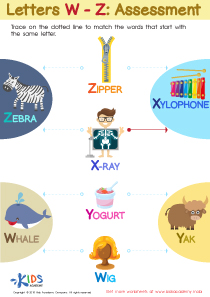
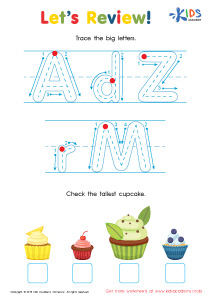
Enhance your preschooler's learning experience with our Hand-Eye Coordination Alphabet Worksheets! Designed to foster essential skills, these engaging worksheets combine fun activities with alphabet practice suitable for young learners. Kids will develop their hand-eye coordination through exciting exercises that involve tracing, matching, and coloring letters from A to Z. These worksheets are perfect for at-home learning or as supplementary resources for classroom activities. By incorporating movement and creativity, these exercises ensure children build a strong foundation in literacy while honing their motor skills. Download our free printable worksheets today and watch your little ones flourish as they explore the world of letters!
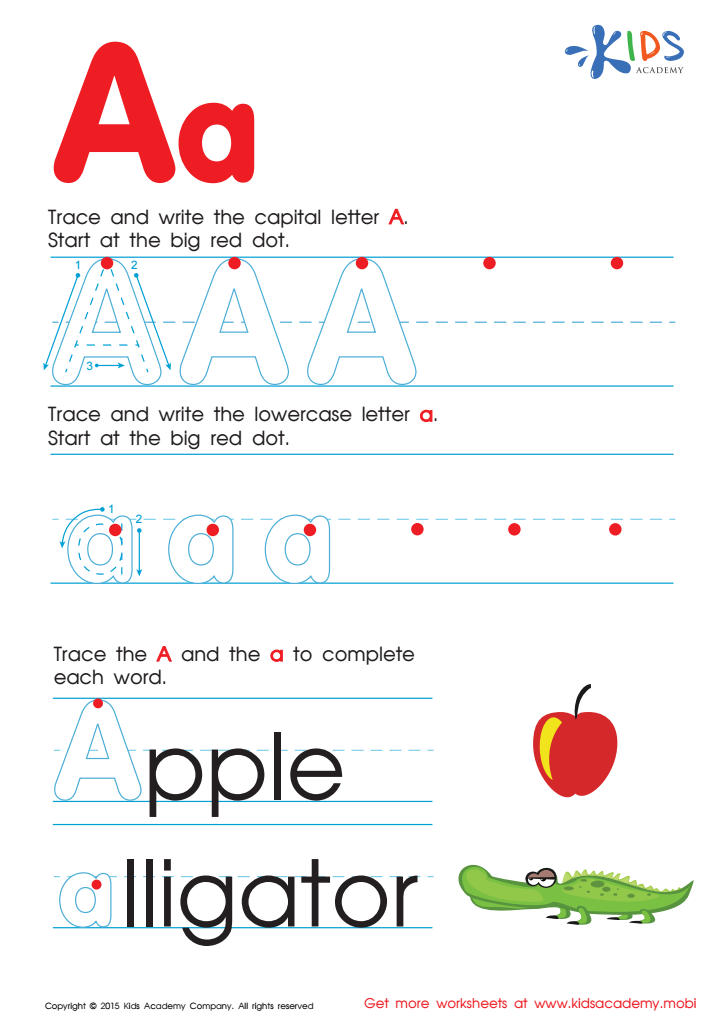
Letter A Tracing Page
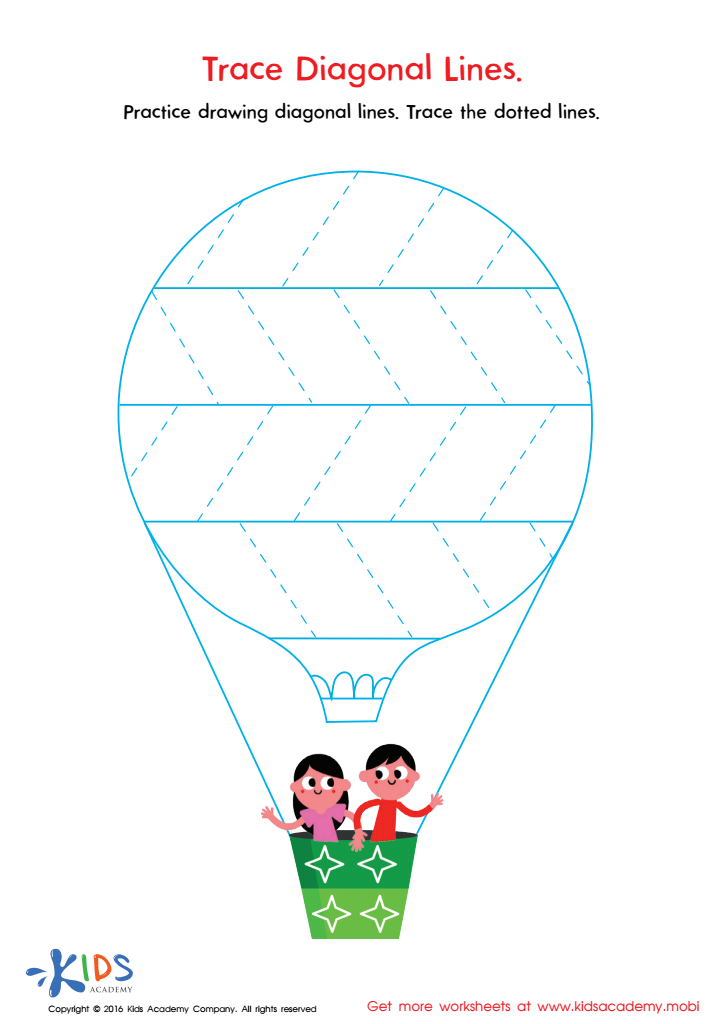
Trace Diagonal Lines Worksheet
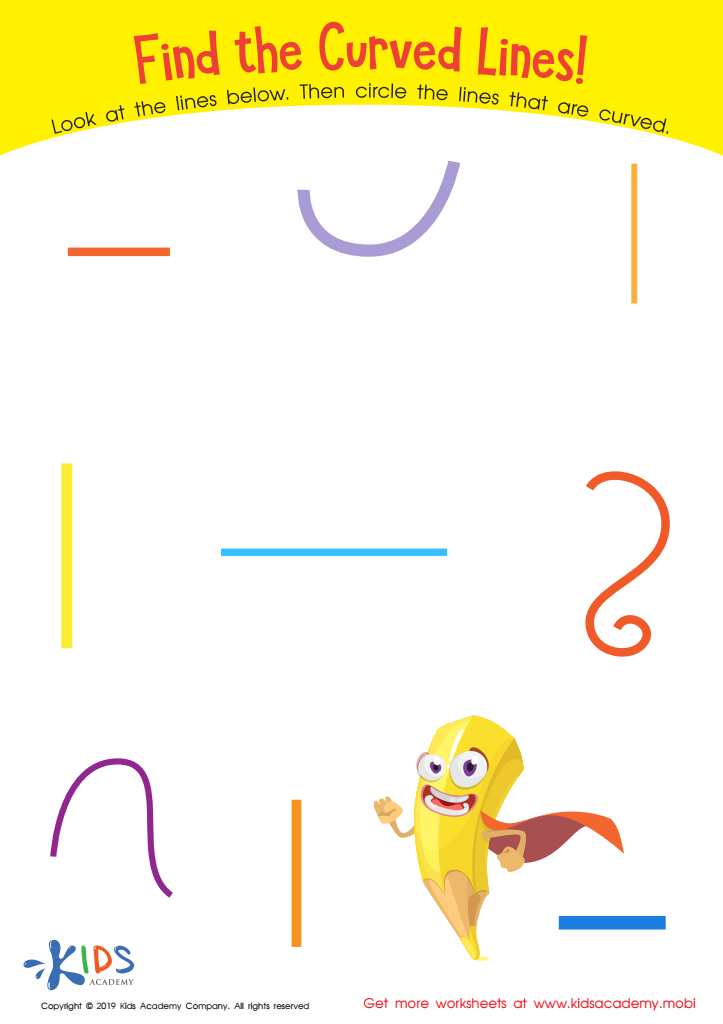
Find the Curved Lines! Worksheet
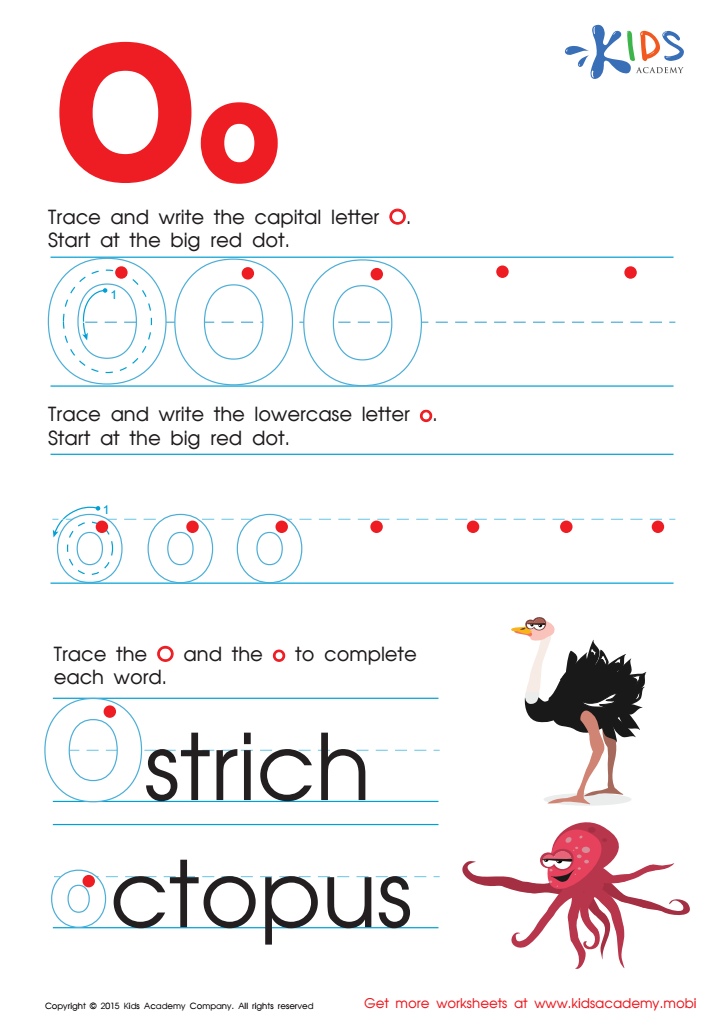
Letter O Tracing Page
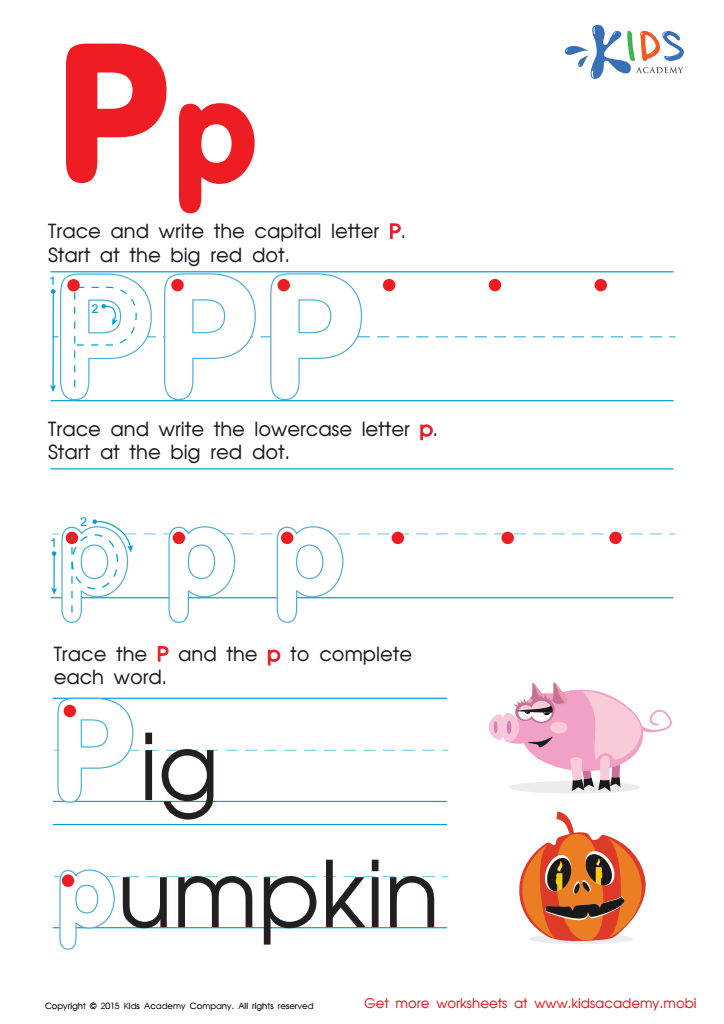
Letter P Tracing Page
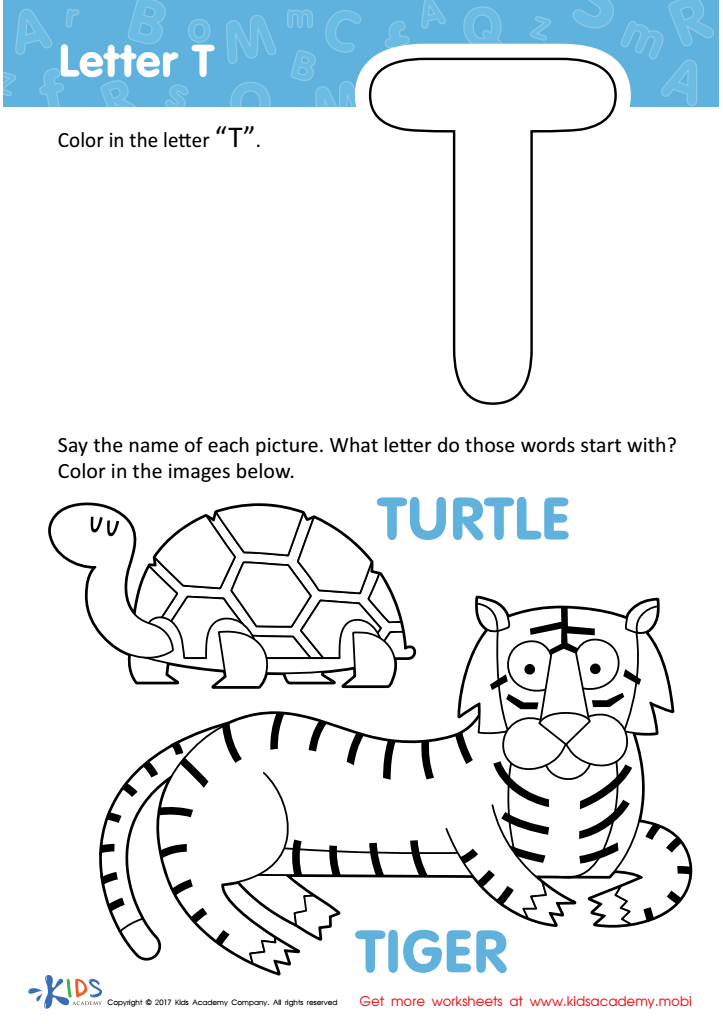
Letter T Coloring Sheet
 Assign to My Students

Letter H Tracing Page
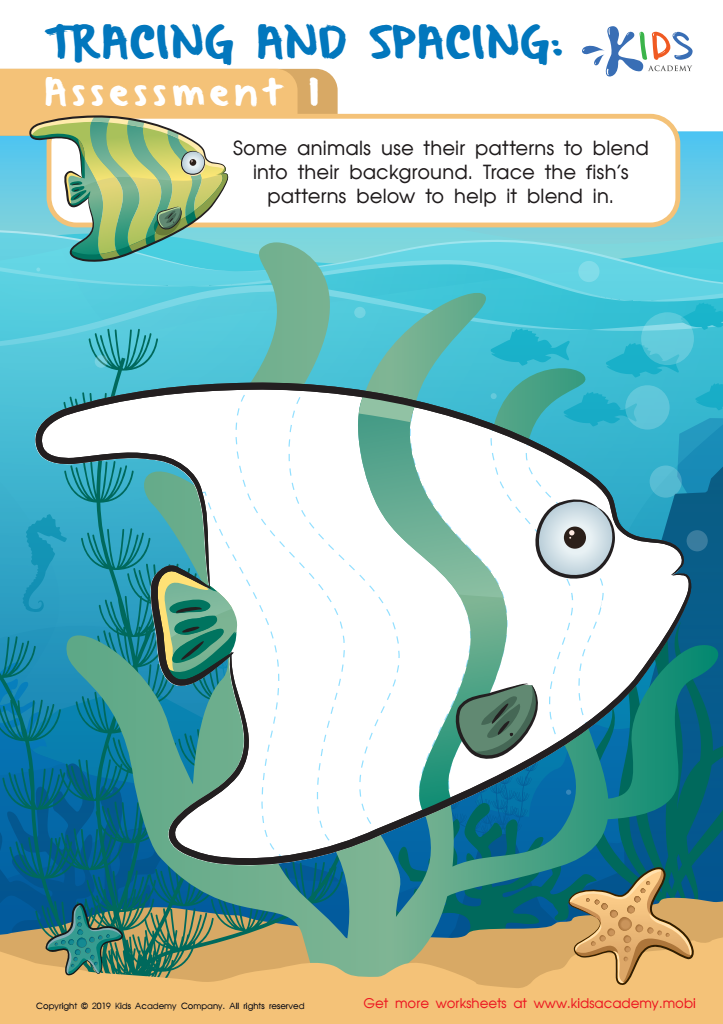
Tracing and Spacing: Assessment 1 Worksheet
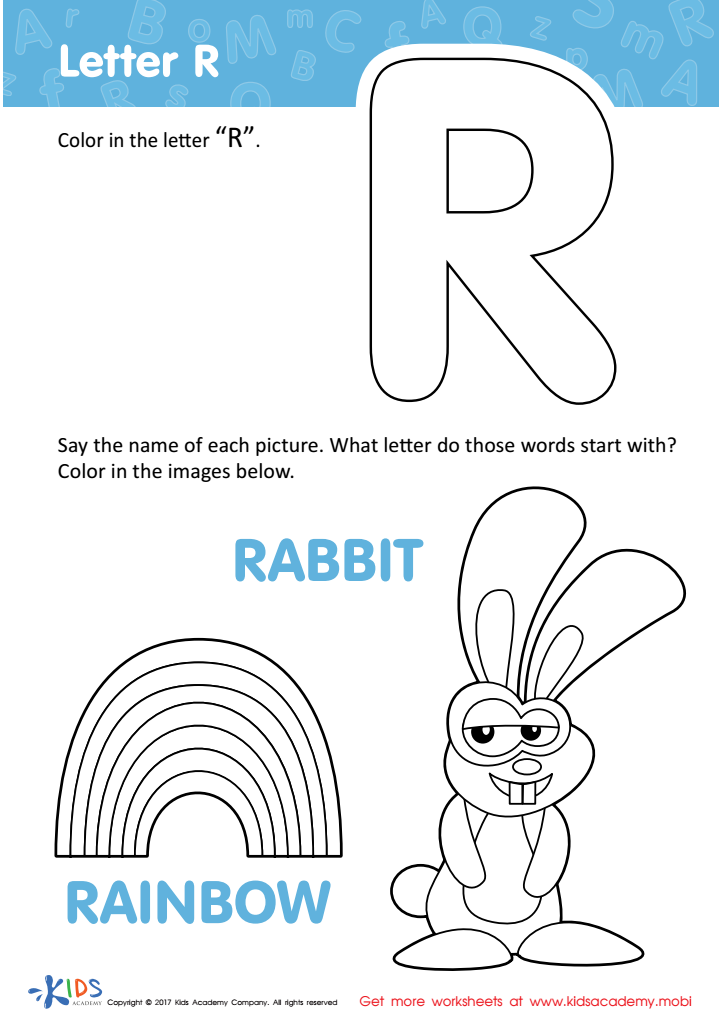
Letter R Coloring Sheet
Assign to My Students
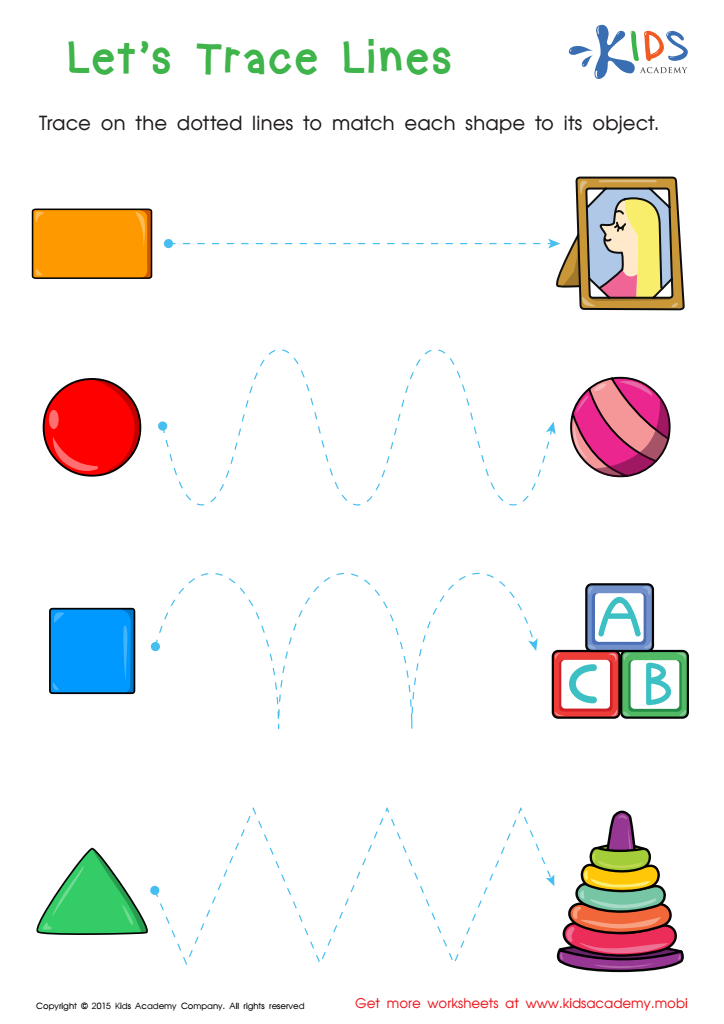
First Words: Let's Trace Lines Worksheet
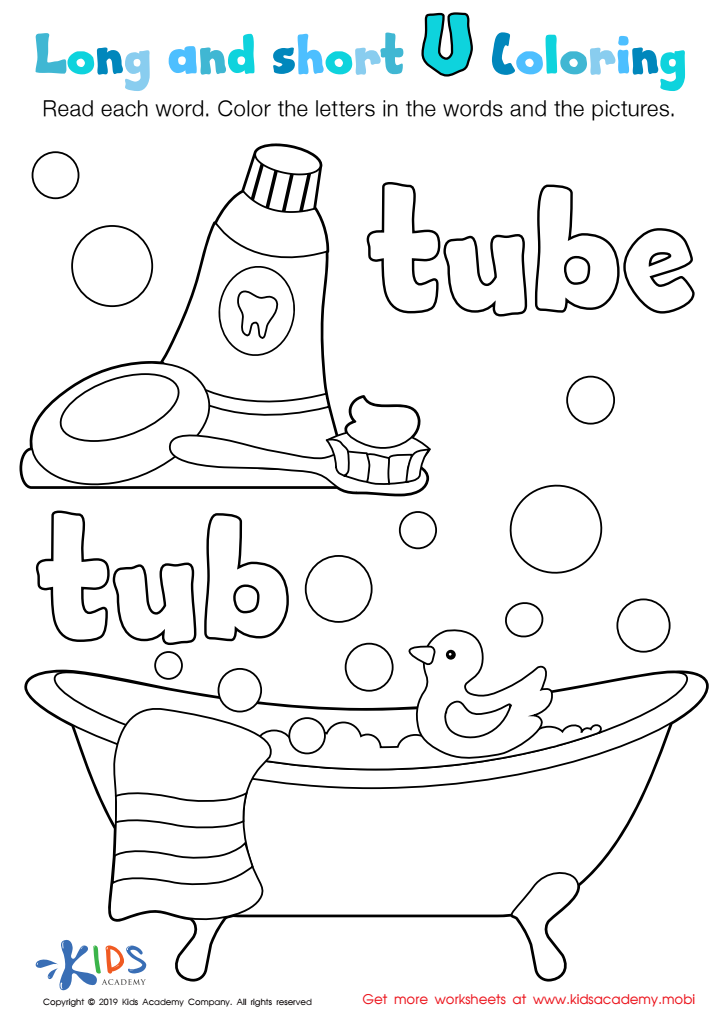
Long and Short U Worksheet
Assign to My Students
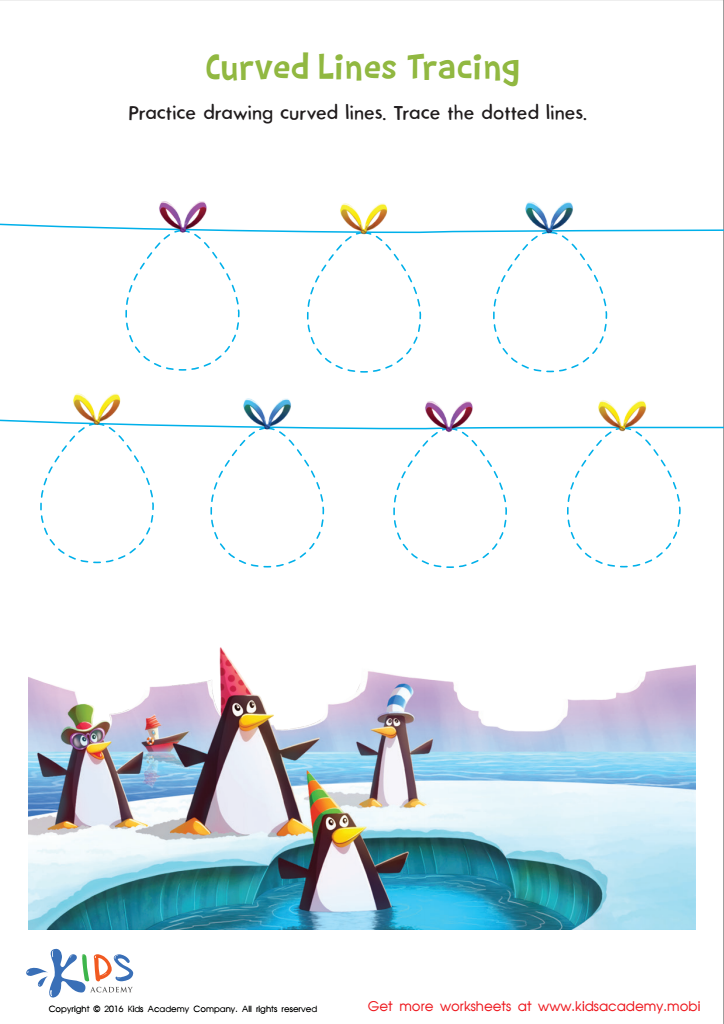
Curved Lines Tracing Worksheet
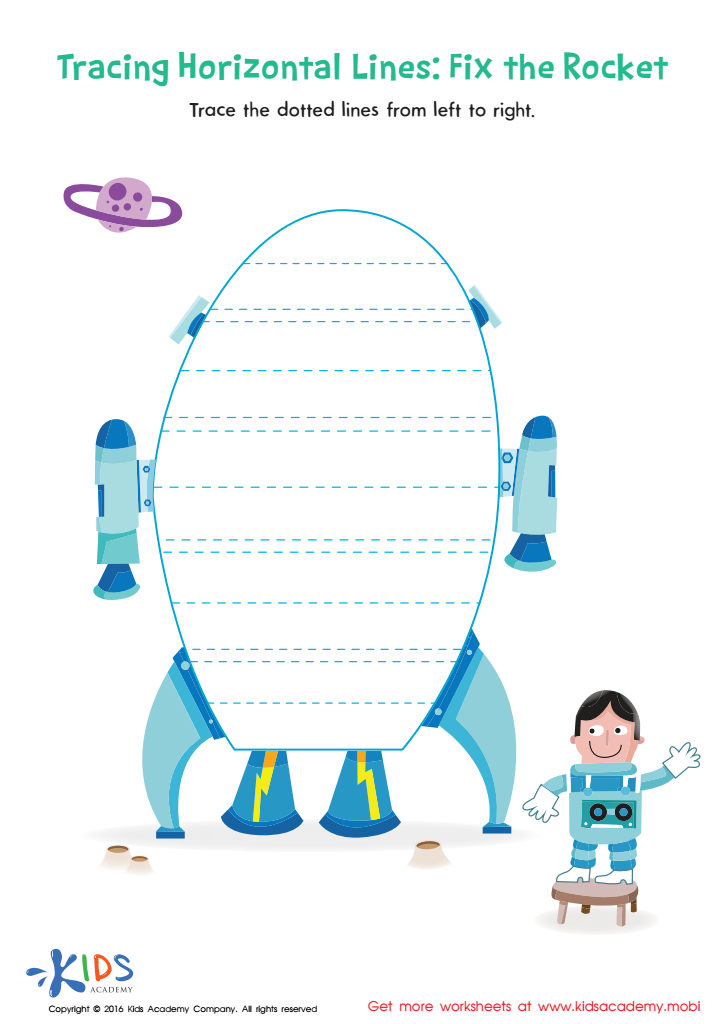
Tracing Horizontal Lines Worksheet

Long and Short E Worksheet
Assign to My Students
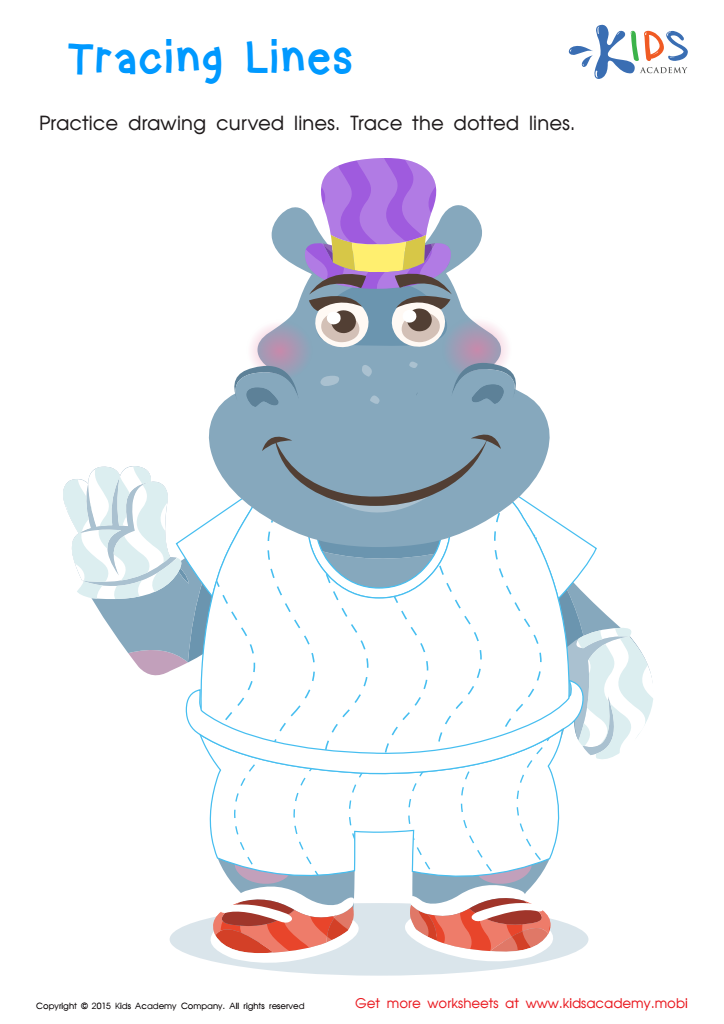
Tracing Lines Worksheet

Letter D Tracing Page


.jpg)





Hand-eye coordination is a crucial skill that significantly impacts a child's development, particularly in their early learning years. For preschoolers, activities that enhance hand-eye coordination—like engaging with the alphabet—play a vital role in their academic and social skills. As children learn to recognize and write letters, they simultaneously develop fine motor skills, which are essential for tasks like holding a pencil, using scissors, or tying shoelaces.
When children practice handwriting or letter tracing, they enhance their ability to coordinate visual input with their hand movements. This skill translates beyond letters, improving overall coordination and confidence in physical activities. Moreover, strong hand-eye coordination is linked to better performance in reading and math, paving the way for future academic success.
Teachers and parents should prioritize activities that develop these skills, as they contribute to a child's ability to integrate sensory information with motor tasks. Encouraging alphabet learning through interactive games, artwork, or sensory play can foster a positive learning environment, making literacy fun and engaging. Ultimately, nurturing hand-eye coordination through the preschool alphabet lays the foundation for lifelong learning and holistic development. Recognizing its importance is crucial for parents and educators alike.