Enhancing fine motor skills Preschool Worksheets
4 filtered results
-
From - To
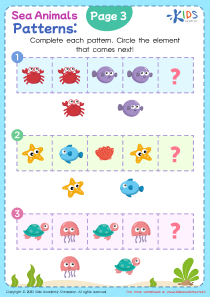
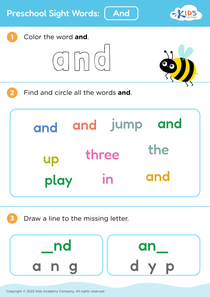
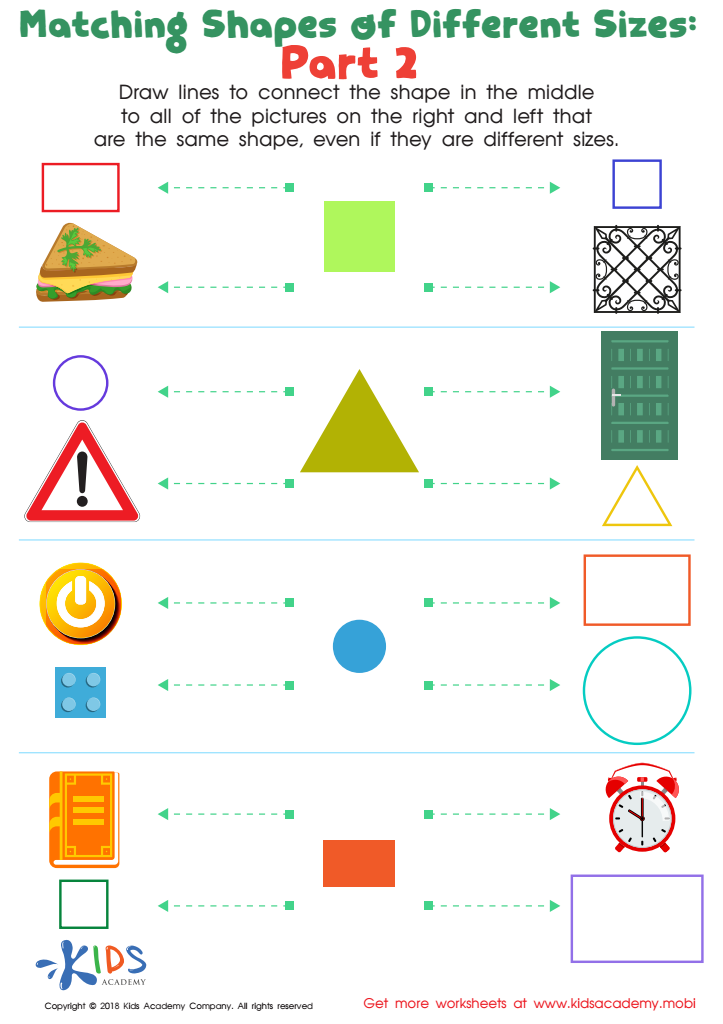
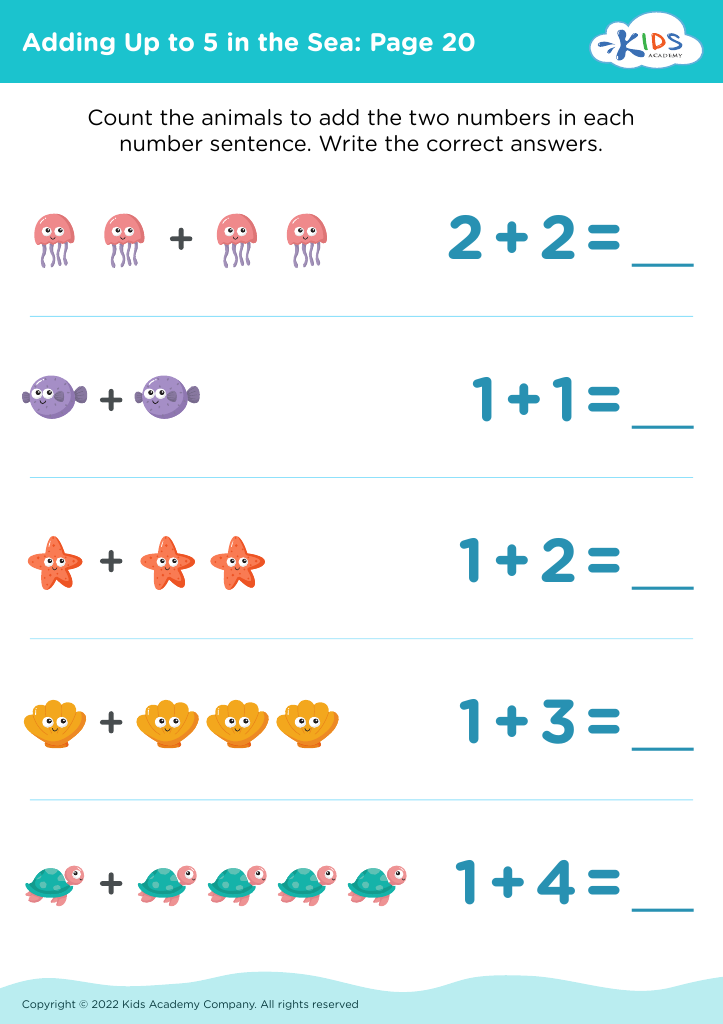
Discover engaging and effective preschool worksheets designed to enhance fine motor skills in young learners. Our carefully crafted activities focus on improving hand-eye coordination, grip strength, and dexterity, laying the foundation for essential skills in writing and daily tasks. Each worksheet is packed with fun exercises such as tracing, cutting, and coloring that keep children entertained while promoting skill development. Perfect for parents and educators, these resources make learning enjoyable and accessible. Unlock your child's potential and foster creativity with our diverse range of fine motor skill worksheets. Explore now and watch your little ones thrive!
Geometry: Part 2 Worksheet
 Assign to My Students






.jpg)

Enhancing fine motor skills in preschoolers is essential for their overall development and future learning. Fine motor skills involve the coordination of small muscles in the hands and fingers, which are crucial for activities such as writing, cutting, and manipulating small objects. Developing these skills at an early age supports not only academic success but also boosts self-confidence and independence.
Improving fine motor skills helps children with tasks they encounter in everyday life, from buttoning shirts to eating with utensils. These competencies lay the foundation for greater complex motor tasks required in later grades. Moreover, engaging in activities that promote fine motor skills, such as arts and crafts, puzzles, and building blocks, enhances hand-eye coordination and sensory integration, which are vital for creative play and problem-solving.
Additionally, fine motor development often correlates with cognitive development. Activities that challenge children to use their hands also stimulate brain connections, leading to improved concentration and memory. By prioritizing fine motor skill enhancement, parents and teachers not only prepare children for academic challenges but also nurture their social and emotional growth, fostering a well-rounded foundation for lifelong learning. Thus, investing in these skills is crucial for a child's holistic development during their formative years.