Hand-eye Coordination Preschool Worksheets - Page 3
71 filtered results
-
From - To
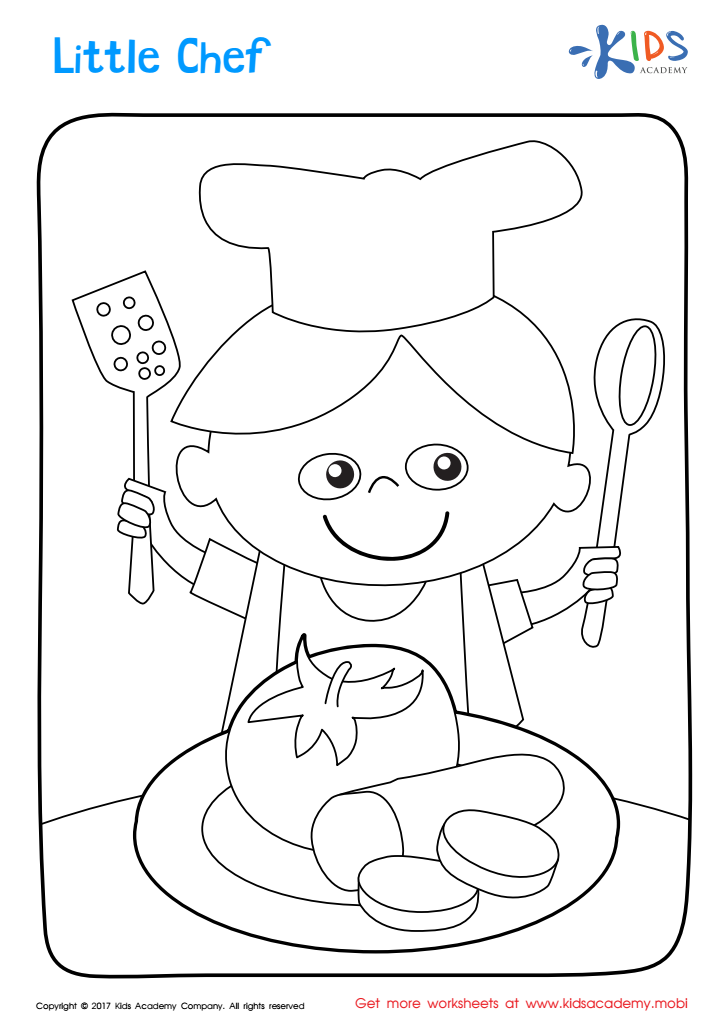
Little Chef Coloring Page
 Assign to My Students
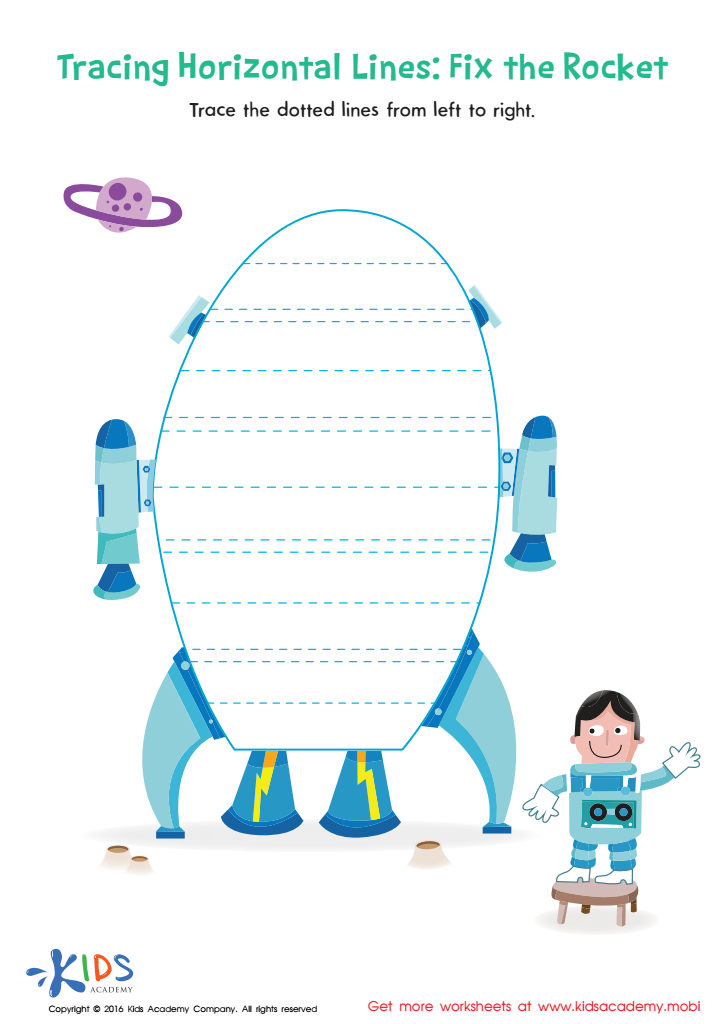
Tracing Horizontal Lines Worksheet
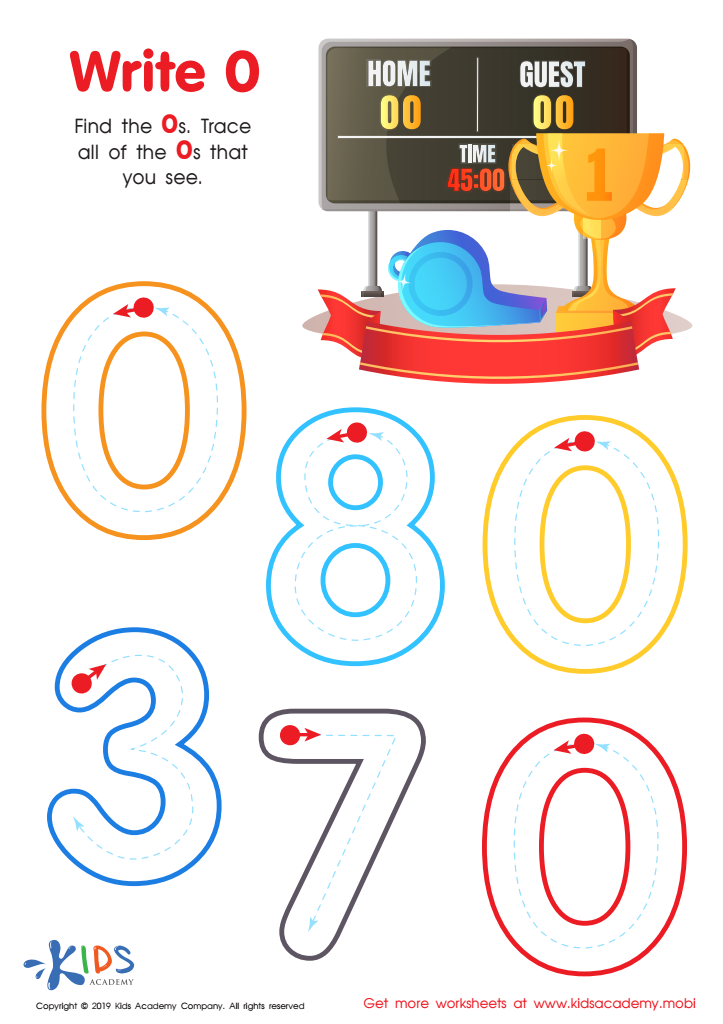
Write 0 Worksheet
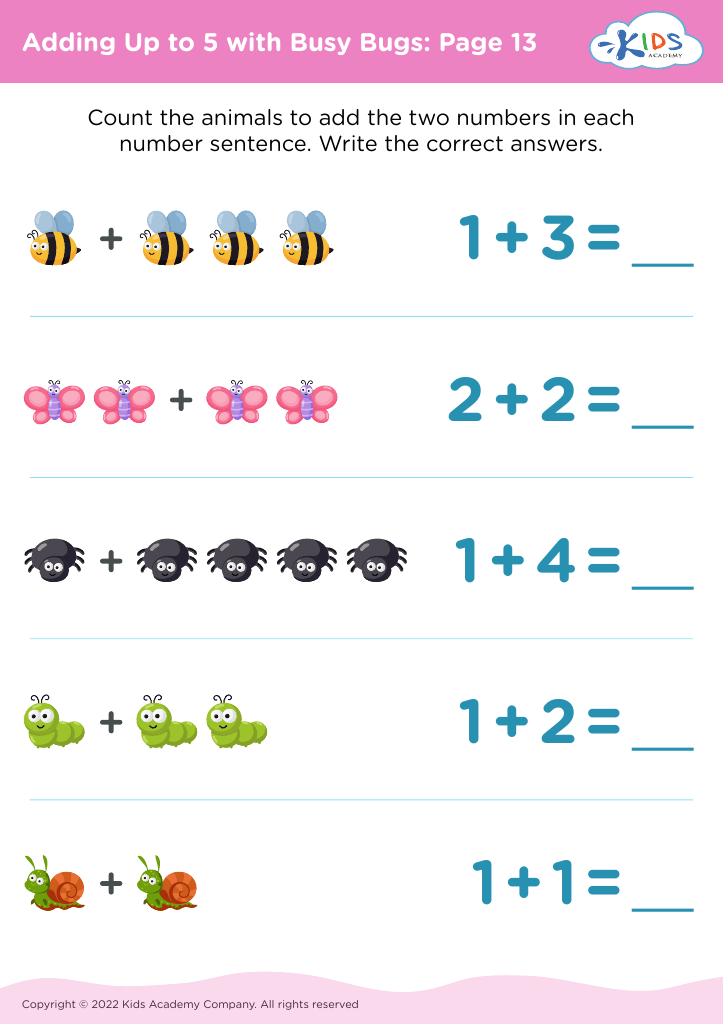
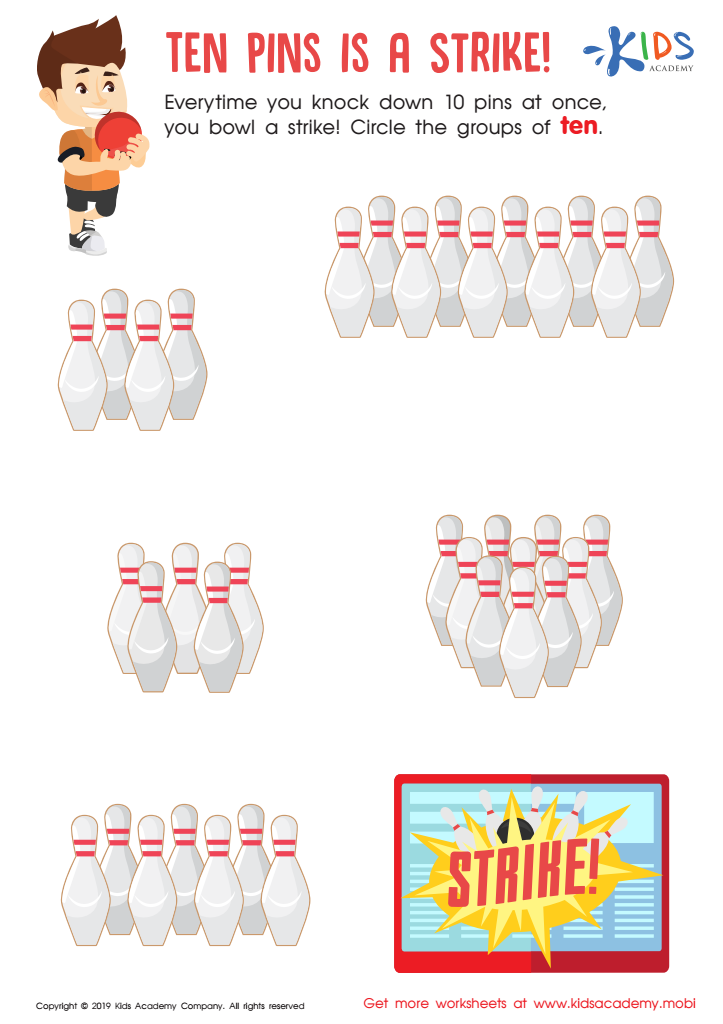
Ten Pins is a Strike Worksheet
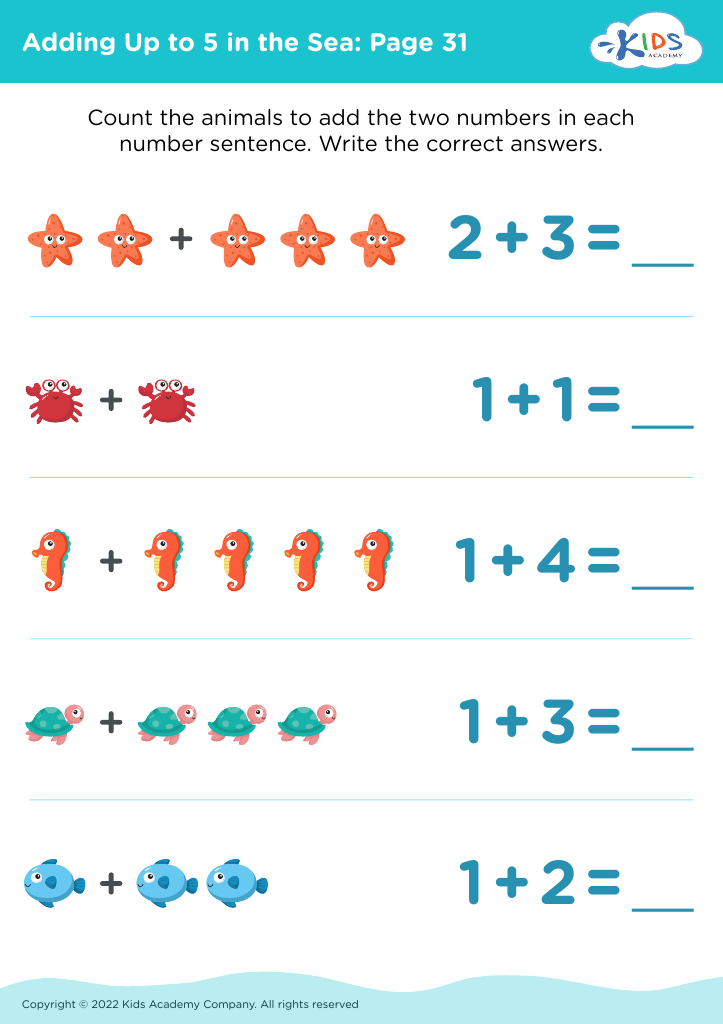
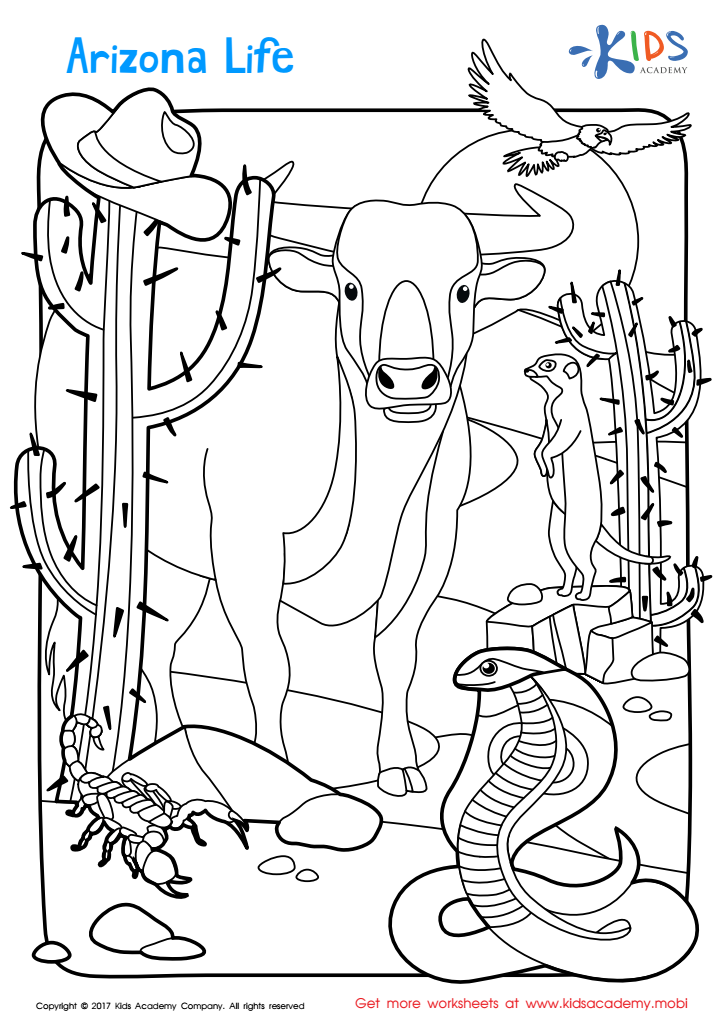
Arizona Coloring Page Worksheet
Assign to My Students
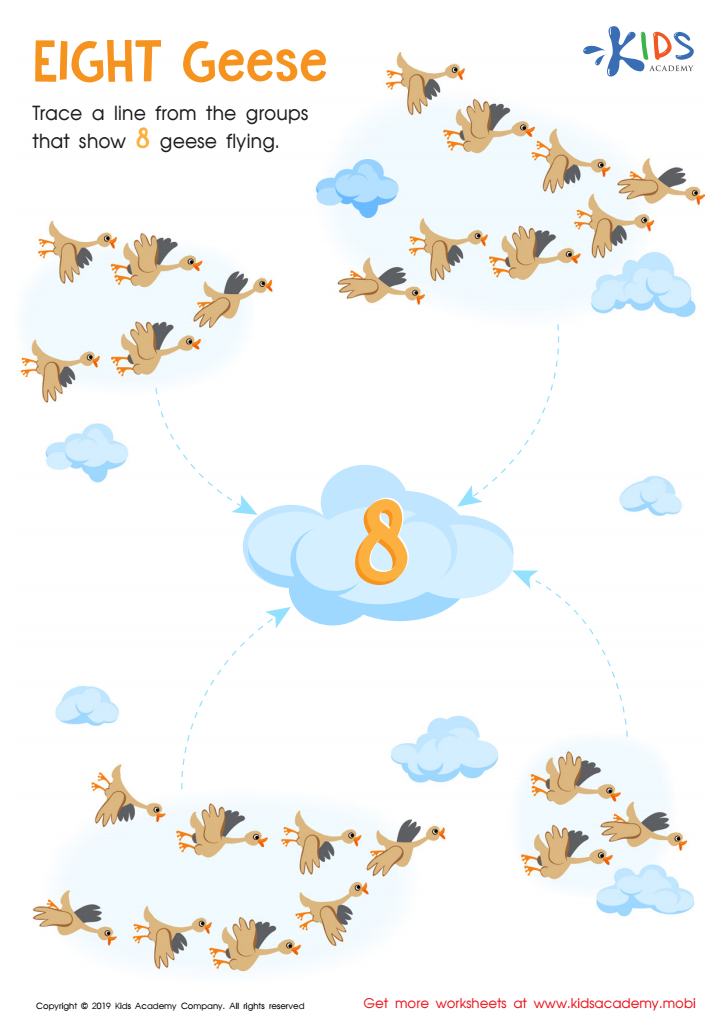
Eight Geese Worksheet
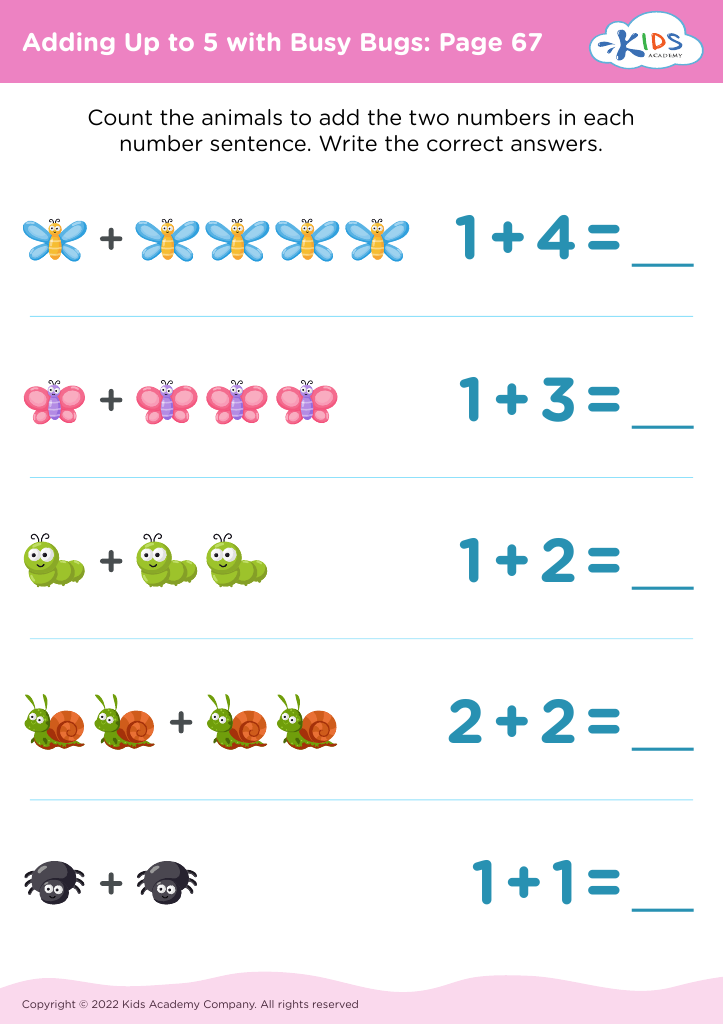
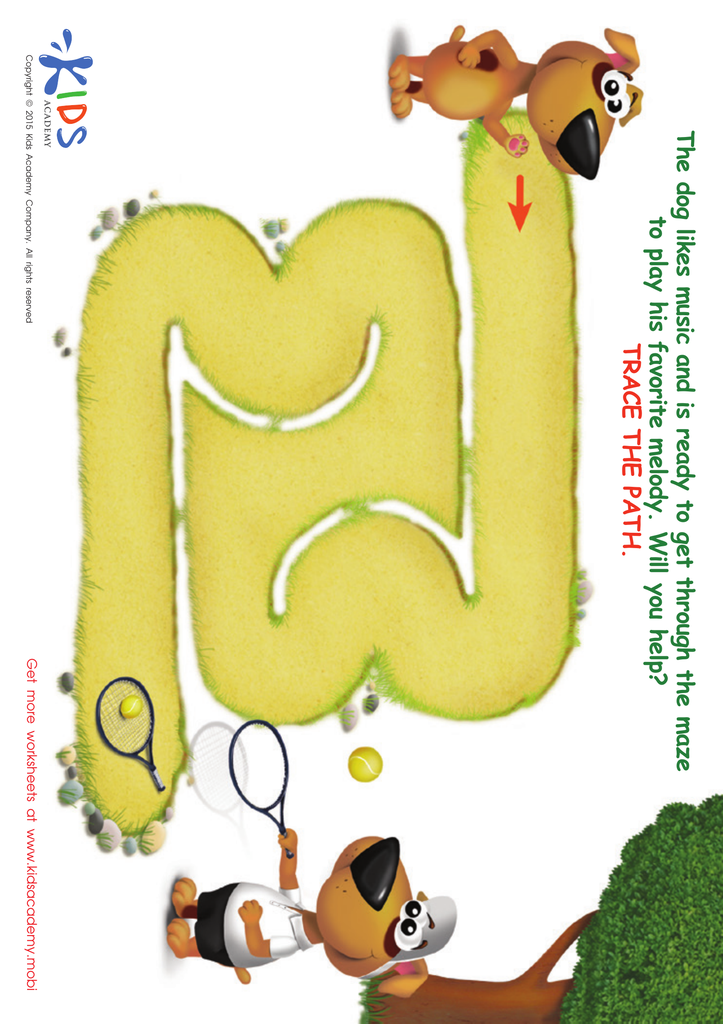
Tennis Player Maze Worksheet
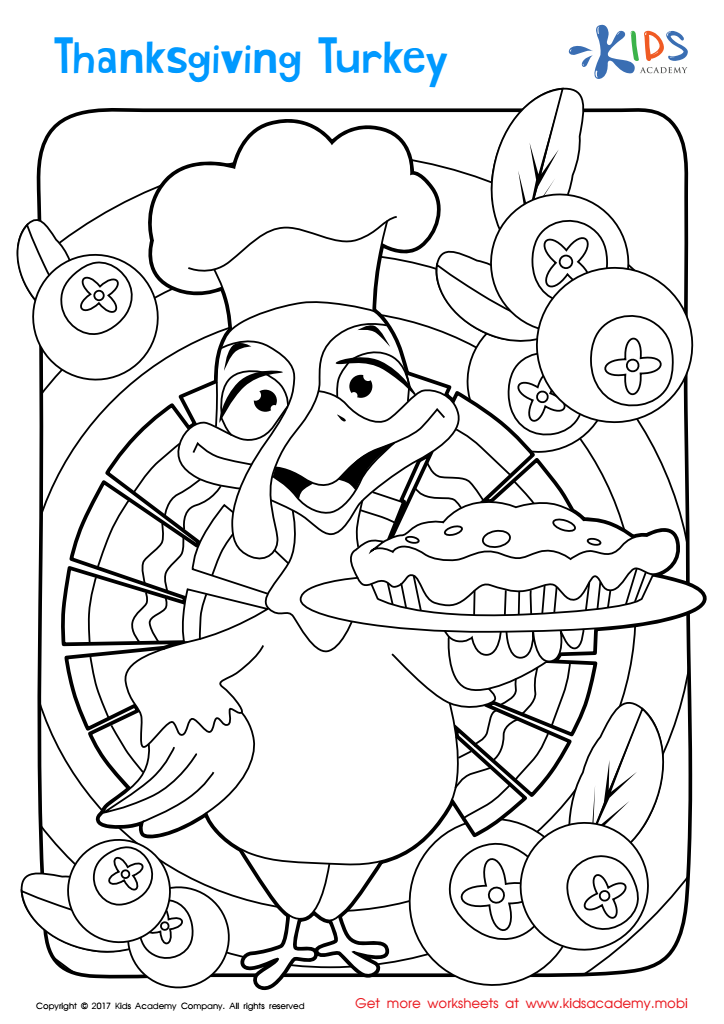
Turkey Thanksgiving Day Worksheet
Assign to My Students
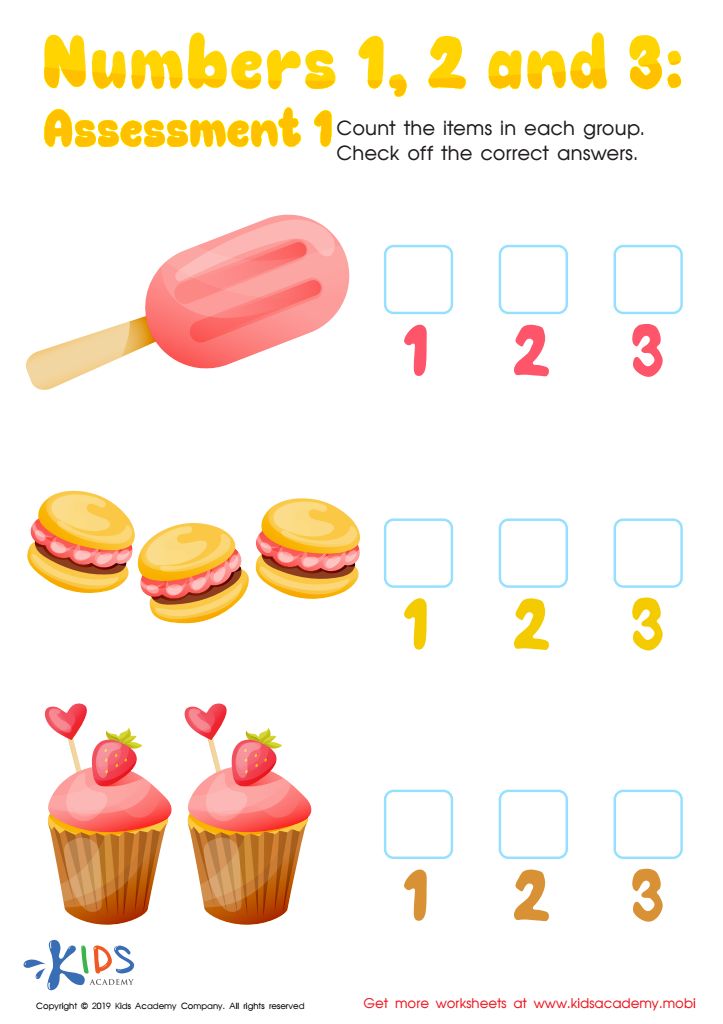
Numbers 1, 2 and 3: Assessment 1 Worksheet
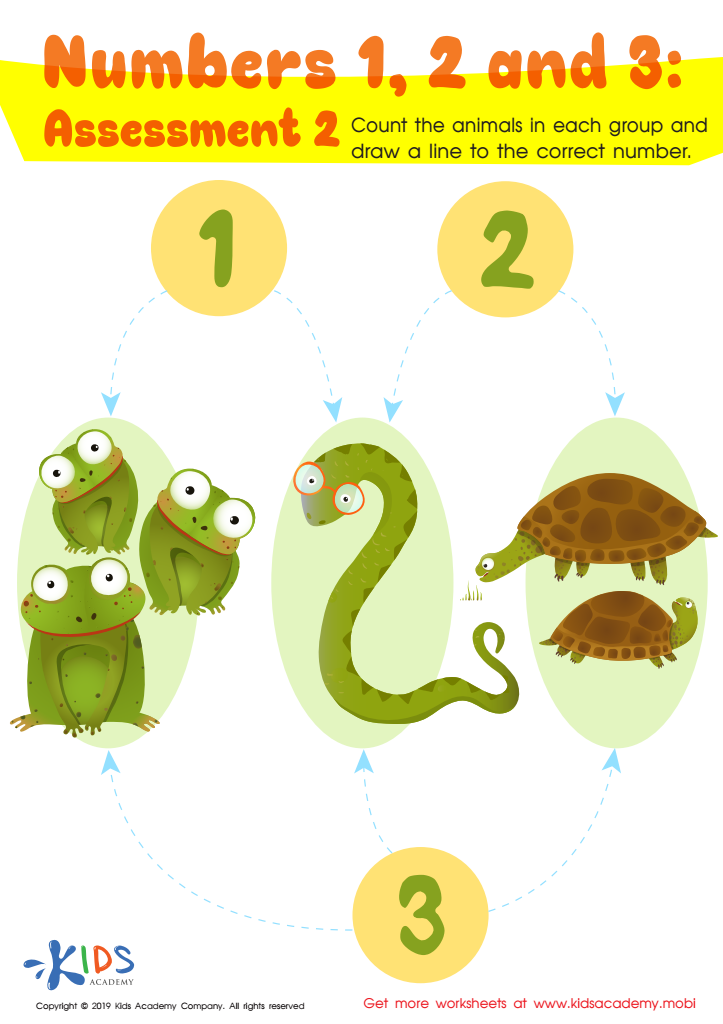
Numbers 1, 2 and 3: Assessment 2 Worksheet
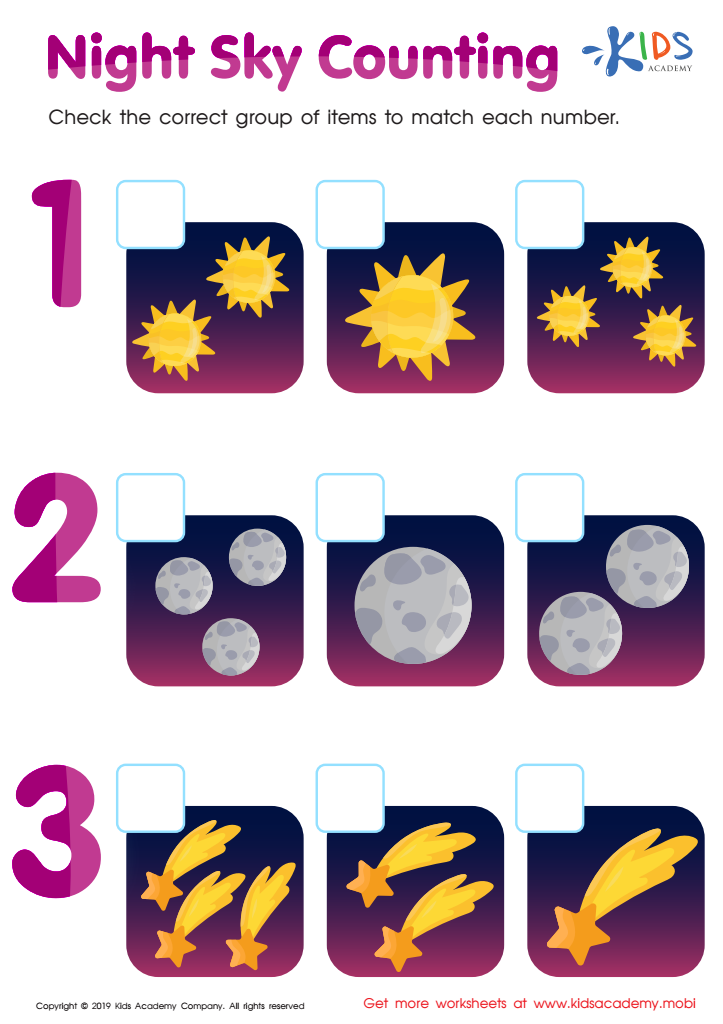
Night Sky Counting Worksheet
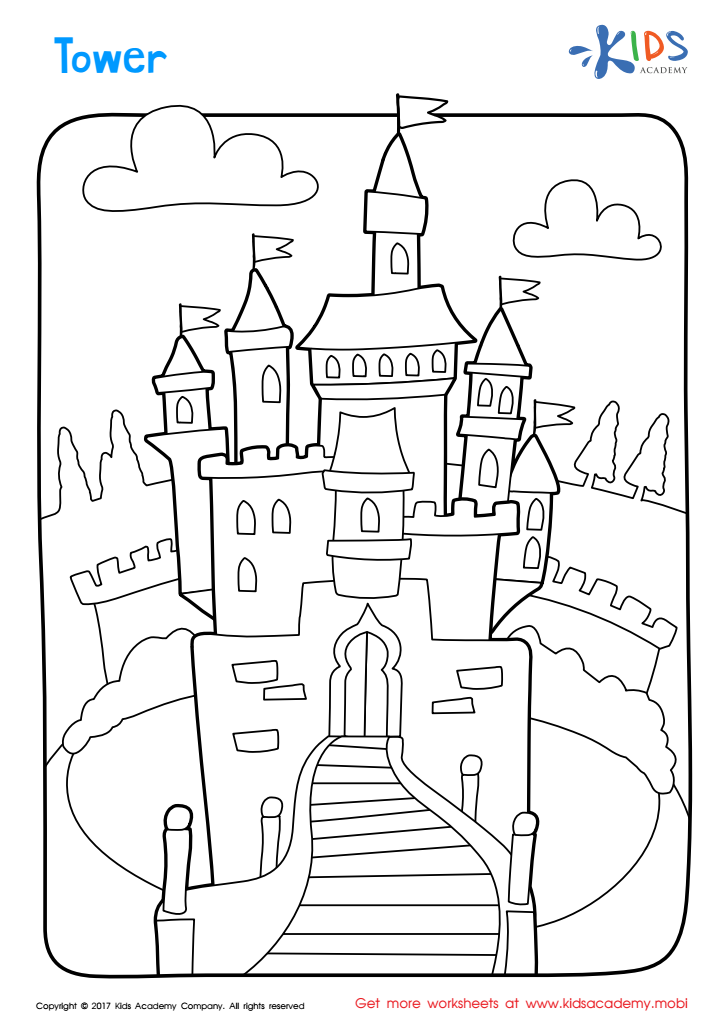
Tower Coloring Page
Assign to My Students
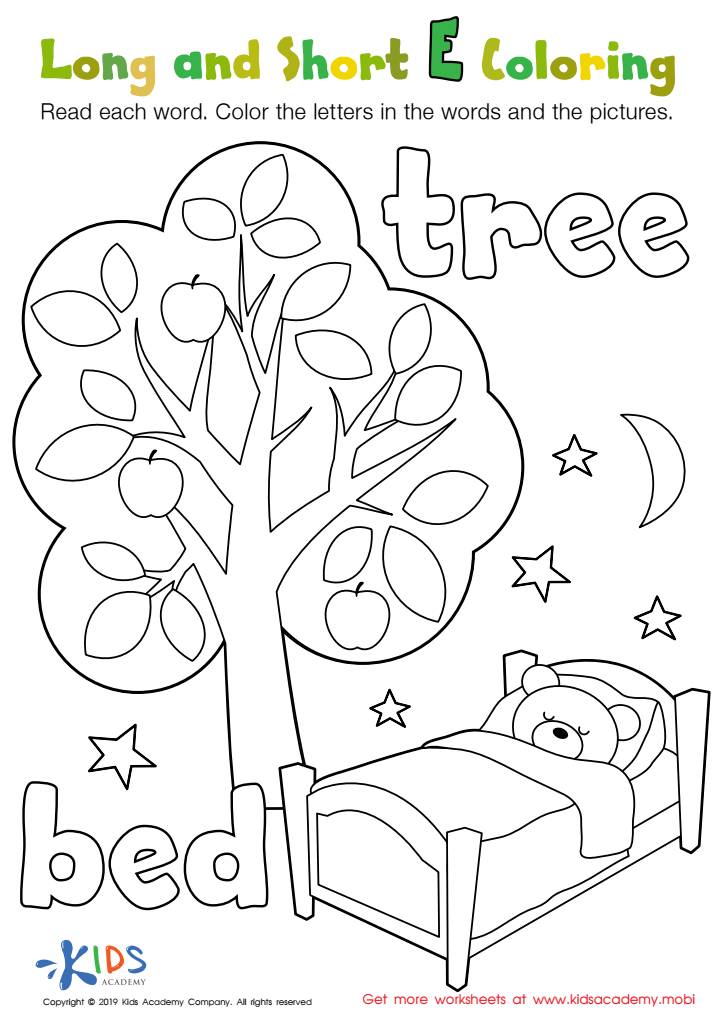
Long and Short E Worksheet
Assign to My Students
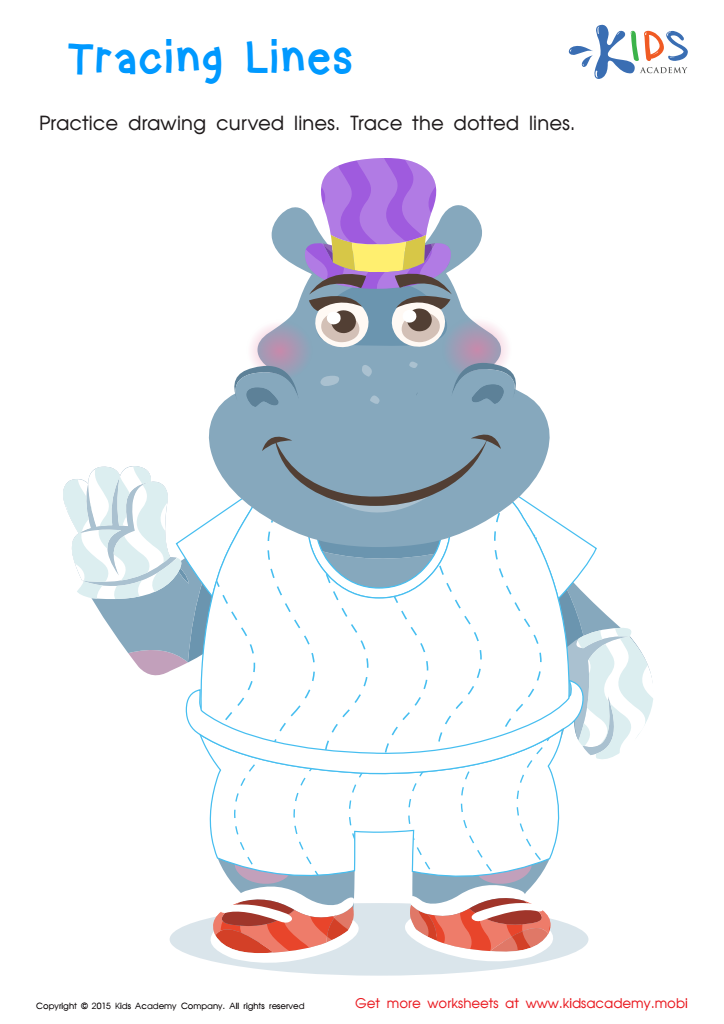
Tracing Lines Worksheet
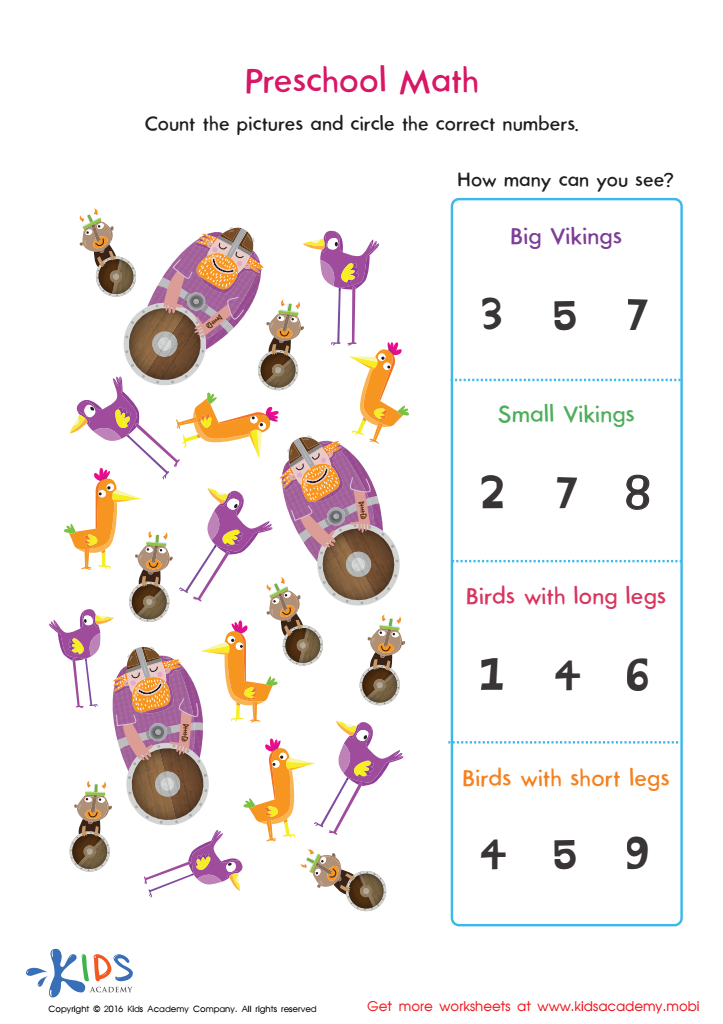

Letter D Tracing Page







Hand-eye coordination is a fundamental skill that forms the foundation for many everyday activities and learning processes in preschool-aged children. Parents and teachers should prioritize this skill development because it plays a critical role in children's physical and cognitive growth.
First, strong hand-eye coordination facilitates fine motor skills, essential for tasks such as writing, cutting, and self-care routines. This competence boosts a child's self-confidence and independence, which are vital for emotional development. Additionally, improving hand-eye coordination can enhance a child’s ability to participate in playful activities, sports, and games, contributing to their social skills and teamwork.
Cognitively, hand-eye coordination is linked to spatial awareness and problem-solving abilities. Activities that enhance this coordination foster creativity as children learn to manipulate objects, resulting in deeper engagement with their environment. Moreover, early work with hand-eye coordination can positively impact academic performance in subjects like math and science, where visual-spatial skills are crucial.
In summary, fostering hand-eye coordination in preschoolers is essential for their comprehensive development during these formative years. Parents and teachers should incorporate engaging activities and exercises that promote these skills, laying a strong foundation for future learning and success.