Letter identification Preschool Worksheets
5 filtered results
-
From - To
Discover a fun and engaging way to boost your preschooler's letter identification skills with our Printable Letter Identification Worksheets. Designed specifically for young learners, these worksheets help children recognize, differentiate, and associate letters with corresponding sounds through colorful activities and interactive exercises. Our collection includes a variety of engaging tasks ranging from tracing and coloring to matching letters with pictures, ensuring children stay enthusiastic while they learn. These resources not only enhance literacy development but also foster fine motor skills. Perfect for at-home learning or classroom use, our worksheets provide an excellent foundation for your child's future academic success. Unlock their potential today!
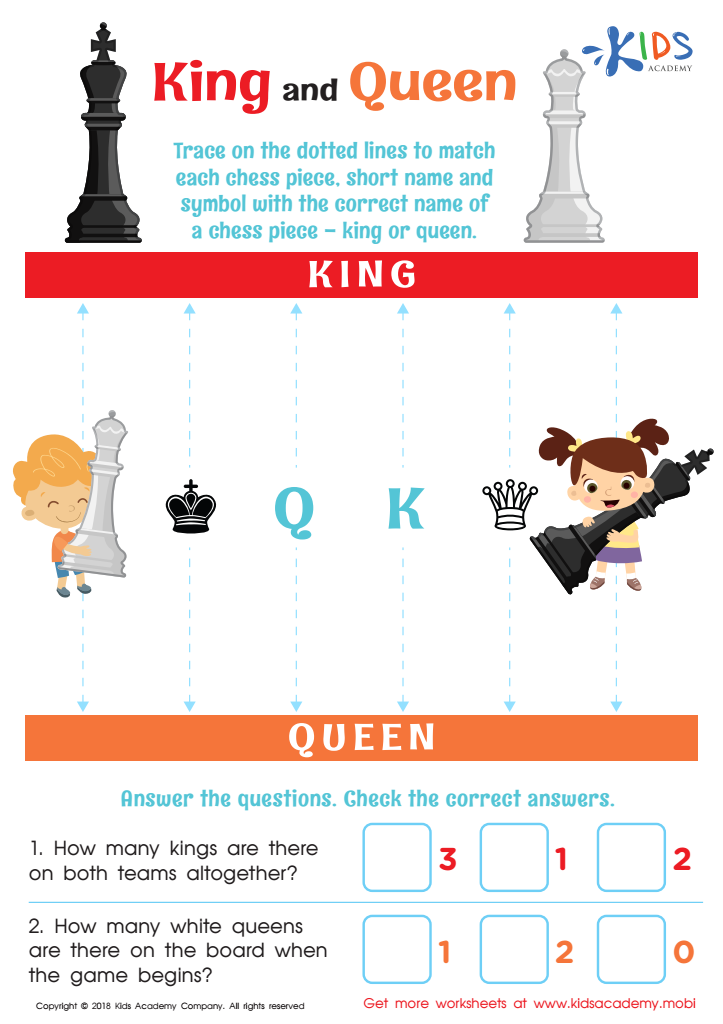
King and Queen Worksheet
 Assign to My Students
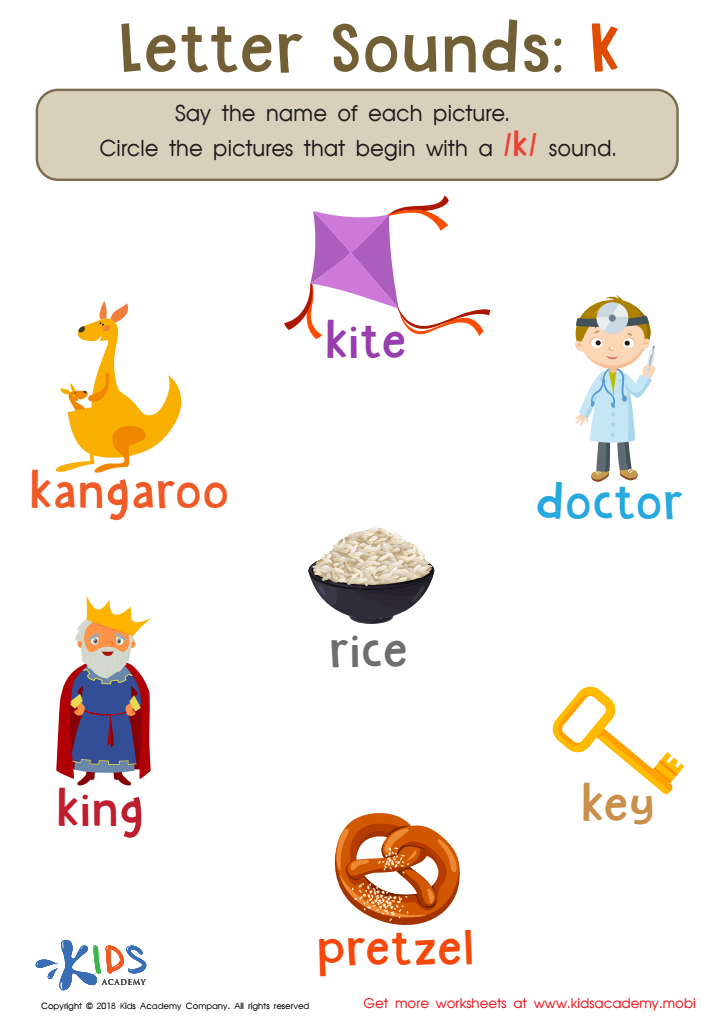
Letter K Sounds Worksheet
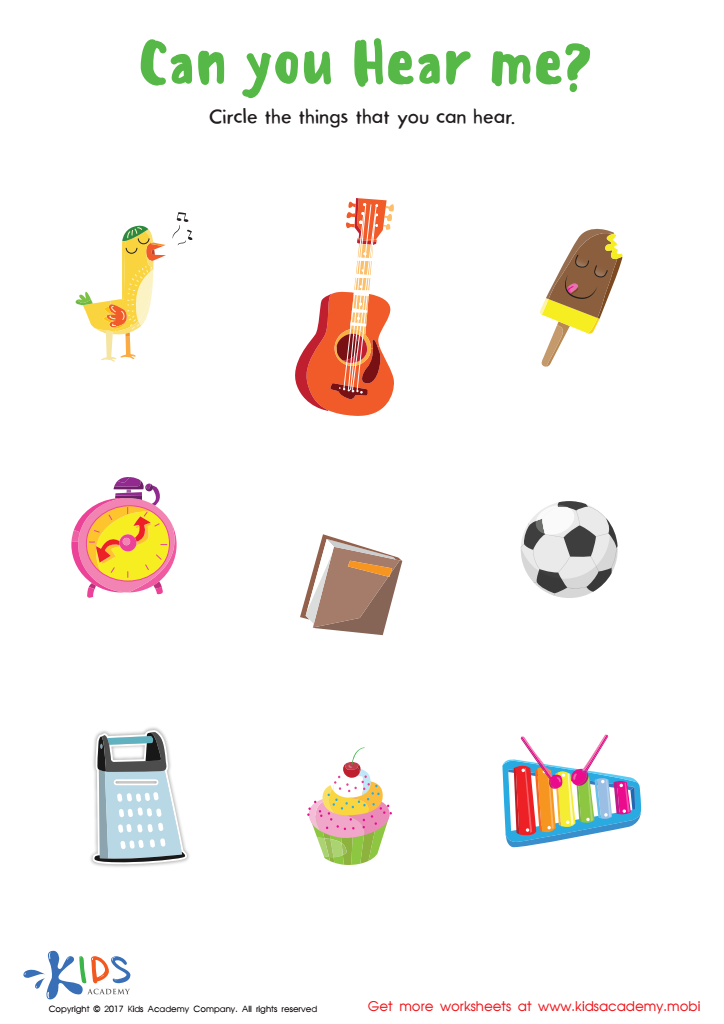
Can You Hear Me Worksheet
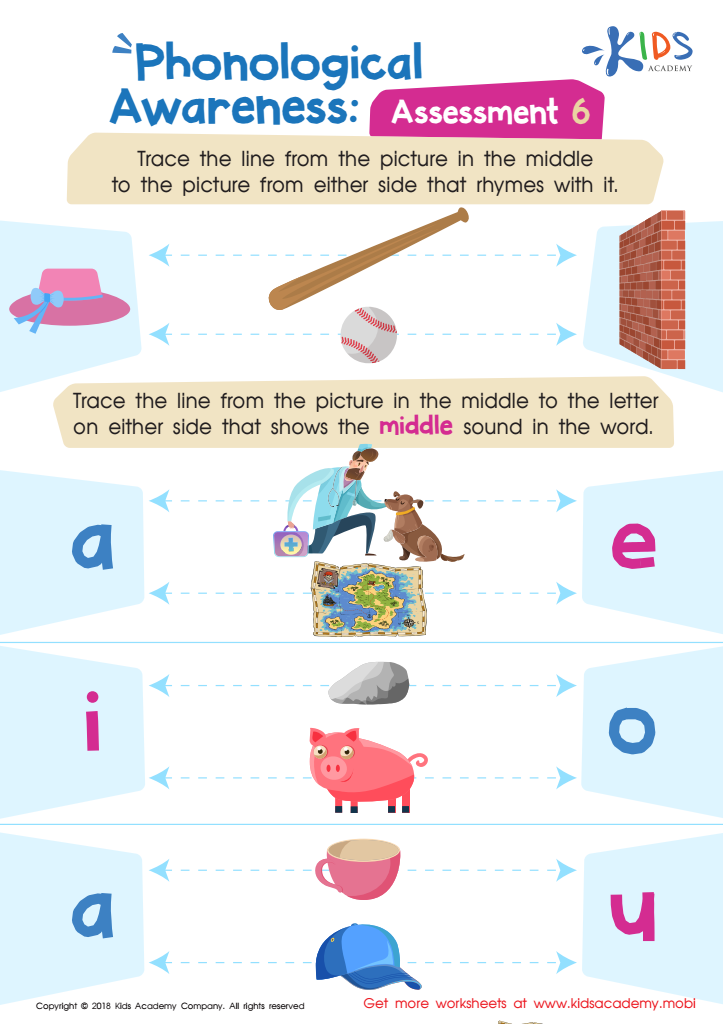
Phonological Awareness: Assessment 6 Worksheet
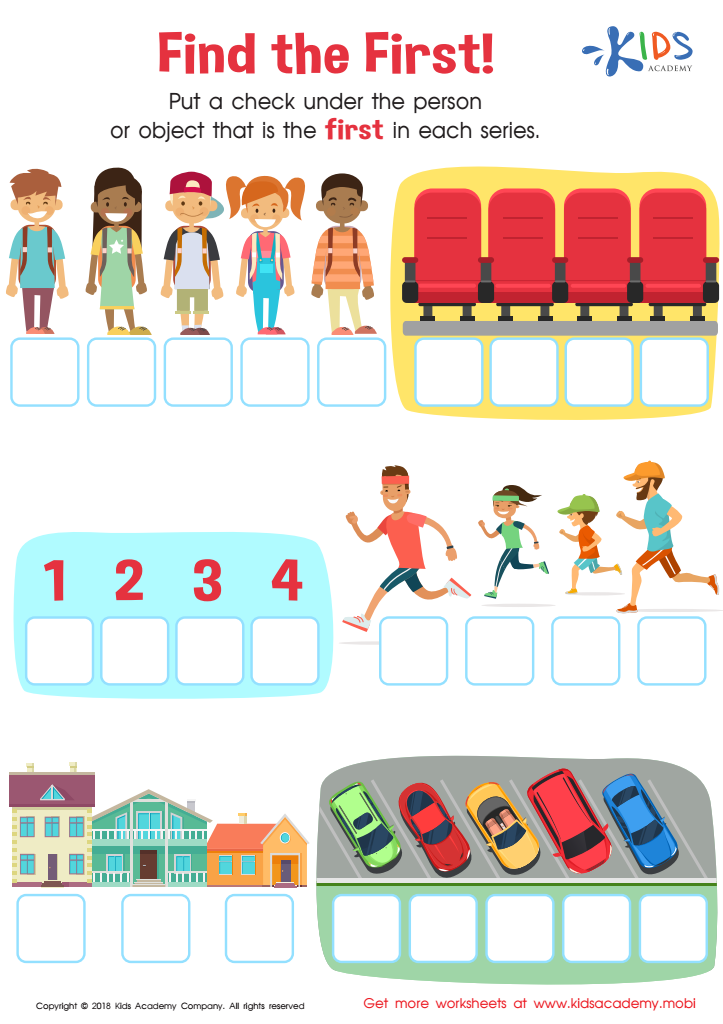
Find the First! Worksheet








Letter identification in preschool is a fundamental skill that lays the groundwork for a child’s literacy development. Parents and teachers should care about this skill because it serves as a stepping stone for reading and writing. Recognizing letters helps children develop phonemic awareness, which is crucial for understanding the sounds that letters represent, making it easier for them to sound out words as they progress in their reading journey.
Additionally, early letter identification fosters vocabulary development and comprehension skills. Children who can identify letters are more confident in exploring texts, which enhances their understanding of language and their ability to communicate effectively. This confidence can spark a lifelong love for reading as children begin to connect letters with sounds, words, and stories.
Moreover, letter identification is not just an academic skill; it contributes to cognitive development, involving memory and visual recognition. Engaging in activities that promote letter identification can enhance motor skills, as children often engage in writing and drawing as they learn. Lastly, supporting letter identification in preschool sets the stage for successful educational experiences in the future, making it a critical focus for both parents and teachers in fostering a positive learning environment.