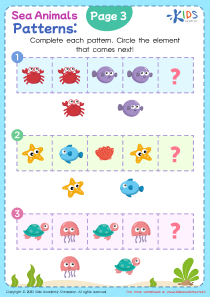
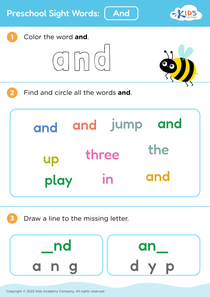
Sequencing Skills Preschool Worksheets
6 filtered results
-
From - To
Discover our engaging Sequencing Skills Preschool Worksheets, designed to enhance your child's cognitive development and critical thinking. These worksheets provide fun and interactive activities that teach children how to arrange events in the correct order, fostering essential skills for reading comprehension and logical reasoning. Through vibrant designs and relatable scenarios, kids will enjoy completing exercises that improve their sequencing abilities. Our resources also encourage early vocabulary expansion and storytelling skills, making learning both enjoyable and impactful. Perfect for homeschoolers and preschool educators alike, these printable worksheets will keep young learners engaged while building a solid foundation for future academic success.
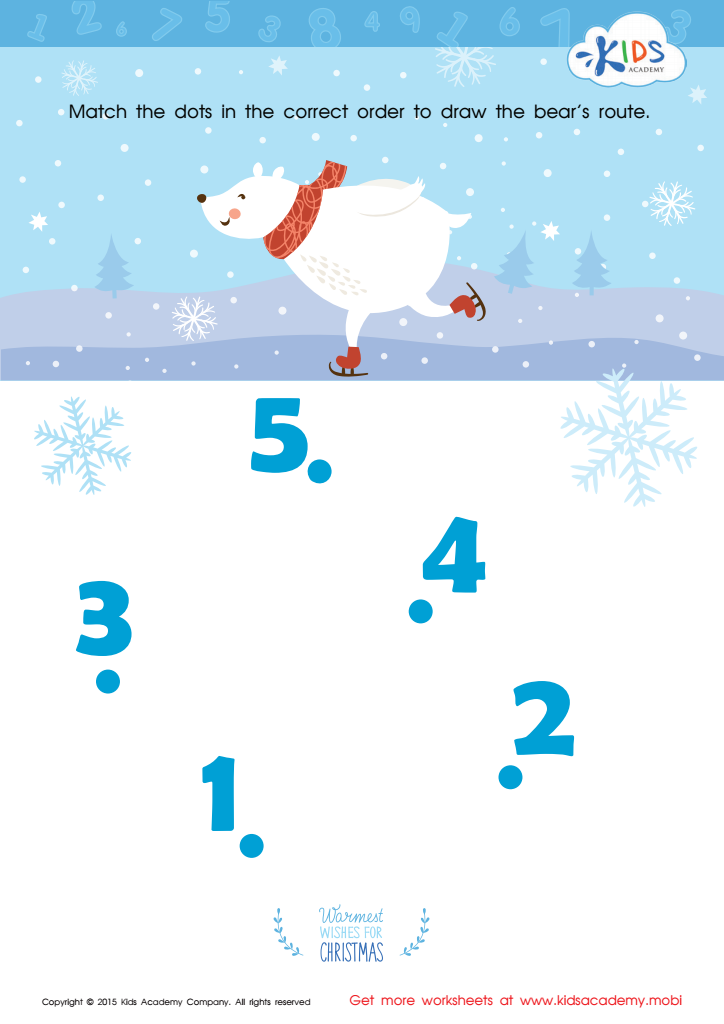
Drawing the Bear's Route by Number Worksheet
 Assign to My Students
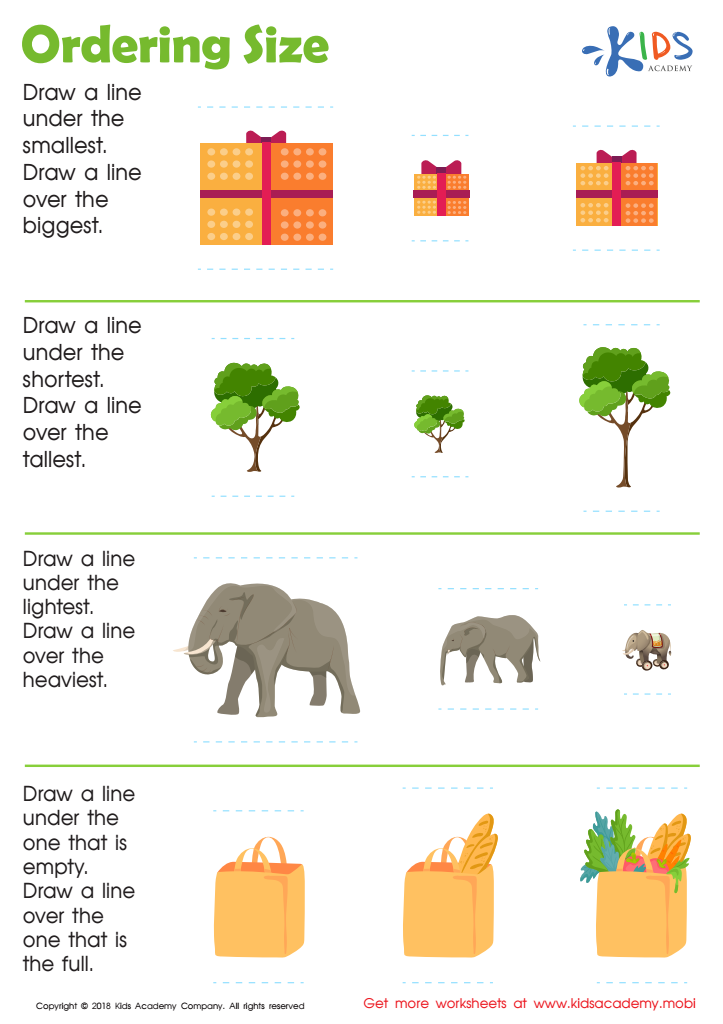
Ordering Size Worksheet
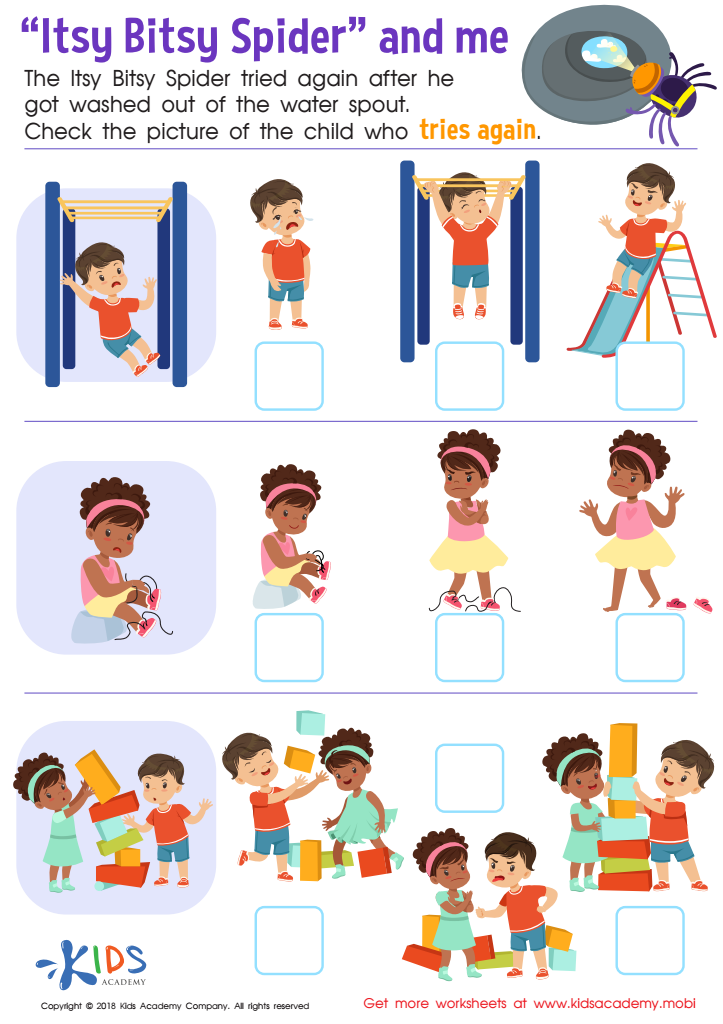
Itsy Bitsy Spider and Me Worksheet
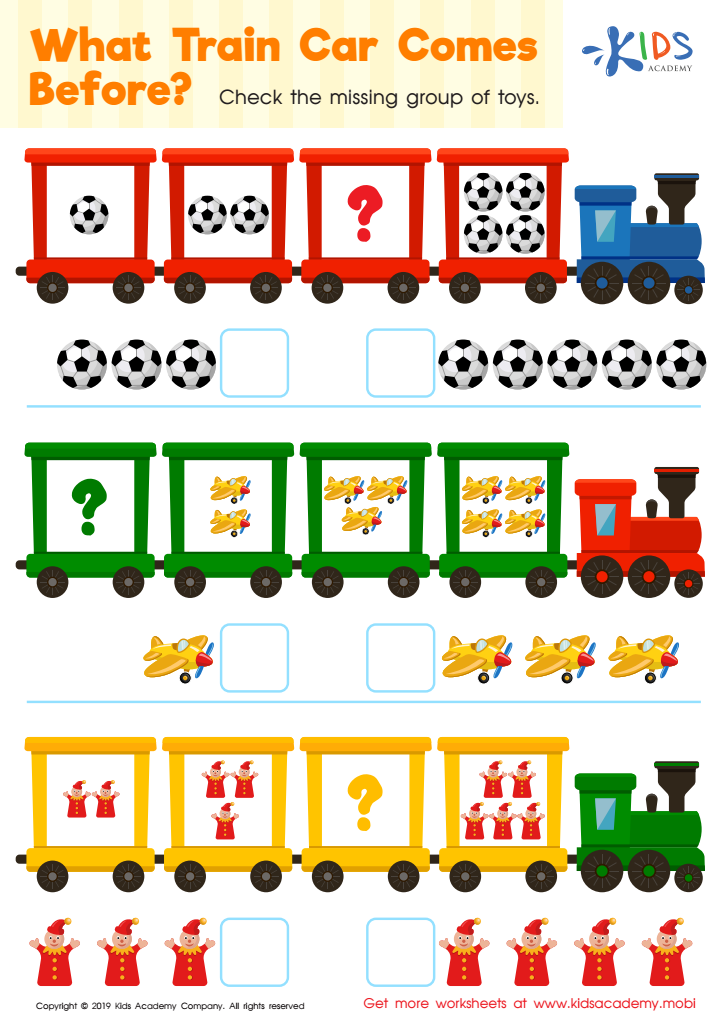
What Train Car Comes Before? Worksheet
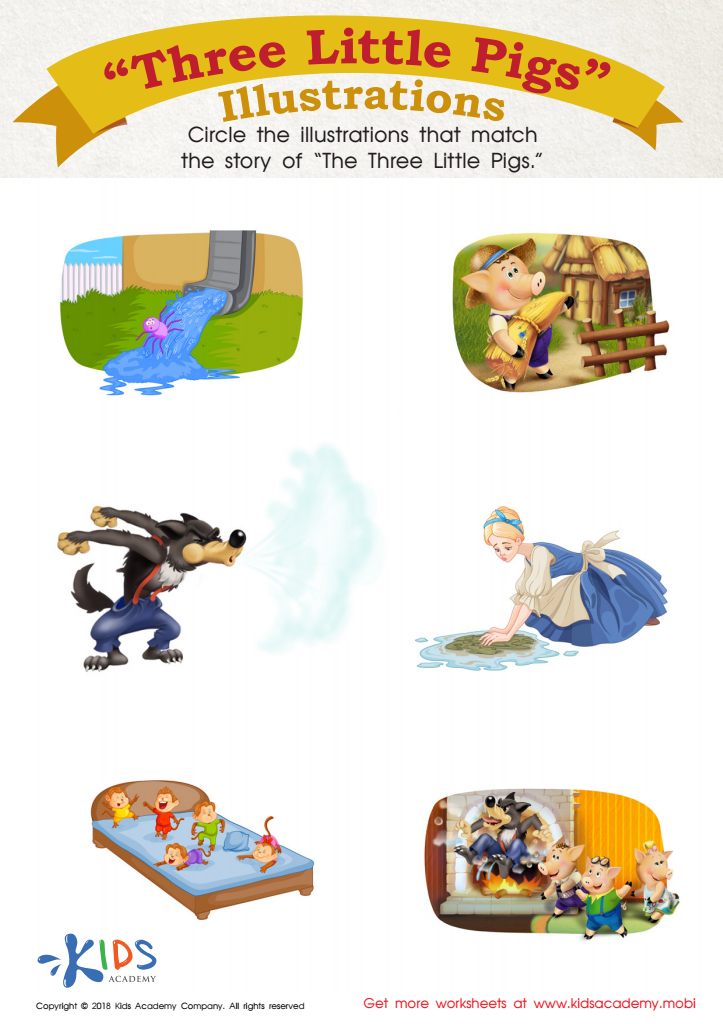
Three Little Pigs: Illustrations Worksheet
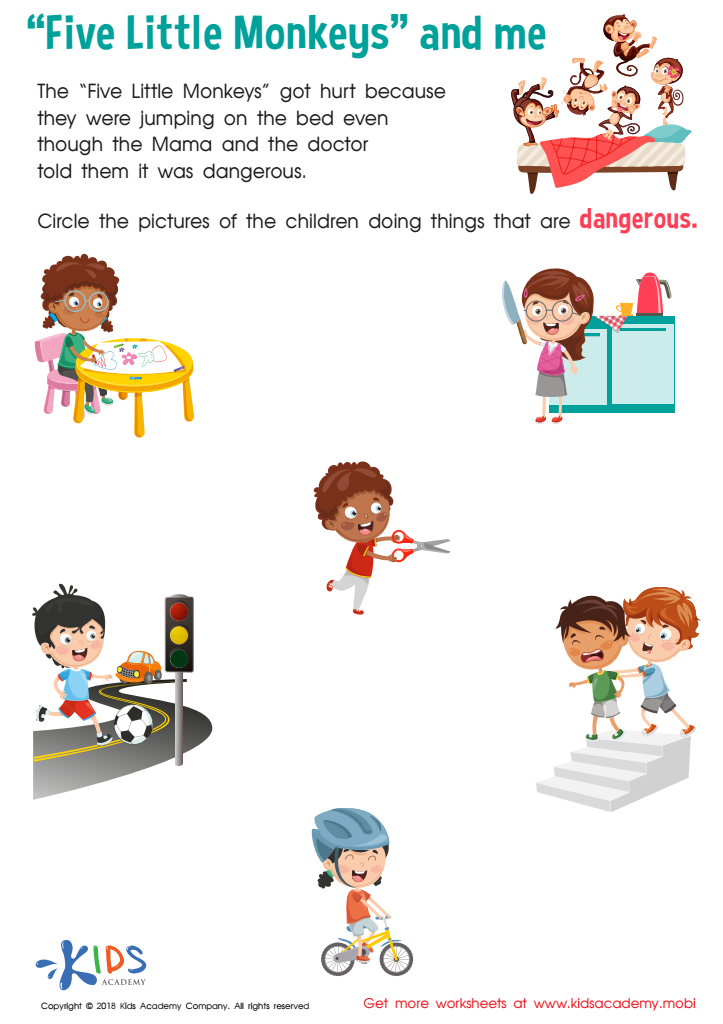
Five Little Monkeys and Me Worksheet


.jpg)




Sequencing skills are foundational for early childhood development, making them a crucial area of focus for parents and teachers. These skills involve the ability to arrange events or ideas in a logical order, helping children understand the flow of stories, instructions, and daily routines. Developing sequencing skills fosters critical thinking abilities and enhances comprehension, which is vital for future academic success.
In preschool, children begin to learn through play-based activities. By incorporating sequencing exercises—such as recreating story sequences, sorting objects, or following step-by-step instructions—adults can significantly enhance cognitive development. This skill will aid in literacy, allowing young learners to grasp narrative structures and comprehend different types of texts more effectively.
Moreover, sequencing encourages problem-solving abilities, enabling children to break down tasks into manageable steps. This skill will be invaluable in mathematics, where understanding patterns and order is necessary.
Parents and teachers play a pivotal role in guiding and reinforcing these skills. By recognizing the importance of sequencing, they can foster a supportive environment that encourages exploration, storytelling, and structured activities—ultimately setting the groundwork for lifelong learning and independence. Ultimately, the investment in sequencing skills can help bridge elementary and advanced educational pursuits.