Story analysis Preschool Worksheets
4 filtered results
-
From - To
Discover our engaging Story Analysis Preschool Worksheets to enhance your child's comprehension and analytical skills. Designed for young learners, these worksheets spark creativity while encouraging critical thinking. Each activity focuses on helping children identify key story elements such as characters, settings, and events, making storytime interactive and educational. Whether at home or in the classroom, these resources promote language development and comprehension skills in a fun and approachable way. Perfect for parents and educators, our printable worksheets are tailored to support preschool learners in understanding narratives, fostering a love for reading. Start exploring our story analysis activities today!
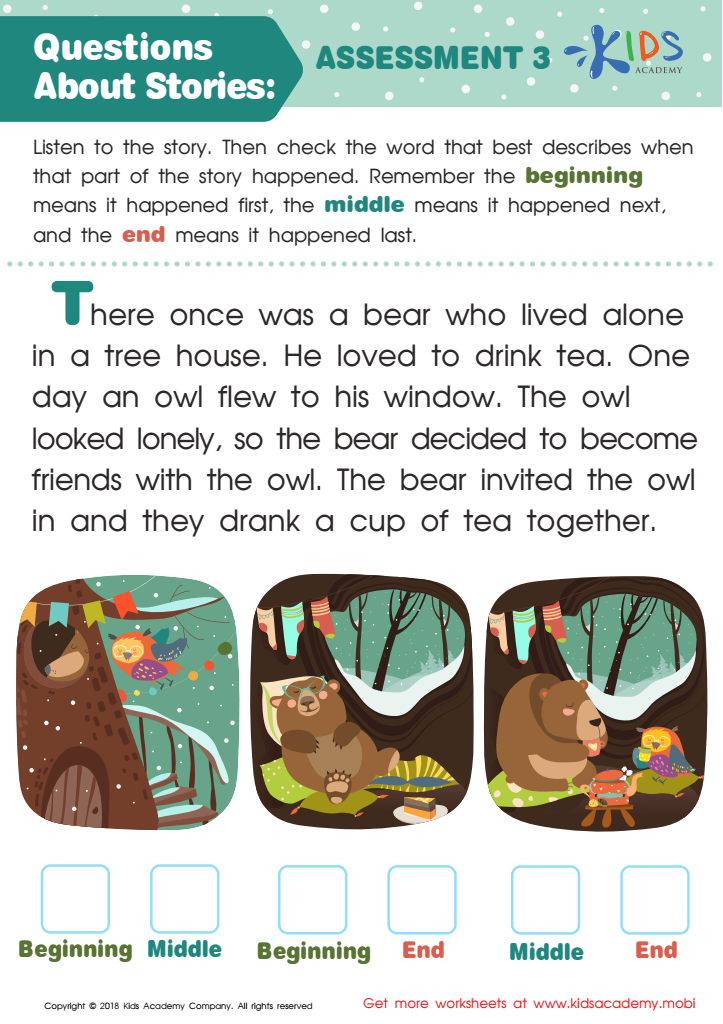
Questions About Stories: Assessment 3 Worksheet
 Assign to My Students
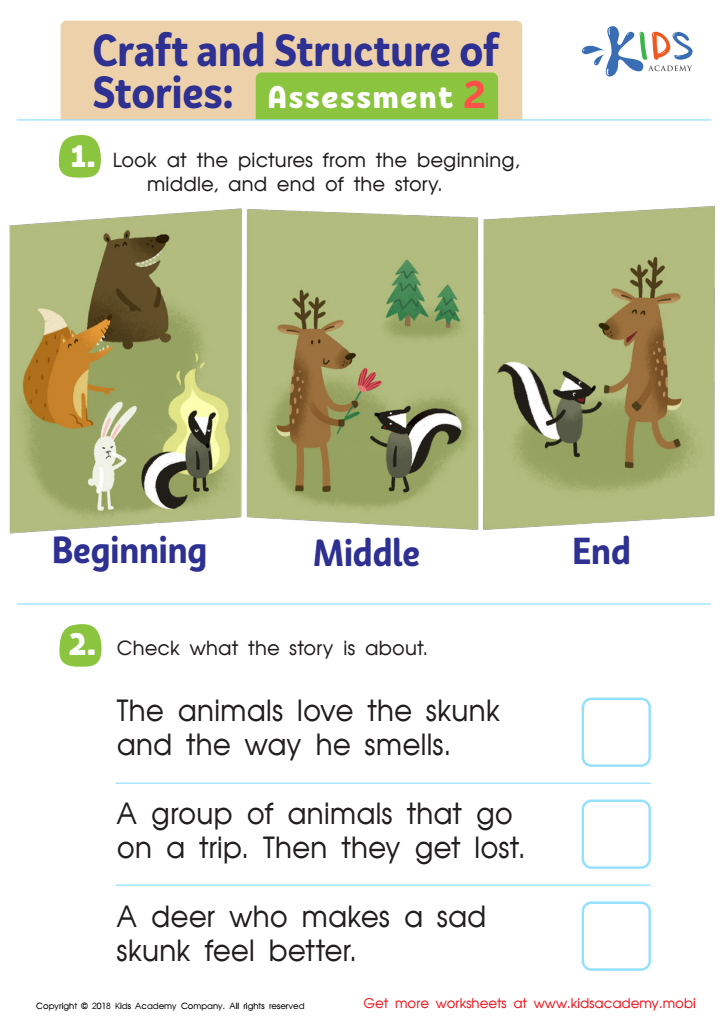
Craft and Structure of Stories: Assessment 2 Worksheet
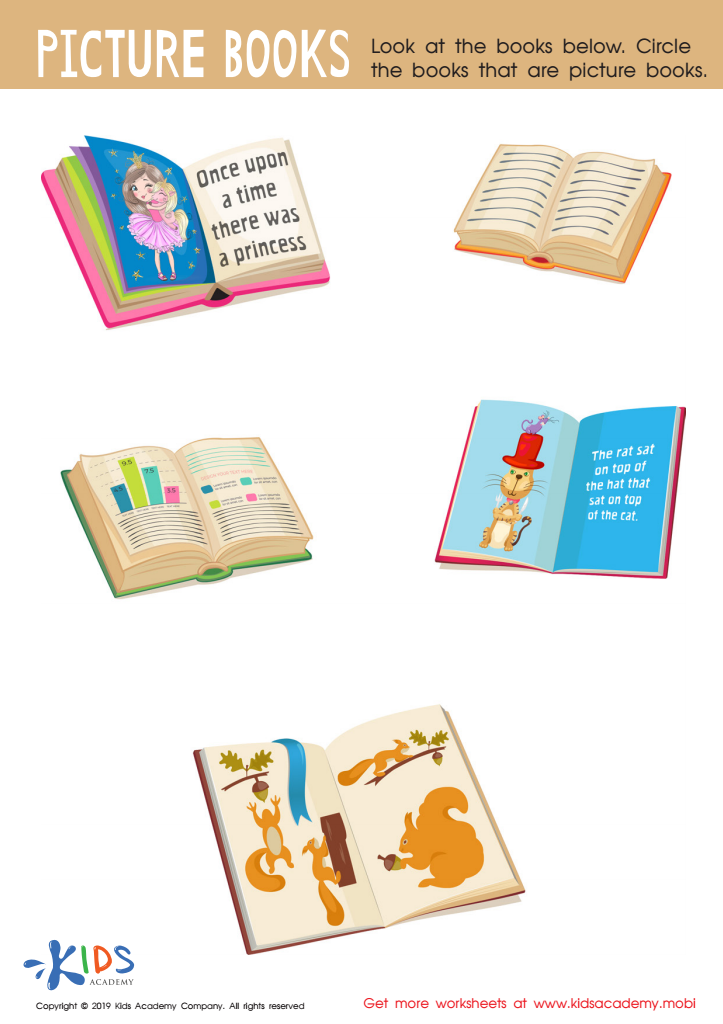
Picture Books Worksheet
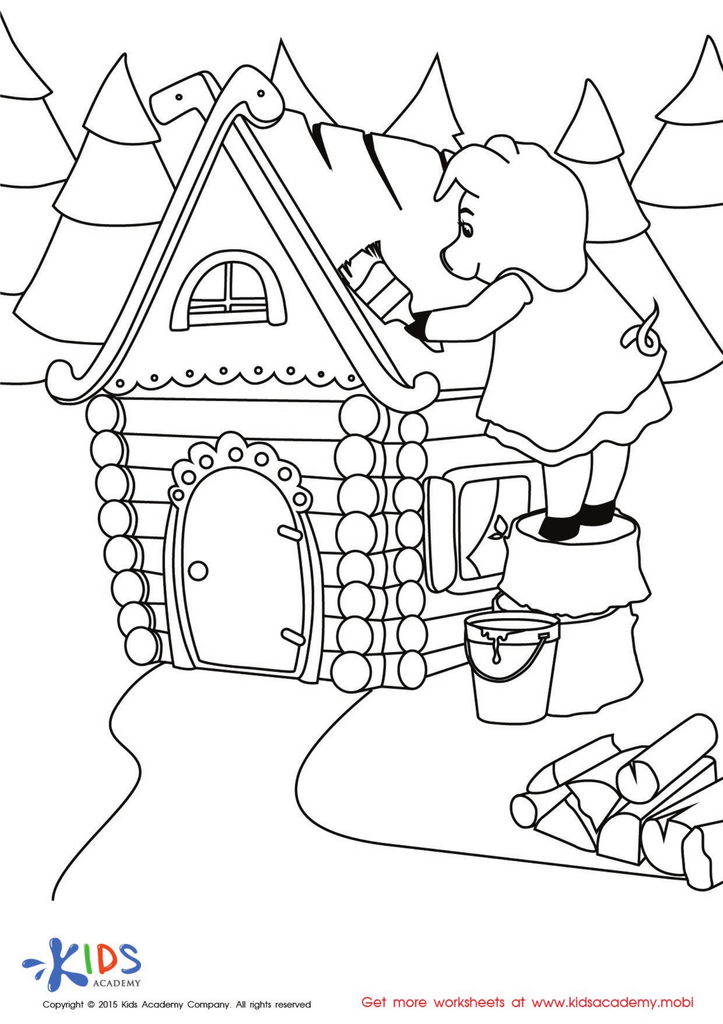
The Three Little Pigs Worksheet








Story analysis in preschool is pivotal for early childhood development, enriching children's comprehension and critical thinking skills. This process encourages young learners to engage deeply with narratives, fostering their language and vocabulary acquisition while enhancing listening skills. When children analyze stories, they develop an appreciation for structure in narratives, learning to recognize elements like characters, setting, conflict, and resolution. This understanding not only aids in reading but also supports their ability to recount experiences and express emotions.
Moreover, story analysis nurtures creativity and imagination, as children interpret tales in their unique ways, stimulating their artistic expression through drawing or storytelling. It also promotes cultural awareness when diverse stories introduce children to various perspectives and lifestyles.
For teachers and parents, story analysis offers insights into a child's developmental stage, revealing their cognitive growth and emotional understanding. Engaging with children during this process creates opportunities for meaningful conversations about morals and values presented in stories, guiding character development and critical thinking.
Ultimately, prioritizing story analysis fosters a lifelong love for reading and learning, empowering children with the skills to navigate an ever-changing world filled with stories. Therefore, both parents and teachers should actively support this crucial aspect of early education.