Understanding number values Preschool Worksheets
3 filtered results
Difficulty Level
Grade
Age
-
From - To
Subject
Activity
Standards
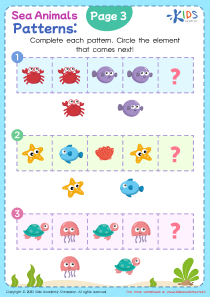
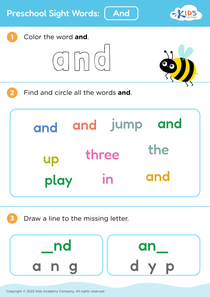
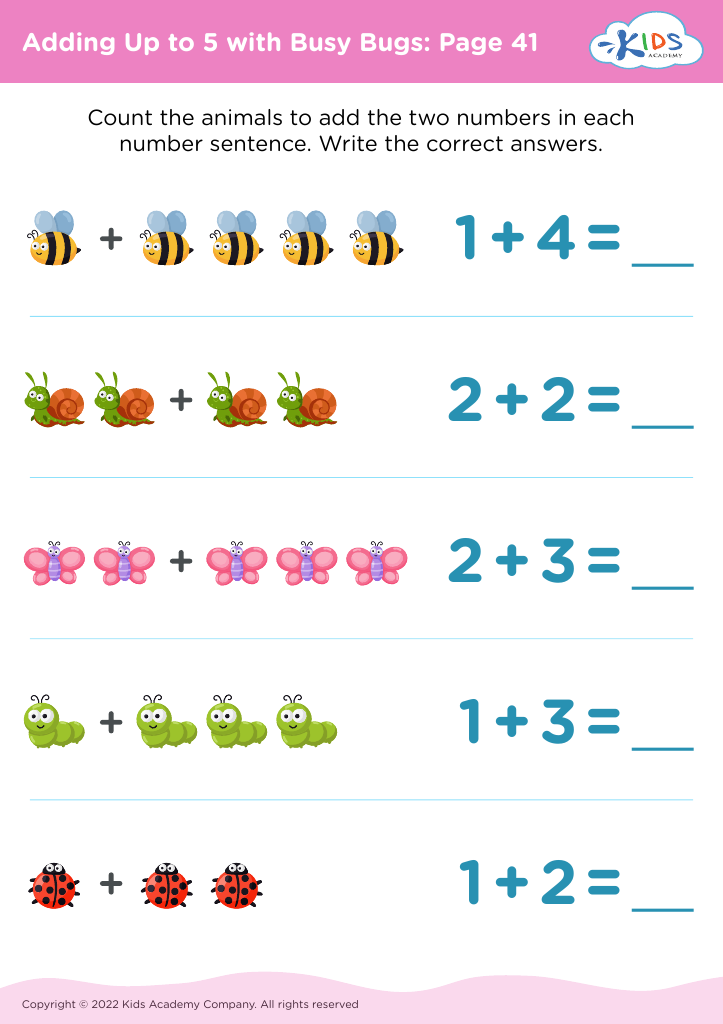
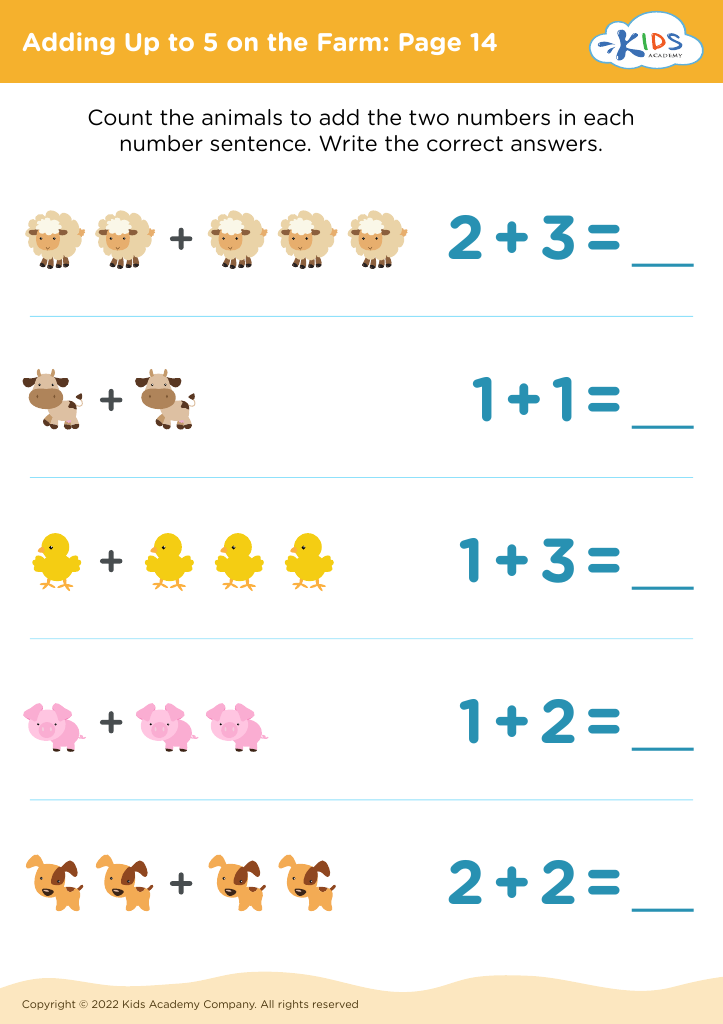
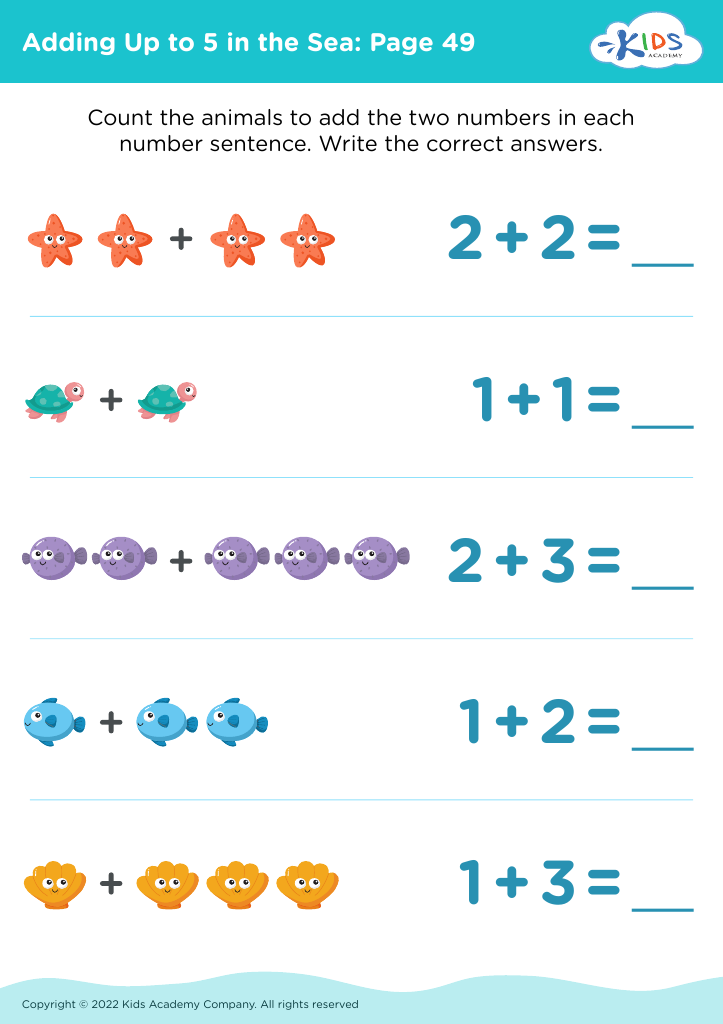
Discover the perfect educational resource for early learners with our "Understanding Number Values" Preschool Worksheets by Kids Academy! Our expertly crafted worksheets help young children grasp essential number concepts and develop fundamental math skills. Each worksheet features engaging activities that make learning numbers fun and interactive, ranging from counting and matching exercises to sorting and identifying number values. Designed for preschoolers, these printables promote cognitive development and mathematical confidence. Give your child a strong math foundation with Kids Academy's thoughtfully designed worksheets that transform learning into an enjoyable adventure. Explore now and see them thrive!
Favorites
With answer key
Interactive
Join Kids Academy for Free
Who is primarily going to use this learning content?








Understanding number values in preschool is foundational for a child's cognitive development and future academic success. Early exposure to basic numeracy skills primes young minds for more complex mathematical concepts. When parents and teachers engage children with number values, they help cultivate critical thinking and problem-solving skills. At a tender age, kids begin to recognize quantities, associate symbols with amounts, and comprehend simple addition and subtraction through fun, interactive activities like counting objects, using number lines, or playing with blocks.
These early numeracy skills are not limited to academic settings; they also foster everyday life skills. A child adept at understanding number values can, for example, share toys fairly, follow recipes while cooking, and manage time effectively, all of which build confidence and independence. The period of early childhood is marked by significant neural and cognitive flexibility, meaning that introducing these concepts early exploits the brain's natural propensity for learning.
Additionally, nurturing a positive attitude towards math from the beginning can reduce anxiety and build enthusiasm for the subject. Parents and teachers investing time in this aspect of early education provide children with tools and confidence that lay the groundwork for long-term educational achievement and practical life skills. Thus, understanding number values early on is crucial for holistic childhood development.