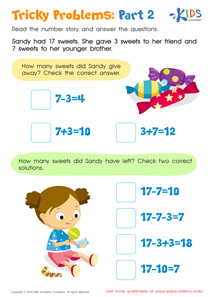
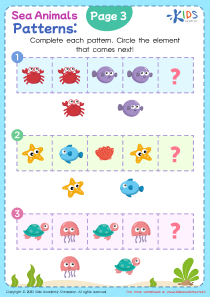
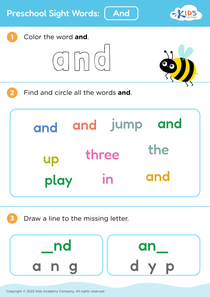
Basic Arithmetic Preschool Adding Up to 5 Worksheets - Page 2
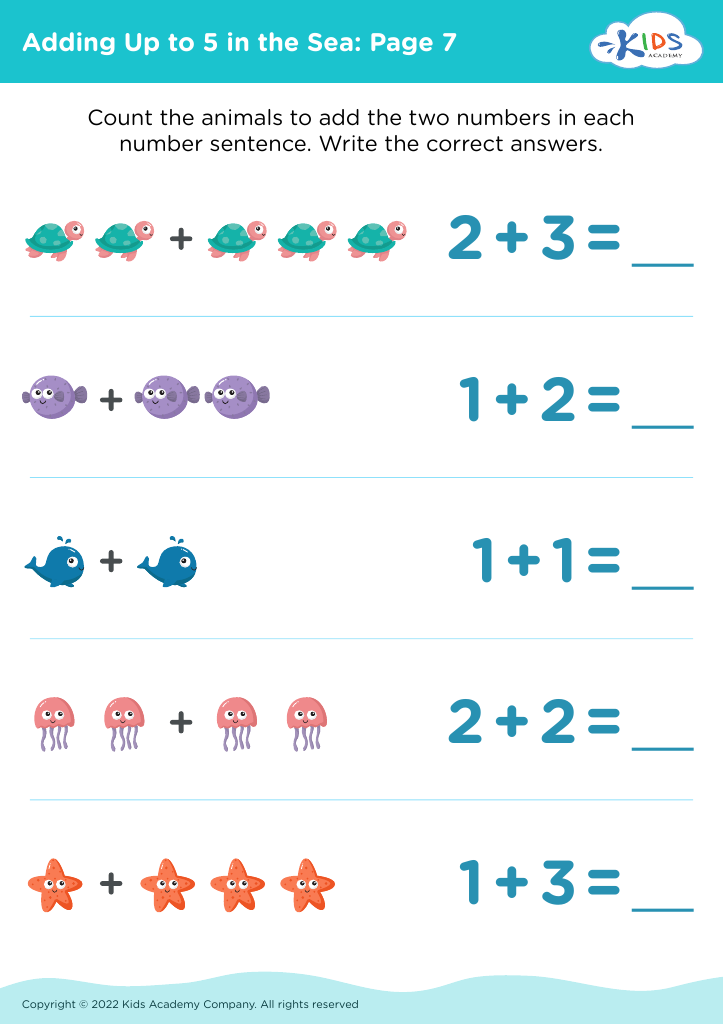
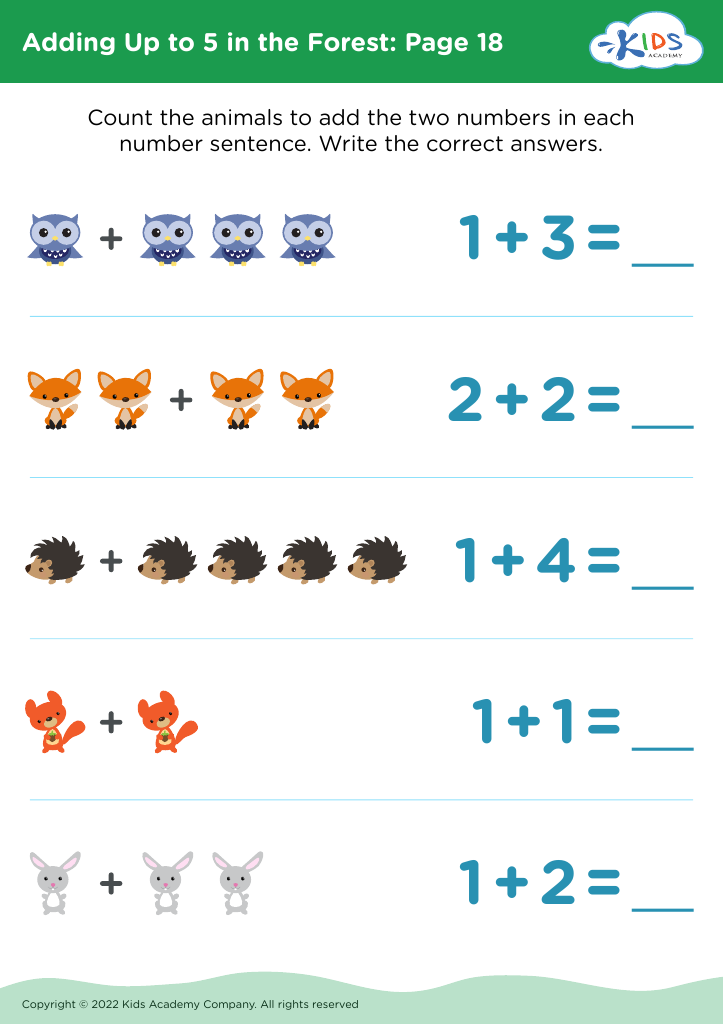
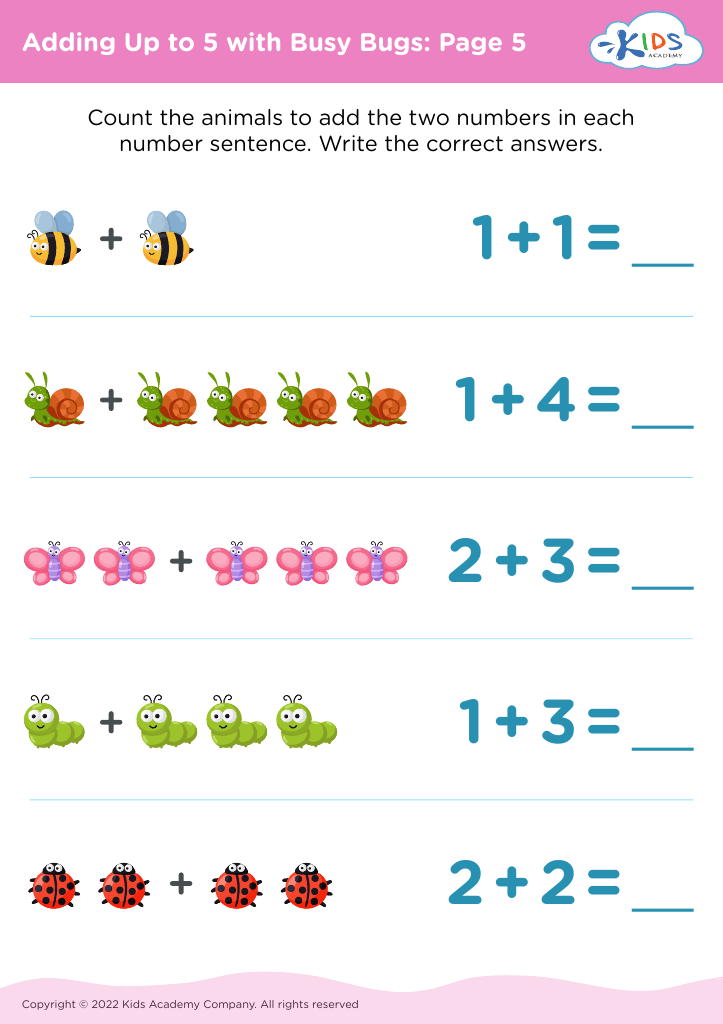
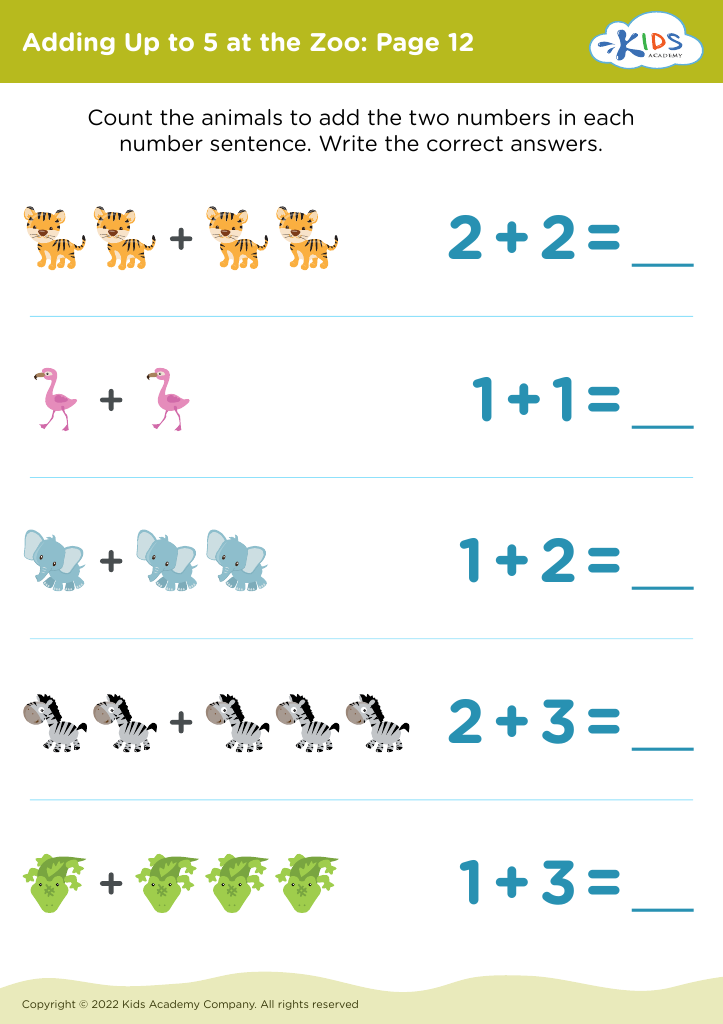
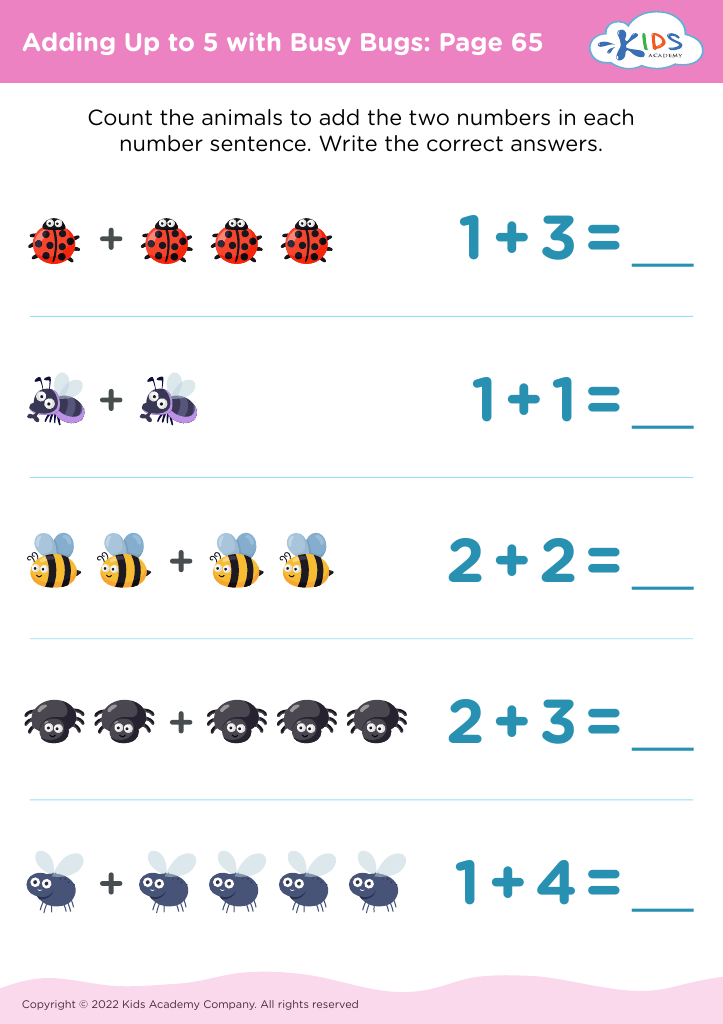
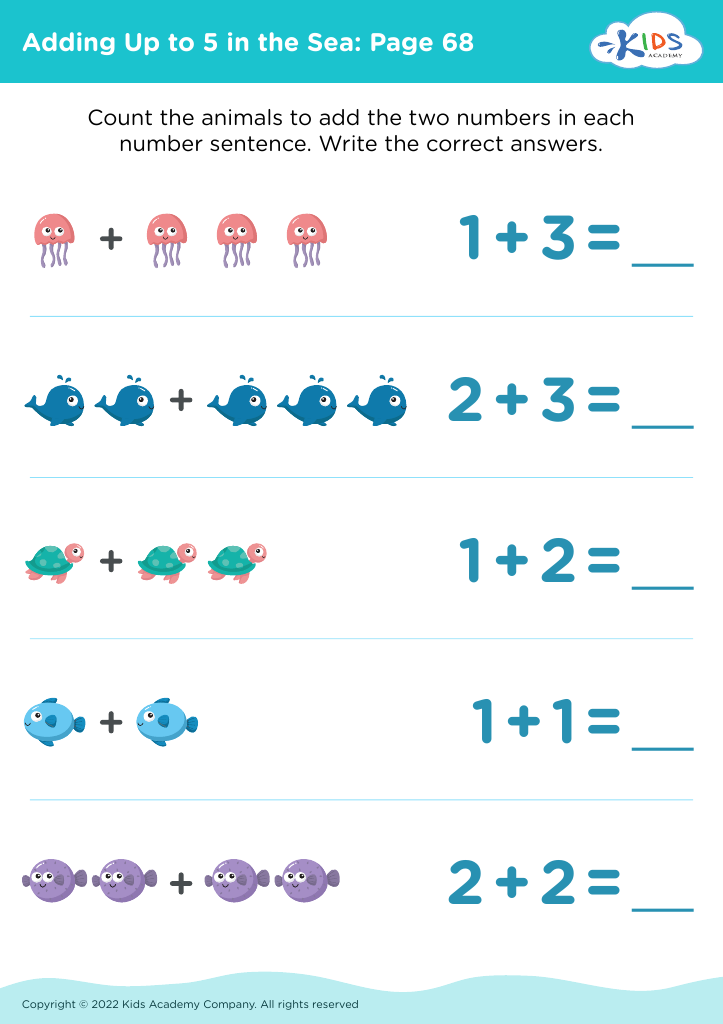
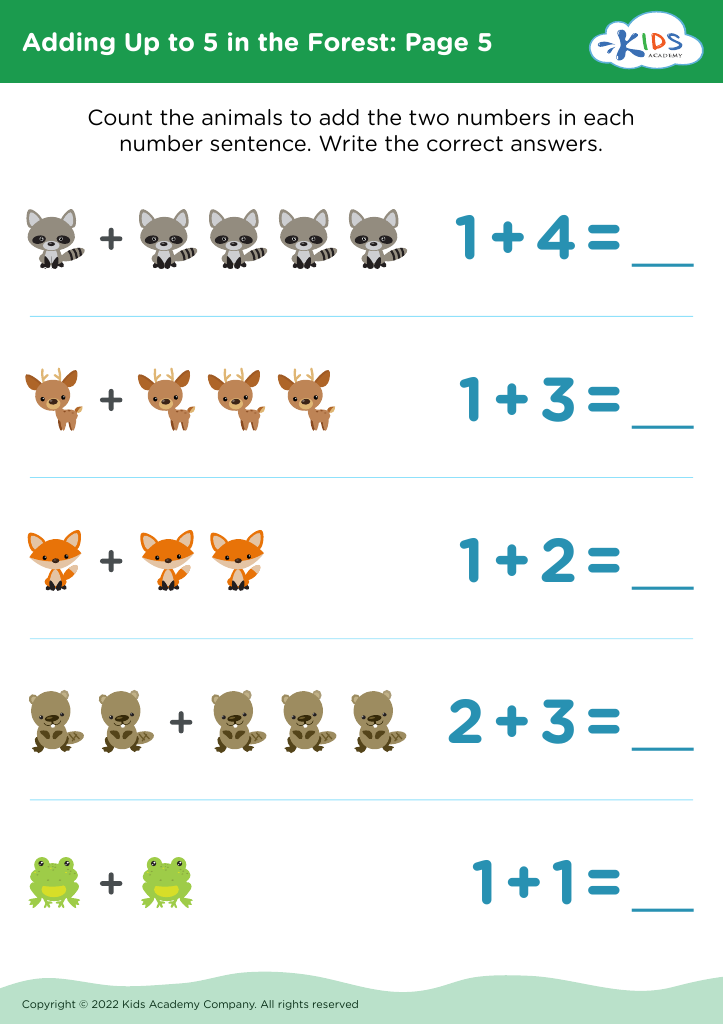
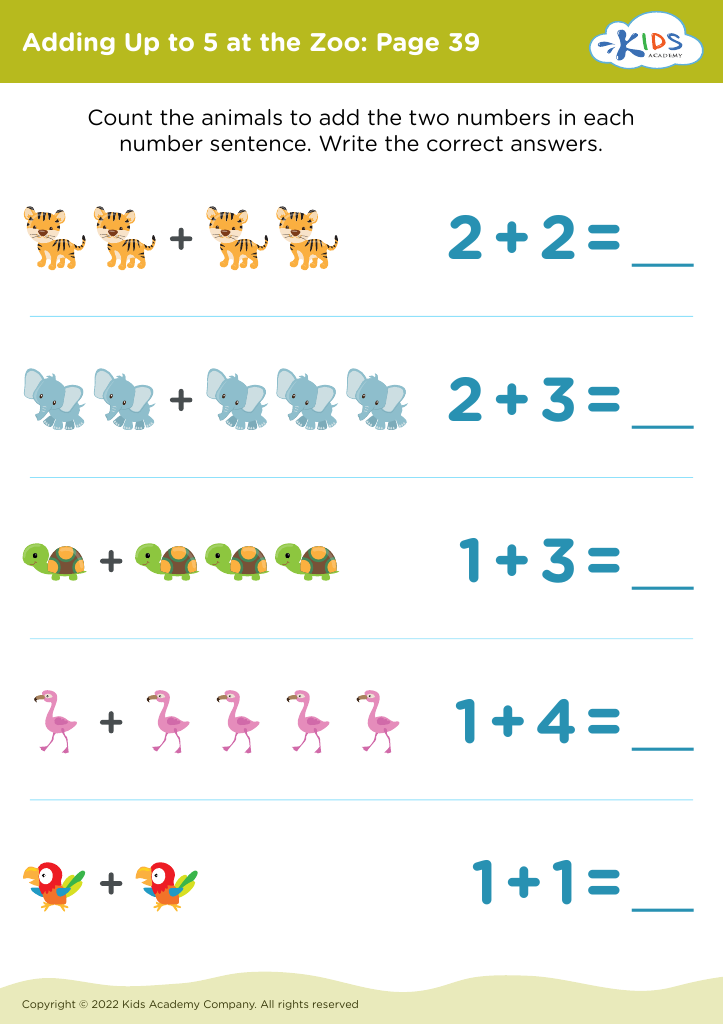
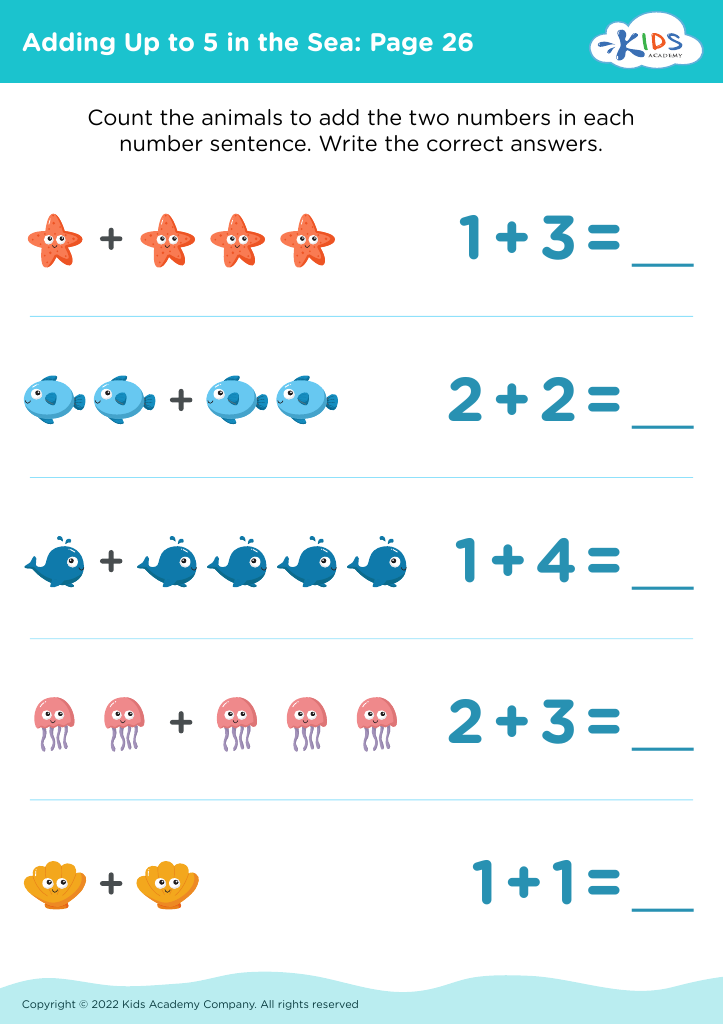
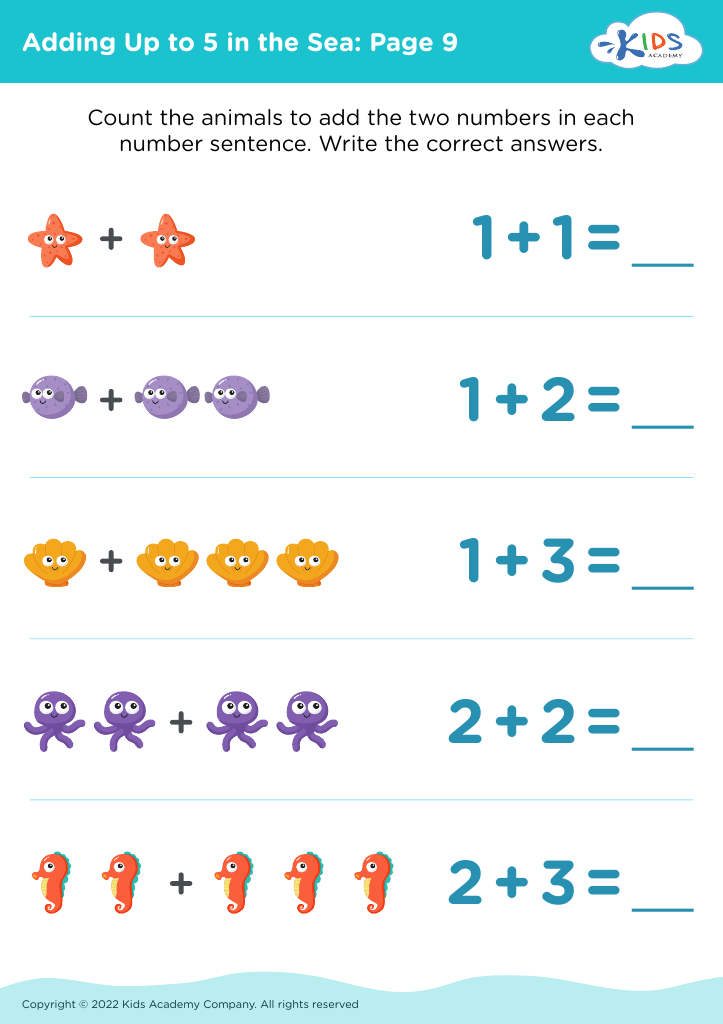



Basic arithmetic, especially learning to add up to 5, serves as a foundational skill crucial for young children's cognitive development. Currently, many preschoolers are captivated by numbers and shapes, making this an opportune time for teachers and parents to encourage early mathematics learning. Understanding simple addition fosters problem-solving skills and enhances critical thinking, nurturing a child's natural curiosity.
Moreover, early mastery of expressive vocabulary related to math (like "plus," "equals," and "sum") helps children communicate their understanding and engage with more complex concepts later on. Engaging in adding up to 5 lays essential groundwork not just for future arithmetic but also for overall academic success, as these skills are transferable across subjects—stimulating logical thinking and analytical skills.
Furthermore, this foundational skill can affect a child's confidence and self-esteem. Achieving proficiency in basic arithmetic can empower them and build a positive attitude towards learning, establishing a lifelong enthusiasm for education. Involving parents in this process encourages a supportive learning environment, enhancing the home-school connection. Ultimately, early exposure to fundamental math concepts prepares children for more advanced learning and future success, highlighting why it's vital for parents and teachers to prioritize Basic Arithmetic in preschool education.