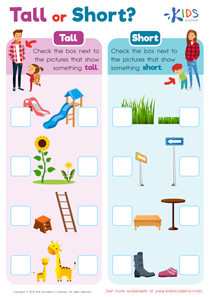
Visual perception improvement Preschool Addition & Subtraction Worksheets
5 filtered results
Difficulty Level
Grade
Age
-
From - To
Subject
Activity
Standards
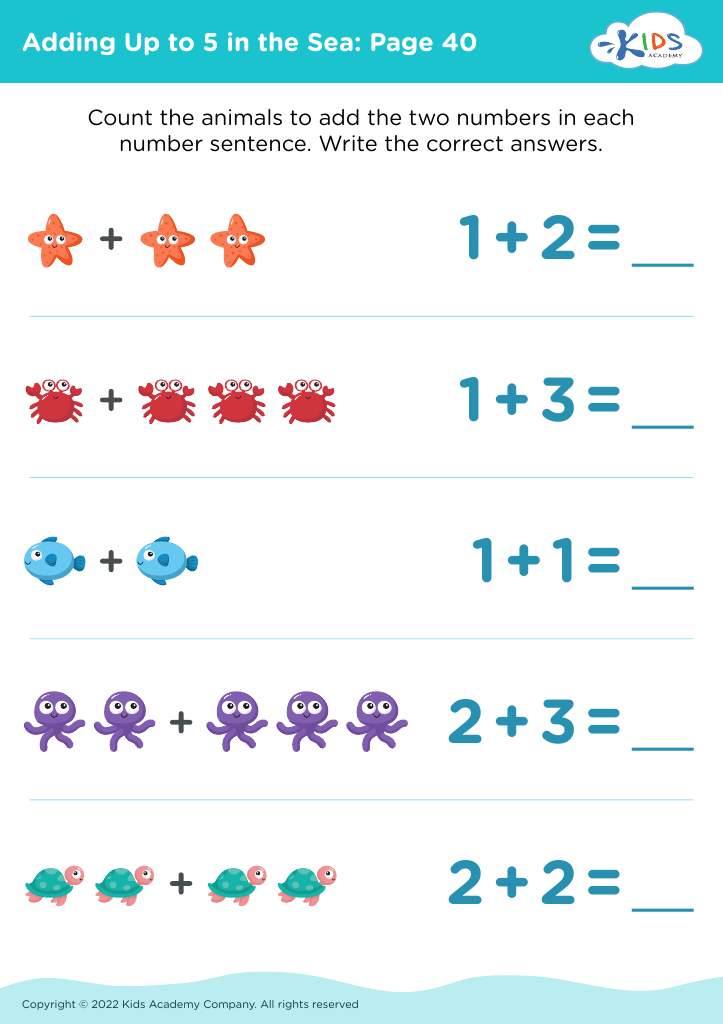
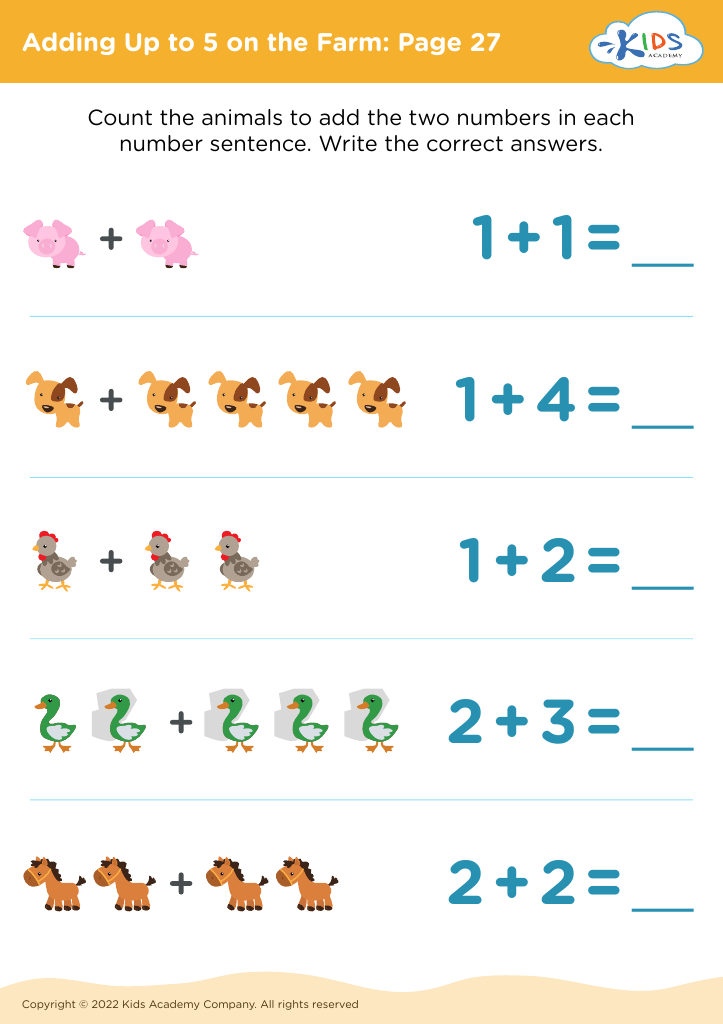
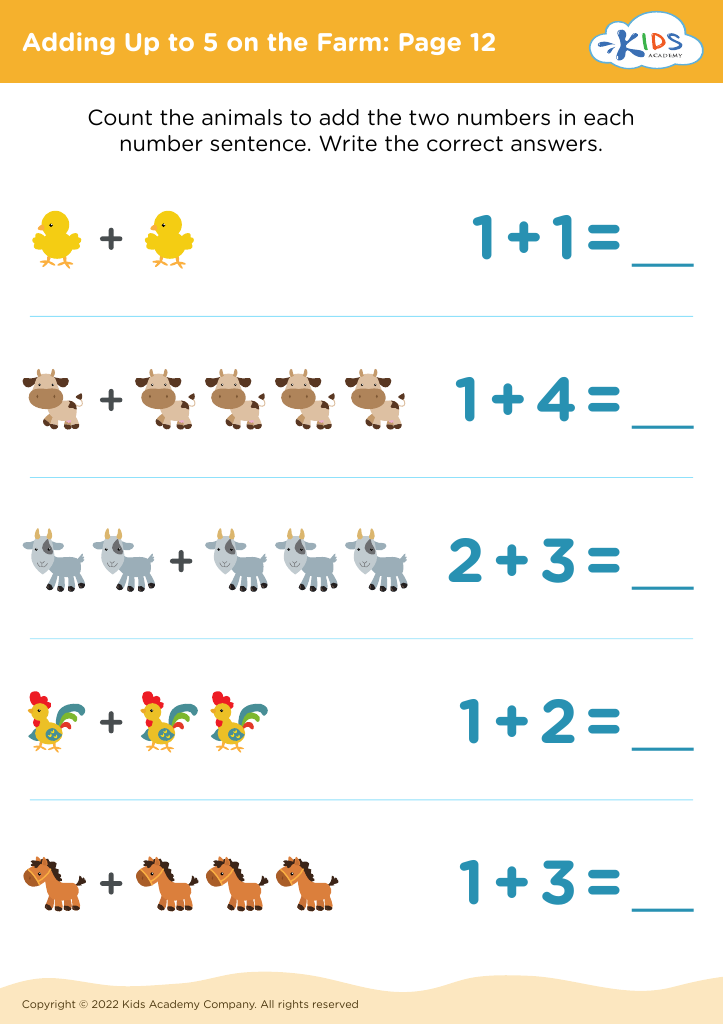
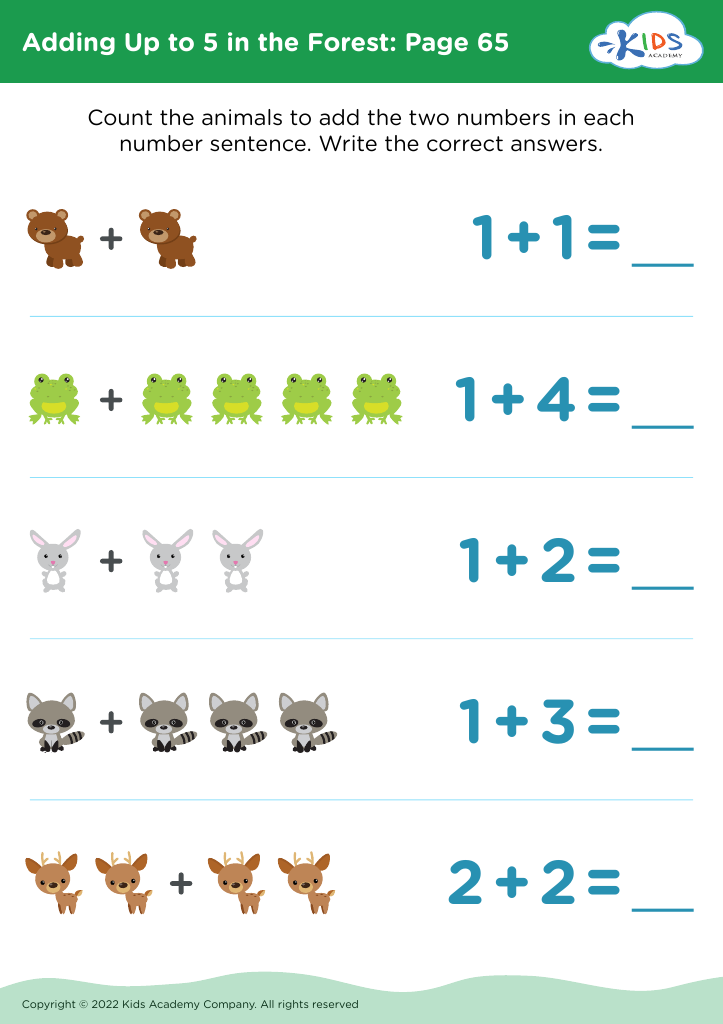
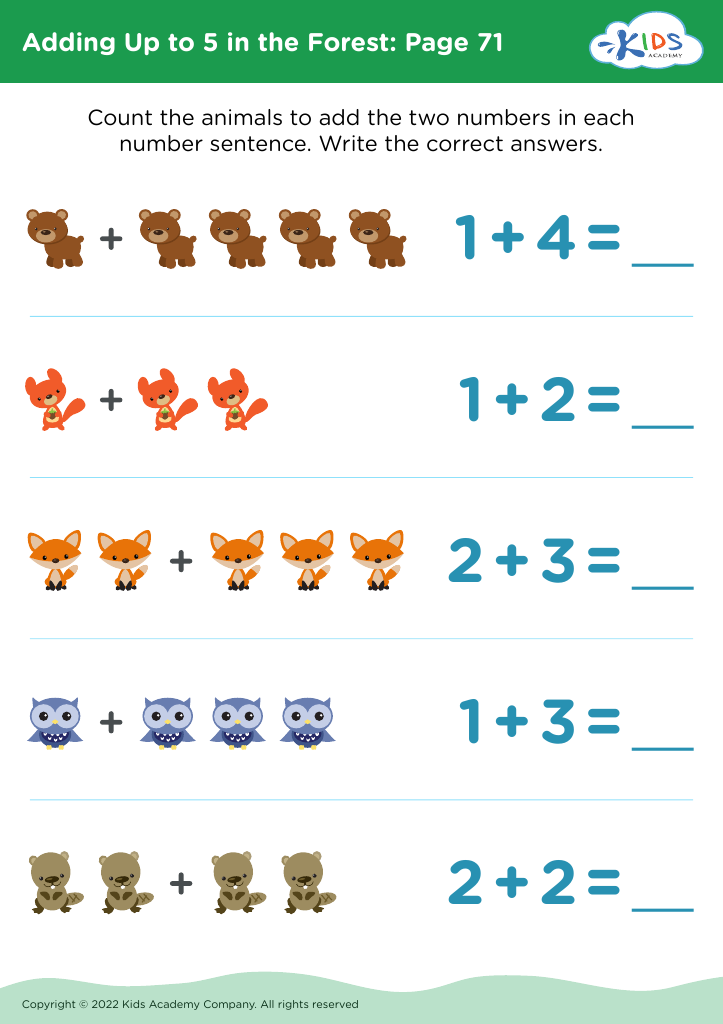
Boost your preschooler's math skills with our Visual Perception Improvement Addition & Subtraction Worksheets. These thoughtfully designed printables help young learners enhance their visual perception abilities while mastering basic math concepts. Each worksheet combines engaging exercises with vibrant images to keep kids entertained and focused. By connecting math problems with visual cues, children develop critical thinking and cognitive skills essential for early childhood education. Perfect for home or classroom use, these worksheets are an excellent resource for parents and teachers to support their little ones' math journey. Discover the fun and effective way to improve visual perception and mathematical understanding.
Favorites
With answer key
Interactive
Join Kids Academy for Free
Who is primarily going to use this learning content?








Visual perception abilities are crucial for young children's cognitive development and directly impact their academic progress. Parents and teachers should care about honing these skills, particularly in preschool contexts involving addition and subtraction, because these skills lay the foundation for future learning.
Firstly, strong visual perception facilitates understanding basic math concepts. For example, before children can tackle addition and subtraction, they need to recognize and differentiate between numbers and symbols, an ability rooted in visual perception. They become adept in skills like counting objects, identifying patterns, and spotting differences, which are pivotal for mathematical reasoning.
Secondly, enhancement in visual perception can improve a child's coordination and spatial awareness. This affects their ability to complete written arithmetic tasks, align numbers correctly in columns for calculations, and track their reading progress accurately on a page without losing their place.
Moreover, engaging in activities that improve visual perception keeps learning dynamic. Interactive games and visual aids can make grasping mathematical concepts more intuitive and enjoyable, fostering a positive attitude towards learning.
Lastly, addressing these skills early on can help identify and mitigate potential learning difficulties. Early interventions can set the stage for academic success, ensure children aren't left struggling, and build their confidence as they move through school.
Thus, visual perception improvement in preschool math isn't just beneficial—it's essential. It's about creating a strong, supportive foundation for future learning endeavors.