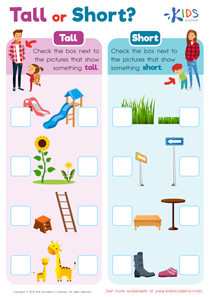
Shape comparison Preschool Geometry Worksheets
3 filtered results
Difficulty Level
Grade
Age
-
From - To
Subject
Activity
Standards
Explore our engaging Shape Comparison Preschool Geometry Worksheets, designed to introduce young learners to the exciting world of shapes! These comprehensive worksheets facilitate essential early math skills by encouraging children to identify, compare, and analyze different geometric shapes. Each activity is tailored to promote critical thinking and visual recognition, making learning both fun and interactive. Perfect for your preschool curriculum, our resources support foundational geometry concepts while stimulating creativity. Watch as your students enhance their cognitive development and boost their confidence in mathematics through hands-on activities. Download our worksheets today and help your little ones master shape comparison skills!
Favorites
With answer key
Interactive
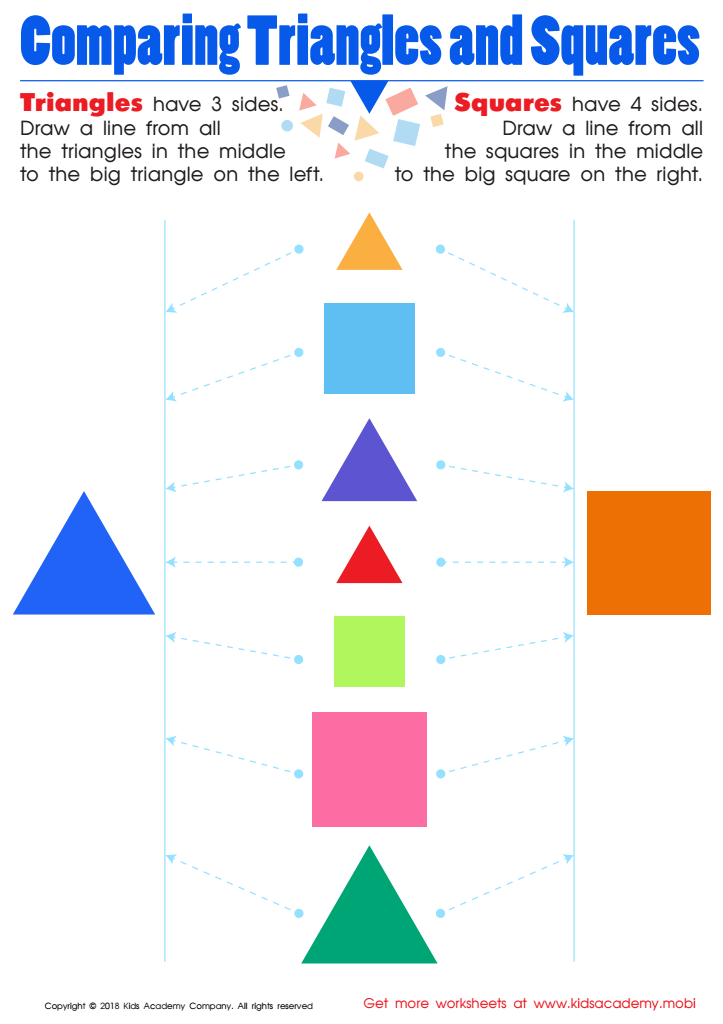
Comparing Triangles Squares Worksheet
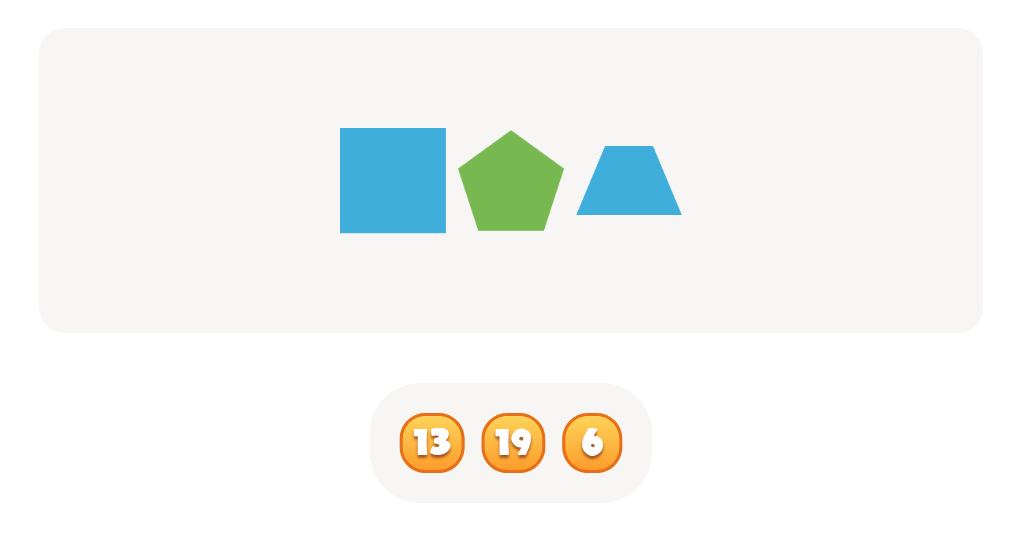
Squares and triangles are different in the number of sides they have. Challenge kids to compare them with this fun worksheet! Read the descriptions at the top, then use the left and right shapes to match up the middle ones. Go down the page, joining the middle shapes to the side using the dotted lines!
 Assign to My Students
Comparing Triangles Squares Worksheet
Worksheet
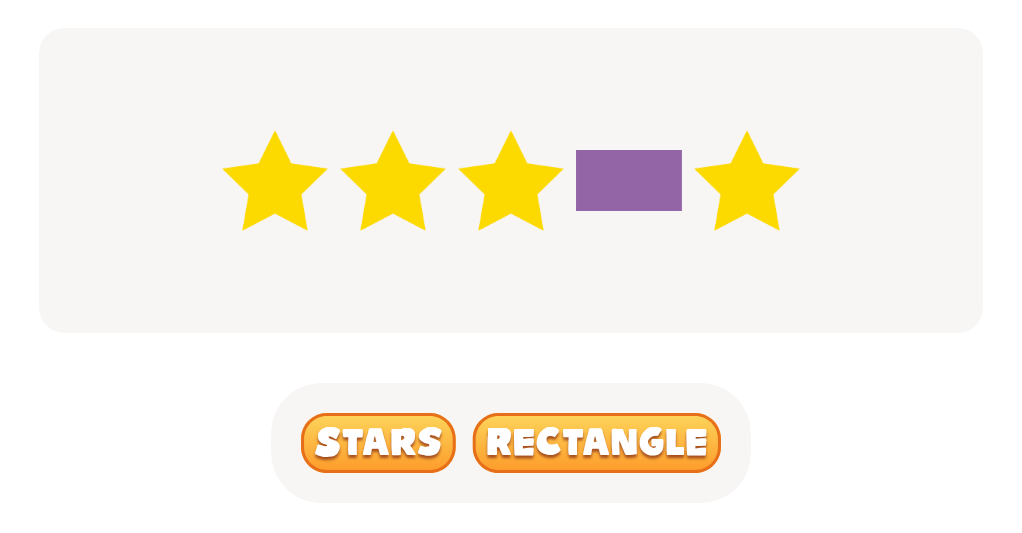

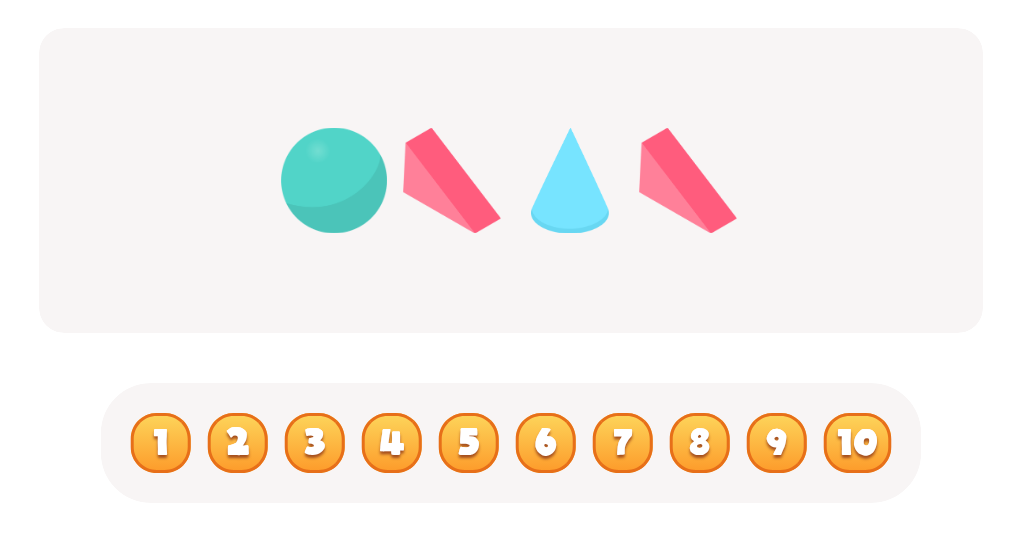


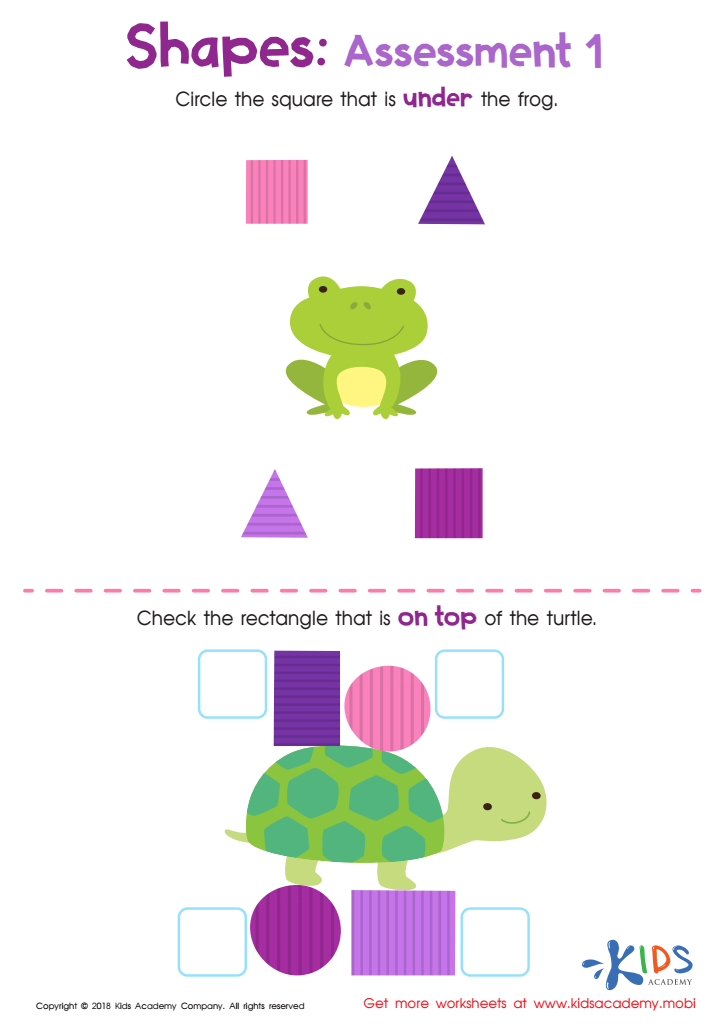
Geometry – Assessment 1 Worksheet
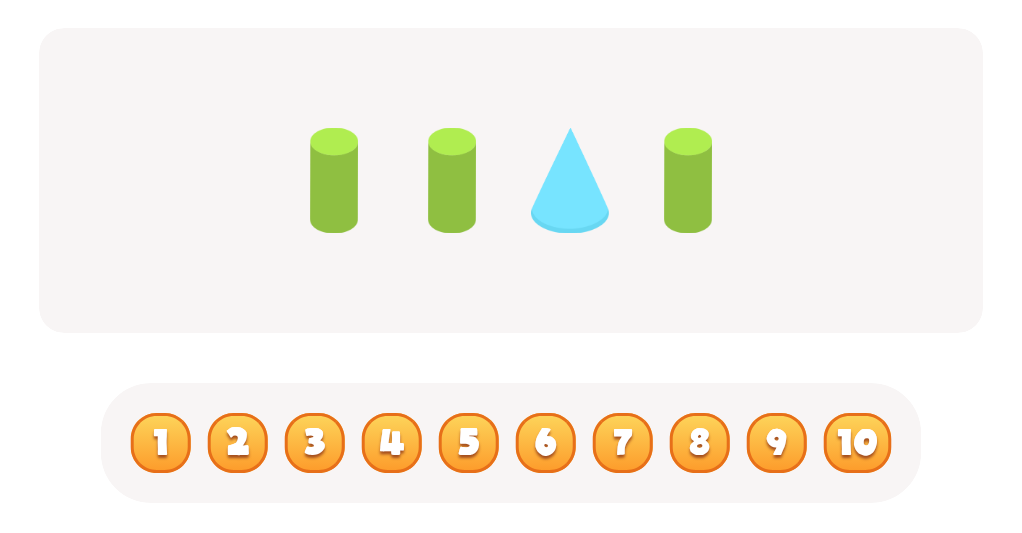
This activity helps preschoolers find shapes "on top of" and "under" animals. They must identify the correct shapes assigned to them. It's a great way to learn geometry and placements of objects.
Geometry – Assessment 1 Worksheet
Worksheet
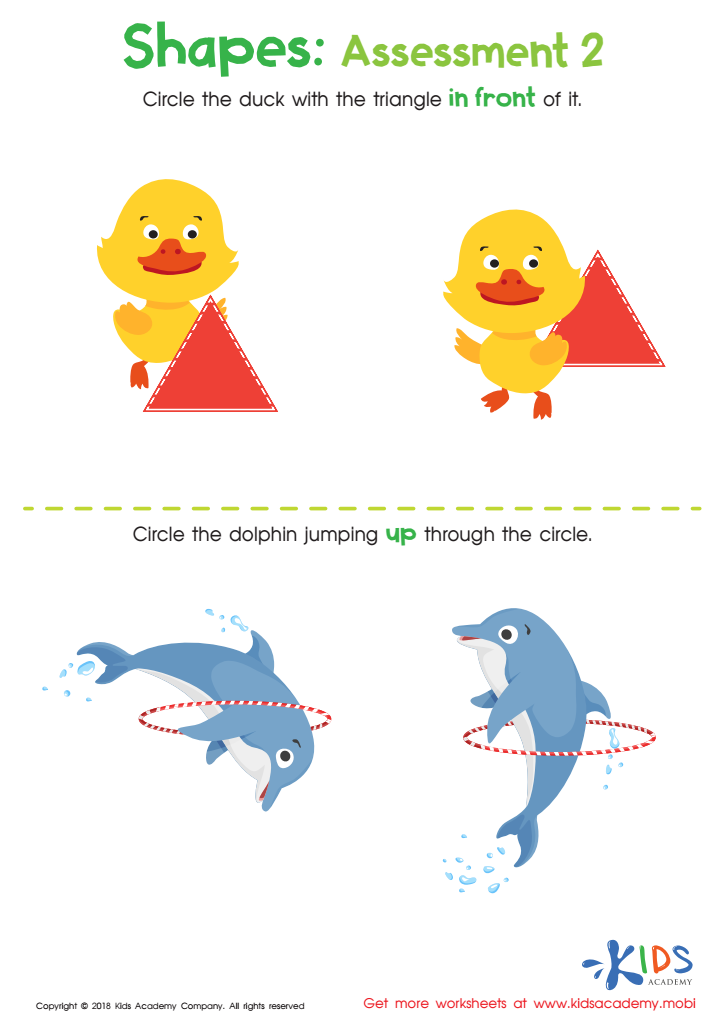
Geometry – Assessment 2 Worksheet
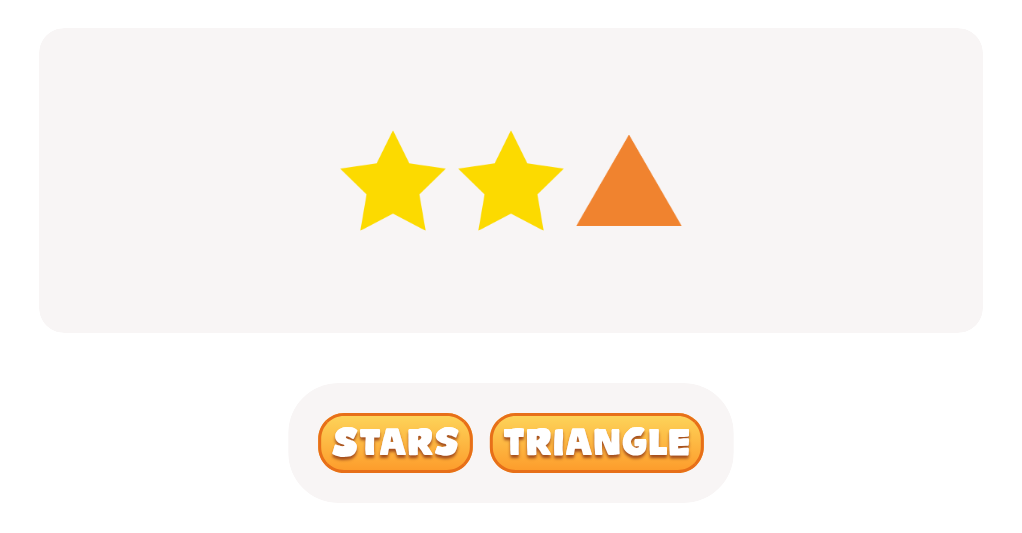
Preschoolers will learn to identify circles and triangles and practice using terms like "in front of" to place objects. This skill is key to further learning and is an important part of development.
Geometry – Assessment 2 Worksheet
Worksheet
Join Kids Academy for Free
Who is primarily going to use this learning content?








Shape comparison in preschool geometry is crucial for a child's early cognitive and spatial development. Understanding shapes and their attributes is foundational to mathematics, as it sets the stage for future learning in geometry, measurement, and problem-solving. When children engage in activities that involve comparing, sorting, and classifying shapes, they enhance their observational skills and critical thinking.
Furthermore, shape comparison fosters language development. As children describe how shapes are similar or different—by looking at their size, color, or number of sides—they expand their vocabulary with geometrical terms, enriching their communication skills. This kind of activity also promotes fine motor skills through hands-on sorting and manipulation of shapes.
For teachers, encouraging shape comparison can lead to deeper discussions about mathematical concepts and promote collaborative learning as children work together on these tasks. Parents should engage in shape comparison games at home to reinforce these skills. Ultimately, this foundational understanding of geometry will not only boost children's confidence in their mathematical abilities but also lay the groundwork for later academic success, making it an essential aspect of early childhood education. Investing time in shape comparison activities yields long-term benefits in children's learning trajectories.