Shape identification Preschool Geometry Worksheets
8 filtered results
-
From - To
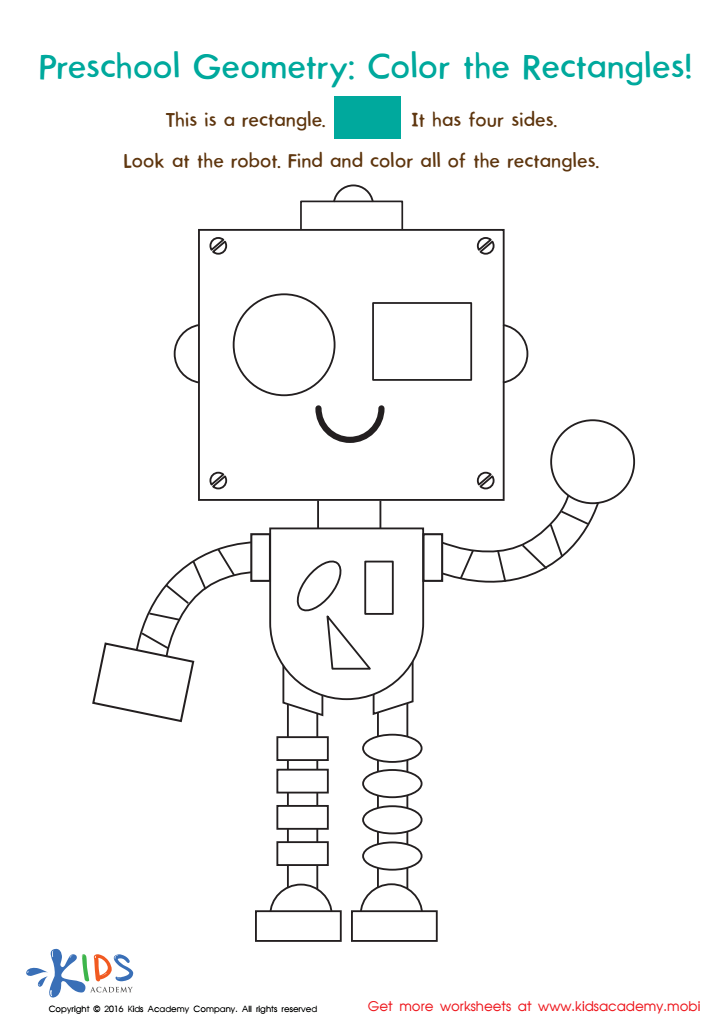
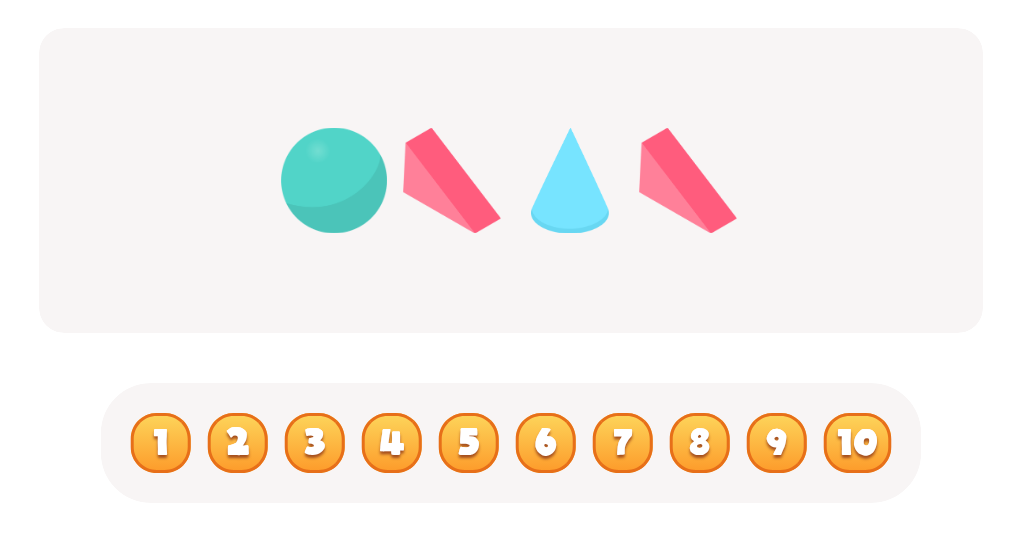
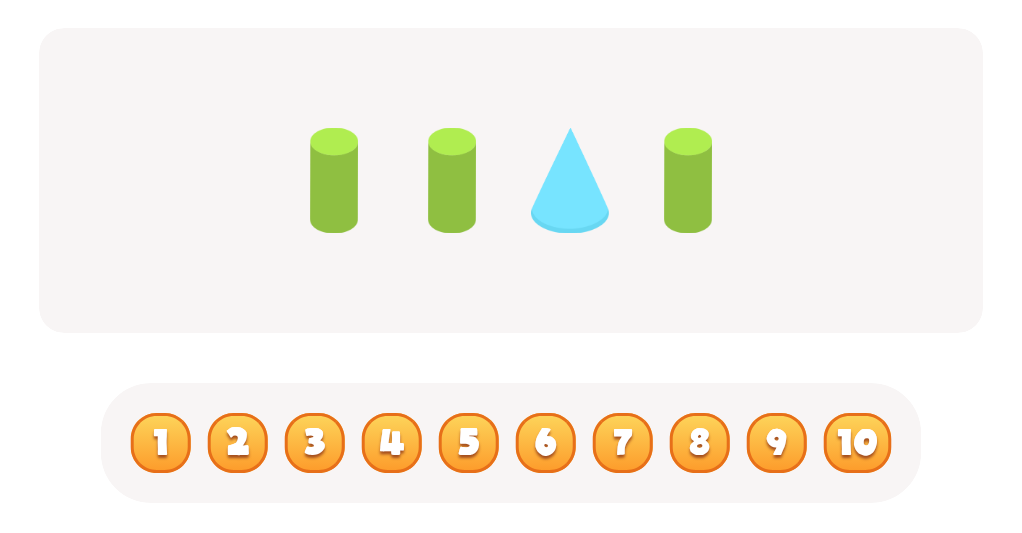
Explore our Shape Identification Preschool Geometry Worksheets, designed to make learning fun and effective for young minds. Each worksheet focuses on helping children recognize and differentiate between basic geometric shapes through engaging activities and colorful illustrations. With these expertly crafted printables, preschoolers will sharpen their shape recognition skills, build a solid foundation in geometry, and enhance their fine motor skills. Perfect for both classroom and home use, our worksheets not only spark curiosity but also promote interactive learning. Turn early math education into an exciting adventure with our Shape Identification Worksheets!
Geometry Worksheet
 Assign to My Students






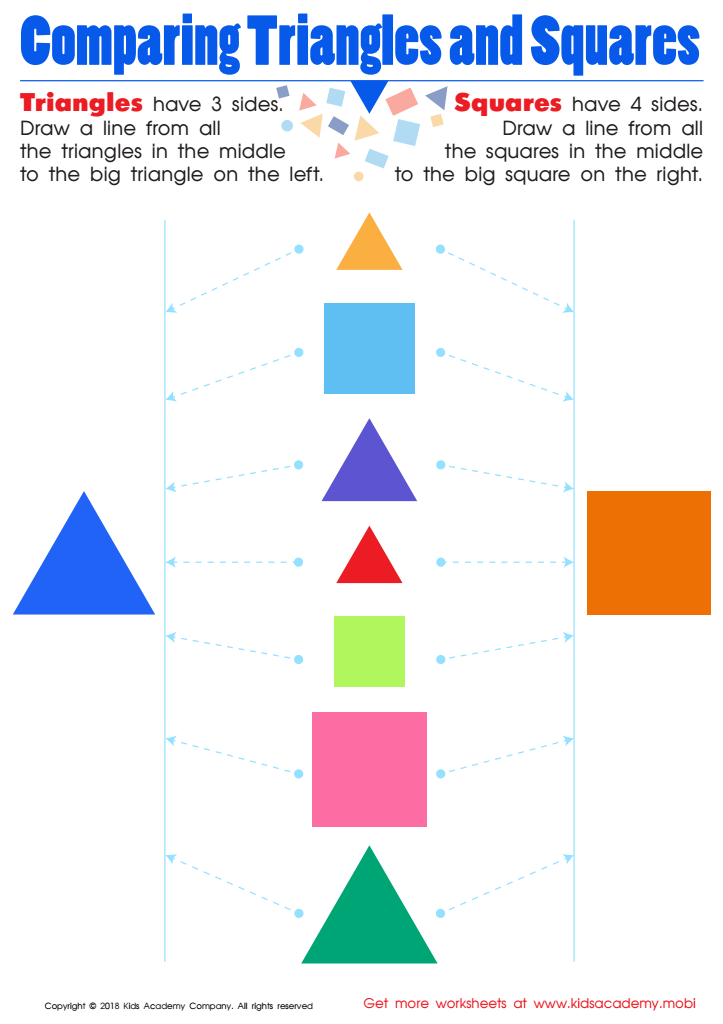
Comparing Triangles Squares Worksheet
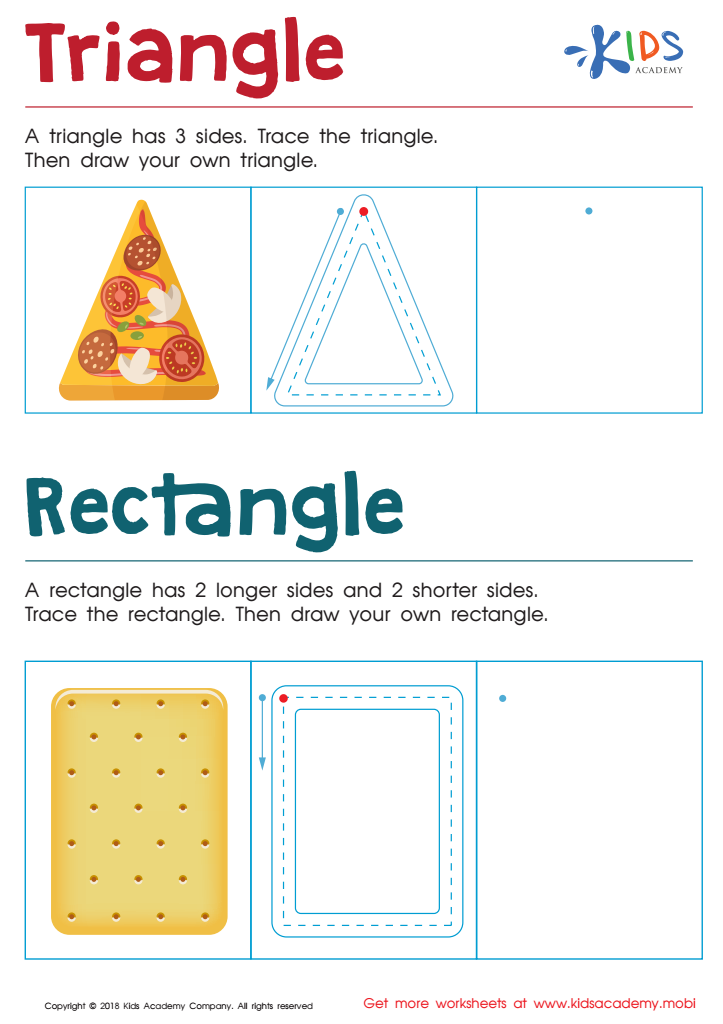
Triangle Rectangle Worksheet
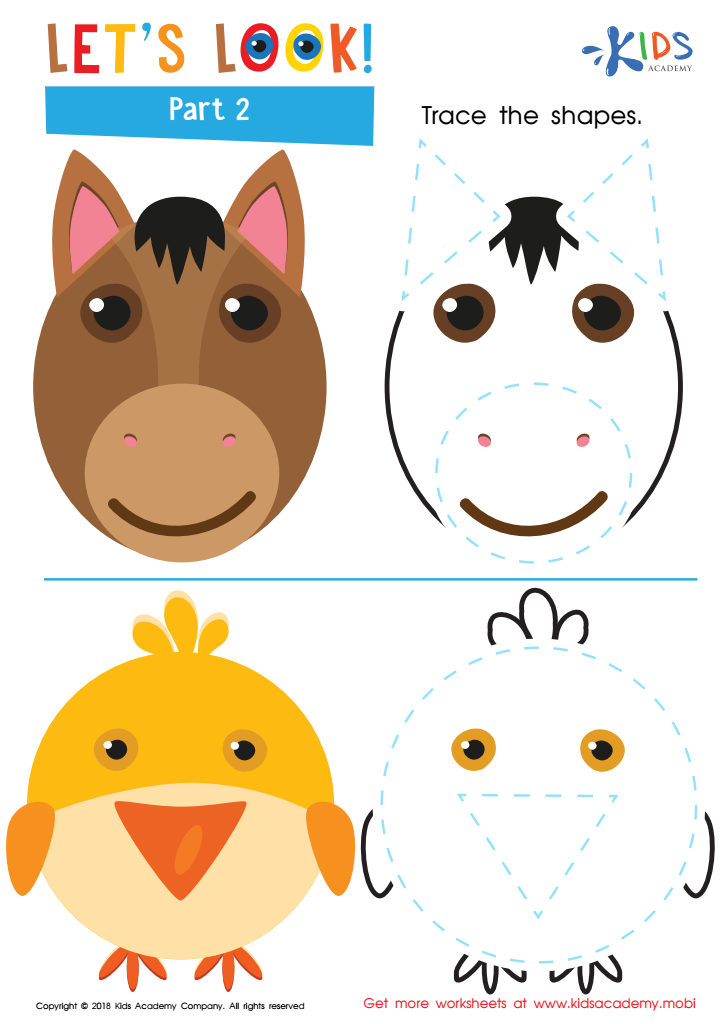
Let's Look! Part 2 Worksheet
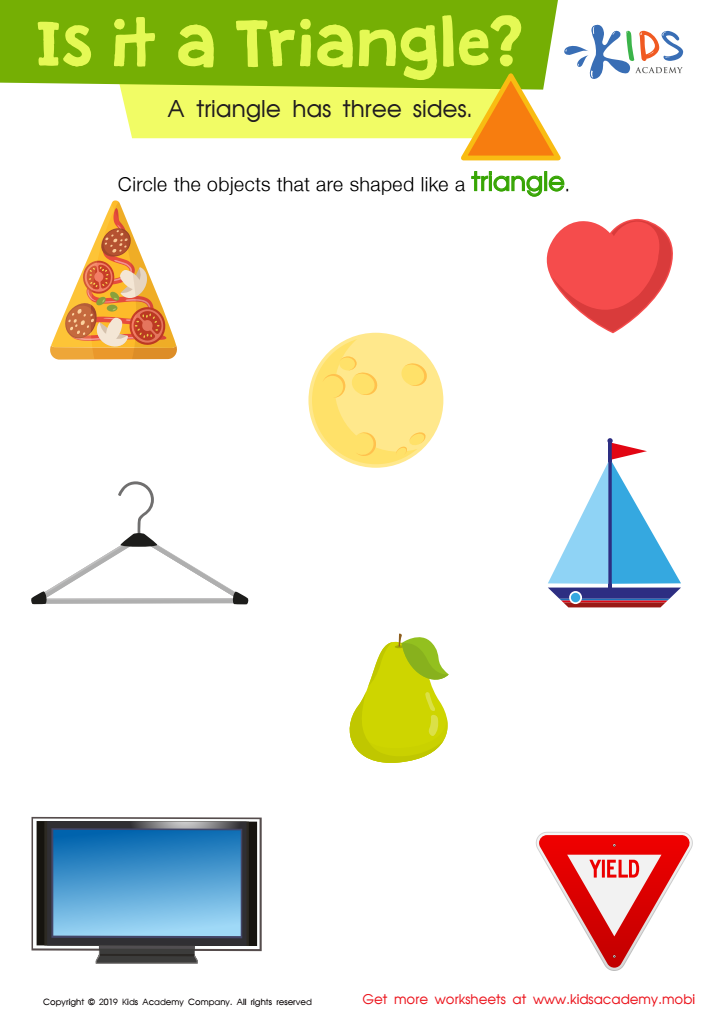
Is It a Triangle? Worksheet
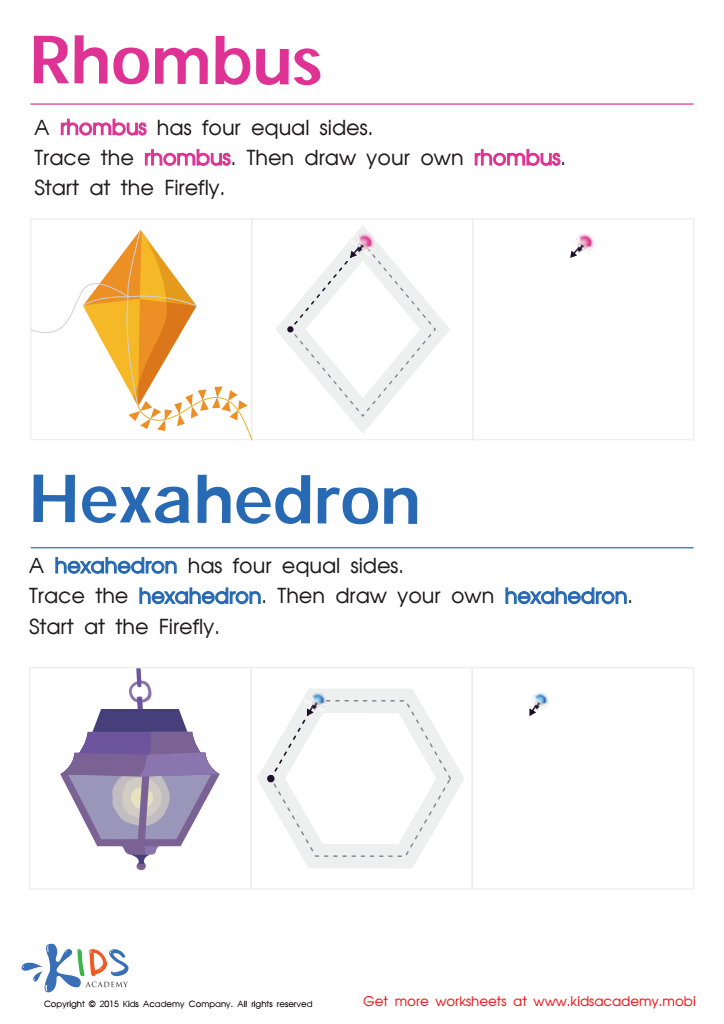
Draw a Rhombus And a Hexahedron Printable
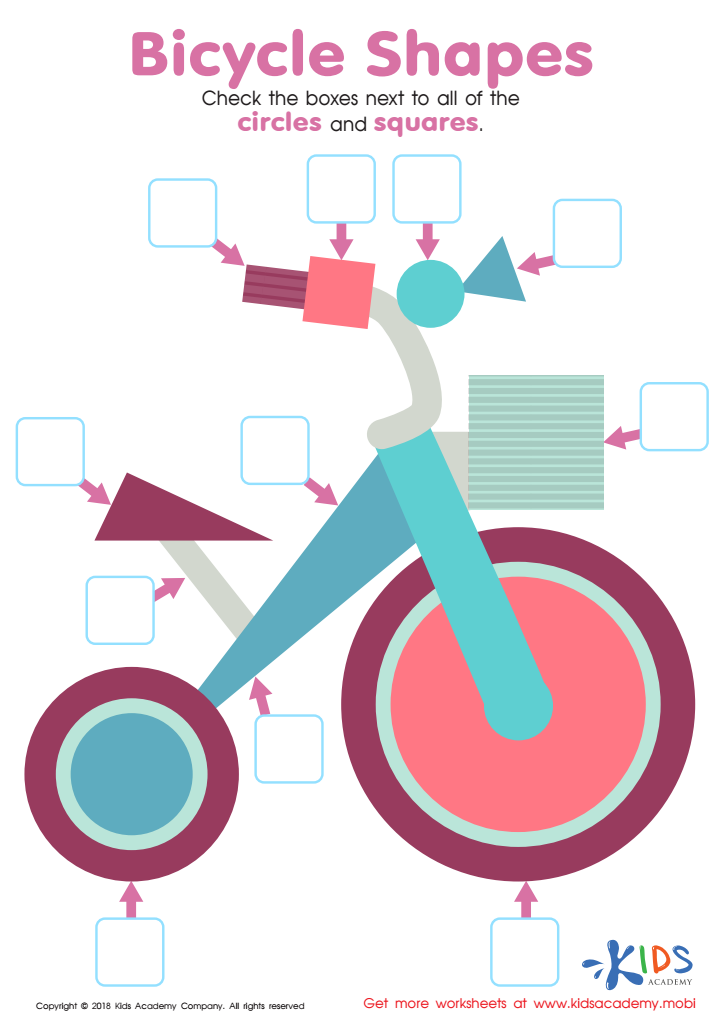
Bicycle Shapes Worksheet
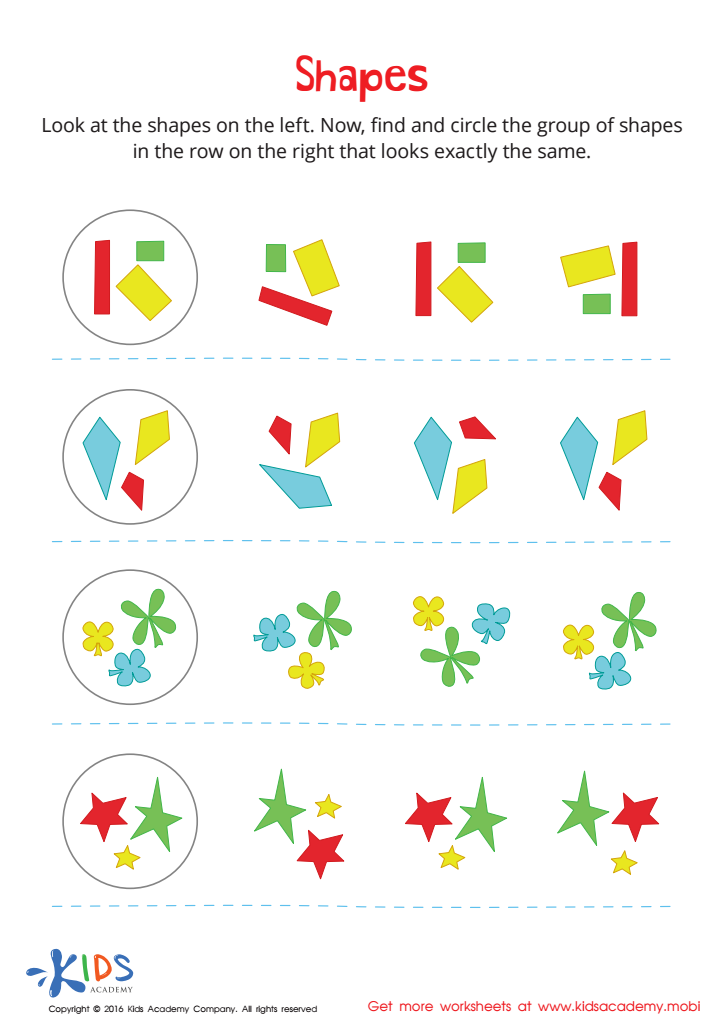
Shapes Worksheet








Shape identification and understanding basic geometry are foundational skills crucial in early childhood development. When parents and teachers emphasize shape recognition, they foster essential cognitive and perceptual abilities in children. Recognizing and naming shapes enables children to observe and categorize the world around them, enhancing their analytical thinking and problem-solving skills.
Shape identification promotes spatial awareness, a critical aspect of visual-spatial reasoning, which is utilized in more complex subjects like mathematics, science, and engineering. Simple activities involving shapes also improve fine motor skills as children draw, cut, and sort shapes, preparing them for writing and other precise tasks.
Moreover, shapes are everywhere in children's environment – from traffic signs to toys and books – making these exercises practical and relevant. As young learners become familiar with shapes, they also learn properties such as size, symmetry, and the concept of equality, which are foundational to geometric principles.
Auditory and visual memory are also enhanced as children repeatedly see and name shapes. Early exposure to shapes and geometry thus sets a foundation, ensuring children are better able to grasp more complex mathematical concepts as they progress through their education. This early educational involvement builds confidence and promotes a positive attitude toward learning and discovery.