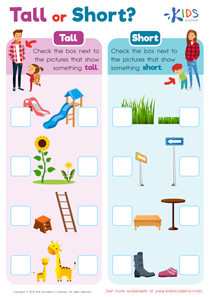
Fine Motor Skills Preschool Math Worksheets - Page 2
112 filtered results
-
From - To
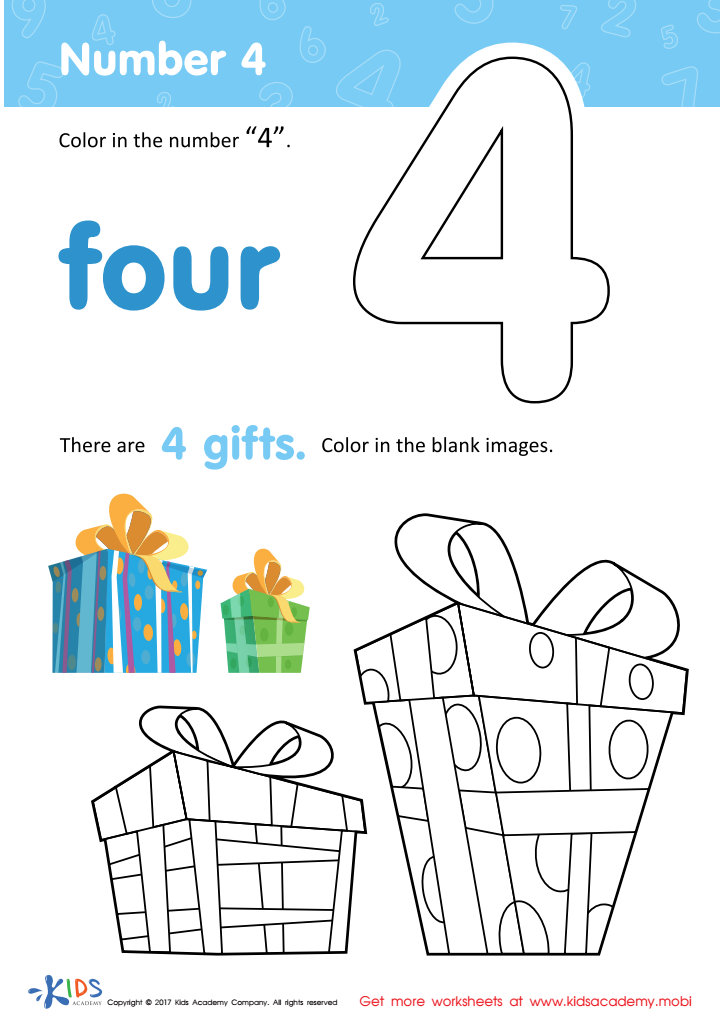
Number 4 Printable
 Assign to My Students
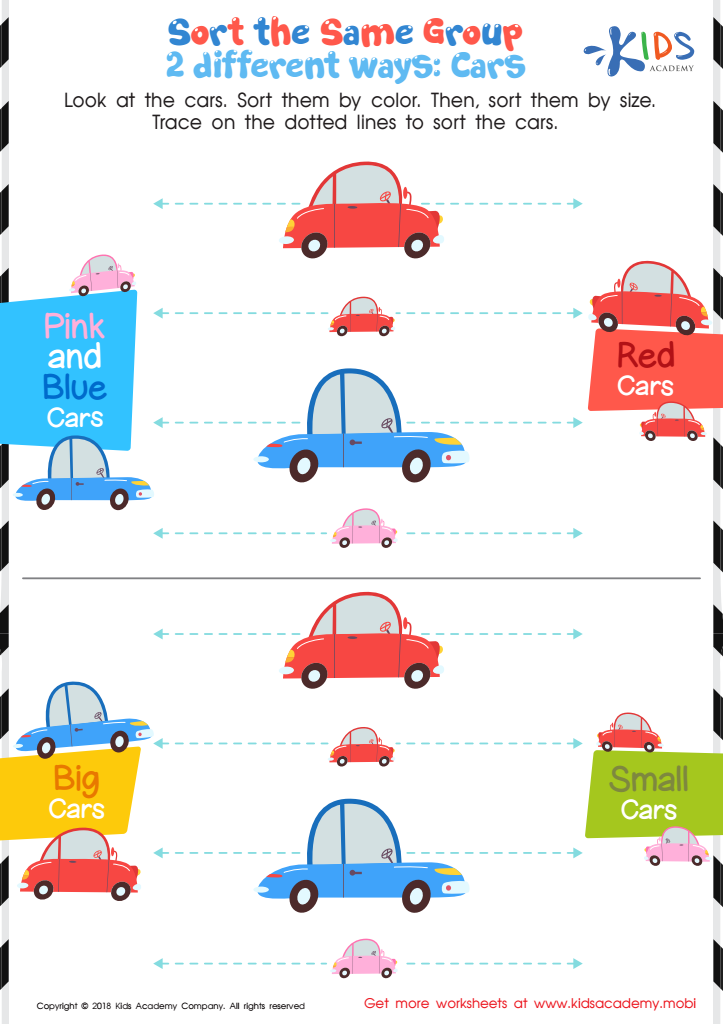
Sort the Same Group 2 Different Ways: Cars Worksheet
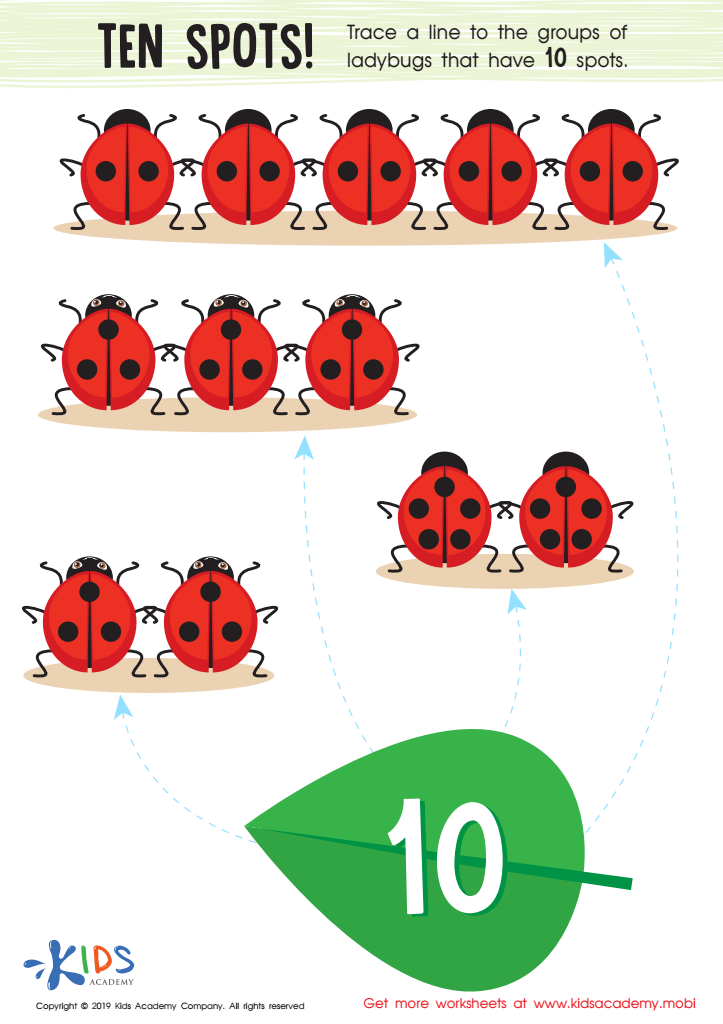
Ten Spots Worksheet
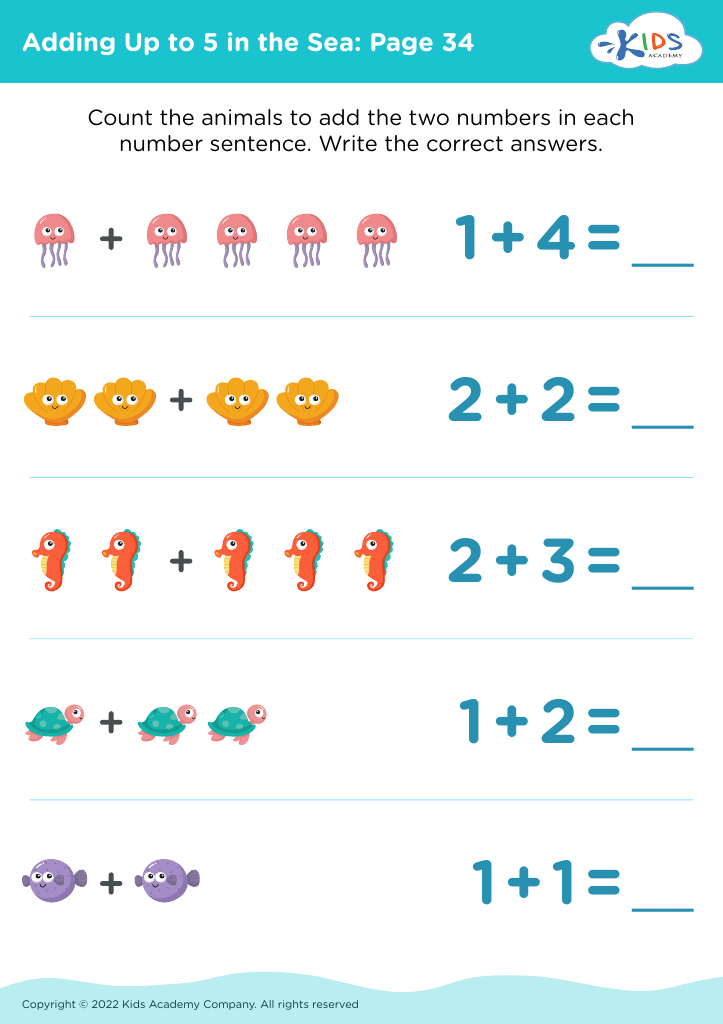

Find 7 Eggs Worksheet
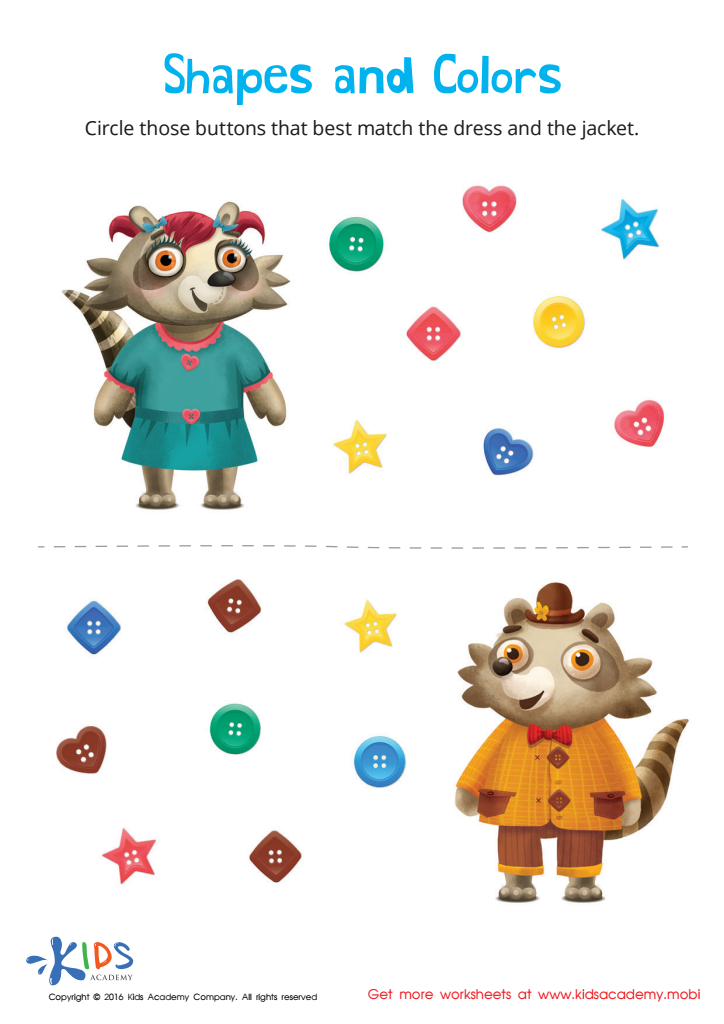
Matching: Shapes and Colors Worksheet
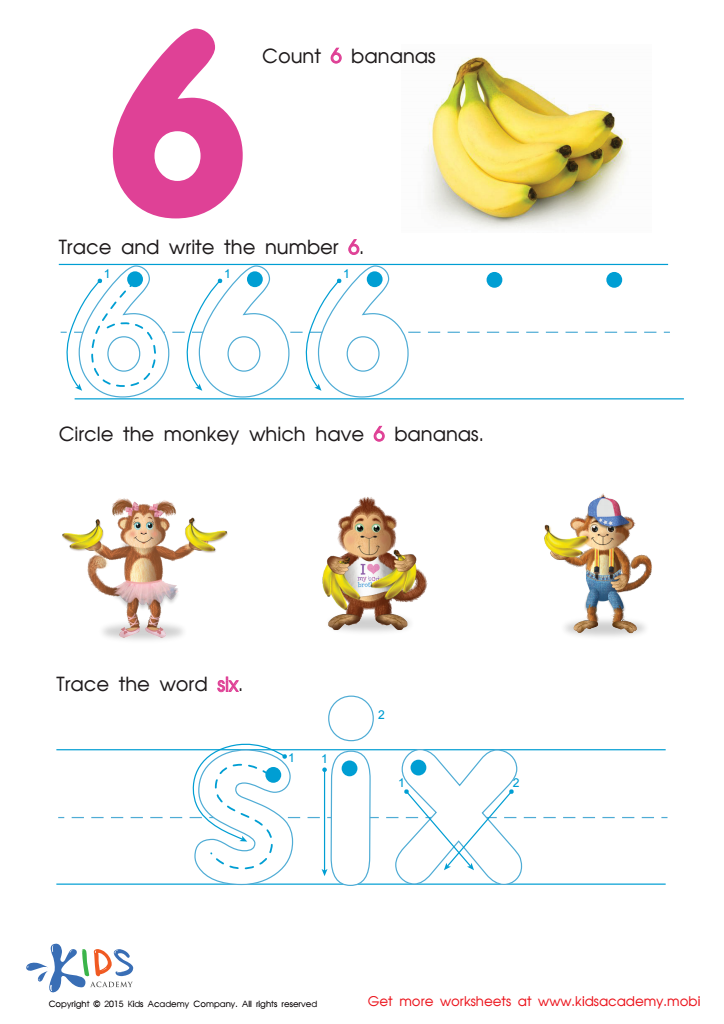
Tracing And Writing Number 6 Worksheet
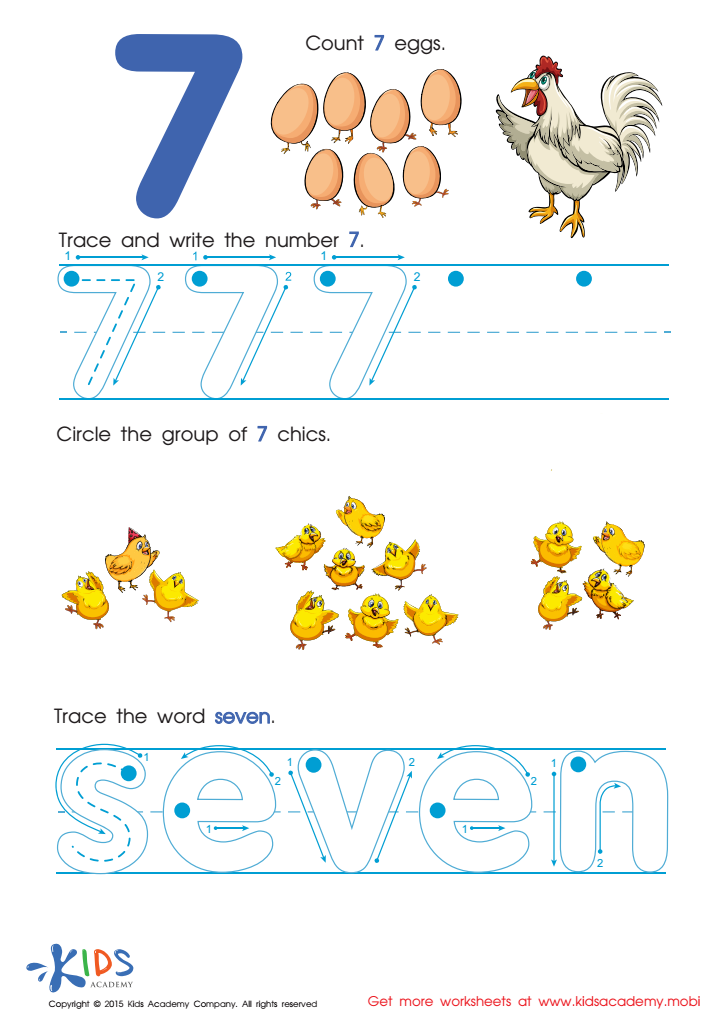
Trace And Write Number 7 with Fun Worksheet
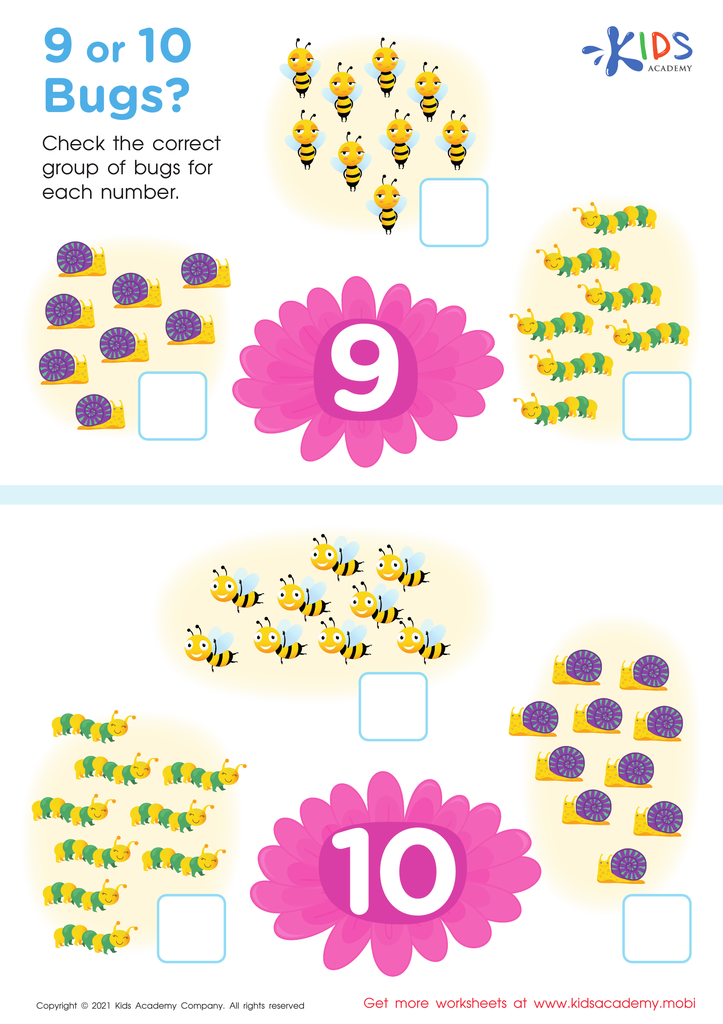
9 or 10 Bugs Worksheet

Apple Tree Counting Worksheet
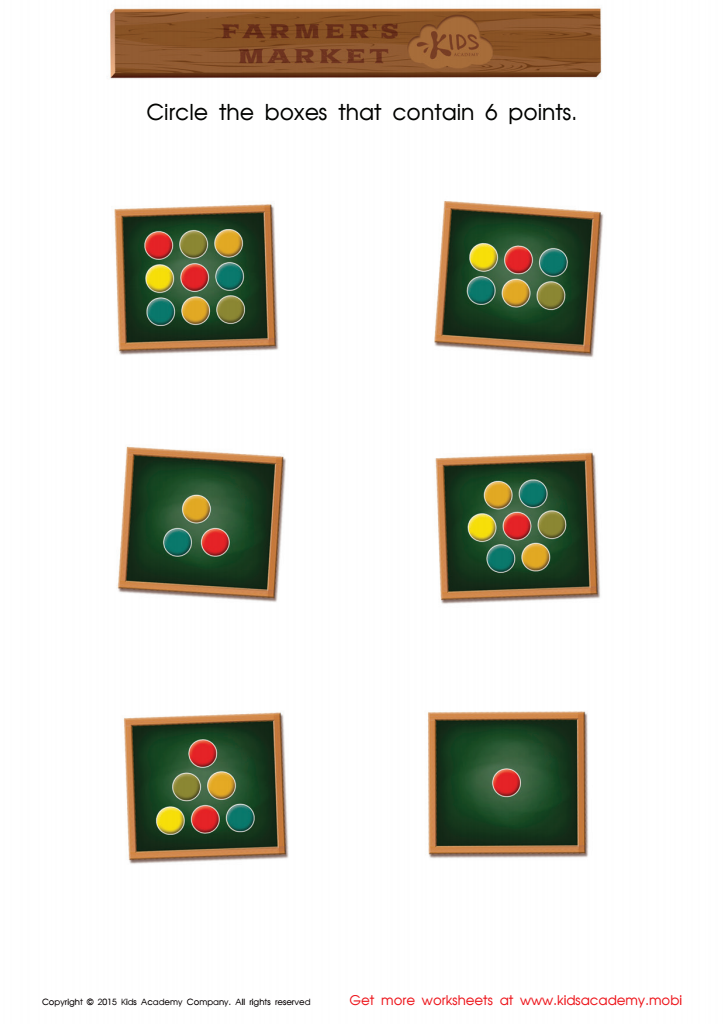
Count and Match Points 6 Math Worksheet
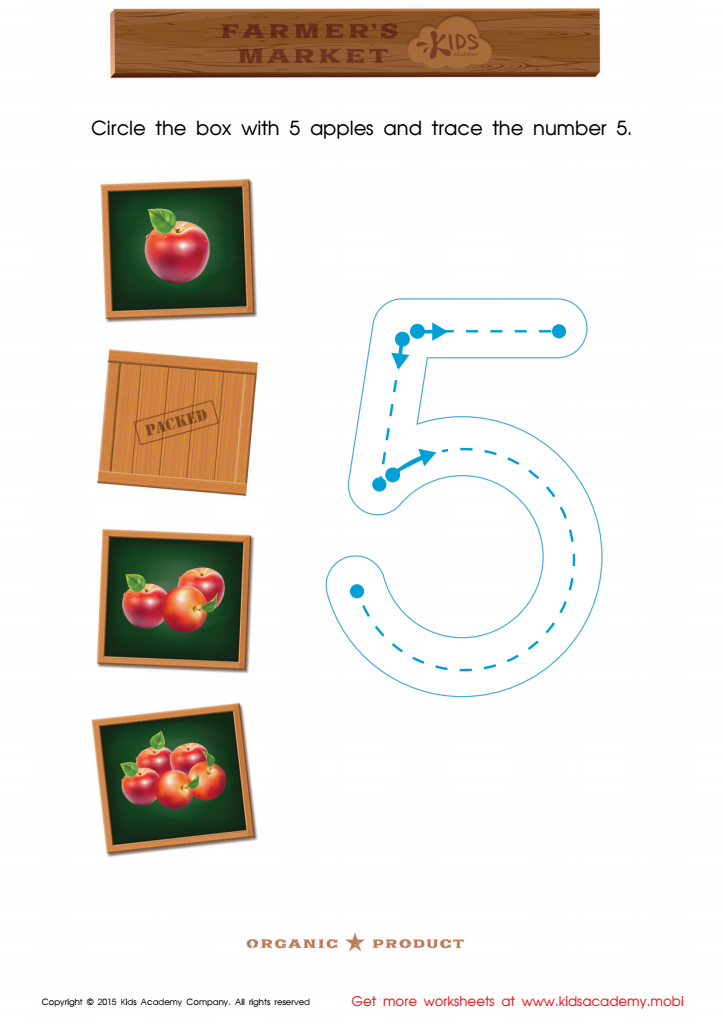
Count the Apples and Trace the Number 5 Printable
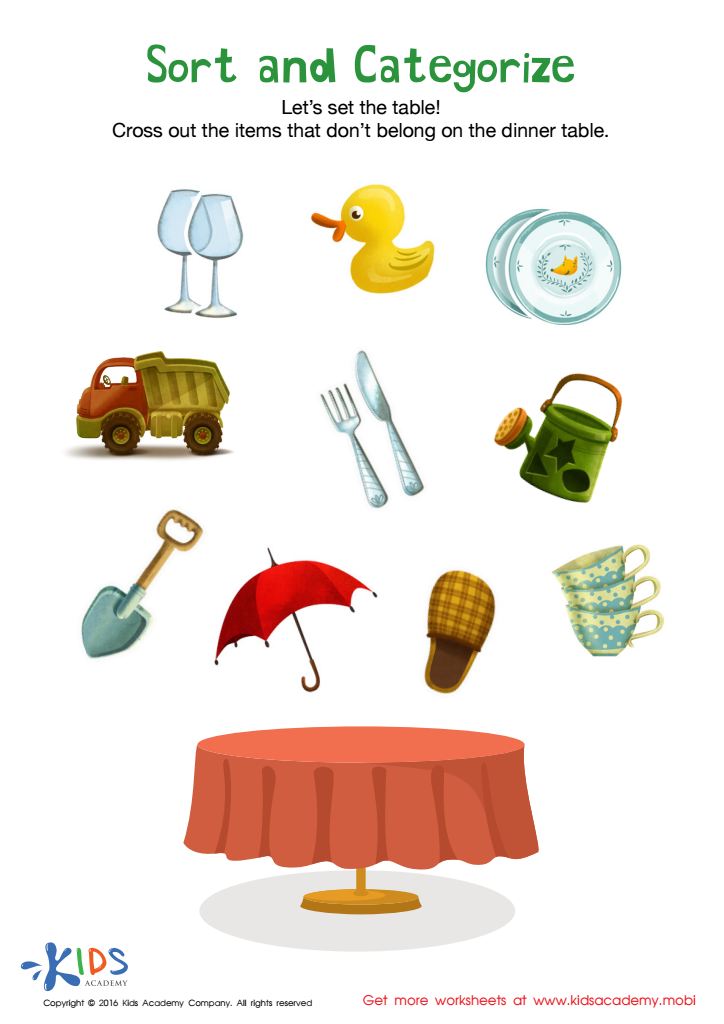
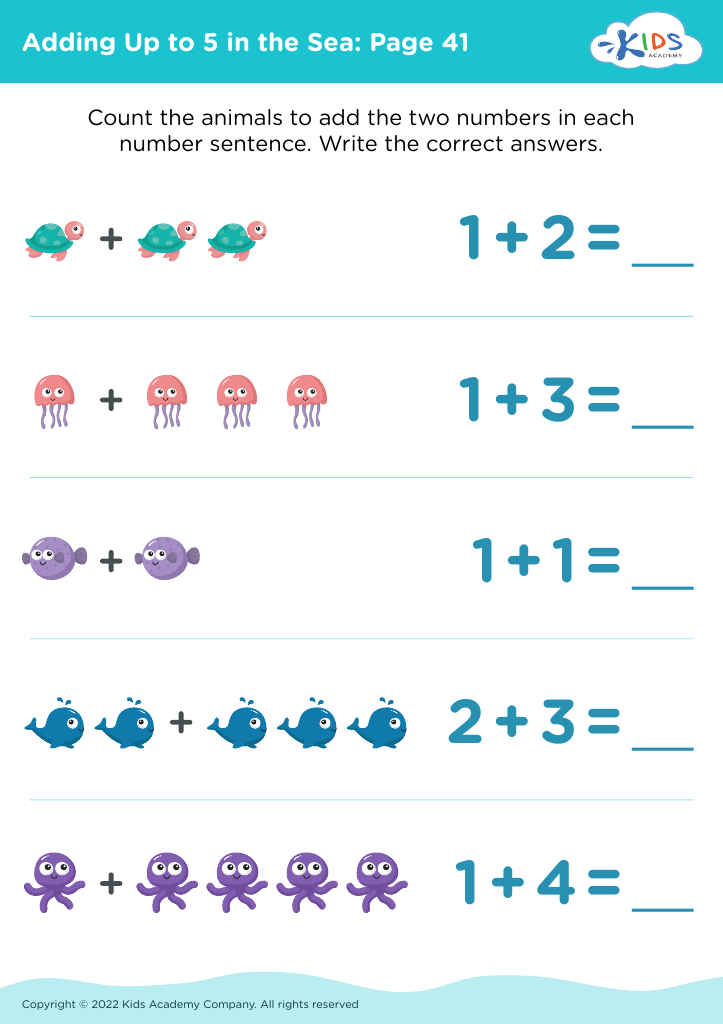
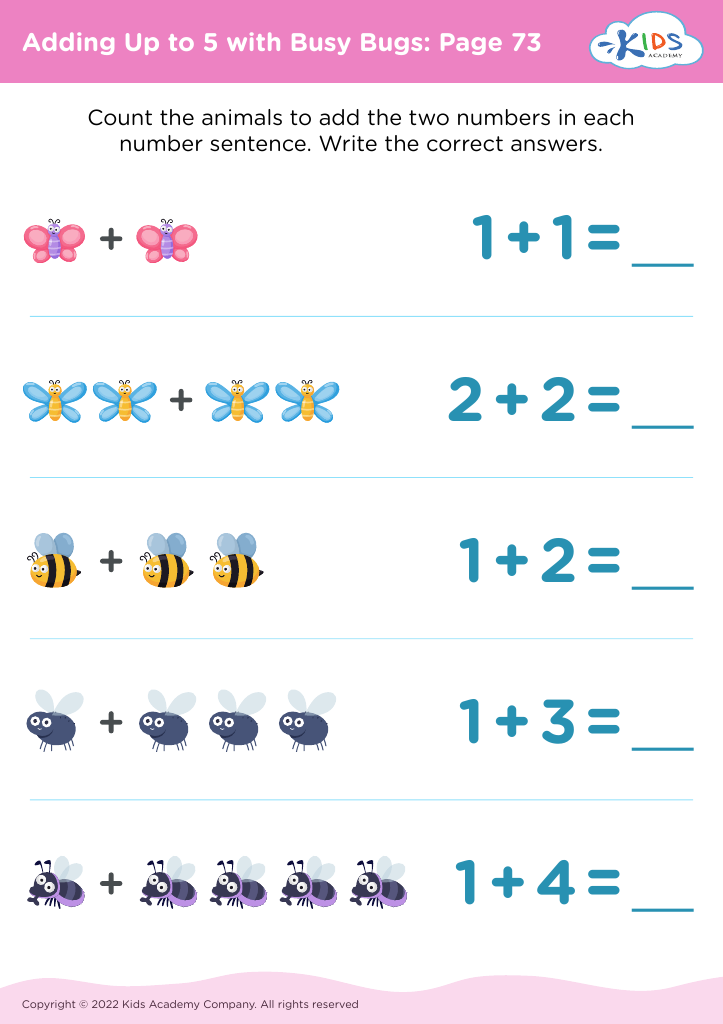
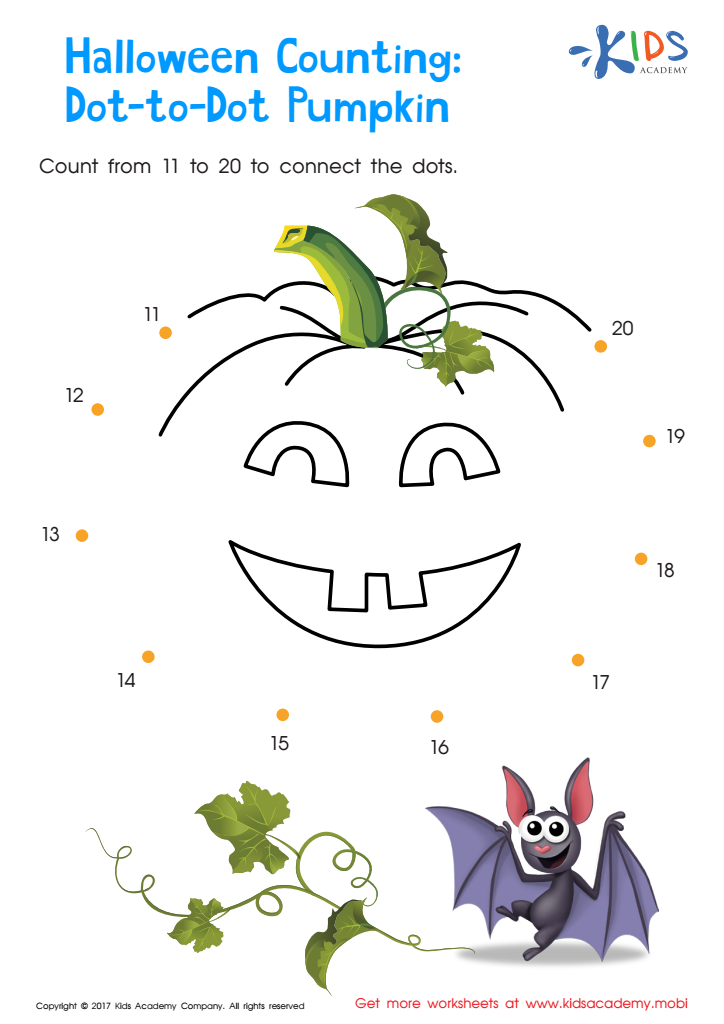
Ordering 11–20: Halloween Counting Worksheet
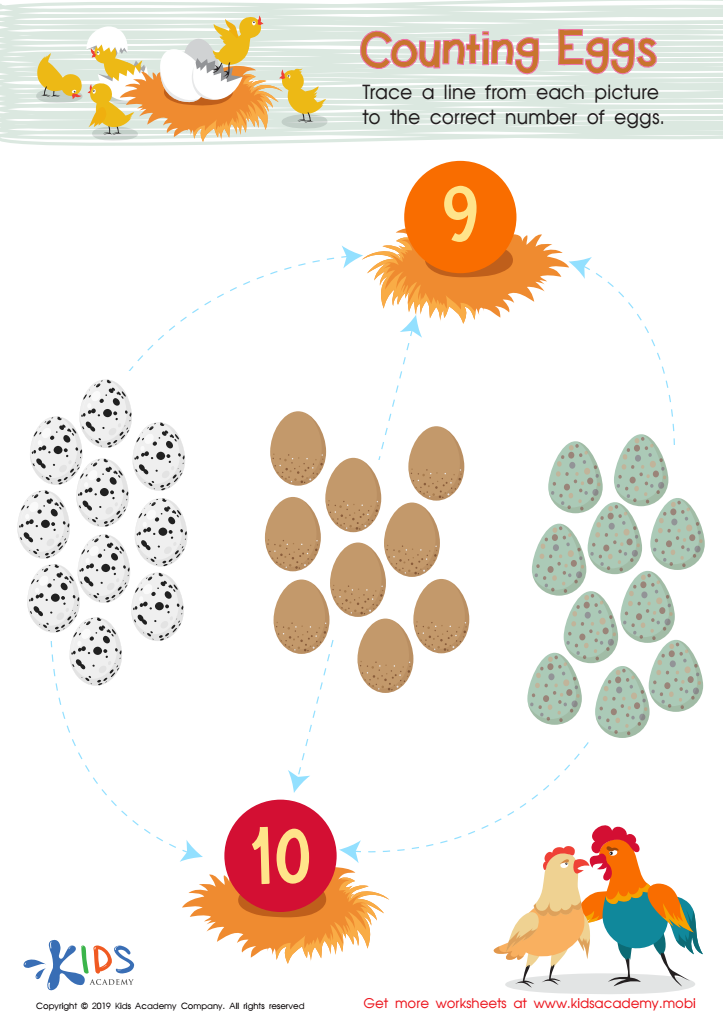
Counting Eggs Worksheet
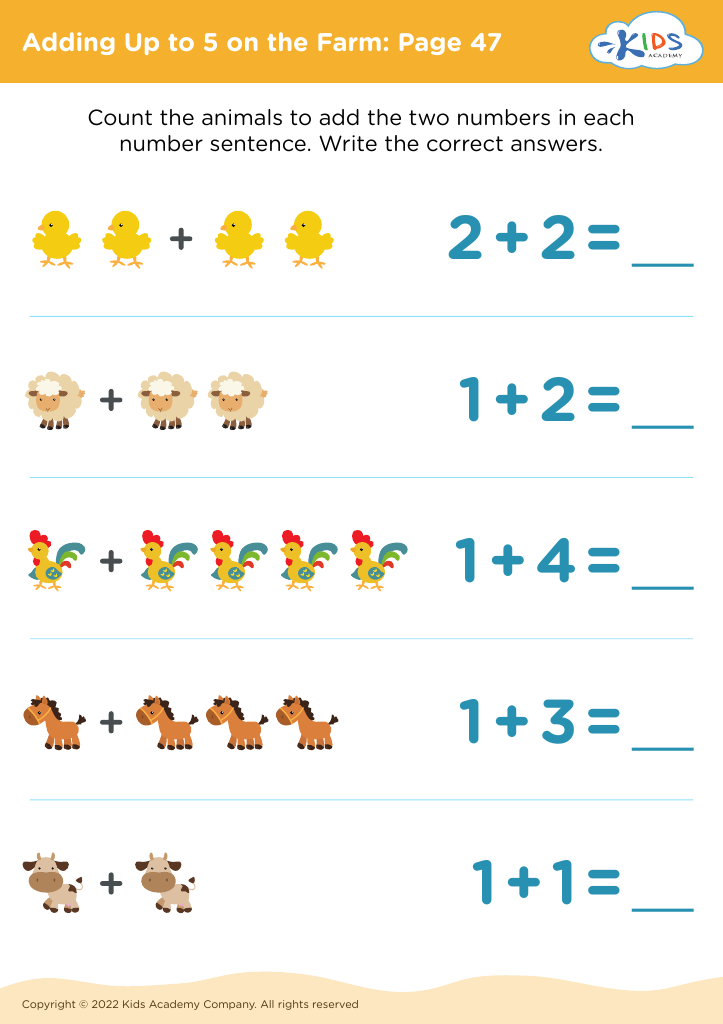







Parent and teacher investment in fine motor skill development in preschool math is crucial for young learners' overall growth. Fine motor skills involve the coordination of small muscles, particularly in the hands and fingers, essential for tasks like writing, buttoning clothes, and using utensils. Nurturing these skills in conjunction with preschool math stimulates cognitive and physical development simultaneously.
Firstly, tying math activities with fine motor skills can make learning more engaging and hands-on. For example, counting beads or sorting small objects not only teaches foundational math concepts like counting and categorization but also strengthens hand-eye coordination and dexterity. These activities can build the muscle strength and control needed for future tasks like handwriting, thereby fostering a smooth transition to kindergarten.
Secondly, preschool math activities that develop fine motor skills can boost a child's confidence and independent problem-solving abilities. Exploring patterns, shapes, and numbers through tactile, playful methods can instill a love for learning, helping children to see math as interesting and accessible.
Lastly, early math skills are predictors of later academic success. Integrating fine motor skill development with math can enhance sustained attention, memory, and processing skills. In short, addressing fine motor skills in preschool math provides a balanced developmental foundation, ensuring children are both physically prepared and academically inclined for future challenges.