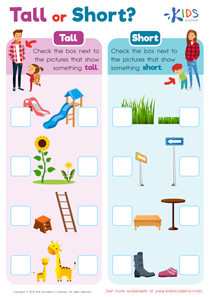
Improve counting skills Preschool Math Worksheets
8 filtered results
-
From - To
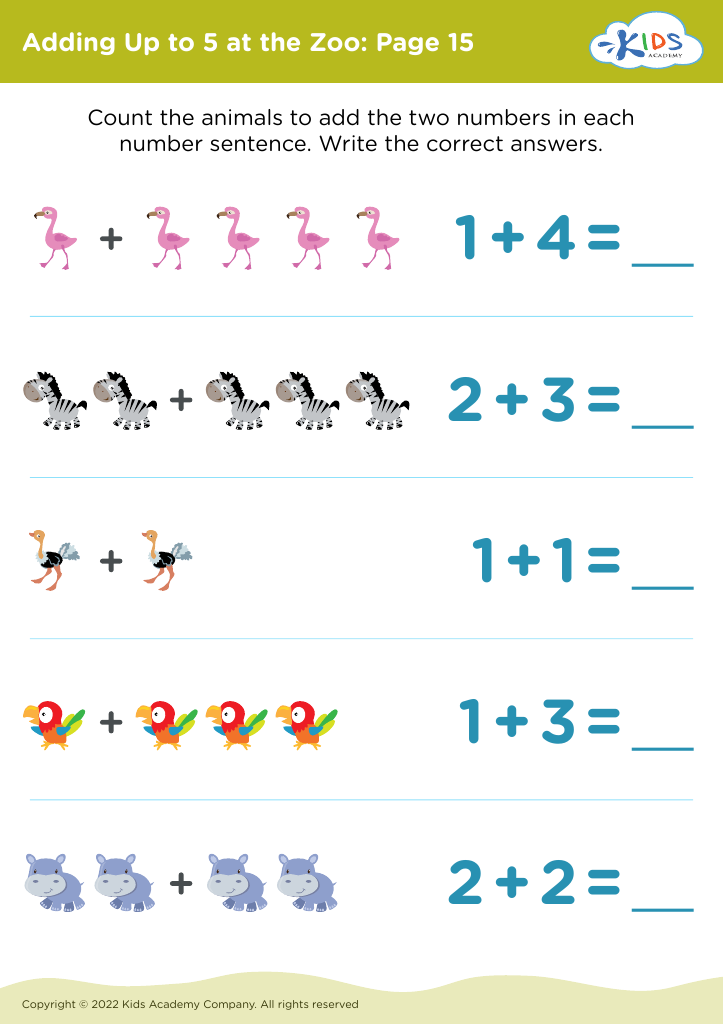
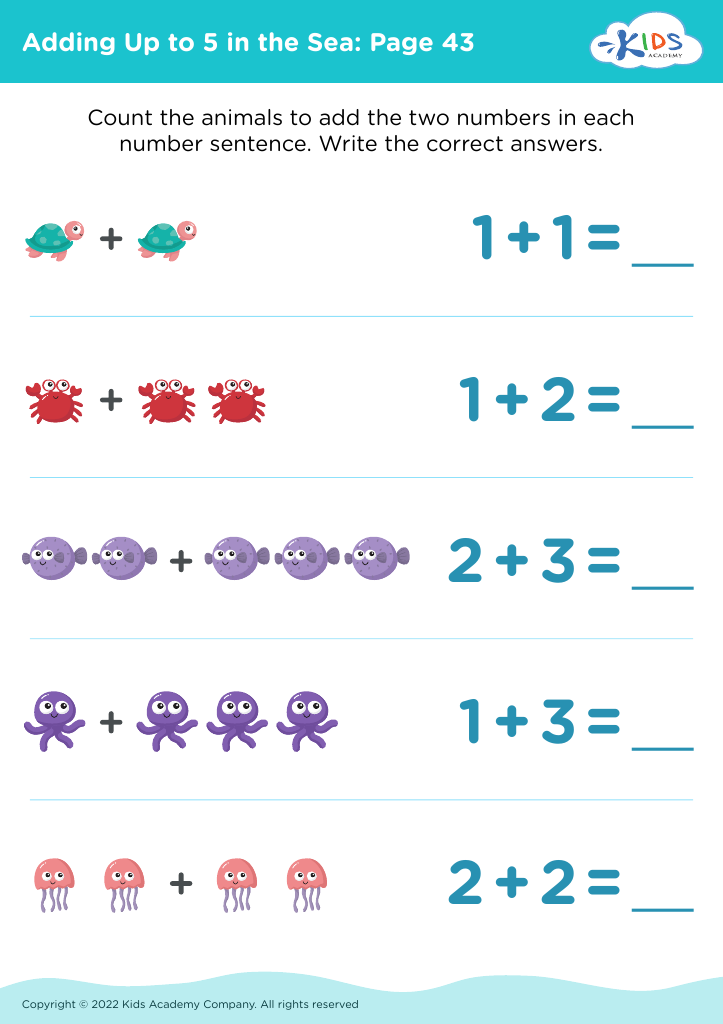
Enhance your preschooler’s counting skills with our engaging math worksheets! Our carefully crafted printable activities are designed to make learning fun and interactive. Each worksheet focuses on essential counting concepts, helping children practice numbers through vibrant illustrations and creative exercises. From counting objects to connecting numbers, these worksheets encourage both cognitive development and fine motor skills. Ideal for parents and teachers alike, our resources cater to varied learning styles, ensuring every child can thrive. Explore our collection today to provide your little ones with the tools they need to build a strong math foundation while having a great time learning!
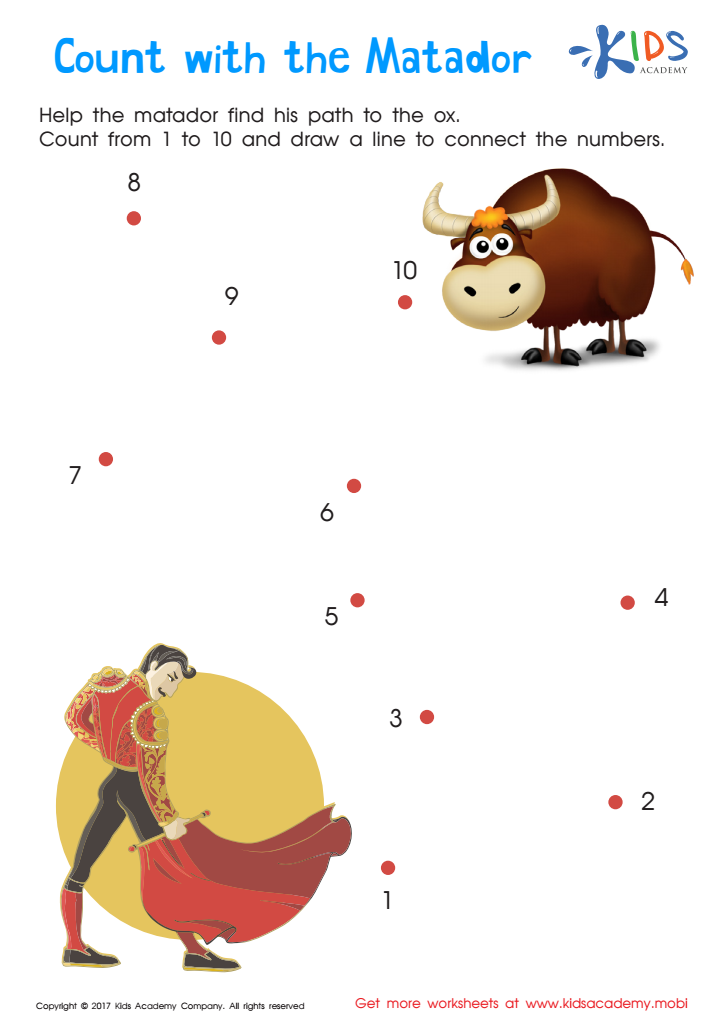
 Assign to My Students
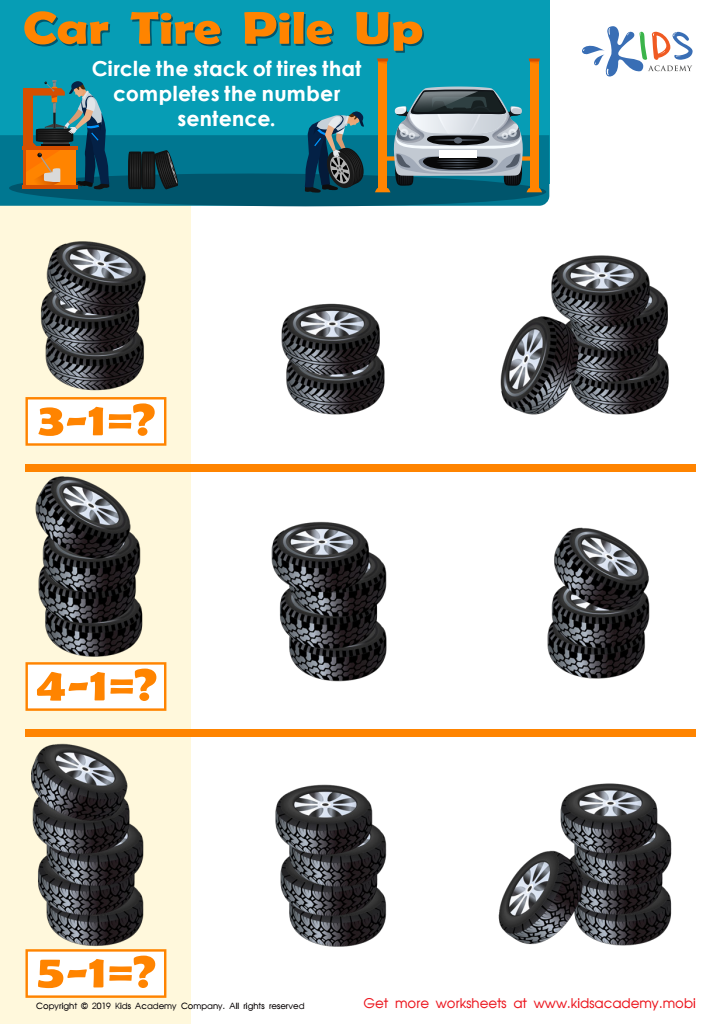
Car Tire Pile Up Worksheet
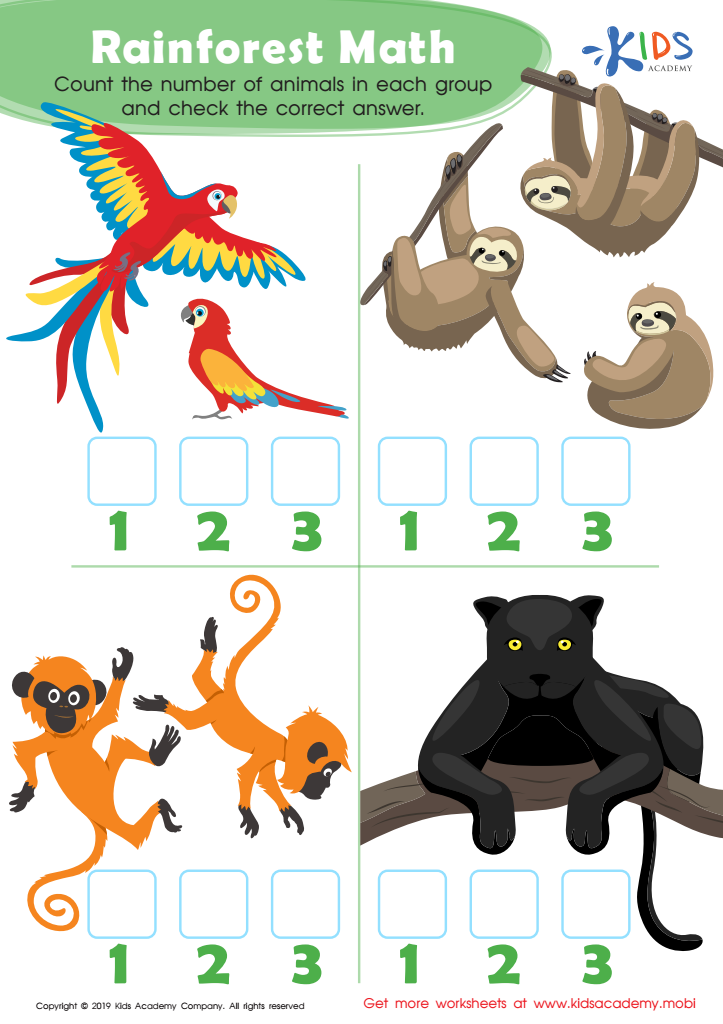
Rainforest Math Worksheet
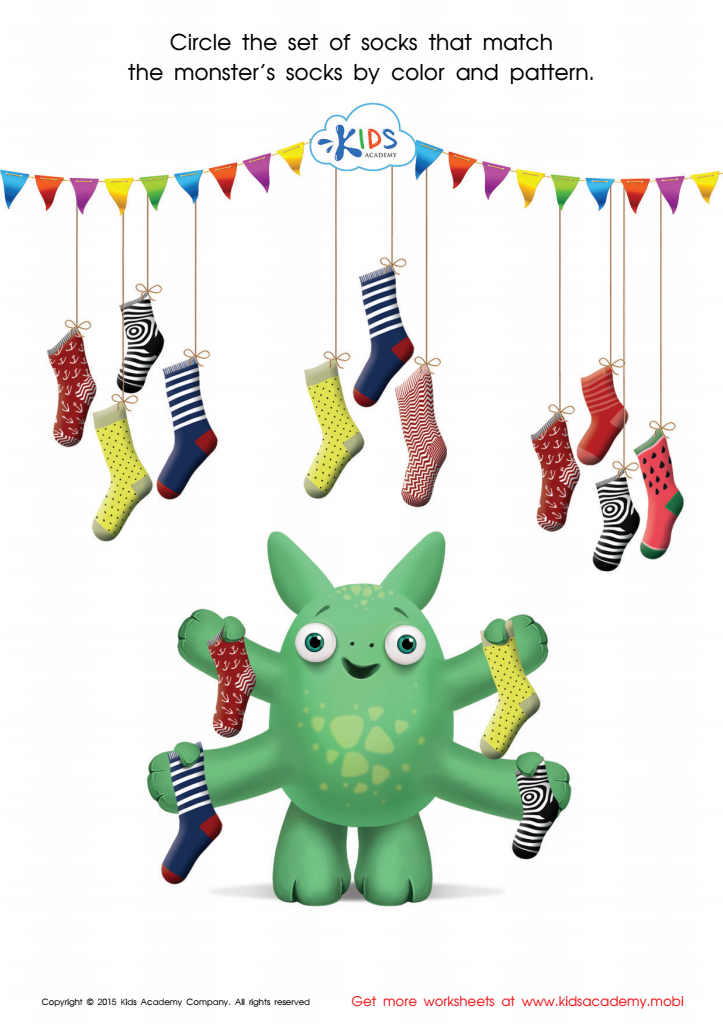
Connecting the Monster's Socks Printable
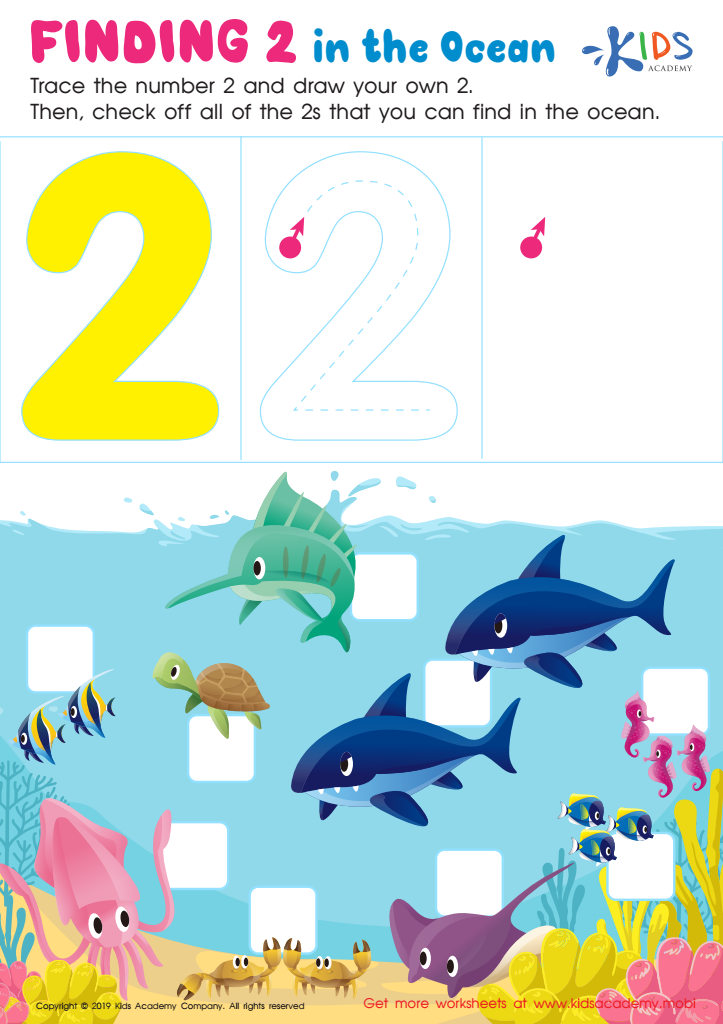
Finding 2: In the Ocean Worksheet
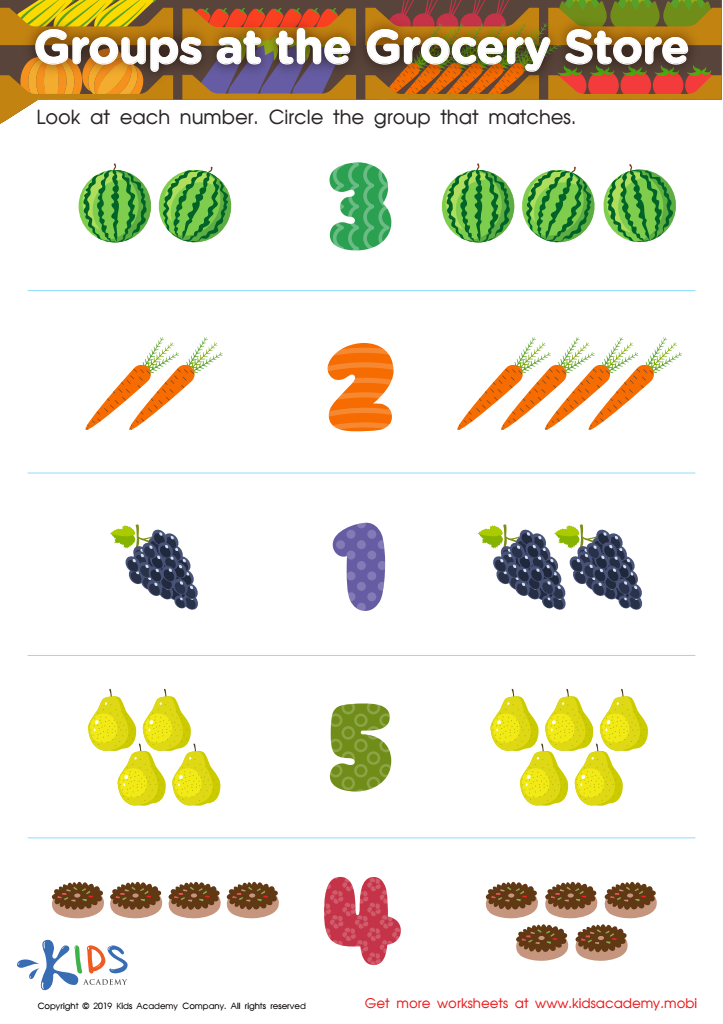
Groups at the Grocery Store Worksheet








Parents and teachers should prioritize improving counting skills in preschool math as it lays the foundation for a child's future learning and cognitive development. Early counting skills are essential because they not only enhance numerical understanding but also foster critical thinking, problem-solving, and spatial awareness. Learning to count develops a child’s ability to recognize patterns, compare sizes, and understand basic arithmetic concepts, which are crucial for later success in math.
Moreover, counting skills enrich a child’s language development. As they learn to count, they also expand their vocabulary and engage in conversations that boost their overall communication abilities. Incorporating counting into daily activities—like counting fruits at snack time or steps taken during a walk—makes learning more relatable and enjoyable, forging positive attitudes towards math.
Socially, learning to count can help children work collaboratively through games and group activities, promoting teamwork and cooperative learning experiences. Ultimately, a solid foundation in counting can increase academic confidence and reduce math anxiety in later grades, setting children on a path toward lifelong learning and success. By caring about and actively investing in counting skills, parents and teachers promote holistic development for young learners.