Shape Recognition Preschool Matching Worksheets
7 filtered results
-
From - To
Welcome to our Shape Recognition Preschool Matching Worksheets! These engaging printable worksheets are designed to help young learners hone their shape identification skills through fun matching activities. Our resources encourage cognitive development and visual discrimination by allowing children to pair shapes with corresponding images. Each worksheet is creatively crafted to make learning interactive and enjoyable, fostering a solid foundation in geometry. Ideal for preschool classrooms or home learning, these worksheets cater to various learning styles and promote critical thinking. Download today to ignite your child's curiosity and enhance their early math skills while having fun with shapes!
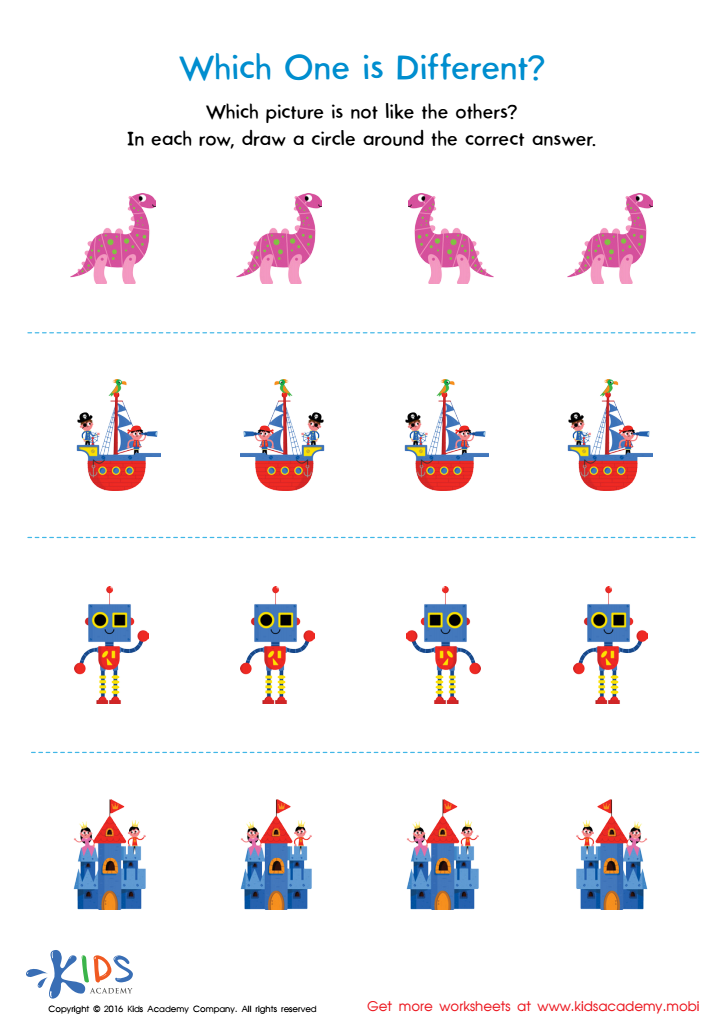
Which One Is Different Worksheet
 Assign to My Students
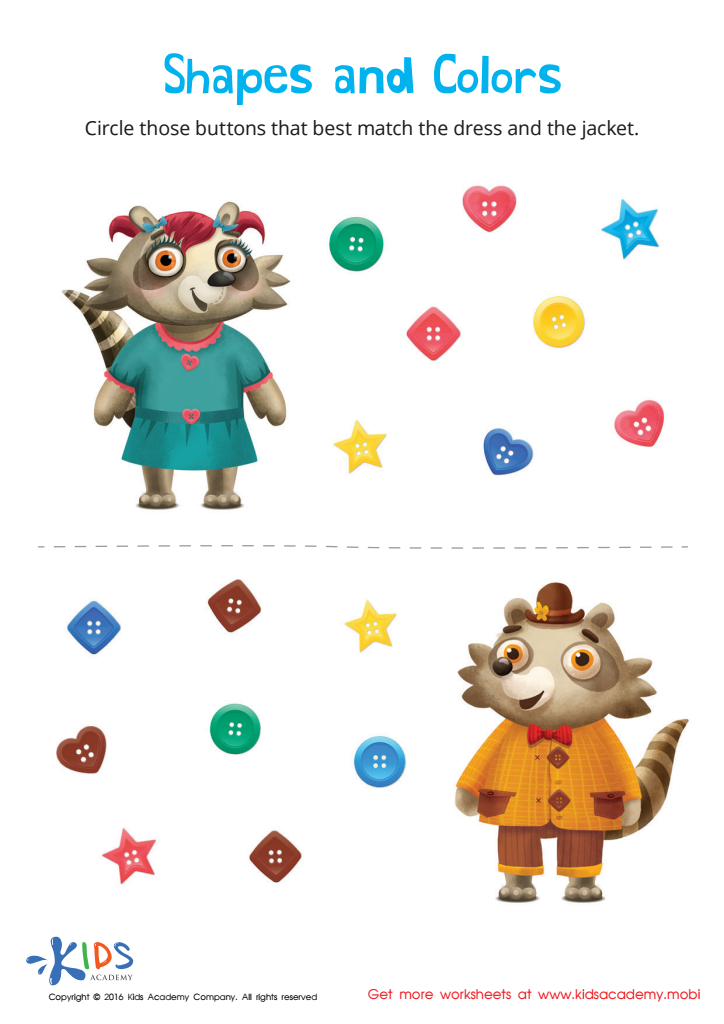
Matching: Shapes and Colors Worksheet
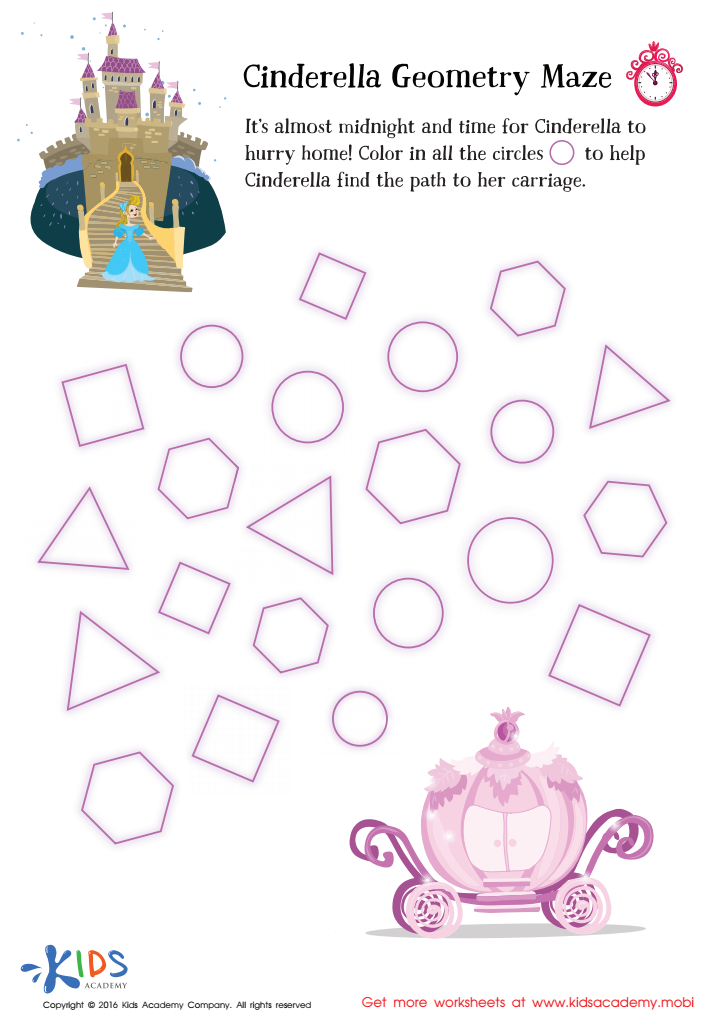
Cinderella Geometry Maze Worksheet
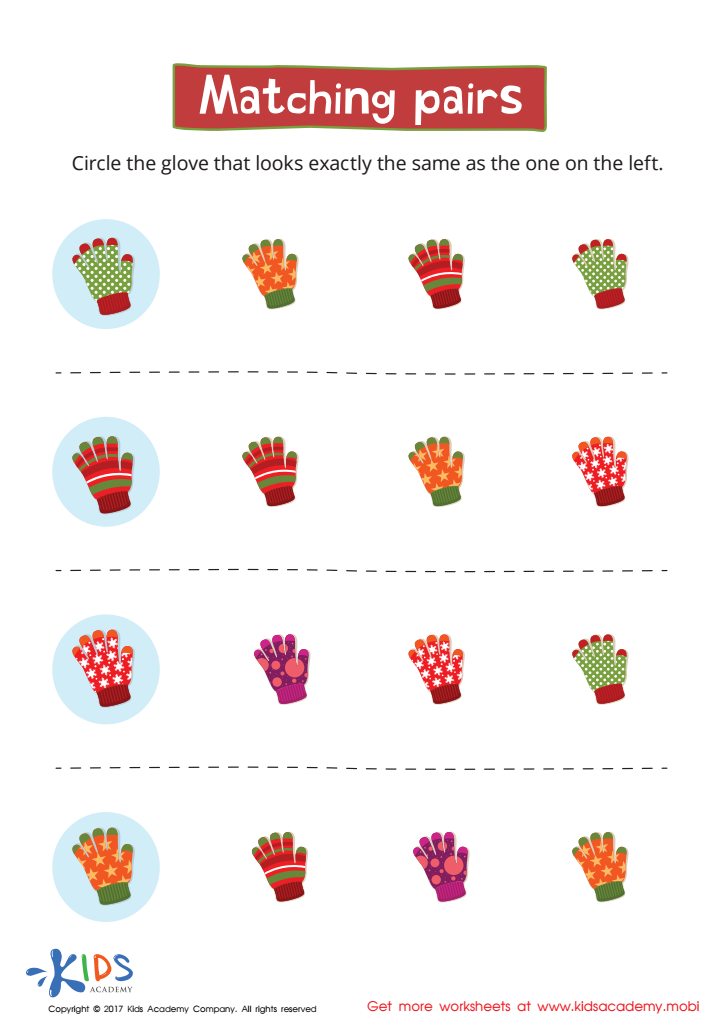
Matching: Matching Pairs Worksheet
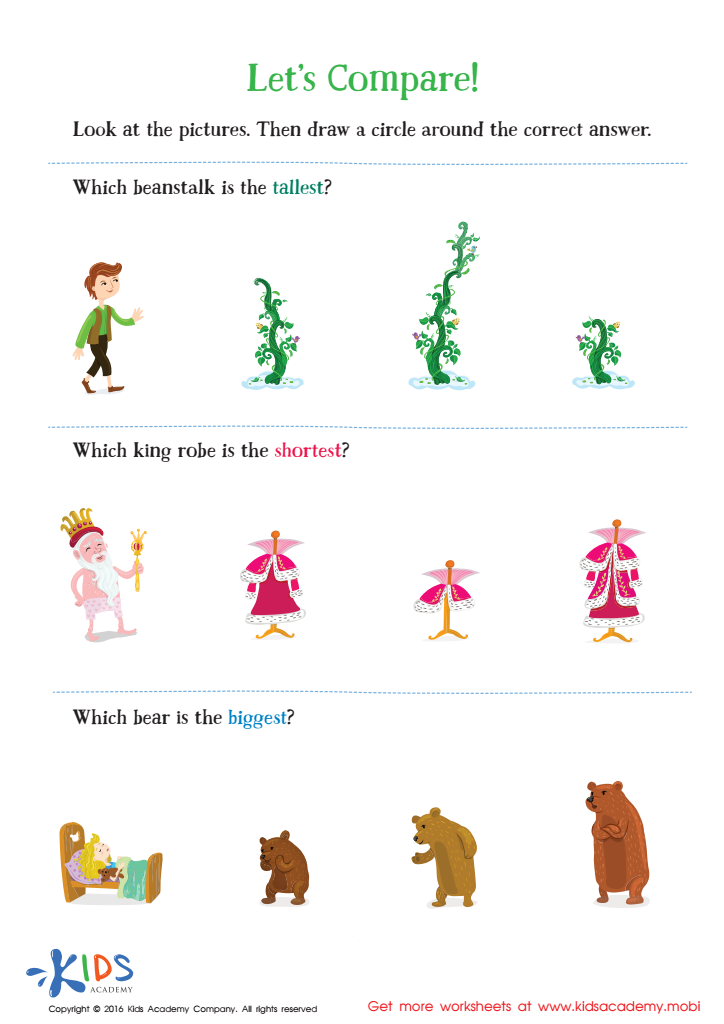
Fairy Tale Worksheet: Let's Compare
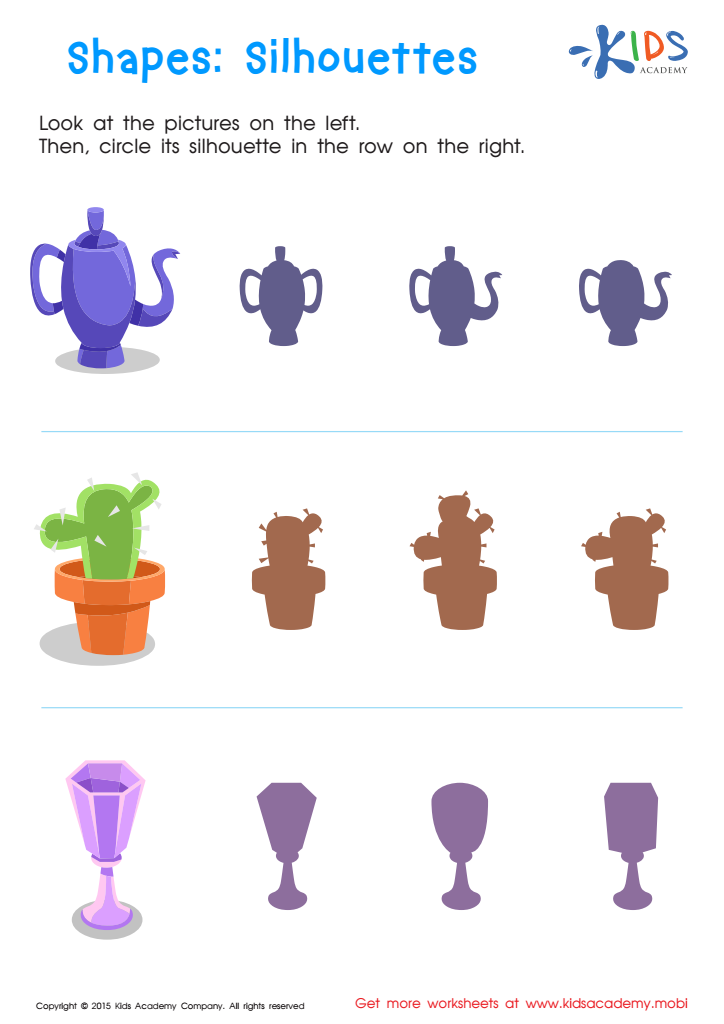
Silhouettes – Shapes Worksheet








Shape recognition is a fundamental skill that lays the groundwork for a child’s cognitive development. Recognizing and matching shapes are essential for enhancing visual discrimination, critical thinking, and problem-solving skills. When children engage in shape recognition activities, they develop the ability to categorize and differentiate between various forms, promoting their analytical skills. This is crucial for early math proficiency, as understanding shapes leads to a smoother introduction to concepts like geometry and measurement in later education.
Furthermore, shape recognition fosters motor skills as children manipulate objects during matching activities. It enhances their hand-eye coordination and fine motor skills, which are vital for writing and daily tasks. Socially, engaging in these activities encourages collaboration and communication among peers, helping children to learn valuable interpersonal skills.
For parents and teachers, prioritizing shape recognition in preschool is imperative because it is an enjoyable and interactive way to support holistic child development. By integrating shape recognition exercises into play and learning, caregivers can create a rich learning environment that encourages curiosity and exploration, building a strong foundation for future learning. This prepares children not only for academic success but also for lifelong learning and critical thinking.