Logical Reasoning Preschool Building Vocabulary Worksheets
4 filtered results
Difficulty Level
Grade
Age
-
From - To
Subject
Activity
Standards
Discover our engaging Logical Reasoning Preschool Building Vocabulary Worksheets, designed to enhance young learners' critical thinking and language skills! These worksheets are perfect for preschoolers, offering a fun way to explore new vocabulary while developing reasoning abilities. Each activity challenges kids to connect words, visualize concepts, and solve problems, laying a strong foundation for literacy. With colorful illustrations and interactive prompts, these resources promote active learning and make vocabulary building an enjoyable experience. Ideal for classroom use or at-home learning, our worksheets support cognitive growth and prepare children for future academic success. Explore our collection and watch your child's vocabulary blossom!
Favorites
With answer key
Interactive
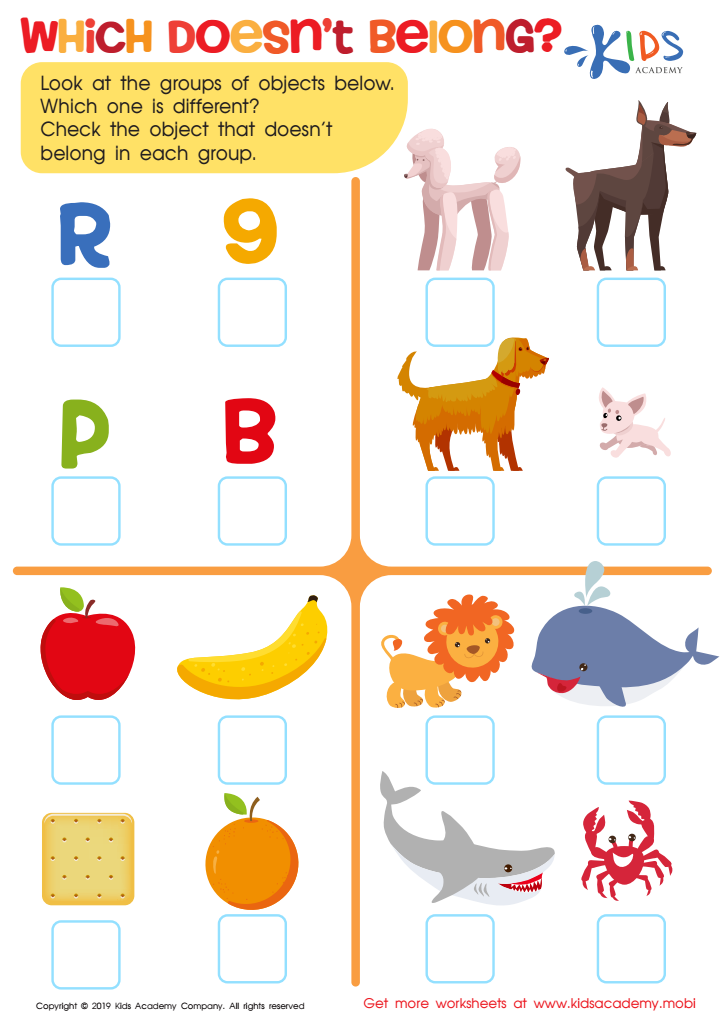
Which Doesn't Belong? Worksheet
This engaging worksheet helps preschoolers recognize similar and different attributes of common words, using brightly-colored pictures. They analyze the items in each category and check off what is different. For extra practice, have them explain their reasoning verbally! Sorting and classifying are important skills to learn.
 Assign to My Students
Which Doesn't Belong? Worksheet
Worksheet
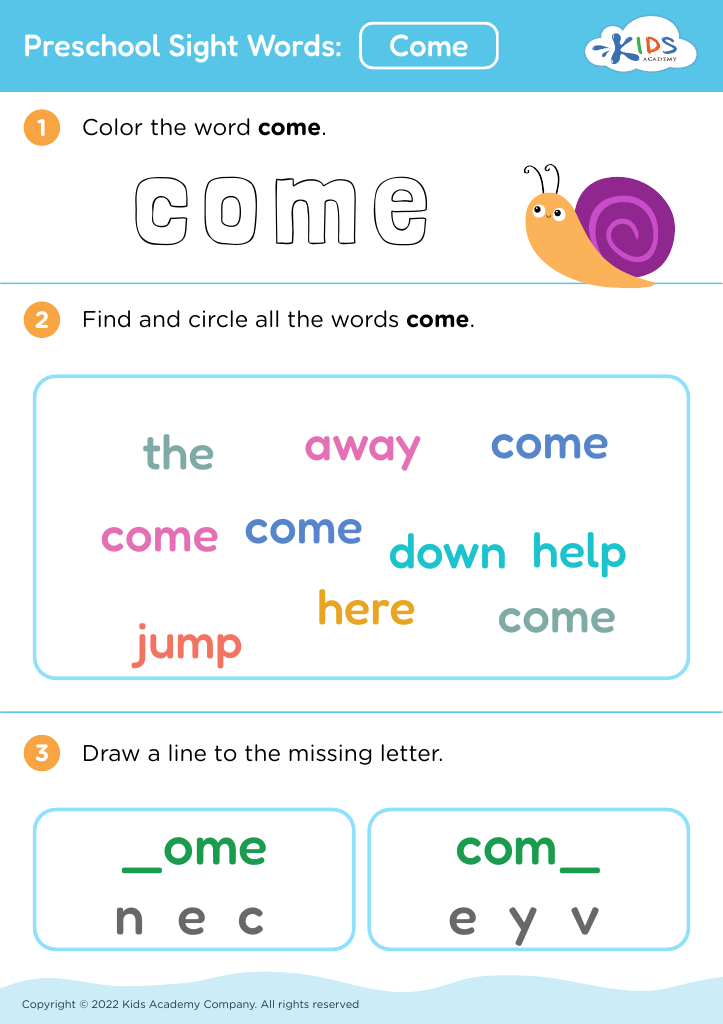
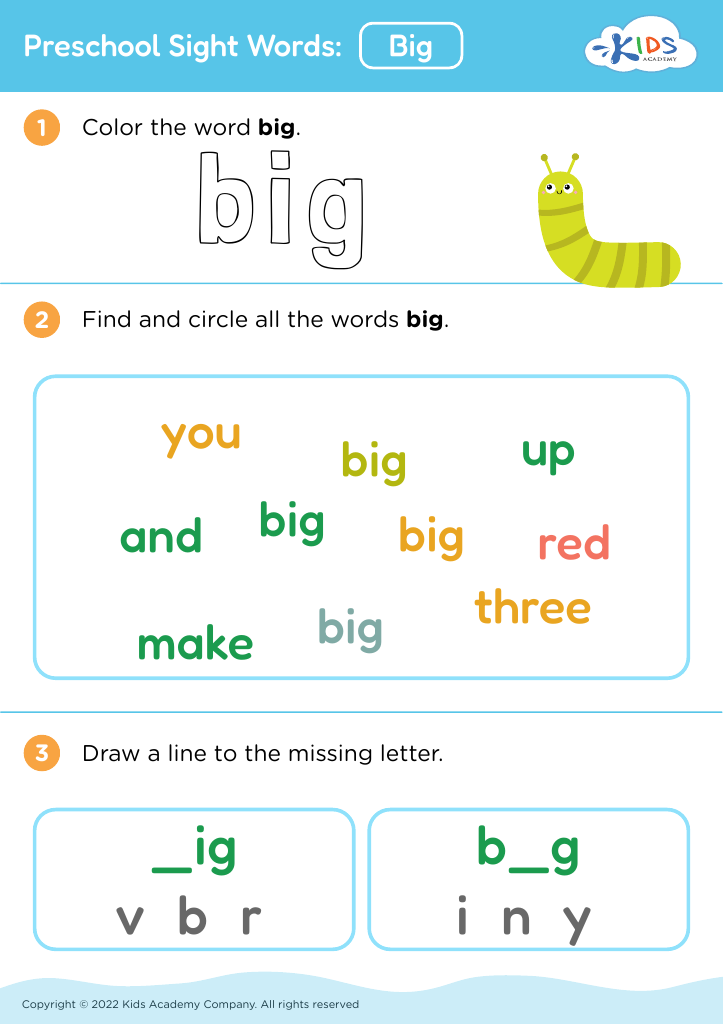
Join Kids Academy for Free
Who is primarily going to use this learning content?







Logical reasoning and vocabulary development are crucial components of early childhood education, laying the groundwork for a child’s academic success and social skills. For parents and teachers, fostering these skills in preschool-aged children is essential for several reasons.
First, logical reasoning promotes critical thinking and problem-solving abilities. Preschoolers learn to recognize patterns, make predictions, and draw conclusions, essential skills that will benefit them in complex subjects like math and science later on. Teachers can enhance this through activities that involve categorizing, sequencing, and comparing items, helping children understand relationships and improve their reasoning skills.
Second, a rich vocabulary is instrumental in a child’s language development. The more words children know, the better they can express their thoughts and emotions. This ability enables effective communication, allowing them to engage in social interactions with peers and adults. When teachers use diverse vocabulary in conversations and read a variety of books, they expose children to new words in context, facilitating comprehension and usage.
Moreover, both logical reasoning and vocabulary are intertwined; strong vocabulary supports reasoning skills, and enhanced reasoning helps with understanding and using language. By prioritizing these areas, parents and teachers set children up for lifelong learning and success.