Fine Motor Skills Preschool Reading Worksheets - Page 2
30 filtered results
-
From - To
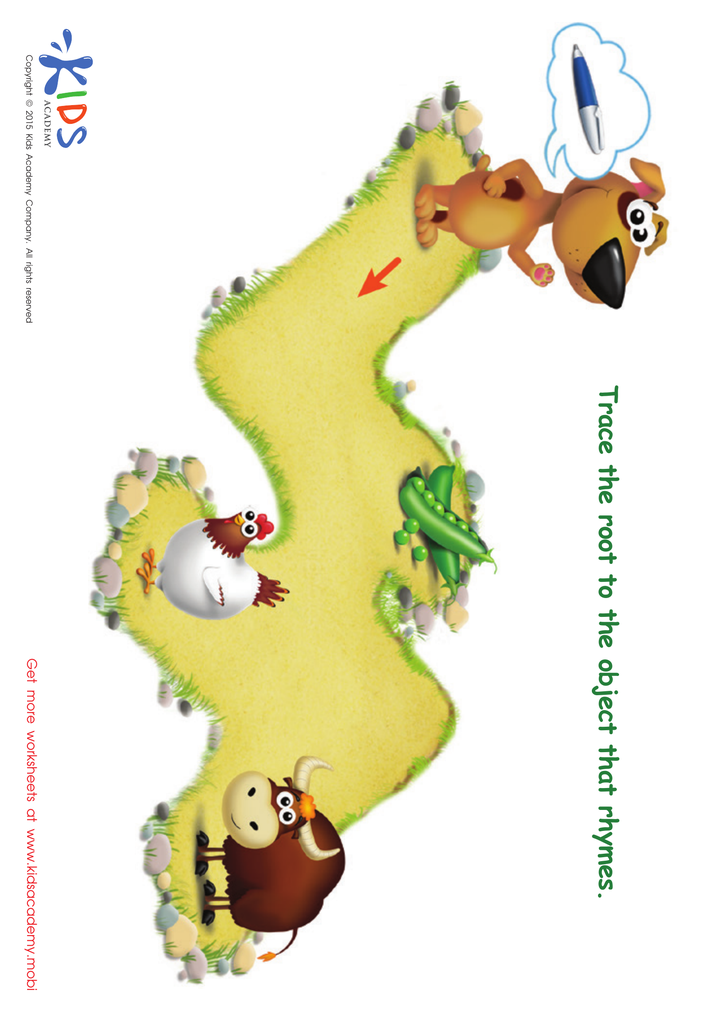
Pen Rhyming Words Worksheet
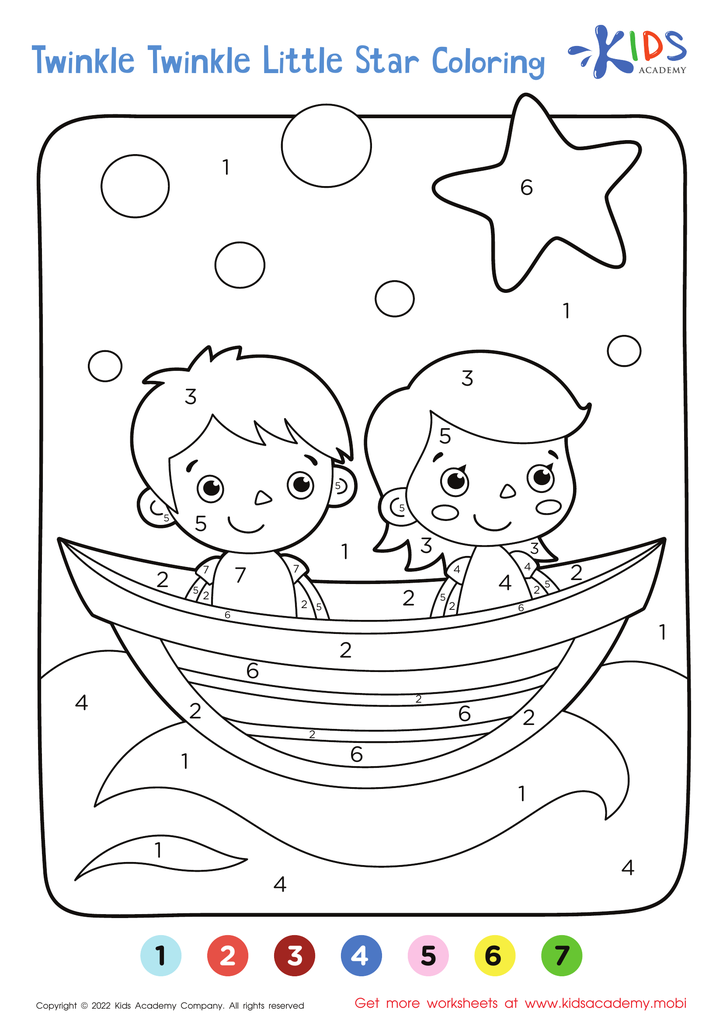
Twinkle, Twinkle, Little Star – Coloring by Numbers
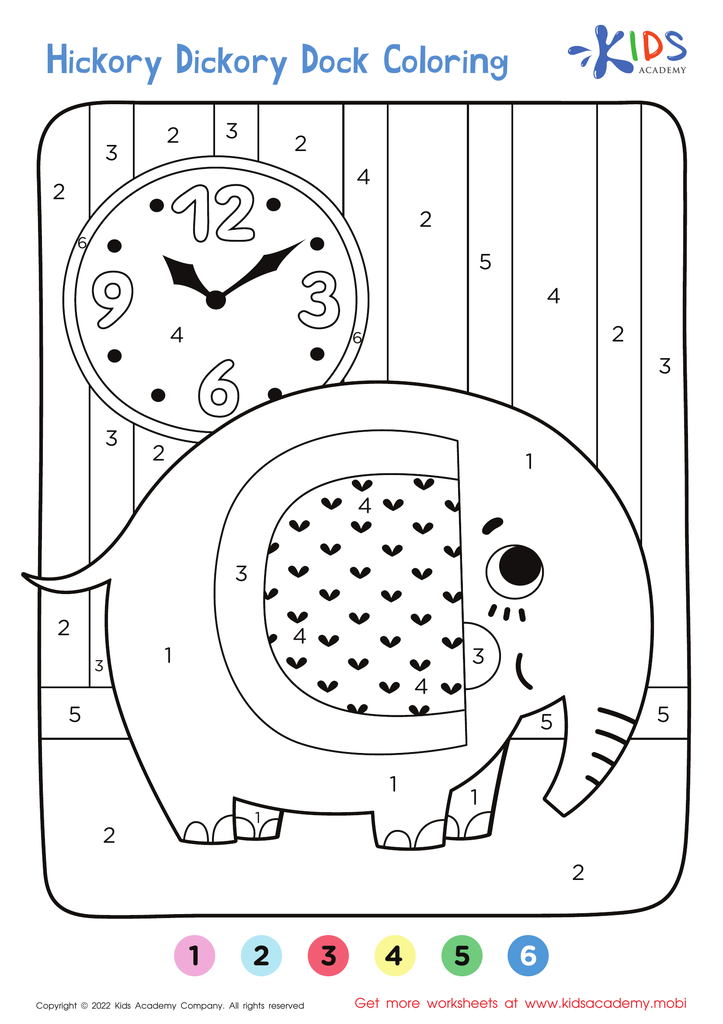
Hickory Dickory Dock – Coloring by Numbers
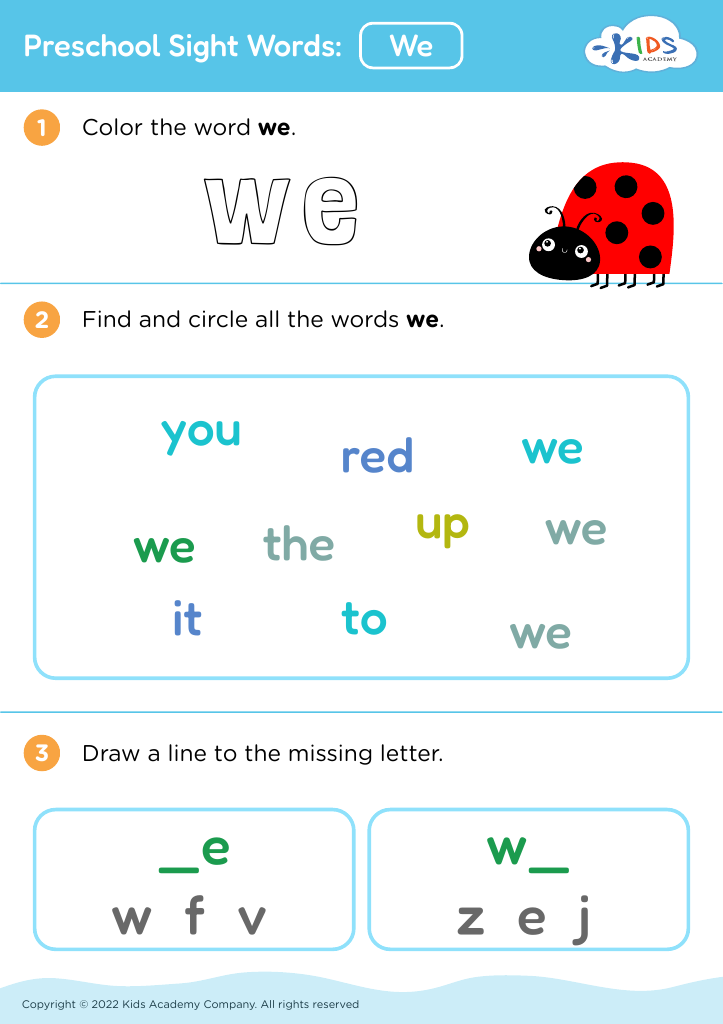
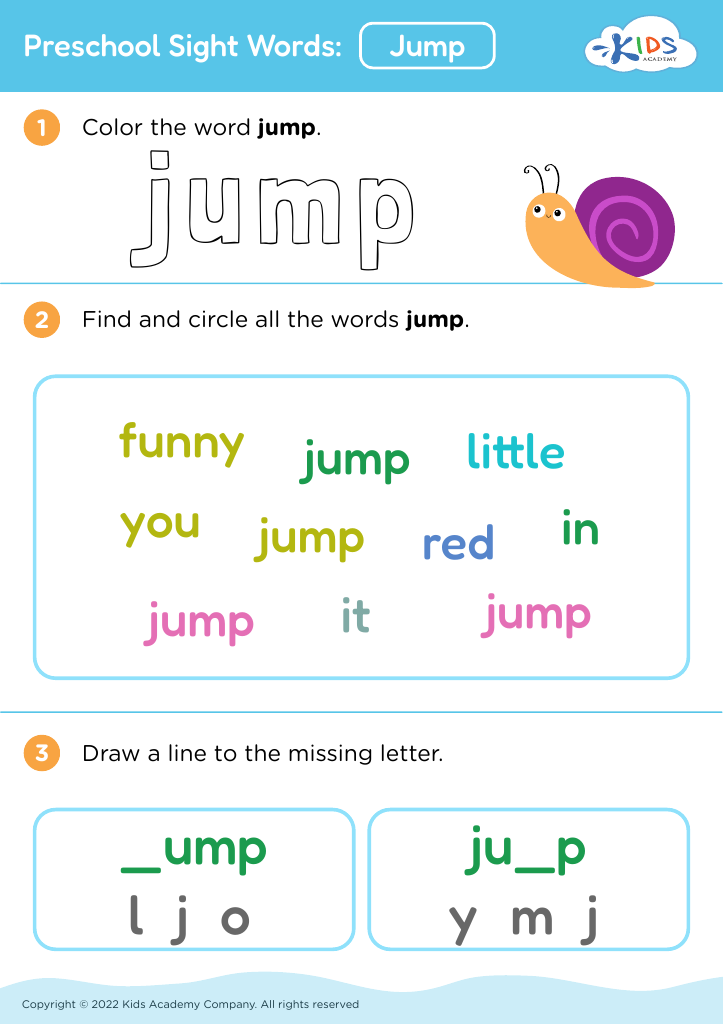
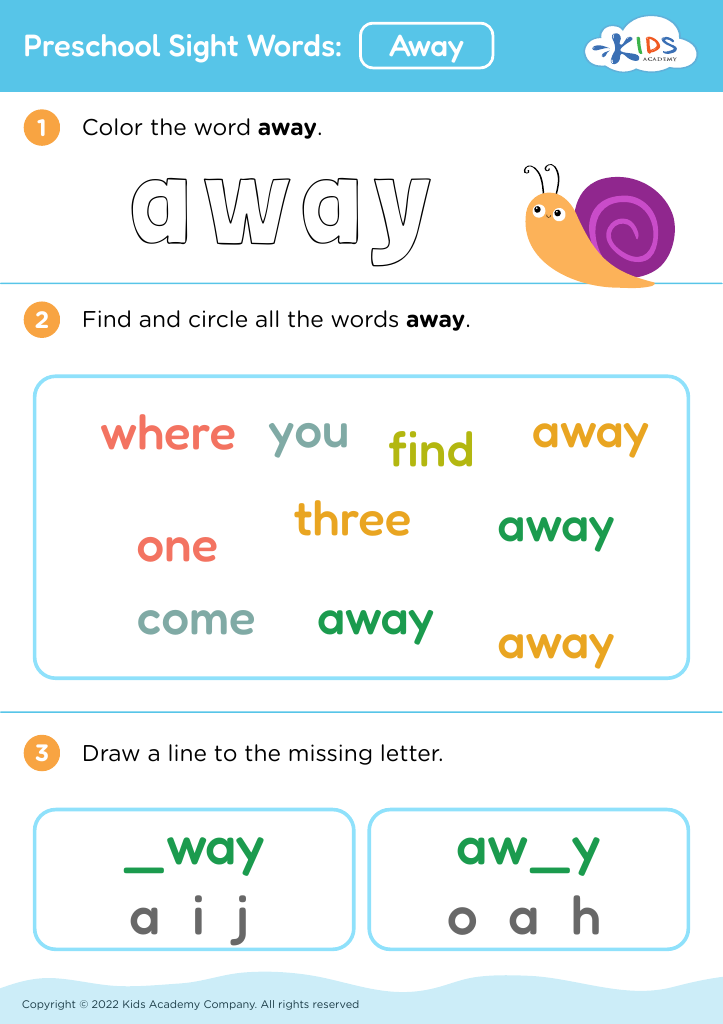








Fine motor skills are essential for preschool children as they form the foundation for reading and writing, impacting their overall academic performance. Parents and teachers should care about these skills because they involve the coordination of small muscles in the hands and fingers, which children need for tasks like holding a pencil, turning pages, and manipulating objects. Developing fine motor skills enhances hand-eye coordination and builds the dexterity required for writing letters and numbers accurately, an essential component of literacy.
Moreover, fine motor proficiency supports cognitive development. Activities aimed at improving these skills, such as cutting with scissors, drawing, and constructing with blocks, also bolster problem-solving abilities, spatial awareness, and memory, which are crucial for reading comprehension and other learning outcomes. Encouraging these activities can make reading more enjoyable and less frustrating for young learners, fostering a positive attitude towards learning and school.
Additionally, strong fine motor skills help boost a child’s confidence. Success in simple tasks leads to a sense of achievement and autonomy, which is equally important for emotional and social development. Recognizing the integral role fine motor skills play in early literacy can motivate parents and teachers to provide appropriate support, tools, and opportunities to practice, ensuring a smoother academic journey for children.