
Basic arithmetic practice Building Vocabulary Worksheets
4 filtered results
Difficulty Level
Grade
Age
-
From - To
Subject
Activity
Standards
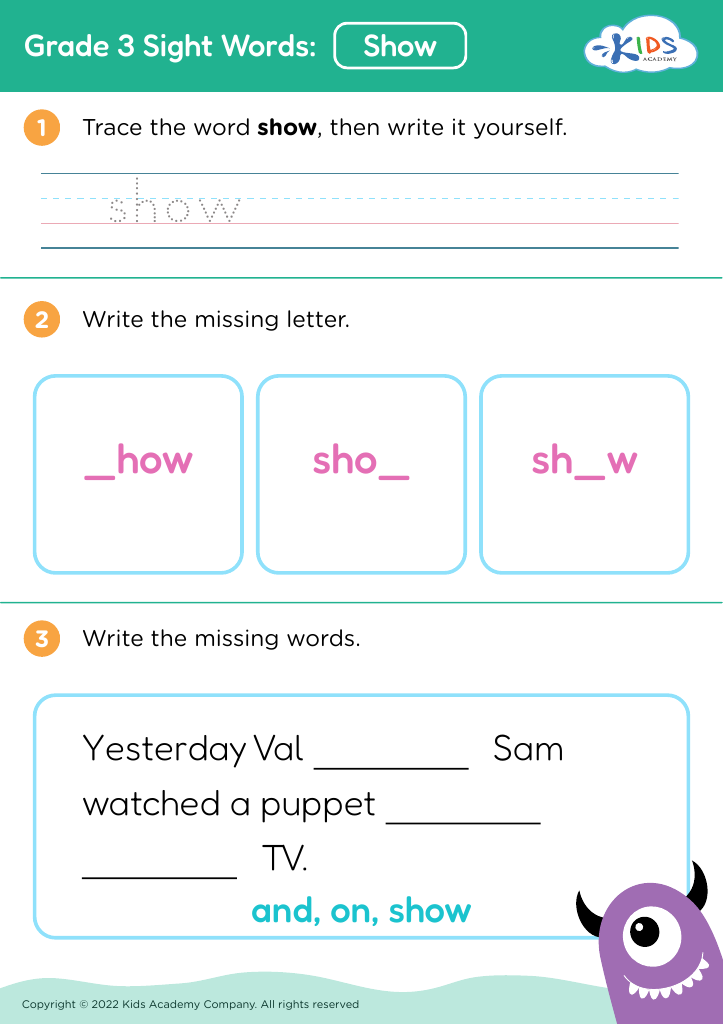
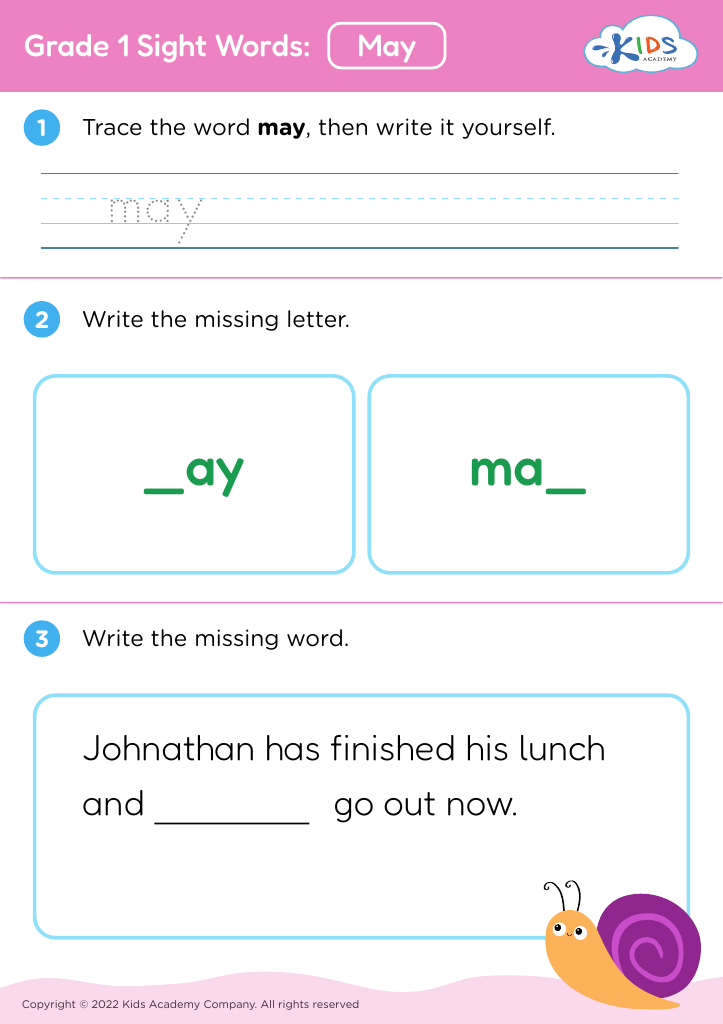
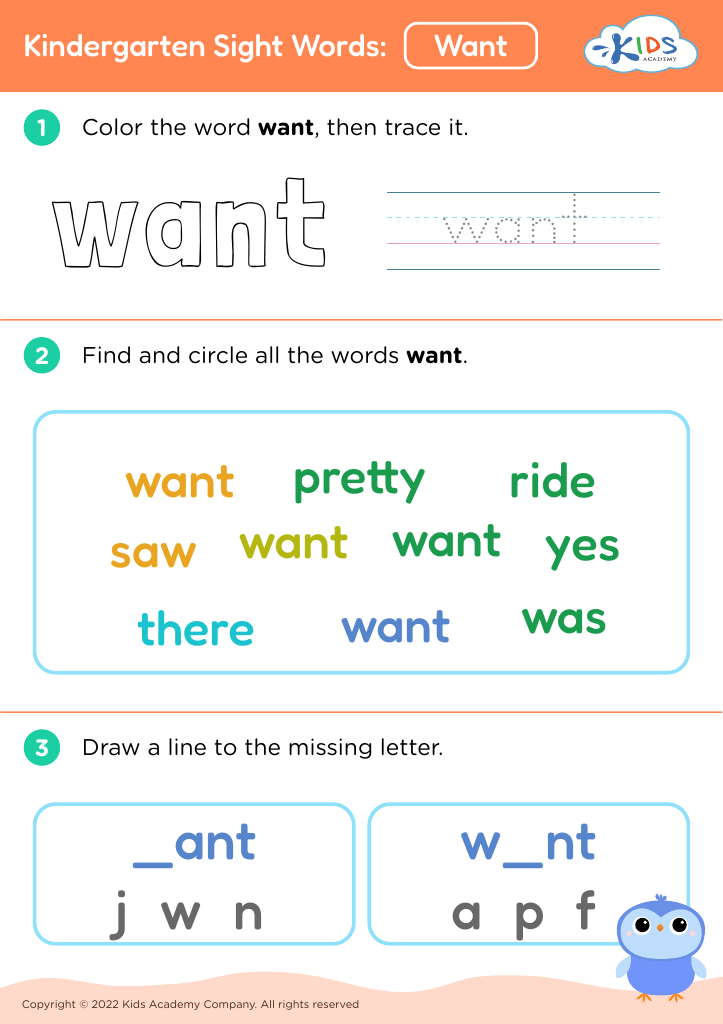
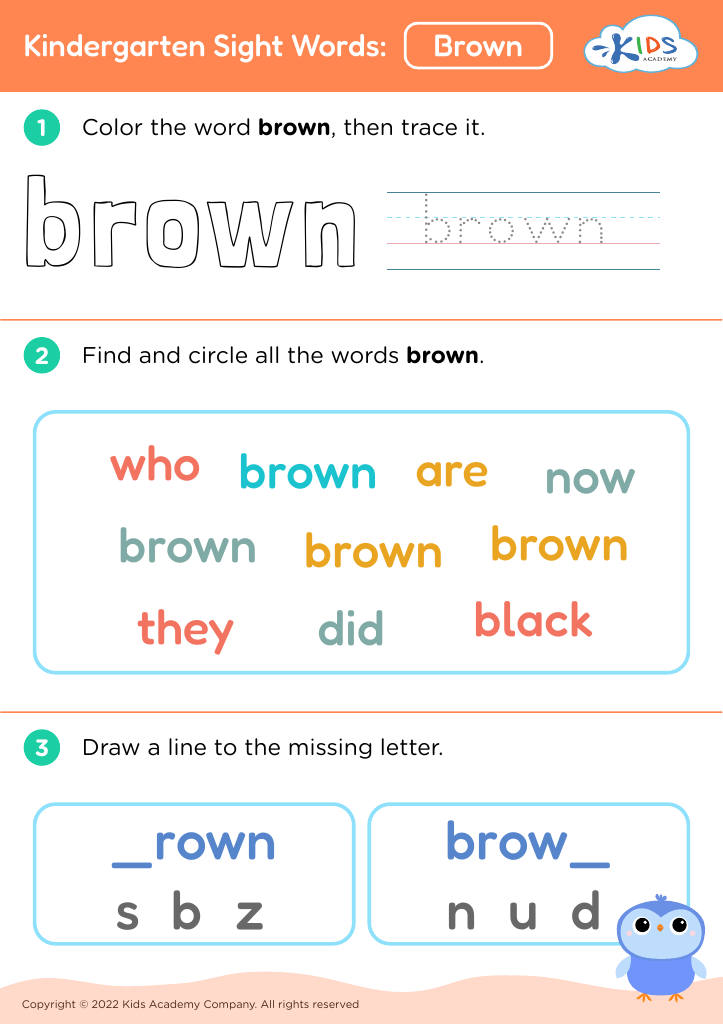
Discover our "Basic Arithmetic Practice Building Vocabulary Worksheets" designed to enhance your child's math skills while enriching their vocabulary. These interactive worksheets integrate essential arithmetic concepts with language development, making learning fun and engaging. Each worksheet focuses on fundamental operations such as addition and subtraction, paired with vocabulary-building exercises to strengthen comprehension. Ideal for early learners, these resources foster a love for math and literacy, creating a solid foundation for future academic success. Download and print the worksheets to provide your child with endless opportunities to practice and improve in a supportive educational environment. Watch them grow confident in both numbers and words!
Favorites
With answer key
Interactive











Join Kids Academy for Free
Who is primarily going to use this learning content?








Basic arithmetic practice and vocabulary-building are crucial components of early education that significantly impact a child's development. Parents and teachers should care about these areas because they form the foundation for a child's future academic success.
Arithmetic skills enable children to understand fundamental mathematical concepts, which are essential for more advanced learning in fields like science, technology, engineering, and math (STEM). Practicing basic arithmetic enhances children's problem-solving abilities and promotes logical thinking, preparing them for real-life scenarios such as budgeting or handling measurements.
Meanwhile, building vocabulary is equally vital. A rich vocabulary enhances a child's ability to communicate effectively and comprehend more complex texts as they progress in their education. By engaging students in activities that involve both vocabulary and arithmetic, they can better understand word problems and mathematical instruction, bridging gaps between these two fundamental subjects.
Furthermore, strong skills in both areas contribute to improved self-confidence and autonomy in learning. By nurturing these skills early on, parents and teachers equip children with the tools they need to succeed academically and beyond, fostering a lifelong love for learning and inquiry. Engaging in regular practices in these domains not only helps achieve proficiency but also instills a sense of achievement and positivity towards education.








