
Develop critical thinking Building Vocabulary Worksheets
4 filtered results
Difficulty Level
Grade
Age
-
From - To
Subject
Activity
Standards
Enhance your child's literacy journey with our "Develop Critical Thinking Building Vocabulary Worksheets." Designed for early grade learners, these worksheets provide a fun and engaging way to build vocabulary while nurturing essential critical thinking skills. Each worksheet encourages students to analyze, interpret, and apply the words they learn within various contexts. Through interactive tasks, children will improve their comprehension and reasoning abilities, paving the way for successful communication. Access these printable worksheets today to foster a love for language and empower your child with the skills they need to thrive in every learning environment! ideal for classroom or home use.
Favorites
With answer key
Interactive
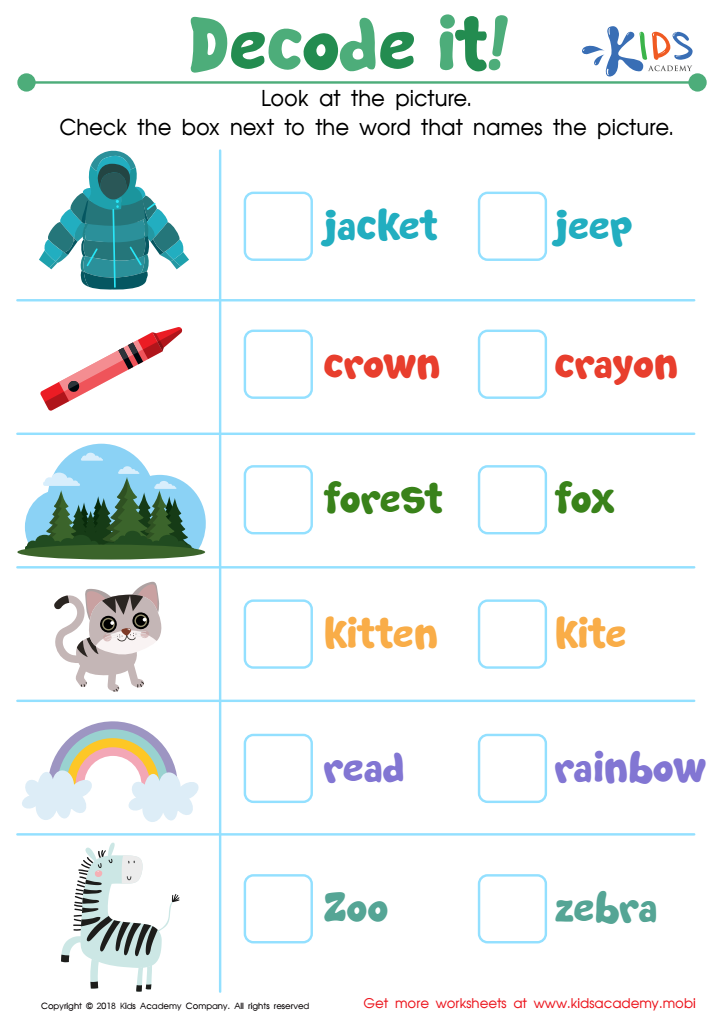
Reading: Decode It Worksheet
Look at the picture and circle the word that names it. This exercise helps kids practice picture cues and decoding words, with the same beginning sound. It builds their fluency and comprehension, giving them the skills to read unfamiliar words.
 Assign to My Students
Reading: Decode It Worksheet
Worksheet











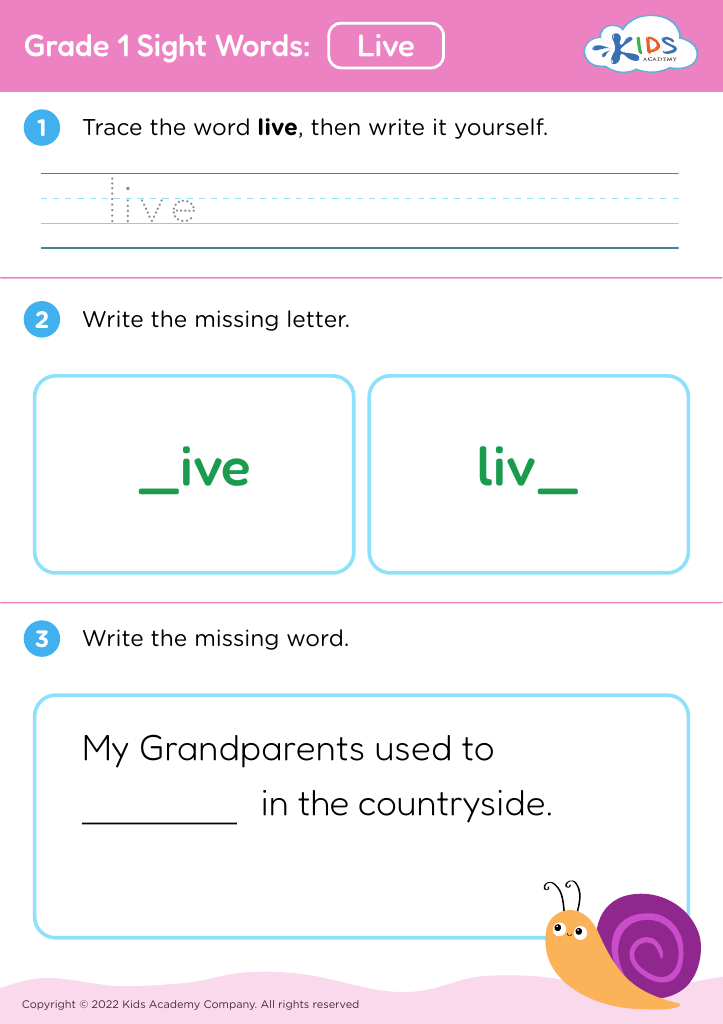
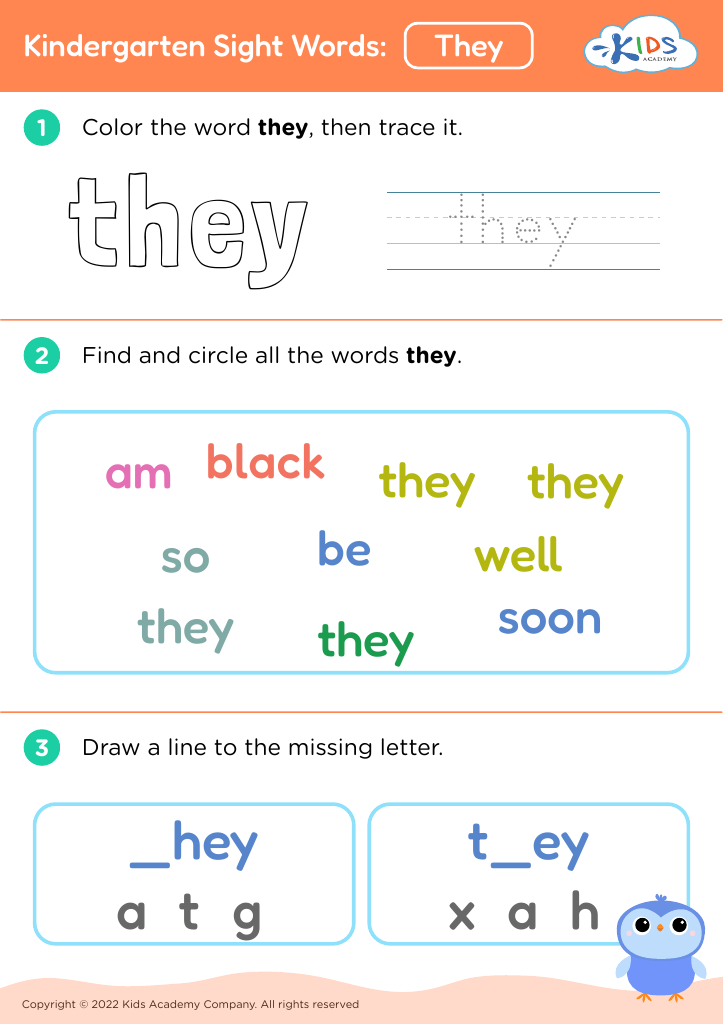
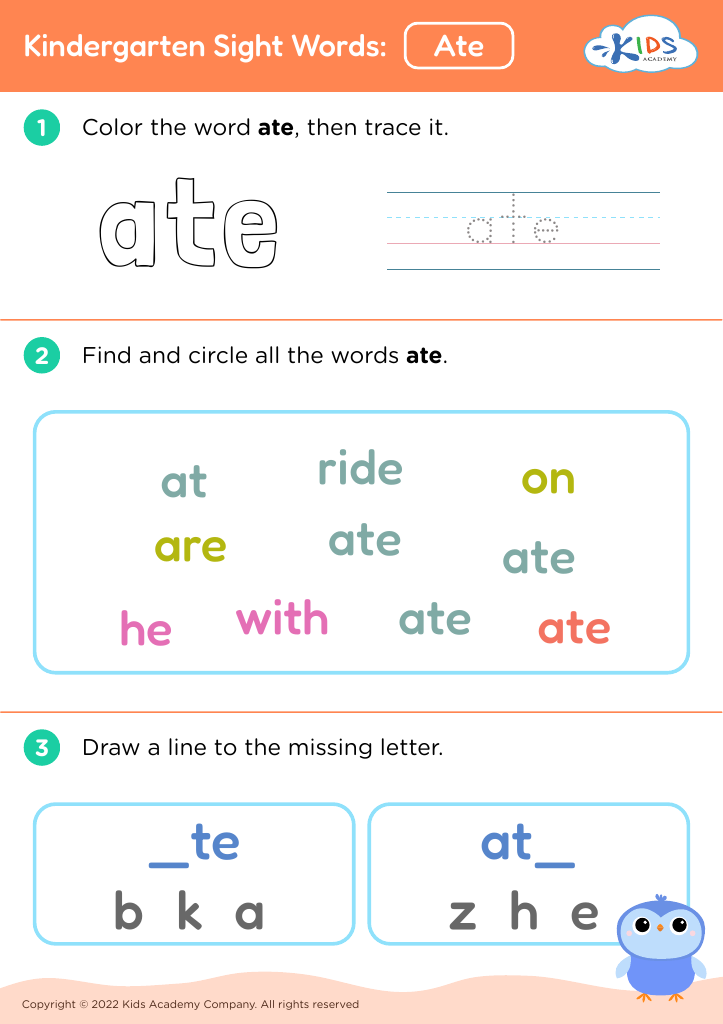
Join Kids Academy for Free
Who is primarily going to use this learning content?






.jpg)

Building vocabulary and developing critical thinking skills are essential for children's growth, particularly in early education. First, vocabulary is foundational for effective communication. A rich vocabulary allows children to express their thoughts clearly and understand others, which enhances their social interactions and emotional intelligence. When children can articulate their ideas, they are more likely to engage in classroom discussions and perform better academically.
Meanwhile, critical thinking empowers children to analyze, evaluate, and synthesize information. In a world overwhelmed by data, the ability to think critically enables students to navigate challenges and make informed decisions. This skill encourages curiosity and fosters a mindset of inquiry, leading children to ask questions, seek solutions, and understand different perspectives.
Parents and teachers play a crucial role in nurturing these skills. By encouraging rich conversations, reading diverse literature, and presenting problem-solving tasks, adults can inspire children to explore vocabulary and think critically. This combination not only prepares them for academic success but also equips them to be thoughtful, informed individuals in a complex society. Supporting these skills is an investment in a child’s future, promoting lifelong learning and adaptability in an ever-changing world.








