Fine Motor Skills Building Vocabulary Worksheets - Page 2
25 filtered results
-
From - To
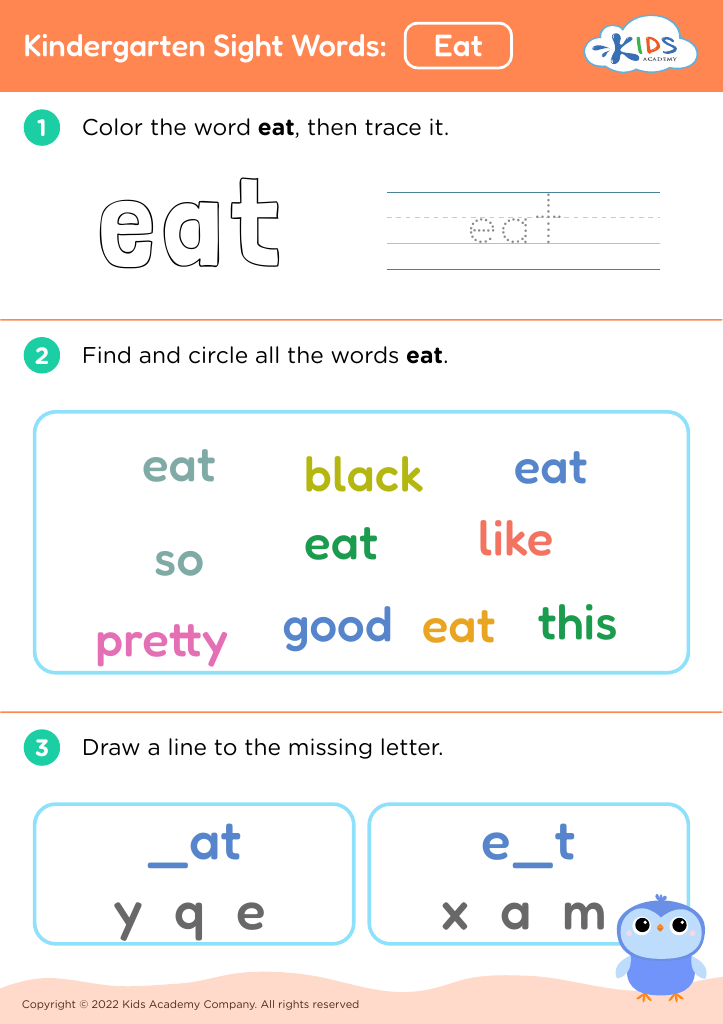















.jpg)
.jpg)


Fine motor skills are essential for young children's overall development, influencing their physical, cognitive, and emotional growth. Teachers and parents should prioritize building fine motor skills as they directly affect a child's ability to perform everyday tasks, such as writing, buttoning clothes, and eventually more complex activities like using scissors or engaging in art projects. These skills are foundational for academic success since they enhance handwriting, drawing, and the capacity to manipulate classroom materials.
Moreover, fine motor development correlates with language and vocabulary building. As children engage in activities that require fine motor coordination, such as threading beads or playing with playdough, they often describe their actions and experiences. This hands-on engagement encourages children to articulate thoughts, ask questions, and expand their vocabulary.
When adults support fine motor skill development—through activities like crafting, puzzles, or sensory play—they're not only fostering physical dexterity but also nurturing language skills. This simultaneously prepares children for classroom environments where effective communication is essential. Therefore, both parents and teachers play a critical role in promoting fine motor skill development, which ultimately helps refine children's language abilities and enrich their educational experiences.








