Language skills development Building Vocabulary Worksheets
3 filtered results
-
From - To
Our "Language Skills Development Building Vocabulary Worksheets" are expertly designed to foster vocabulary growth in early learners. These engaging, colorful worksheets help children expand their word knowledge through fun activities, improving both reading and writing skills. Each worksheet focuses on different aspects of vocabulary acquisition, including sight words, word families, and context clues. With captivating themes and kid-friendly illustrations, our resources make learning enjoyable and effective. Perfect for use at home or in the classroom, they provide essential practice to boost language development and prepare students for reading success. Unlock the power of words with Kids Academy's comprehensive and interactive vocabulary worksheets.
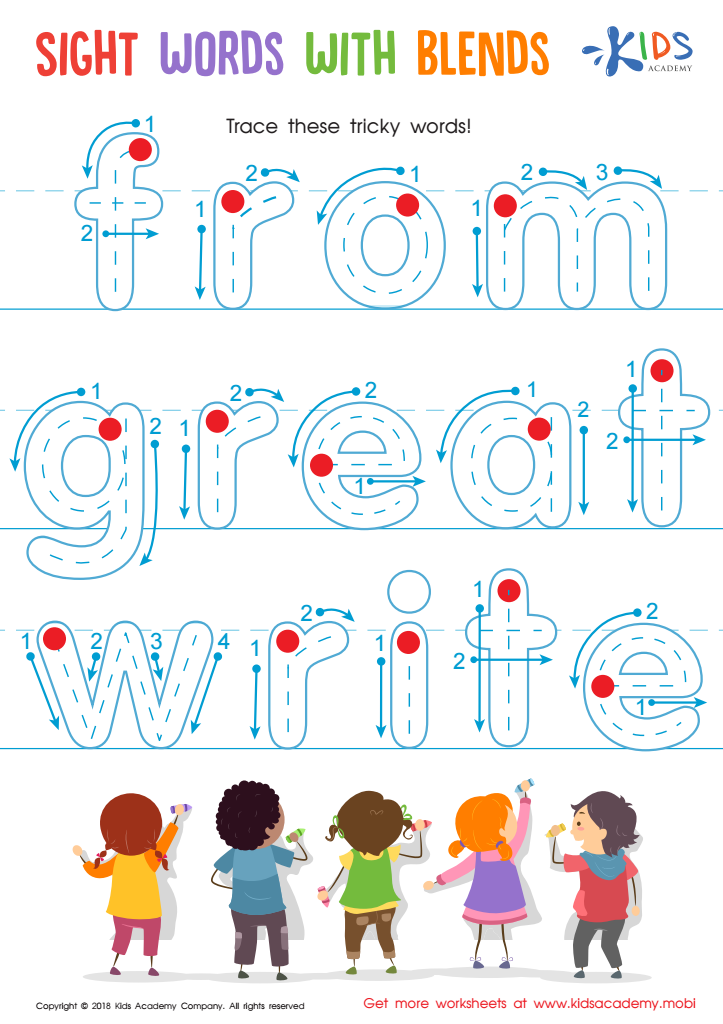
Sight Words with Blends Worksheet
 Assign to My Students











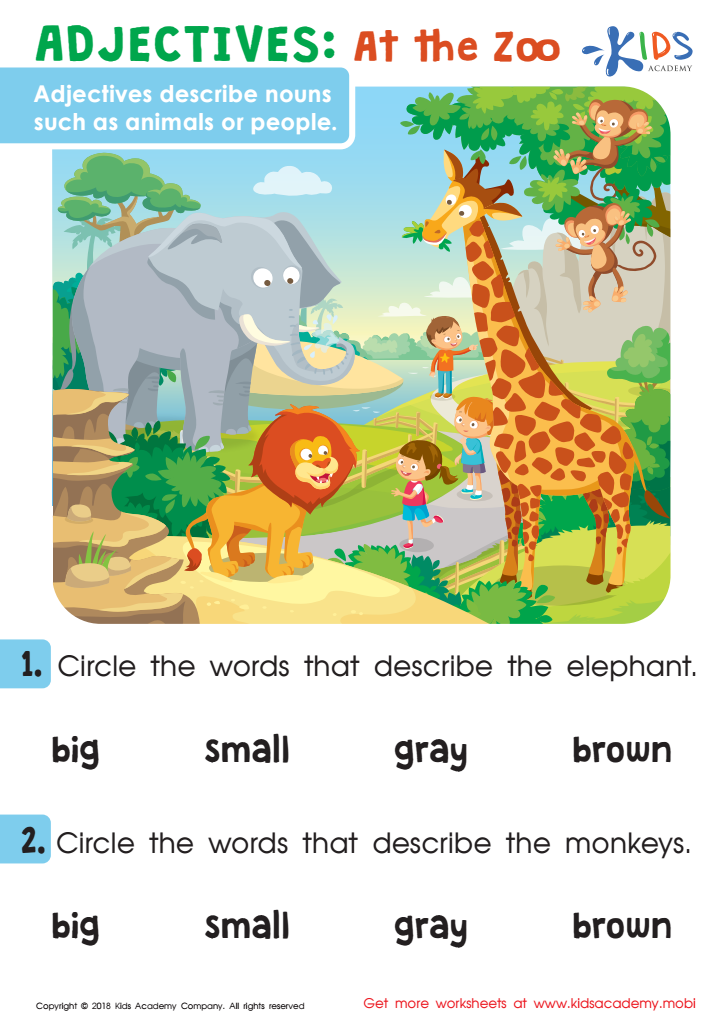
Adjectives: At The Zoo Worksheet
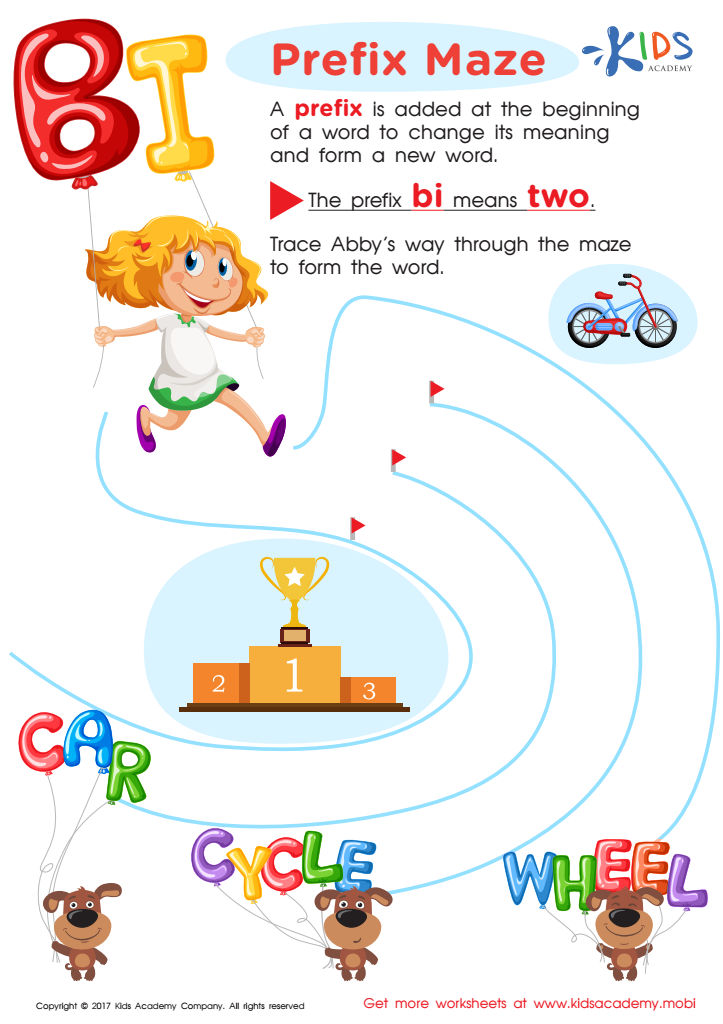
Prefix Bi Words Worksheet








Language skills development is fundamental to a child's academic success and overall cognitive growth. Crucially, building vocabulary forms the cornerstone of effective communication, literacy, and comprehension. For parents and teachers, investing in this aspect of a child's education is invaluable.
An extensive vocabulary enhances a child's ability to express thoughts clearly and understand others more effectively. It lays the foundation for reading comprehension; children with robust vocabularies can more easily decode unfamiliar words and grasp complex texts. This proficiency not only fosters a love for reading but also translates across all subjects, enabling better academic performance.
Furthermore, vocabulary building plays a significant role in social development. Children who can articulate their needs, feelings, and ideas are more likely to form strong peer relationships and experience less frustration in social interactions. This emotional intelligence is crucial for developing empathy and problem-solving skills.
Early vocabulary skills are also predictive of future academic and professional success. Studies show that children with a rich vocabulary are more likely to excel in school, pursue higher education, and attain gainful employment in adulthood. Therefore, parents and teachers should prioritize vocabulary development to equip children with the essential tools they need for lifelong success and effective communication.








