Number identification Building Vocabulary Worksheets
5 filtered results
-
From - To
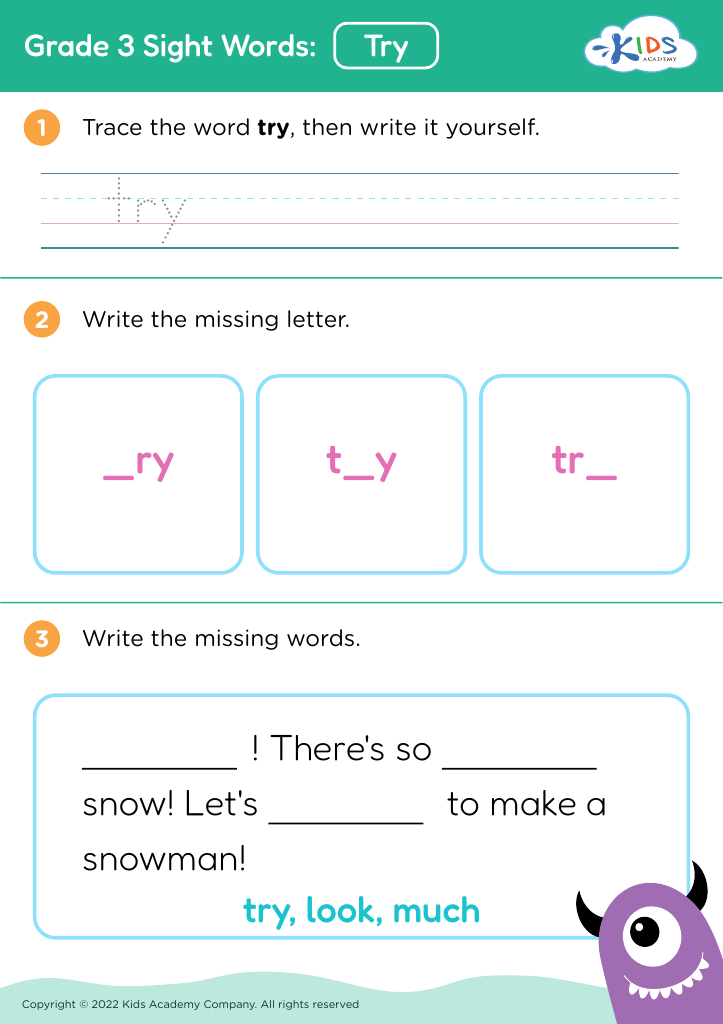
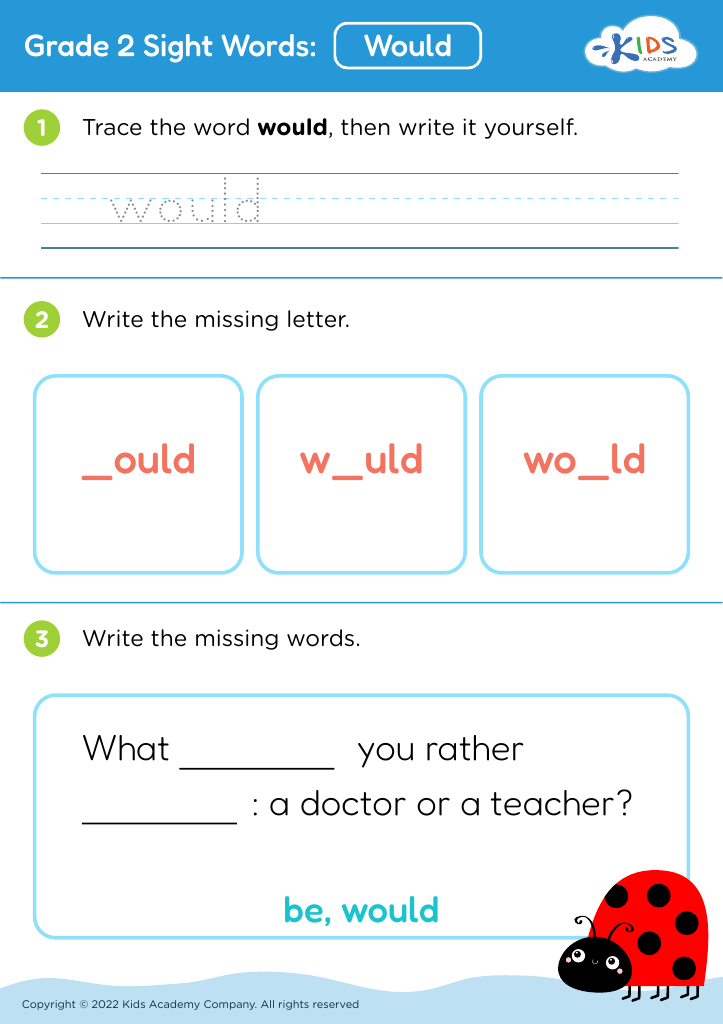
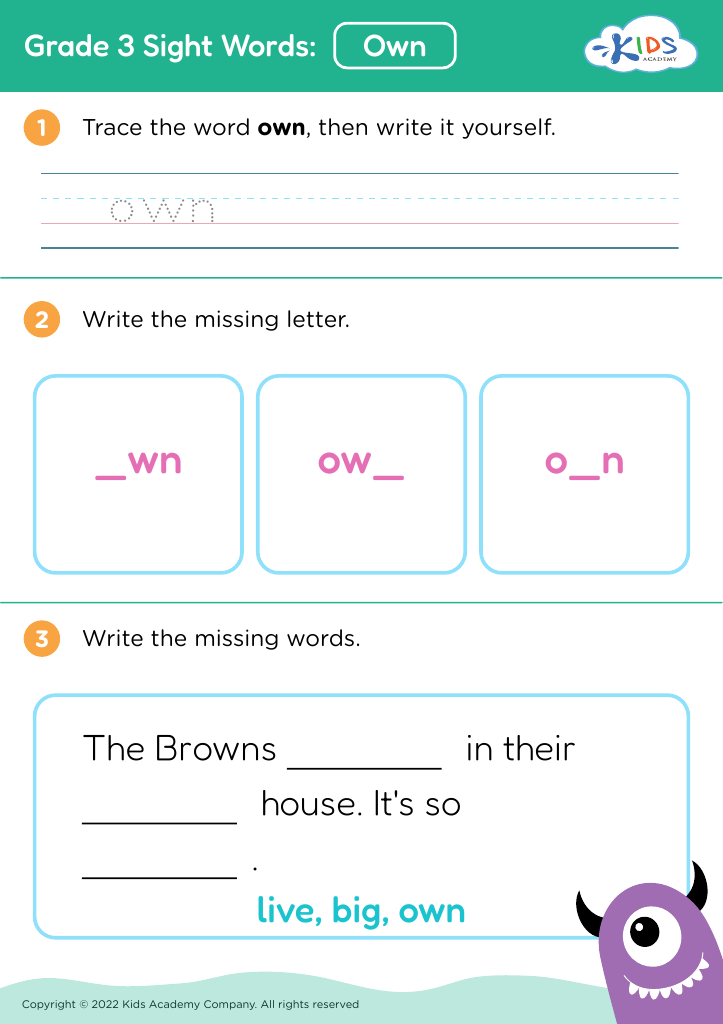
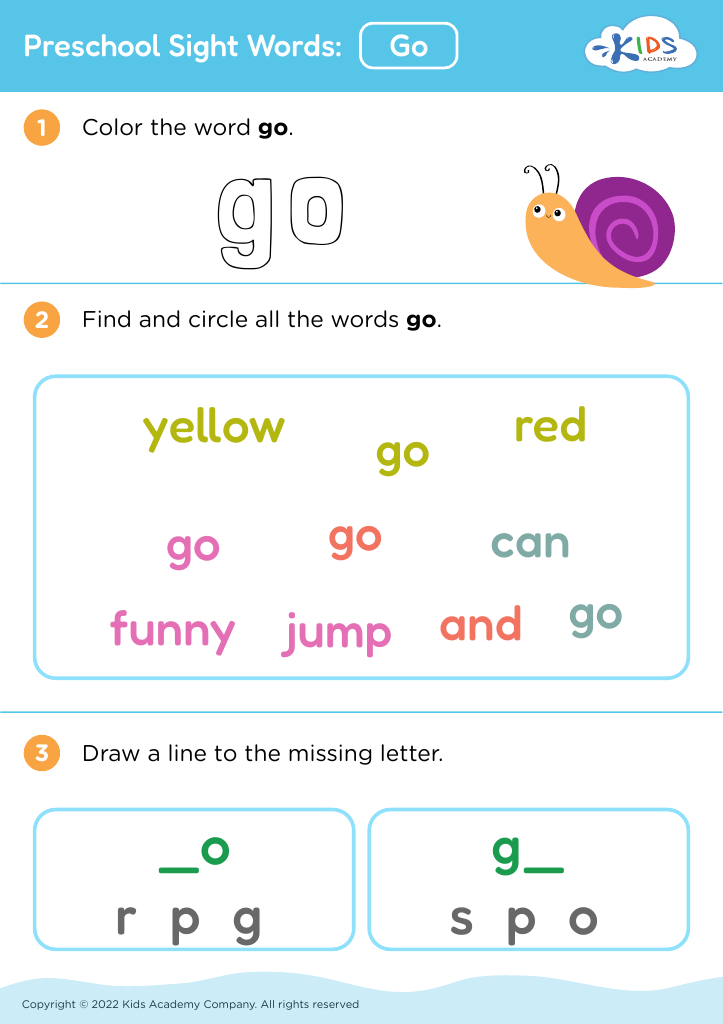
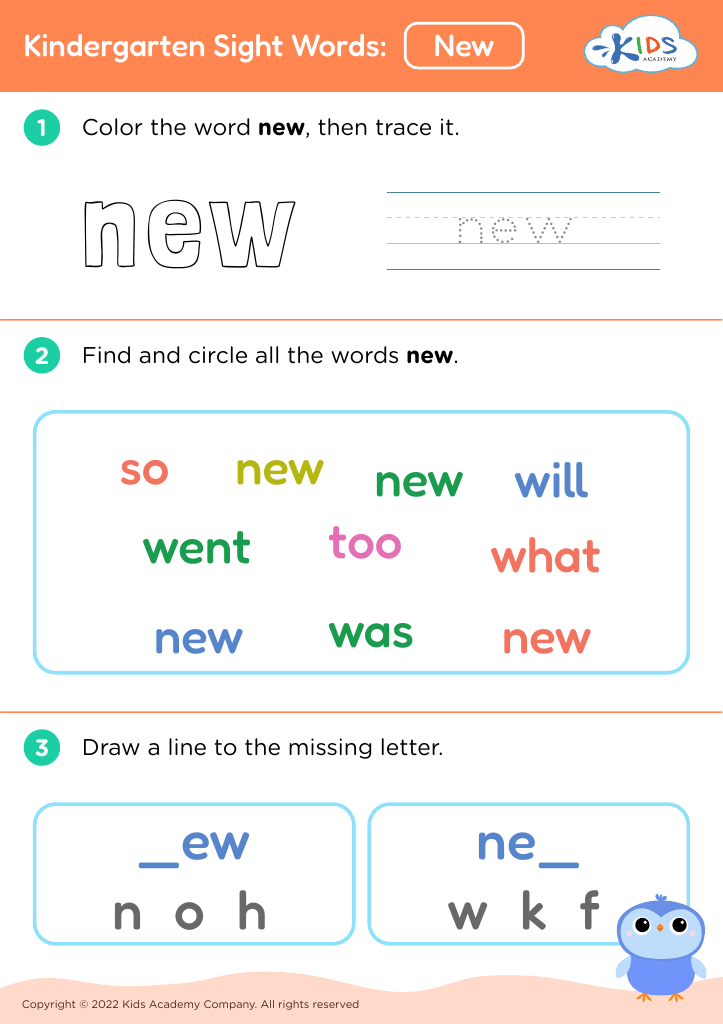
Enhance your child's numerical skills with our engaging Number Identification Building Vocabulary Worksheets! Designed for early learners, these worksheets provide fun activities that help children recognize and write numbers. Each worksheet focuses on vocabulary development tied to number identification, making math learning interactive and effective. Students will connect numbers with real-life objects, fostering both numerical comprehension and vocabulary growth. Perfect for classrooms or home practice, our worksheets cater to various learning styles and encourage independent exploration. Help your child build a strong foundation in math and language with our well-crafted, colorful resources designed to inspire a love for learning!
















.jpg)
.jpg)

Number identification and vocabulary building are essential components of early education that significantly enhance children's cognitive and academic development. For parents and teachers, fostering these skills is crucial for several reasons.
Firstly, number identification lays the foundation for future math skills. Understanding numbers allows children to engage in basic operations like addition and subtraction, which are vital as they progress in their education. It also helps them develop problem-solving skills and logical reasoning, important traits for academic success.
On the other hand, building vocabulary is fundamental for effective communication and comprehension. A rich vocabulary enables children to express themselves clearly, understand instructions, and engage in conversations, fostering both social and academic relationships. As they're introduced to new words, children also build their reading skills, which directly correlate with overall literacy and learning outcomes.
Additionally, these skills seamlessly intertwine in the classroom. For instance, when children engage in activities that combine mathematical concepts and language—like using descriptive words to solve word problems—they gain a dual advantage in their learning journey.
Ultimately, prioritizing number identification and vocabulary building creates a strong educational foundation, empowering children to succeed both in school and beyond.








