Practice addition Building Vocabulary Worksheets
3 filtered results
-
From - To
Enhance your child’s learning experience with our "Practice Addition Building Vocabulary Worksheets." These engaging worksheets are designed to help young learners develop both their math skills and vocabulary. Combining fun exercises with essential addition problems, students can practice adding numbers while simultaneously learning new words related to math and everyday situations. Our user-friendly format ensures children can navigate the worksheets easily, boosting their confidence and independent learning. Perfect for classroom use or at-home practice, these resources are tailored to preschool and early grade students. Begin enriching your child's educational journey today with our exciting, interactive learning tools!
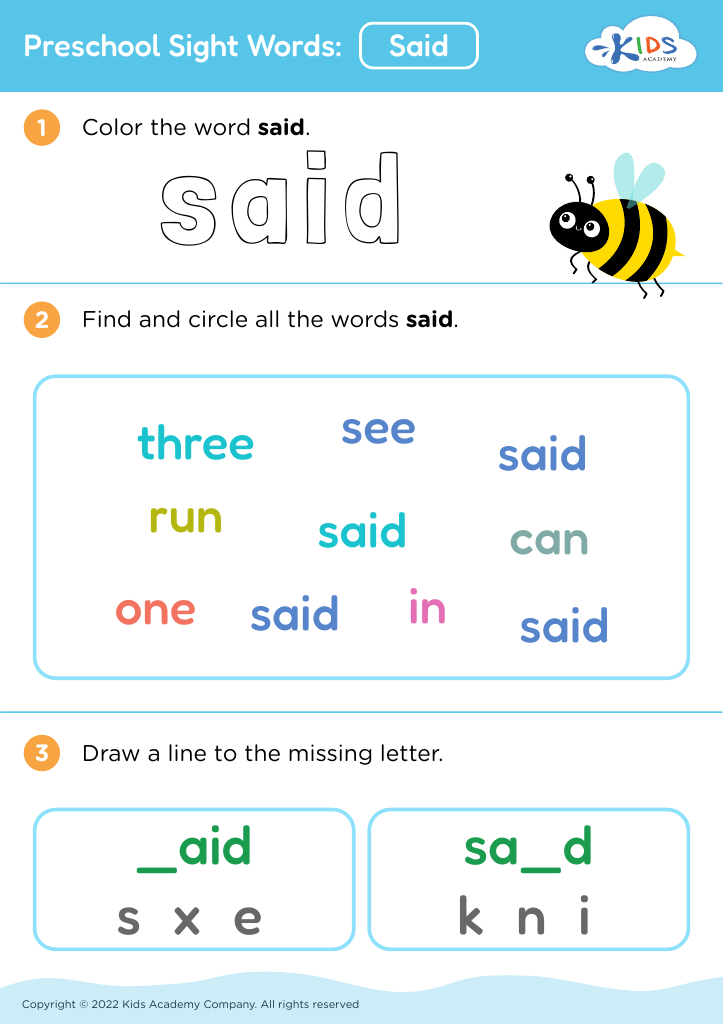











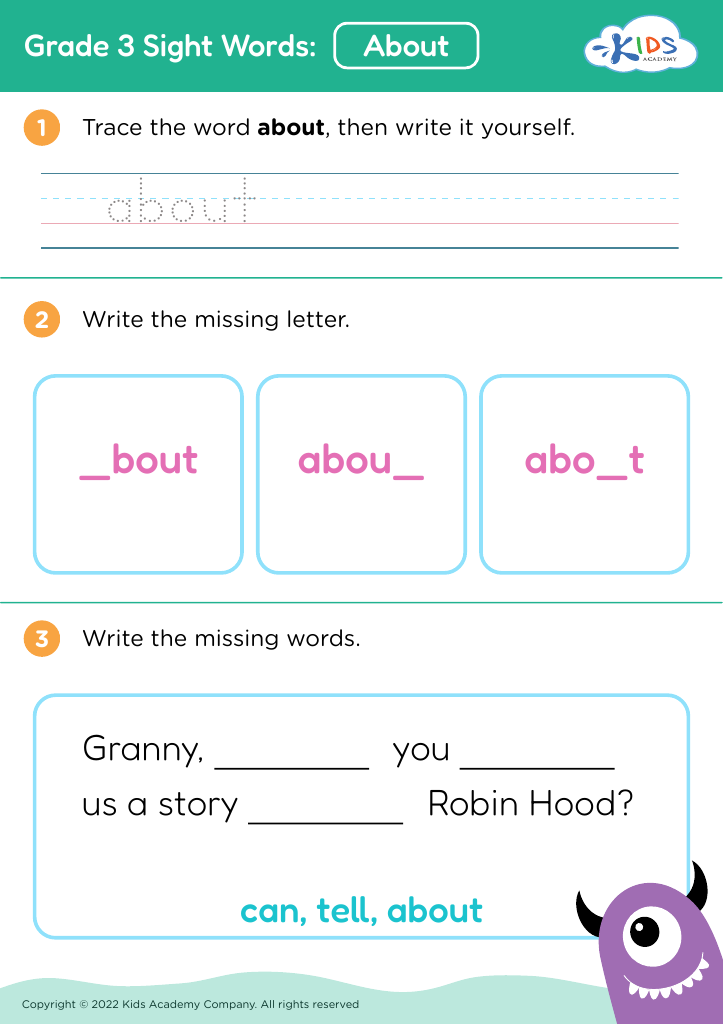
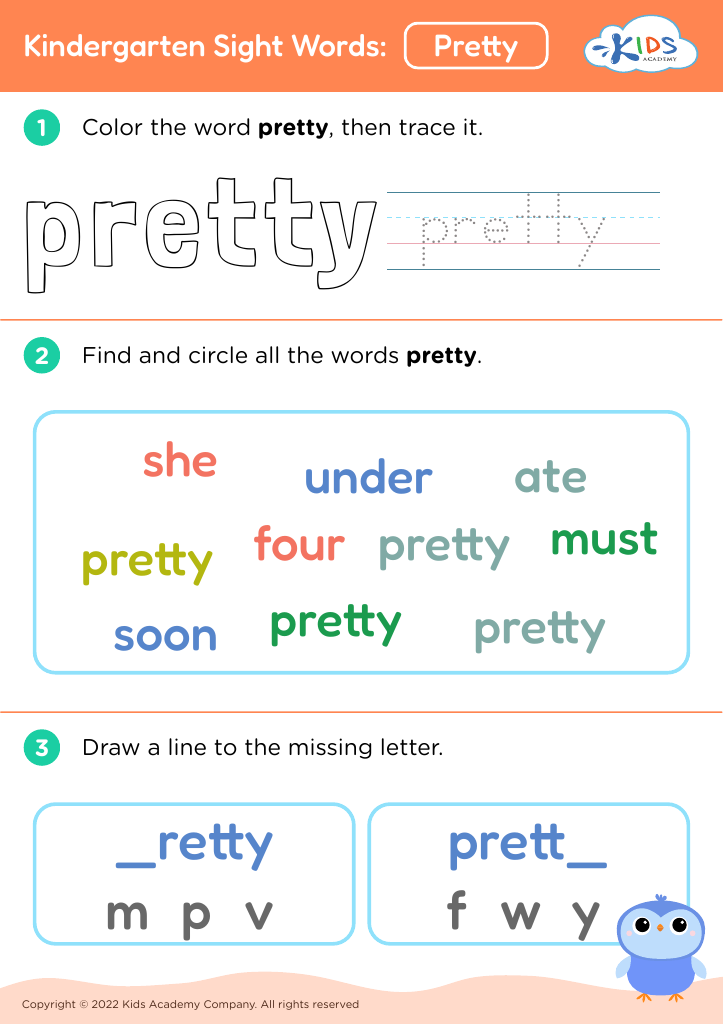








Parents and teachers should prioritize practicing addition while building vocabulary because these skills are foundational to a child's overall academic success and cognitive development. Mastering addition fosters essential mathematical skills that enable children to solve problems, make logical connections, and reason quantitatively. As they gain confidence in math, they are more likely to embrace challenge and view learning positively.
Simultaneously, building vocabulary is crucial for language development and communication skills. A rich vocabulary empowers children to express their thoughts clearly, comprehend diverse texts, and engage meaningfully in conversations. When combined, strong mathematical skills and a robust vocabulary foster critical thinking, as children articulate and reason through mathematical concepts and challenges they encounter.
Moreover, integrating vocabulary practice with addition can make learning more engaging and enjoyable. For example, using storytelling to present addition problems enhances comprehension and retention while exposing children to new words in context. This multi-faceted approach not only makes mathematics more relatable but also nurtures a love for learning. Ultimately, investing time in practicing addition and building vocabulary ensures that children are well-equipped for future academic endeavors and lifelong learning. Parents and teachers play a crucial role in nurturing these interconnected skills.








